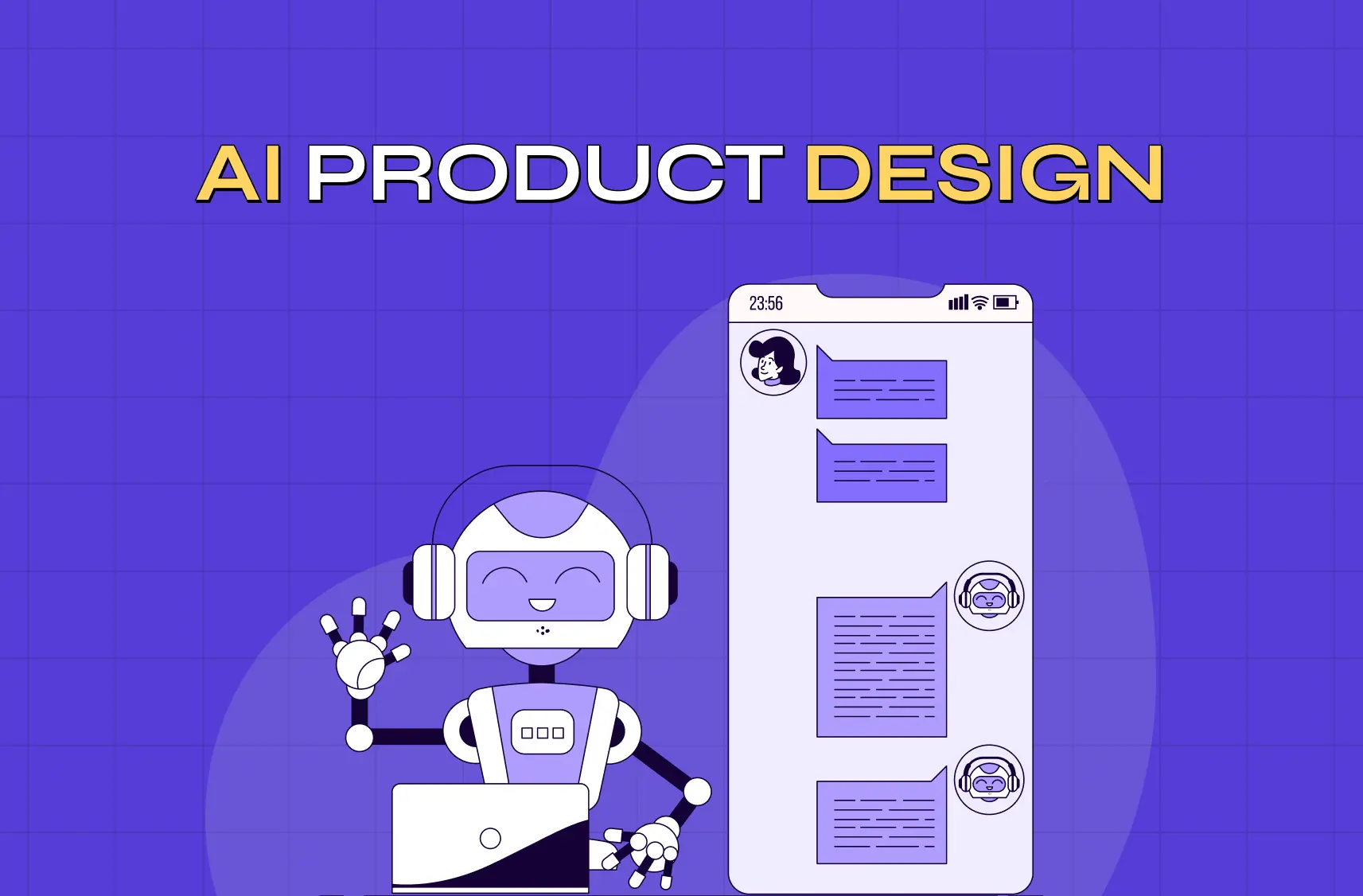
Building an AI product is only half the challenge. Getting users to understand, trust, and return to it is a design problem. Here are the 8 US agencies genuinely solving that, including how to test any shortlist yourself.
The 8 US agencies actually solving AI product design in 2026.
TL;DR
Finding the right AI product design agency in the US means looking past aesthetics to how a studio designs for trust, uncertainty, and agentic behavior.
We evaluated 8 studios on shipped work, AI-specific UX practices, verifiable reviews, and team fit for product stage, including us.
Groto leads the list because our process is built around AI-native workflows from day one, not retrofitted onto a traditional design process.
Pricing for AI product design in the US ranges from a few thousand dollars for early-stage sprints to six figures for enterprise, multi-modal builds.
A live-test method at the end of this guide lets you pressure-test any shortlist before you sign anything.
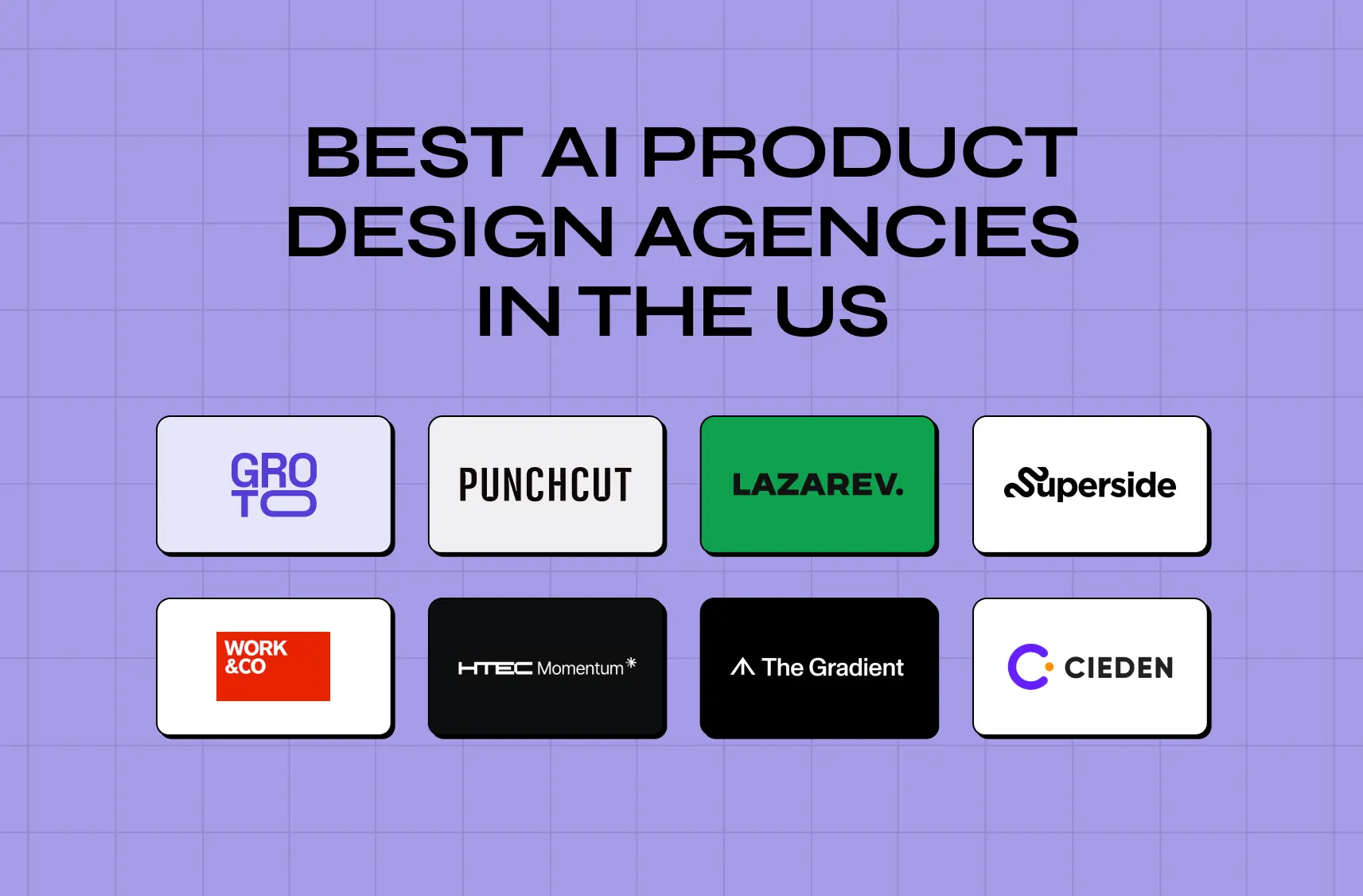
Building an AI product is only half the challenge. Getting users to understand, trust, and keep coming back to it is a design problem, and it is exactly what the best AI product design agency US teams are built to solve. Here are the 8 agencies actually doing that work well in 2026.
How we evaluated this list: every agency featured here was assessed against four criteria: verified, shipped AI products (not concept work), demonstrated AI-specific UX practices covering error paths, uncertainty states, and latency design, publicly verifiable client reviews on Clutch (as of 2026) or equivalent platforms, and team composition suited to the product stage.
Agency | Best For | Starting Budget | Clutch Rating | Location |
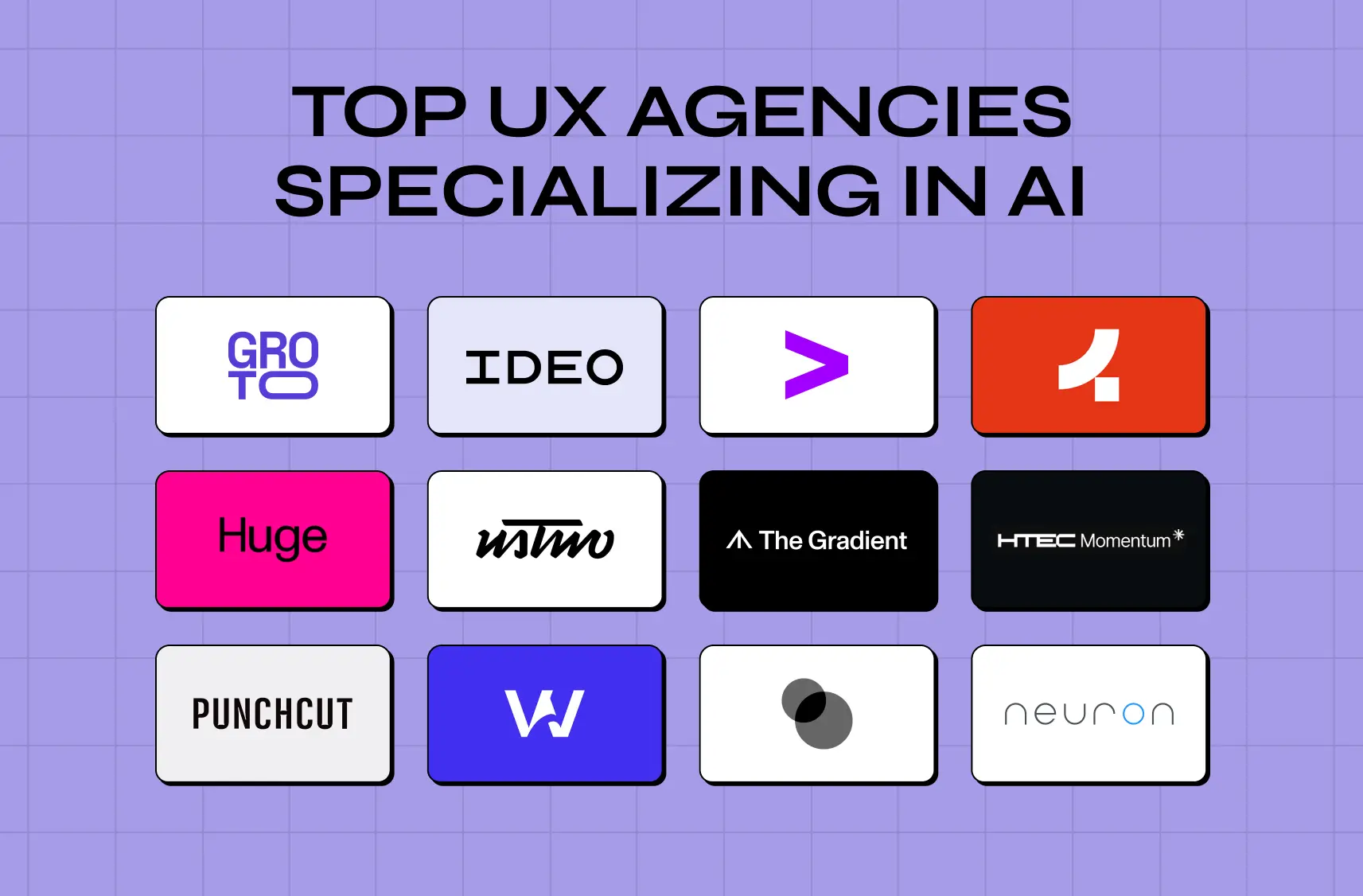
Groto | AI SaaS, seed to Series B startups | $2,399 | 4.9 | Global |
Punchcut | Multimodal and agentic AI interfaces | $100,000+ | No reviews | San Francisco, CA |
Lazarev.agency | Research-backed AI SaaS and B2B platforms | $50,000+ | 5.0 | Mountain View, CA |
Superside | Enterprise AI creative at scale | Subscription | 4.9 | Global |
Work.co | Flagship enterprise AI products | $5,000+ | No reviews | Brooklyn, NY |
Momentum Design Lab | Enterprise internal AI tools | $25,000+ | 4.9 | Huntington Beach, CA |
Cieden | Healthcare, fintech, and B2B SaaS | $10,000+ | 4.9 | Delaware, US |
The Gradient | Consumer AI products and rapid MVPs | On request | 4.9 | International |
What Makes an AI Product Design Agency Different
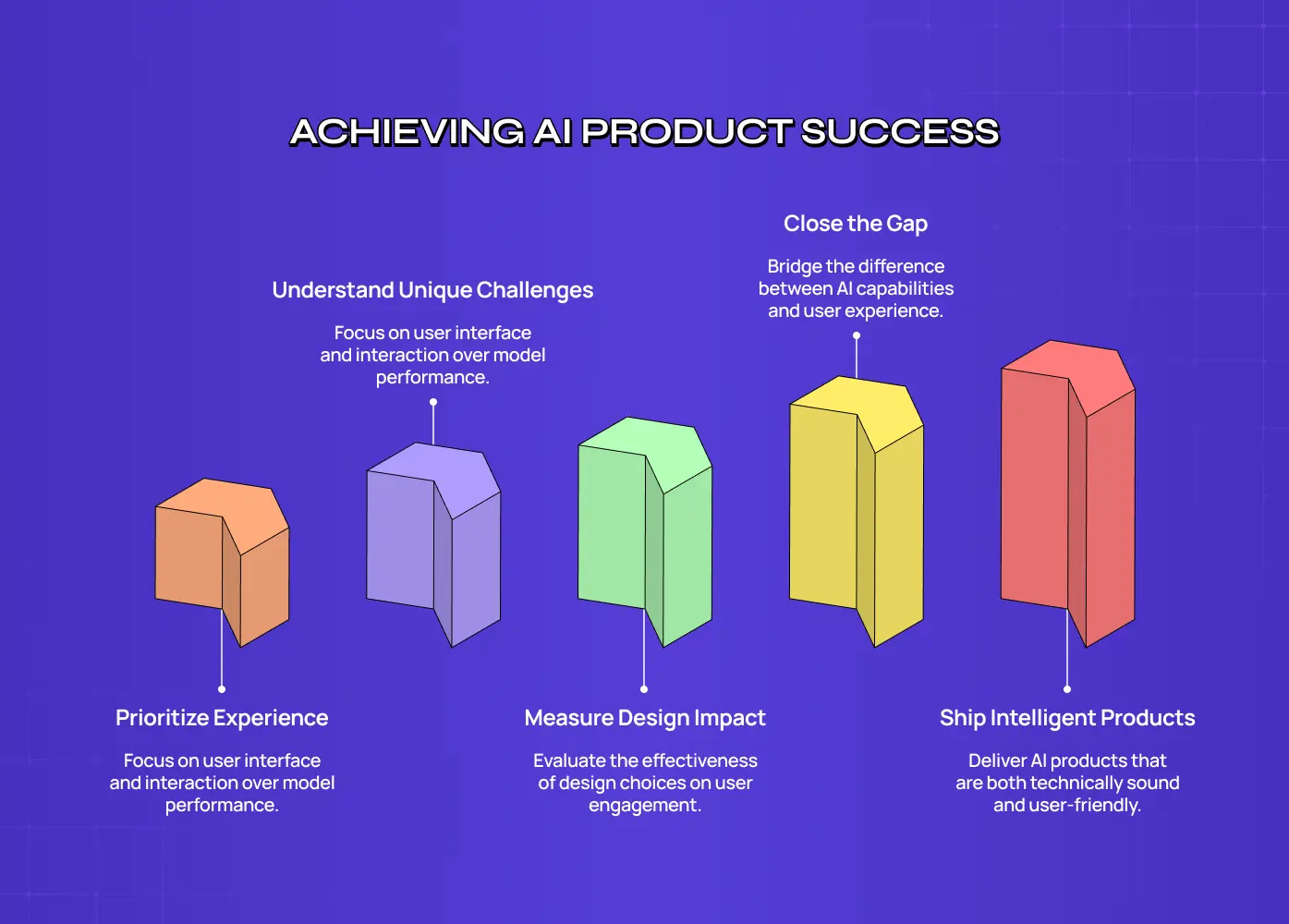
Most companies looking to build or scale an AI product make the same mistake: they prioritize the model over the experience. A well-trained AI sitting behind a confusing interface is still a product that fails.
A true AI design agency does not just apply machine learning to a design workflow. It understands that AI products carry unique design challenges: uncertainty states, trust-building moments, agentic flows, and real-time feedback loops that traditional UX patterns were never built to handle. The interface is not the wrapper. It is the product.
According to a McKinsey survey, AI can improve business efficiency by up to 40% and reduce costs by up to 30%. A separate AI consumer trends analysis from Klaviyo found that just over half of consumers report at least one moment where an AI tool genuinely impressed them, which means the other half are still unconvinced. That gap between what AI can do and what users actually experience is why AI's design impact is worth measuring on its own, separately from the model's raw performance. That is the gap a genuine AI product design agency US team helps close, and it is also why so many generalist studios that market themselves as AI-first end up looking more like a fantasy design studio pitching concept boards than a partner who has actually shipped intelligent products.
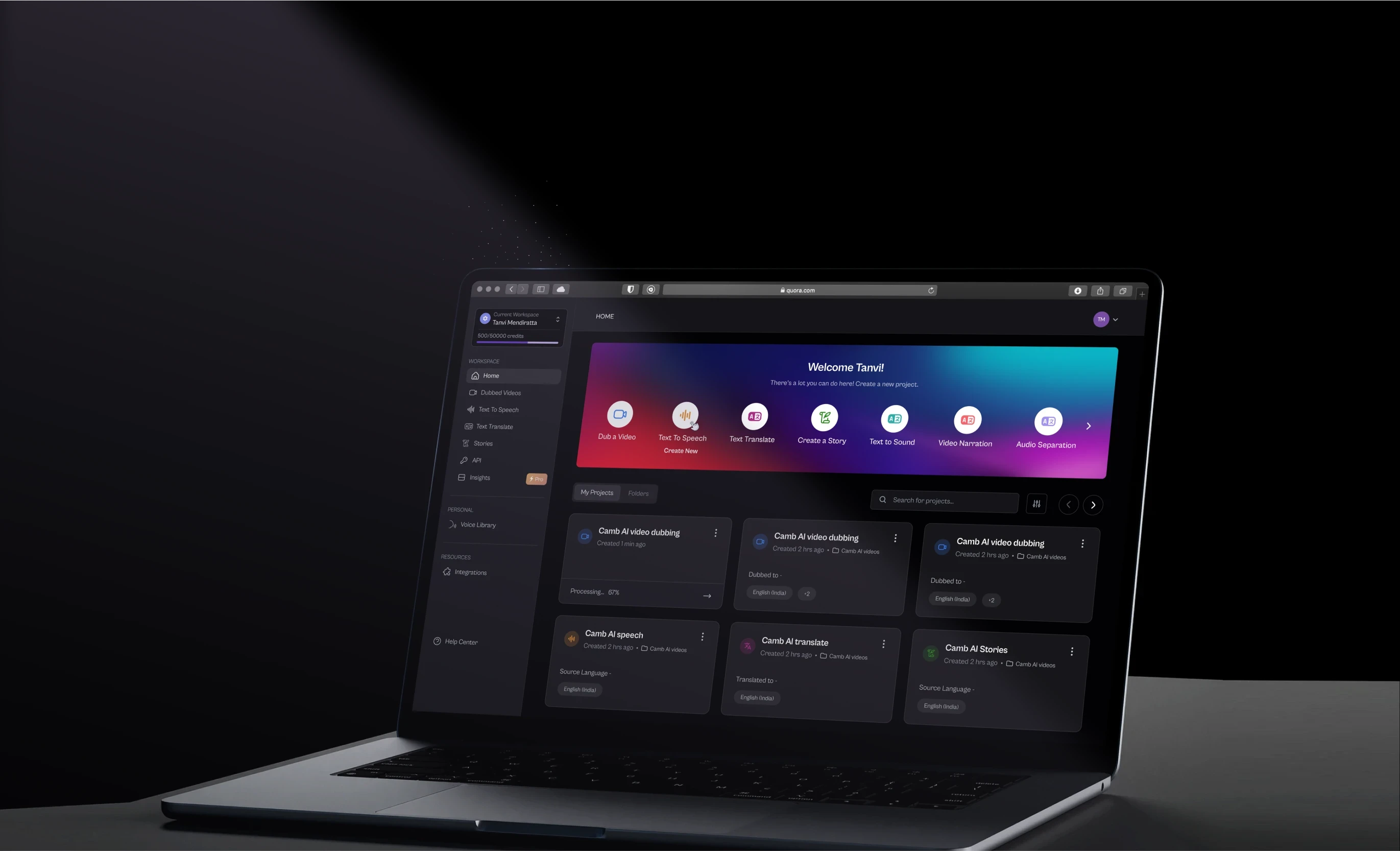
We have seen this play out in our own work. When Camb.ai came to us, their AI dubbing platform was technically strong but experientially fragmented. Redesigning the interface to communicate real-time processing, language switching, and playback states in one clear flow was what moved the needle on engagement and conversion. The AI did not change. The design did.
The Groto 4-Point AI Agency Vetting Framework
Portfolios are easy to make look good. Use these four checks, in order, before you take any agency's AI claims at face value:
Shipped, not conceptual. Ask for a live AI product they designed, not a case study of a pitch deck or a Dribbble shot.
AI-specific UX practice. Ask them to walk through how they design for loading states, model uncertainty, and error recovery specifically, not general UX process.
Verifiable reviews. Cross-check client claims against Clutch or an equivalent third-party platform, not just testimonials on the agency's own site.
Team fit for your stage. A team built for enterprise retainers is often the wrong fit for a seed-stage MVP, and vice versa.
We built this list by running every agency below through these four checks before it made the table above.
How to Choose the Right AI Design Agency in the US
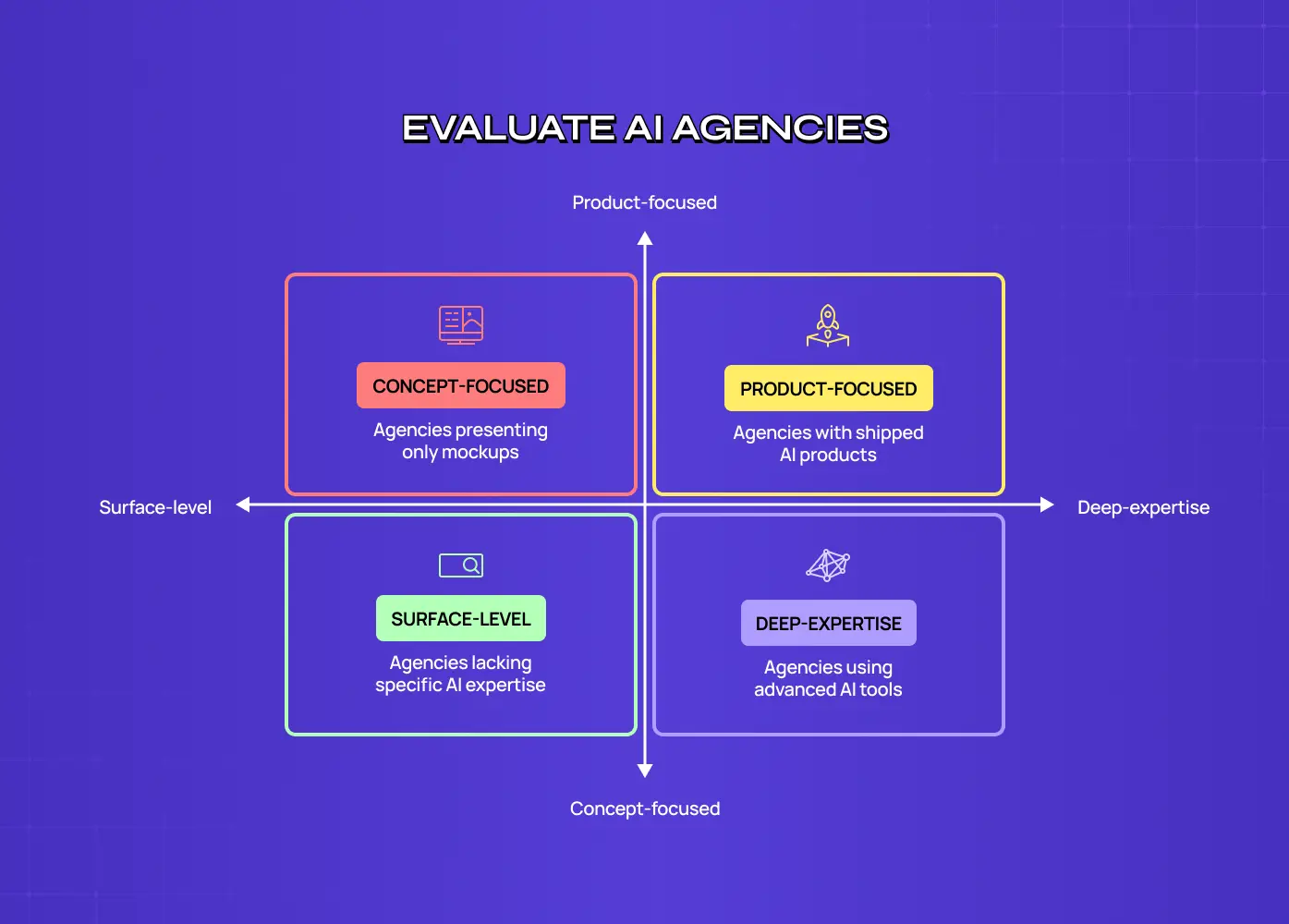
Before you look at a portfolio, you need a checklist. Here is what actually matters when evaluating any AI product development agency, and not just a digital product agency that has bolted an AI label onto its site.
What to look for:
A portfolio that includes real AI products, not general SaaS or marketing work styled with AI buzzwords
A clear design process that accounts for AI-specific states: loading, errors, uncertainty, and agent handoffs
Research practices that inform interface decisions rather than just justify them after the fact
Transparent communication about timelines, scoping, and revision rounds
Delivery experience with agentic flows, conversational UIs, or ML-integrated dashboards
Proof of shipped work, not just polished case study screenshots
A few patterns are worth watching out for when shortlisting:
Agencies presenting only concept mockups or Dribbble-style shots with no shipped product behind them
Teams that cannot speak to how they design for model latency, loading states, or variable output quality
Studios that claim AI expertise but show no AI products in their active portfolio from the last 12 months
Partners with no clear process for building reusable, token-driven design systems that hold up as the product scales. Scalable AI design systems are what keep AI interfaces consistent as models and features change
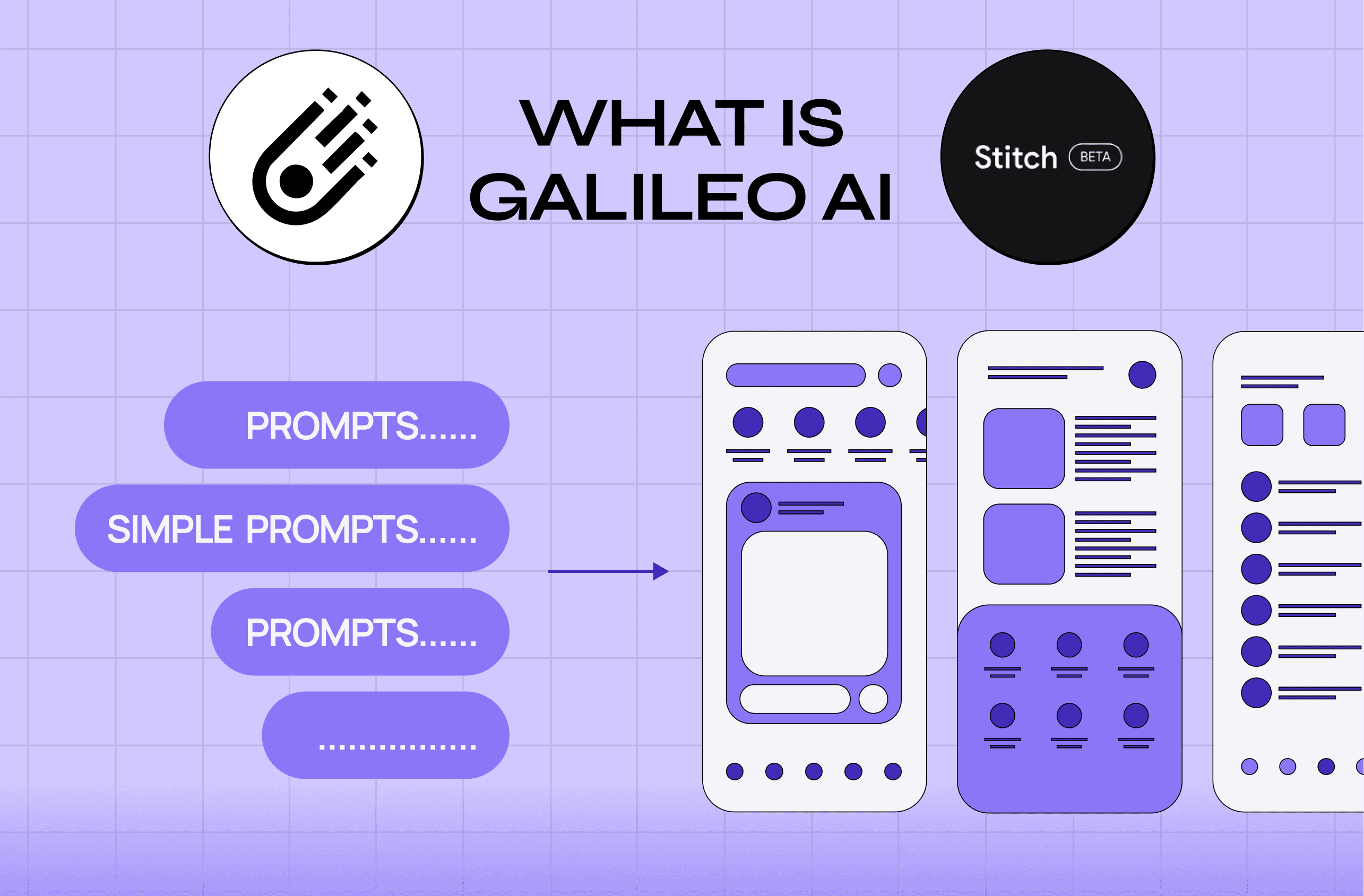
Indicators of real AI design depth, and the tools that back them up: ask which specific tools an agency actually uses day to day, not just which ones they name-drop. Figma's built-in AI features handle layout suggestions and auto-generation, which is useful but table stakes. A team that can name the specific LLM or prototyping stack they use to test conversational and agentic flows against live model behavior, rather than static mockups, is showing real practice, not a slide. The same goes for no-code AI wireframing tools like Uizard or Galileo AI: fine for a first pass, but they should never be the agency's entire process for a product build.
The difference between a generalist digital product agency and one that specializes in AI interfaces is not the tool stack. It is intuition built from shipping products where AI is not a feature bolted on top. It is the core of the product.
The Groto Live-Test Method
Portfolios and pitch decks tell you what an agency says it can do. This live-test method tells you what they actually do when the model misbehaves, which is the moment that decides whether users trust your product.
Give every finalist the same messy scenario. A request with missing context, a slow model response, or a contradictory data source. Watch how each team designs the recovery, not just the happy path.
Ask for the uncertainty state, not the confirmation screen. Any agency can design a success message. Ask them to show you what the interface looks like when the AI is not sure.
Ask who owns the handoff between design and engineering. AI products drift between kickoff and launch as models change. Find out whether the team you meet on the sales call is the team that stays through implementation.
Request one metric from a past AI engagement. Activation, task completion, or error-recovery rate. Craft without a measurable outcome is decoration, not proof.
Run this before you sign a scope of work, not after.
What AI Product Design Costs in 2026
Pricing across the US agency market varies significantly based on scope, team size, and whether the project is genuinely AI-specific. Here is a realistic breakdown of what to expect, and our full pricing guide goes deeper if you want line-item detail.
MVP and early-stage sprints ($15,000 to $25,000): core UX flows, wireframes, and a validated design system for a focused product area. Typically 6 to 8 weeks. Best suited for pre-seed or seed-stage teams validating a single workflow. If you are still scoping the product itself, our guide to building AI products is a useful companion read before this stage.
Mid-market product builds ($25,000 to $60,000): end-to-end product design across multiple user roles, UX research, and handoff-ready component libraries. Typical engagement spans 8 to 16 weeks.
Enterprise and premium deployments ($60,000 and above): multi-platform design systems, agentic UX architecture, multi-modal interfaces, and ongoing retainer support. Timelines range from 3 to 6 months.
One thing worth planning for: AI product design projects typically need a 15% to 20% budget buffer beyond the initial scope. Model behavior changes, prompt adjustments, and edge-case states discovered in testing regularly add design cycles that are not visible at kickoff.
Why US Enterprise Pricing Isn't the Only Option
Look at the table above and the range is stark: a $2,399 starting point next to several agencies quoting $50,000 to $100,000 and up. That gap is not just about scope. US agencies pricing at the top of the market are largely paying for physical office overhead and brand premium, not a guarantee of better AI-specific practice.
A remote-first, globally distributed team can deliver the same senior-level research, interaction design, and AI-native workflow at a materially lower entry point, as long as the vetting framework above still holds: shipped work, AI-specific UX practice, verifiable reviews, and stage fit. The location on the letterhead has never been the thing that makes an interface trustworthy. The process behind it is.
8 Best AI Product Design Agencies in the US
1. Groto
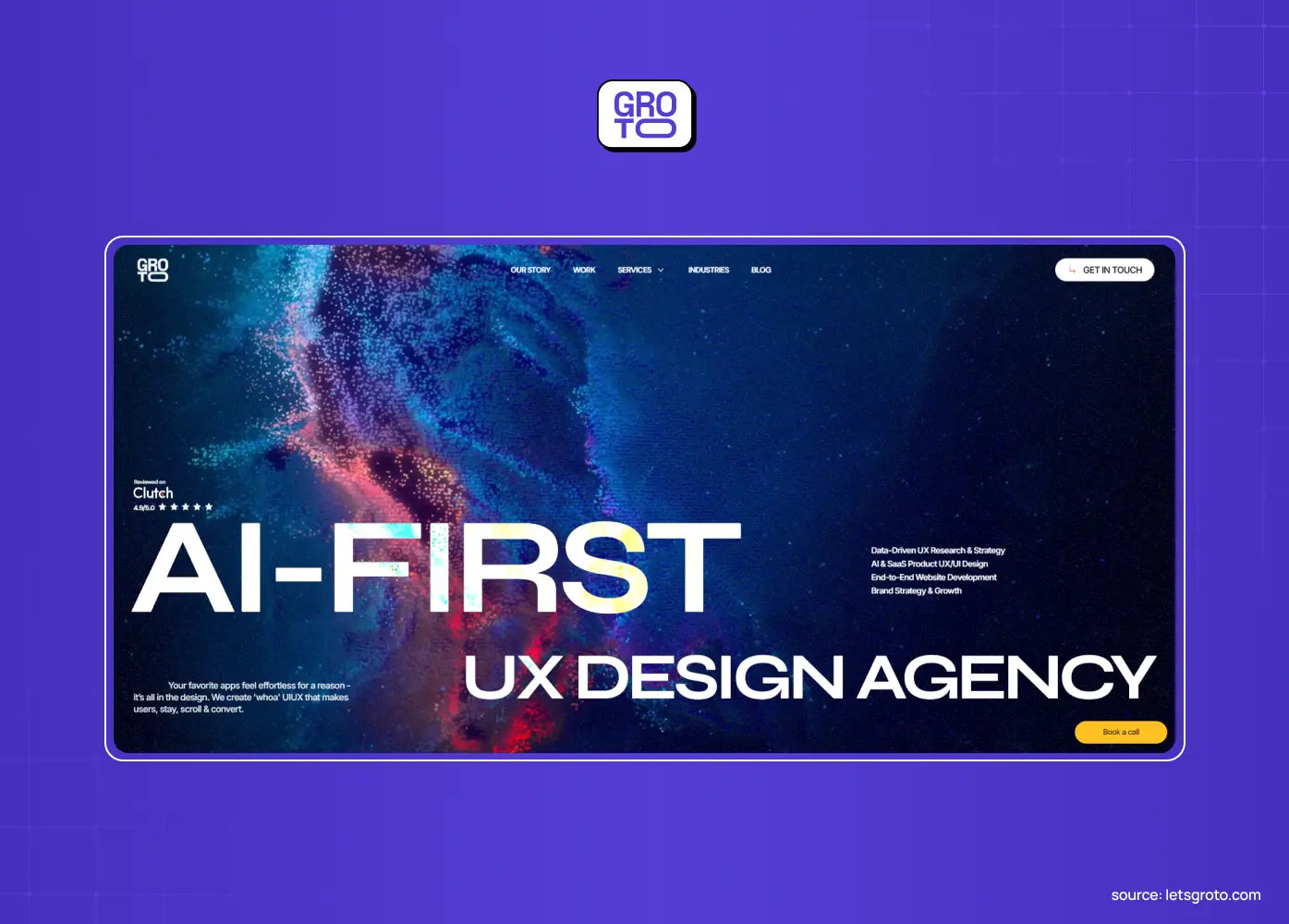
Best for: Seed to Series B SaaS, AI, and product companies that want design to drive actual outcomes.
We are Groto, an AI-first full-stack design studio built for the age of intelligent products. We work at the intersection of interaction design, product strategy, and AI experience, helping companies from early traction to growth stage turn complex systems into products people understand and love.
What makes us different:
We design for how AI behaviors translate into user-facing moments, not just how they look
We build scalable design systems that hold up as the product evolves
We stay involved from discovery through production handoff, not just deliverable drop
We have shipped AI products across dubbing, hiring, edtech, and health intelligence
Our process starts with behavioral research before any screen is touched
Our work with Camb.ai, LearnSphere, and Pathways spans AI dubbing, edtech, and AI-powered hiring: a real-time dubbing interface handling 140+ languages, a role-based learning platform serving admins, teachers, and students without adding confusion, and a hiring platform built around personality-based assessments instead of guesswork. Each project required us to design around AI outputs that are probabilistic, asynchronous, or context-dependent. That is exactly the kind of design problem we are built for.
Core services: AI product design and UX strategy, SaaS and web design, agentic UI/UX design, design systems, UX research and usability testing, mobile app design.
Location: Remote (serving US clients globally).
2. Punchcut
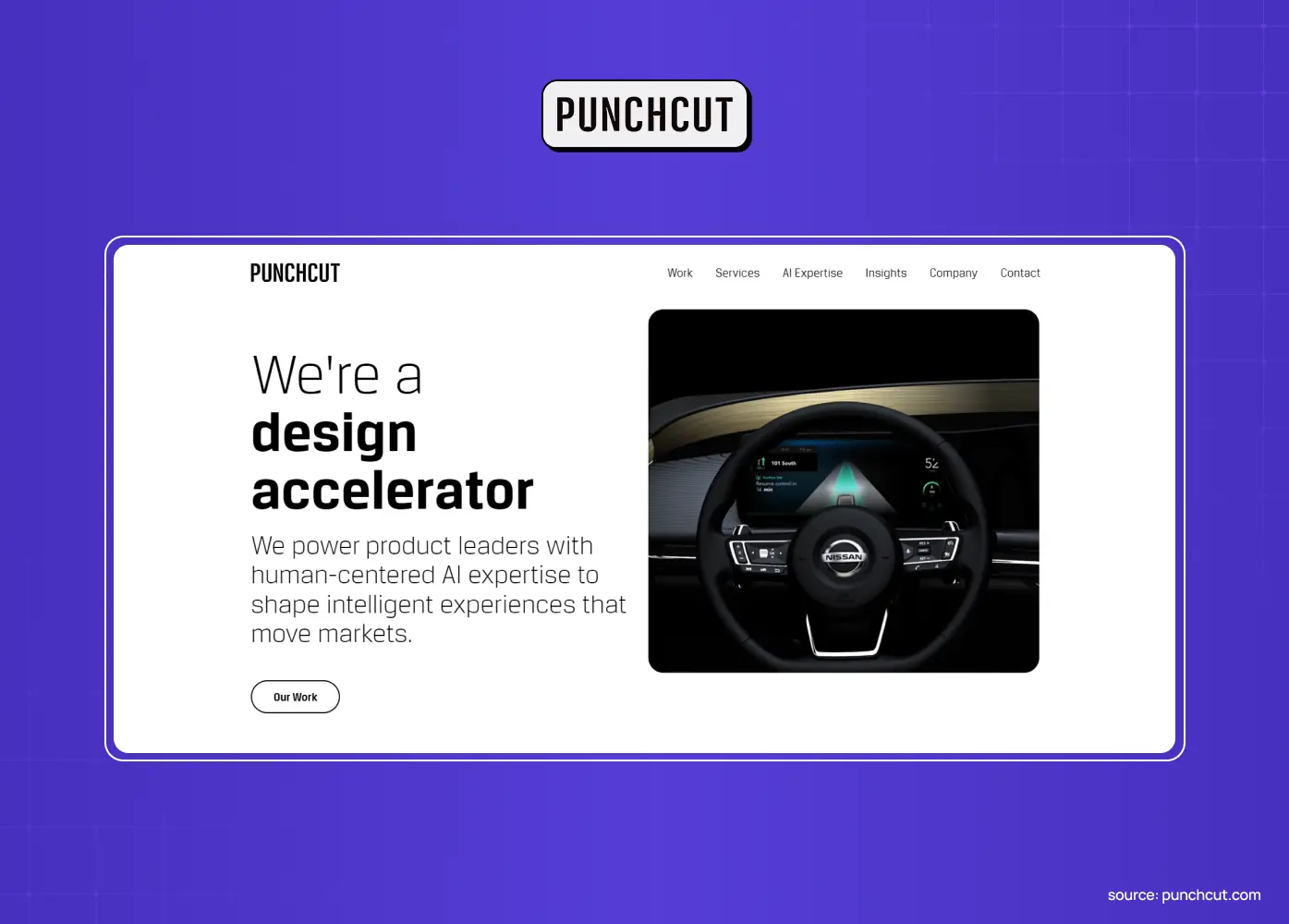
Best for: Companies building human-centered AI experiences across multimodal and emerging interfaces.
Punchcut, one of the most established San Francisco design agencies, is a prominent name in AI interface design, with over 20 years of experience working on intelligent products before the current wave of generative AI. They specialize in human-machine interaction across voice, sensors, agents, and autonomous systems. Their client roster includes Google, Amazon AWS, Samsung, Salesforce, and Visa, which reflects the enterprise scale they typically operate at.
What makes them stand out: 20+ years of human-centered AI design experience, deep specialization in multimodal interfaces, an active R&D practice studying agentic AI trust, an accelerator model that compresses strategy-to-prototype timelines, and technical depth in the current AI engineering stack.
Core services: AI product strategy and vision, multimodal and agentic UX, human-machine interaction design, computational design and prototyping, AI R&D and behavioral research.
Location: San Francisco, CA.
3. Lazarev.agency
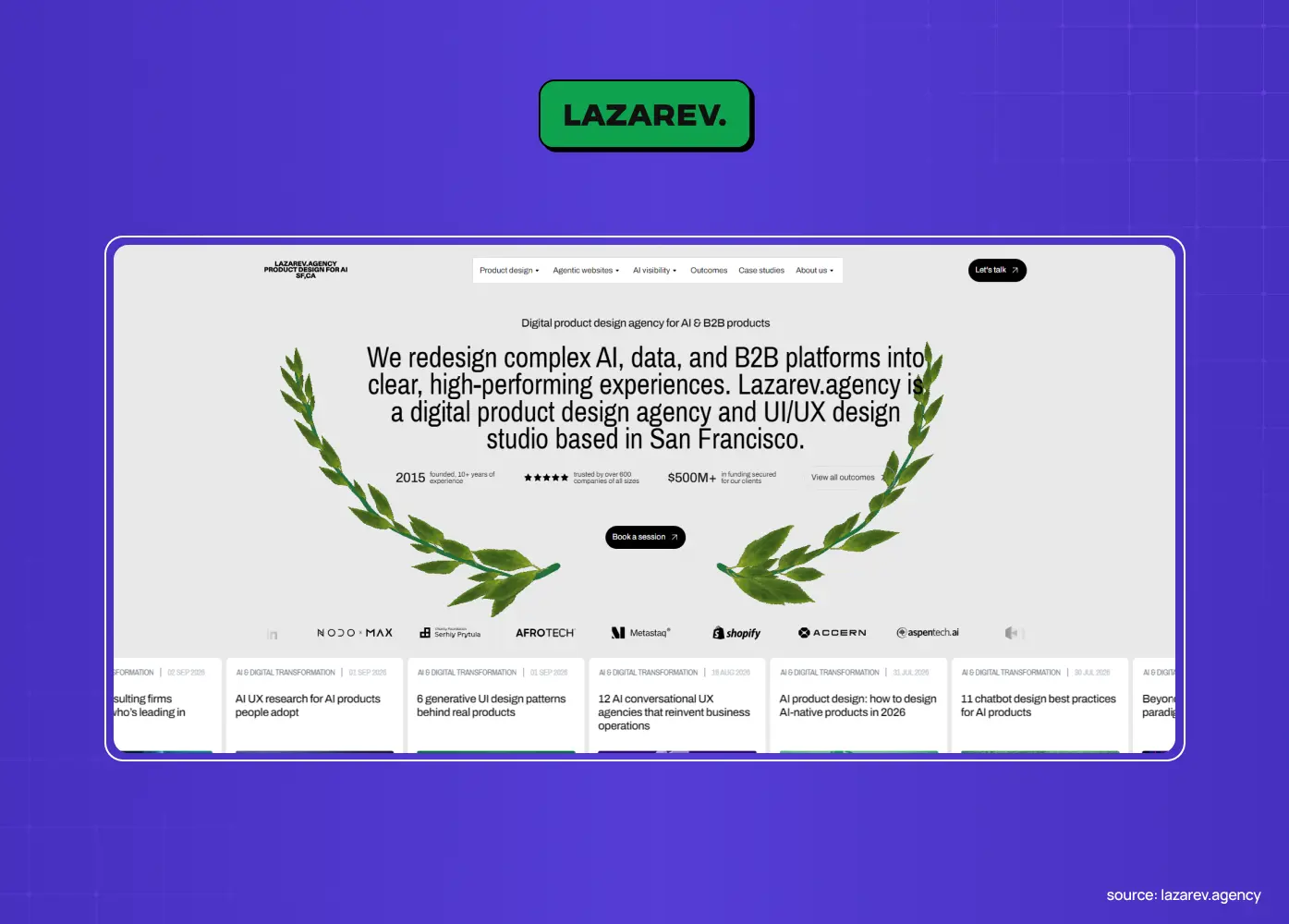
Best for: Funded startups and scale-ups that need research-backed design for AI-driven platforms.
Lazarev.agency has been building AI product interfaces since 2015, longer than most agencies on this list. They are a research-first studio that maps user behavior, market positioning, and competitive gaps before a single screen is designed. They report supporting over 400 brands toward product-market fit and funding, and hold a 5.0 Clutch rating across 19+ verified reviews, among the strongest review profiles on this list.
What makes them stand out: research-first methodology, over 400 brands supported toward product-market fit and funding, strong specialization in complex data dashboards and B2B SaaS interfaces, and a 5.0 Clutch rating with 19+ verified reviews.
Core services: AI product design and UX research, data visualization and dashboard design, branding and design systems, B2B SaaS interface design, AI-driven platform redesign.
Location: Mountain View, CA.
4. Superside
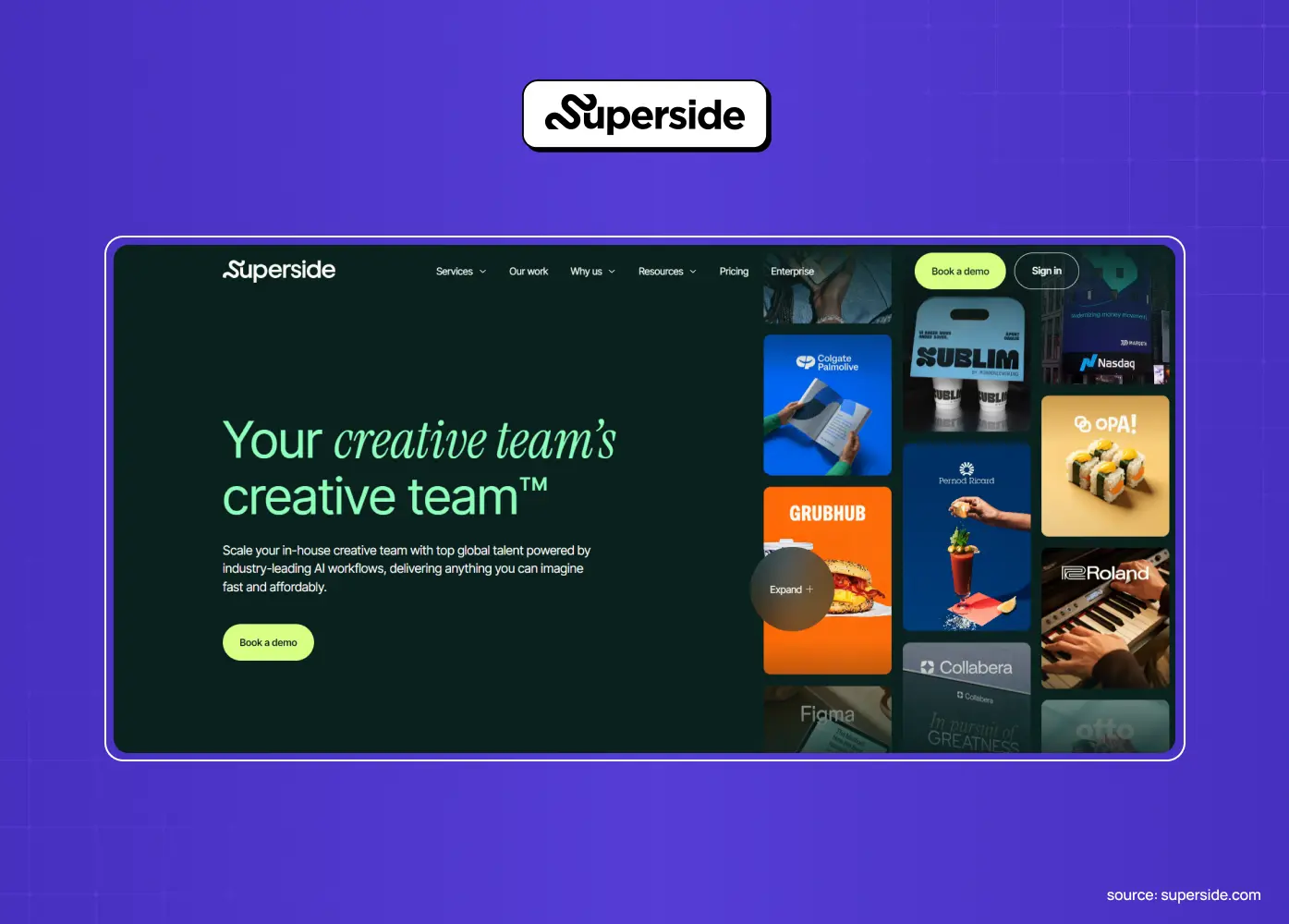
Best for: Enterprise and mid-market companies that need high-volume AI-powered creative at scale.
Superside is an AI-first creative partner built for brands that need to move fast and stay consistent. Their human-plus-AI workflow has delivered over 12,000 AI-powered projects, and their Brand Brain platform makes them one of the more capable agentic creative operations for companies managing large creative workloads. A Forrester Total Economic Impact study commissioned by Superside reported 94% ROI with under a 6-month payback for its AI-enhanced services, worth reading as a vendor-backed figure rather than fully independent research.
What makes them stand out: 12,000+ AI-powered projects delivered, a proprietary Brand Brain system, 90%+ of their creative team certified in AI tools, and the Forrester-reported ROI figure above.
Core services: AI creative and consulting, brand design and identity, product design and design systems, web design and development, motion design and video production.
Location: Distributed globally.
5. Work.co
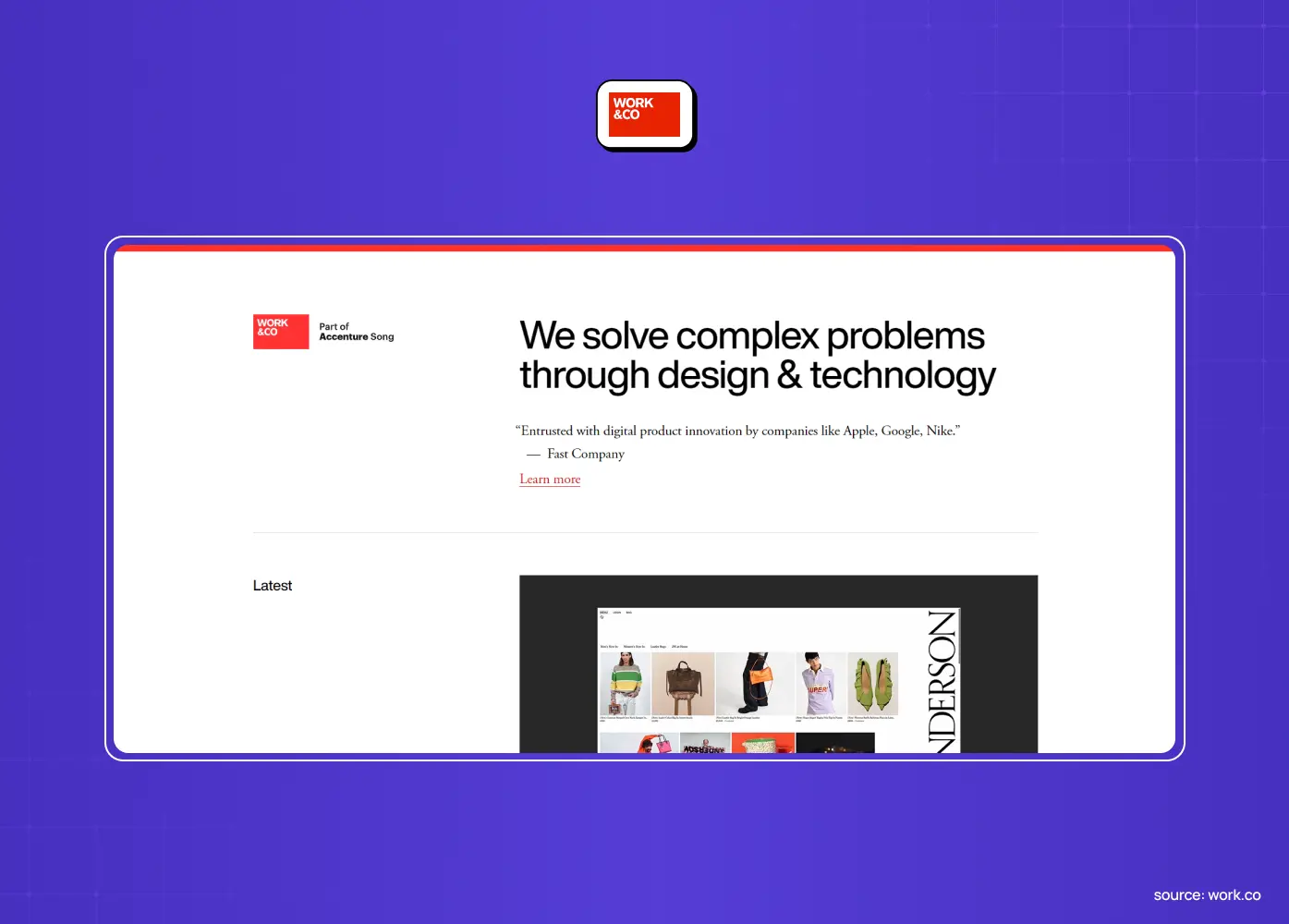
Best for: Well-funded companies building category-defining AI products where design and engineering must move as one.
Work.co sits at the high end of the market as a product strategy, design, and engineering firm. Design and development happen in parallel, so the shipped product actually matches what was designed. Their client list has included Apple, Nike, Google, and IKEA, which signals the scale of build they're typically brought in for.
What makes them stand out: parallel design and engineering that eliminates the typical handoff gap, capabilities spanning agentic AI workflows and GenAI UX, and one of the few firms that can take a product from concept to production-ready code under one roof.
Core services: Product strategy and GEO, agentic AI workflow design, GenAI and multimodal UX, full-stack product development, design systems and component libraries.
Location: Brooklyn, NY.
6. Momentum Design Lab
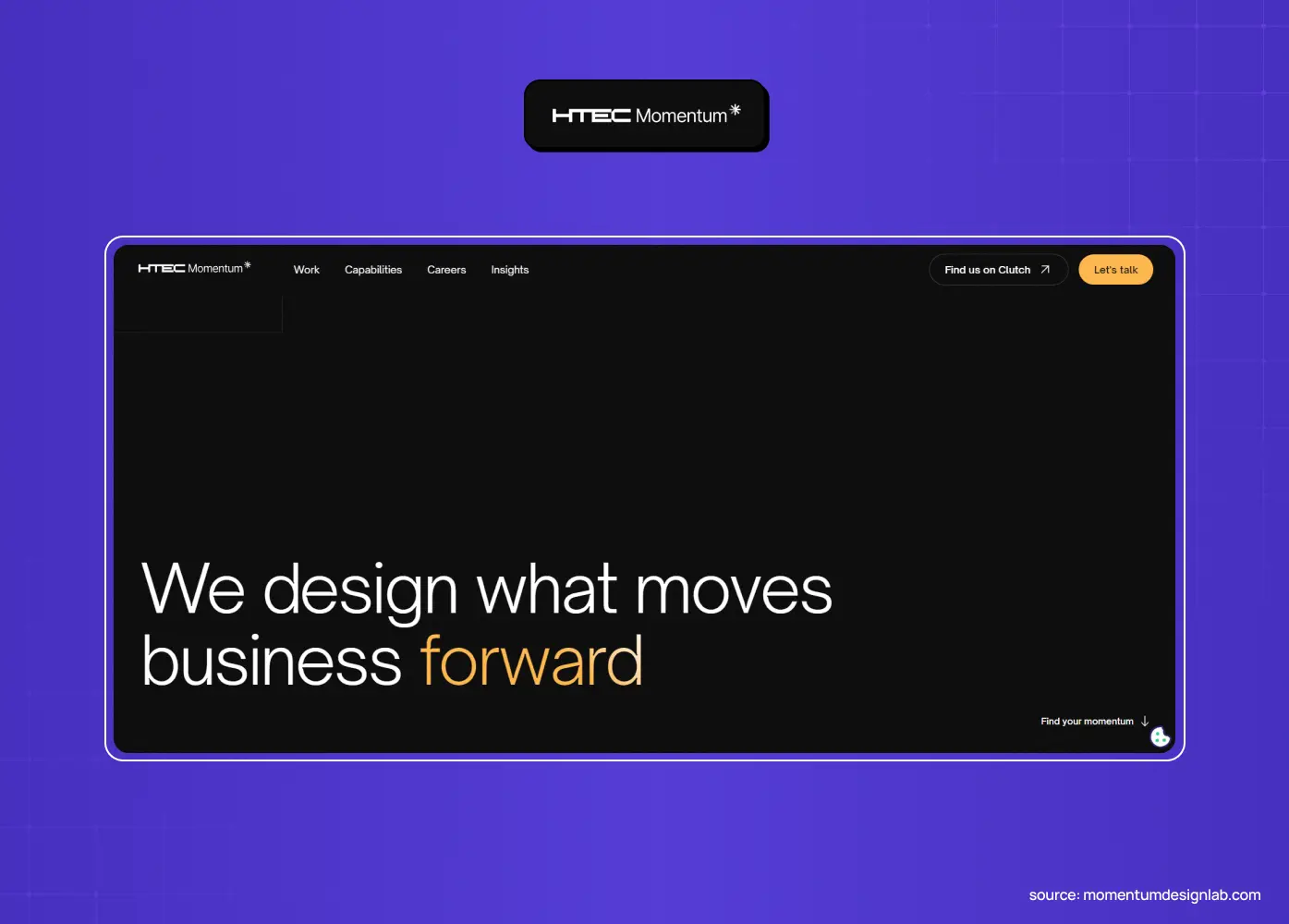
Best for: Enterprise companies building internal or external AI tools with complex stakeholder environments.
Momentum Design Lab, now operating as HTEC Momentum, has worked with enterprise clients since 2002. Their practice covers AI strategy, data architecture, and AI-powered automation alongside product design, and they understand how enterprise AI products get built, reviewed, and rejected internally. Their team has picked up UX Design Award recognition for client work including Zingtree and DAR.
What makes them stand out: over two decades of enterprise experience, strategists and researchers embedded from day one, and a strong track record reducing redesign cycles by aligning stakeholders early.
Core services: AI strategy and product design, data architecture and intelligence design, AI-powered workflow automation, UX research and enterprise journey mapping.
Location: Huntington Beach, CA.
7. Cieden
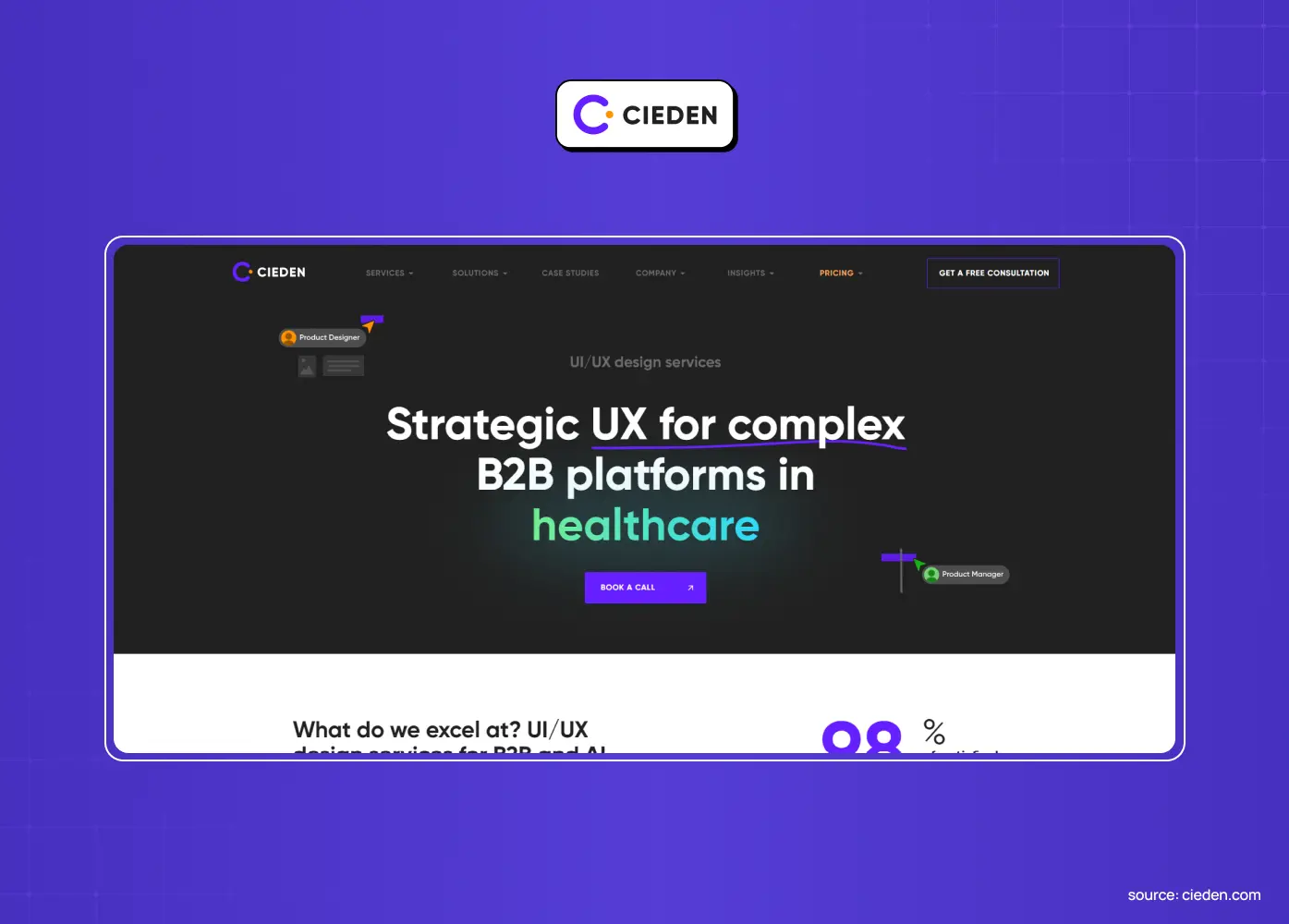
Best for: B2B platforms in healthcare, fintech, edtech, and enterprise SaaS where information density is high and UX must be precise.
Cieden specializes in making complicated products feel simple, with particular strength in information architecture and interaction design for data-heavy interfaces. By their own account they have built over 45 healthcare products across 9 years of domain-specific work, which is a meaningfully deep bench for a vertical this regulated.
What makes them stand out: specialists in information architecture for high-complexity products, strong healthcare, fintech, and enterprise SaaS experience, and consistent recognition on Clutch, GoodFirms, and Upwork.
Core services: UI/UX design and business analysis, AI UX and AI audit services, design systems and component libraries, web and mobile interface design.
Location: Delaware, US, with offices in Canada, Ukraine, and Poland.
8. The Gradient
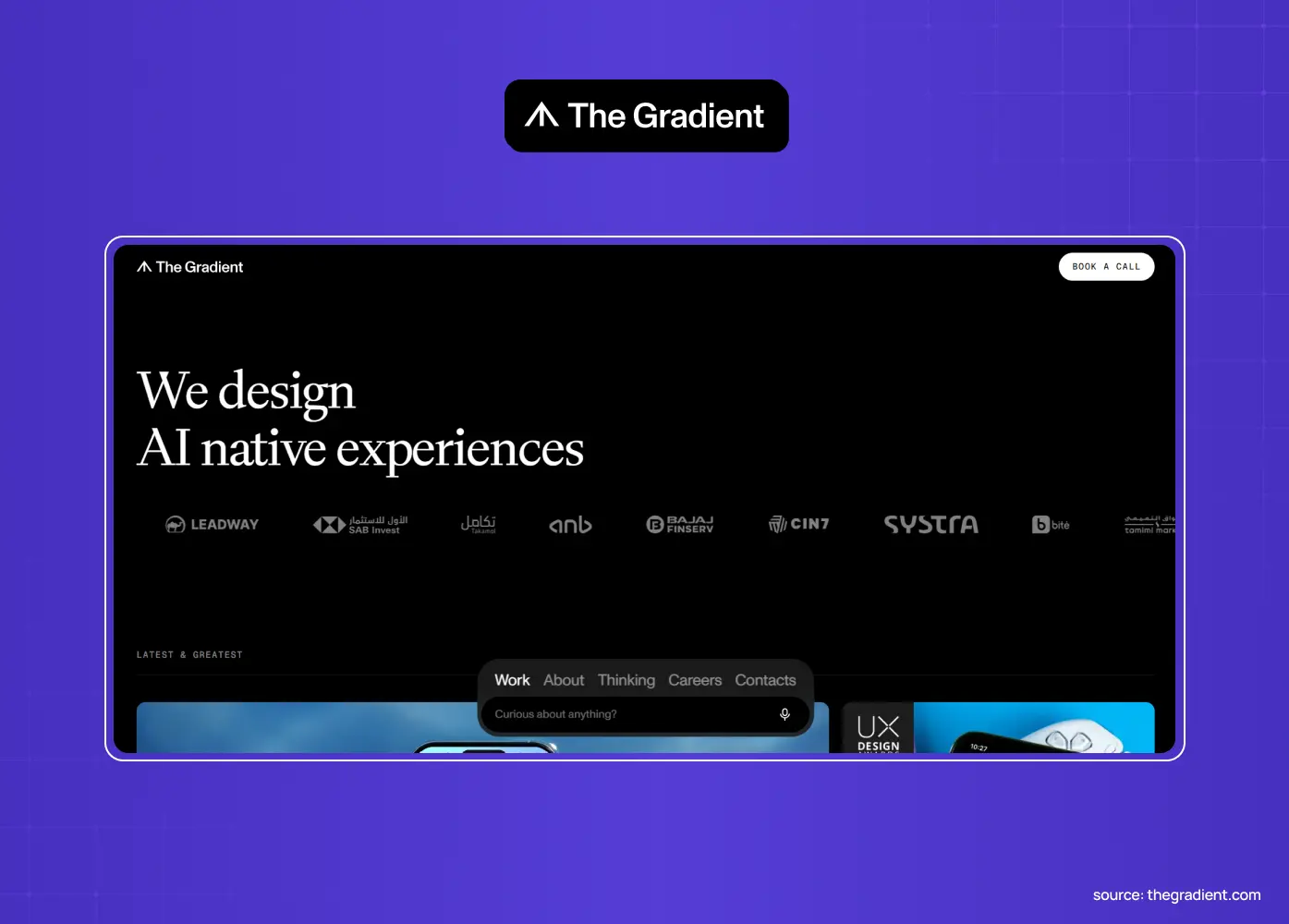
Best for: Startups building AI-native consumer or fintech products that need both behavioral research and rapid prototyping.
The Gradient is a small, focused multidisciplinary team combining behavioral science and UX research with fast prototyping cycles for fintech, healthcare, and edtech products where the AI is functional, not decorative. Their client work includes Cashee, a teen banking app in the MENA region, and Lumiere, an AI video intelligence platform, both of which picked up UX Design Award recognition in back-to-back years.
What makes them stand out: a human-first, AI-native approach, a small senior team, and a track record launching AI products in fintech, healthcare, and edtech.
Core services: UX research and behavioral design, AI product design and prototyping, product strategy and market insight, interaction design and usability testing.
Location: International, with US clients.
Which Agency Fits Your Stage
Early-stage and MVP: Groto, The Gradient, Cieden
Growth-stage and Series A: Lazarev.agency, Punchcut, Groto
Enterprise and large-scale: Work.co, Superside, Momentum Design Lab
High-volume creative output: Superside
Specialized B2B verticals (fintech, healthcare, edtech): Cieden, The Gradient, Groto
What Sets a Strong AI Design Agency Apart From the Rest
The market for AI design has grown fast, and not every agency pitching AI expertise has actually built for it. Here is what genuinely separates the top firms from those who have simply rebranded, the distinction a proper AI agency comparison draws out in full.
Indicators of real AI design depth:
They can speak to designing for probabilistic outputs, not just deterministic UI states, which is the dividing line in what AI product design involves
Their portfolio shows products where AI is the core interaction, not a bolt-on feature
They have designed for trust: onboarding flows that explain AI behavior, error states that do not feel like failures
They understand agentic interfaces: multi-step AI workflows where the user and the system hand control back and forth
They treat edge cases as design problems, not engineering ones
They ask how your AI fails before they ask how it should look
The Agentic Shift: What Changed by 2026
A year ago, most AI products were still single-turn: ask a question, get an answer. By 2026, a growing share of the work we and our peers are fielding is agentic: systems that take multi-step actions, retain context across a session, and hand control back and forth with the user. Gartner's research reflects both sides of that shift: roughly 40% of enterprise applications are projected to include task-specific AI agents by the end of 2026, while more than 40% of agentic AI projects are expected to be cancelled by the end of 2027, largely because the interface and control model around the agent was never designed properly in the first place.
That shift changes what "good" looks like. Interfaces now need to show what an agent is about to do before it does it, give users a clear way to interrupt or correct a multi-step action mid-flight, and distinguish a completed step from a failed one without burying that distinction in a log file. Agencies that only design static screens are structurally unequipped for this. The ones that matter in 2026 design the conversation between a user and a system with its own behavioral logic, not just the screens either side of it.
Why AI Product Design Is Not Just a Design Problem
Building AI products is harder than building traditional software because the output is not deterministic. Users interacting with an AI system are dealing with probabilities, not certainties, which means design has to carry more cognitive load than usual.
That cognitive load is not abstract. A Pew Research survey covered by Forbes found that roughly 60% of US adults are not confident that AI makers will ensure their systems behave responsibly. That distrust does not stay abstract either: it shows up as users abandoning an AI feature the first time it behaves unpredictably, unless the interface has already told them what to expect.
The interface must tell users what the AI can do, what it is doing, what it just did, and what it might do next. It must communicate confidence levels without drowning users in technical language. This is why product design for AI systems is more central to the product's success than it was in the software generation before it. Good product design is the mechanism by which complex AI behavior becomes usable and trustworthy.
We built Gini's health intelligence platform with exactly this challenge in mind. The product pulls from DNA data, real-time food logging, and AI-driven health recommendations. Designing the information hierarchy so users could understand and act on AI outputs without feeling overwhelmed took serious structural and interaction work. The AI capability was already there. The design made it accessible.
Conclusion
The best AI product design agencies understand that interface design is where AI value is either unlocked or lost
Look for portfolios that show real, shipped AI products, not AI-themed marketing work
Strong agencies design for trust, uncertainty, and agentic flows, not just polished screens
Pricing and location matter less than process depth and relevant domain experience
Run the Groto 4-Point Vetting Framework and the live-test method above before you sign a scope of work
Whether you need a full-service partner, a research-first studio, or a high-volume creative operation, match the agency to your product stage and complexity. If your search extends beyond AI-specific studios, a broader roundup of US design agencies widens the field.
At Groto, we work specifically with SaaS, AI, and product companies to build interfaces that deliver value. We function as SaaS UX design partners that understand the full stack from research to deployment. If that sounds like where you are, book a call and let's talk through what you're building.