UI/UX Design and Development Services: Should Your AI Product Use One Vendor or Two?

UI/UX Design and Development Services: Should Your AI Product Use One Vendor or Two?

A CTO's guide to choosing between a combined design and build vendor or a split model for AI products, with a decision matrix by team size and timeline.

UI/UX Design and Development Services: Should Your AI Product Use One Vendor or Two?

UI/UX Design and Development Services: Should Your AI Product Use One Vendor or Two?

A CTO's guide to choosing between a combined design and build vendor or a split model for AI products, with a decision matrix by team size and timeline.

Should your AI product use one combined design and development vendor, or split design and build across two specialists? This guide breaks down the trade-offs, the AI handoff factor, and a decision matrix built around your team size and timeline.

One vendor or two? A decision guide for AI products weighing design and build together.

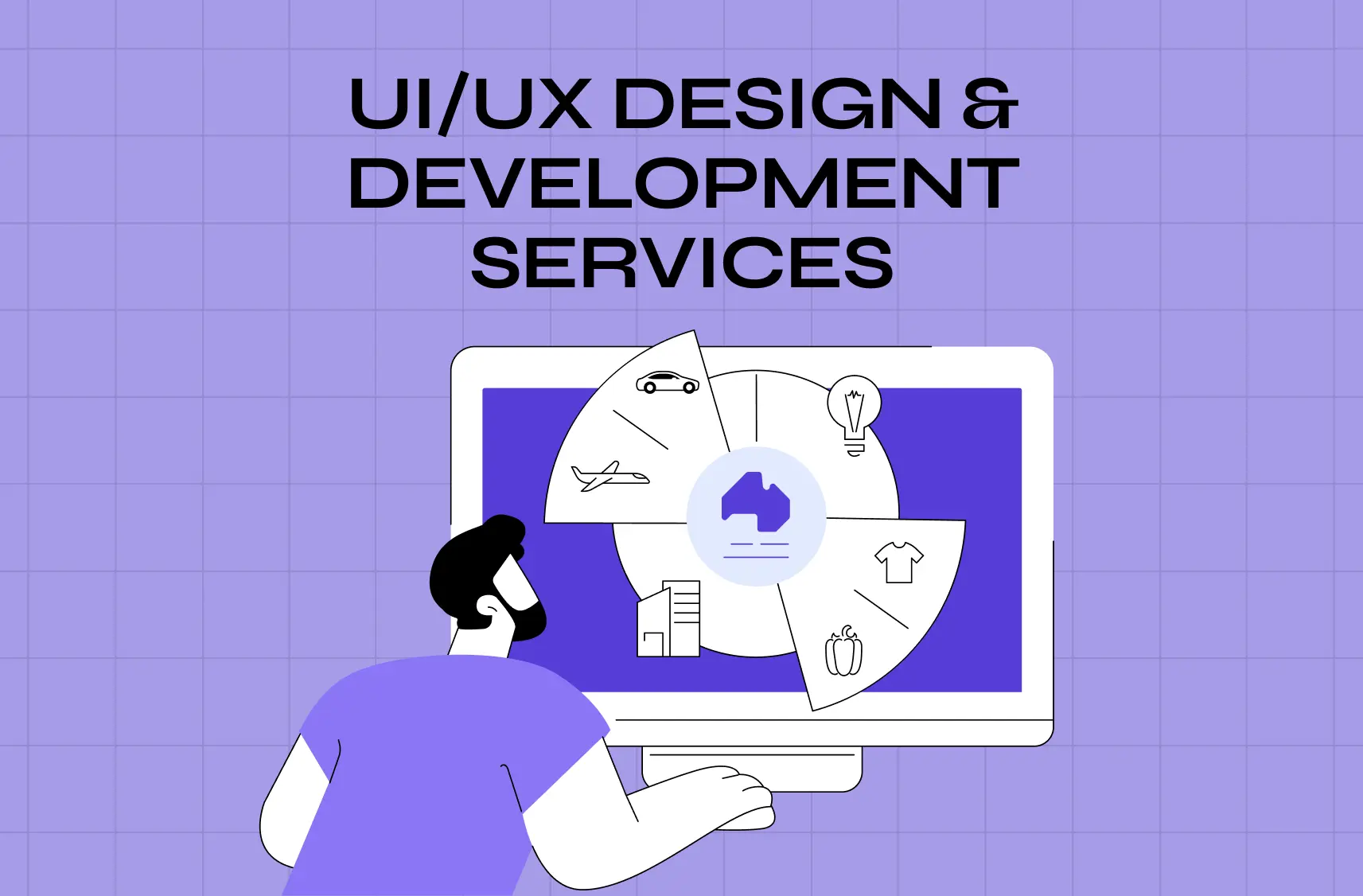
Illustration of a user interacting with a computer interface showing multiple product or industry categories, representing personalized user experiences.

TL;DR

  • Combined vendor (one team for design and build): tighter design-build loop, one accountable partner, faster iteration. Best when your team is small, your timeline is tight, or your product is AI-intensive.

  • Split vendor (separate design shop and dev team): best-of-breed specialists, more flexibility, more negotiating leverage. Best when you have strong internal engineering or PM leadership to own the handoff, or your product is largely deterministic.

  • AI products tip the scale toward combined, because model behavior is non-deterministic. A static design handoff can't capture streaming, confidence, errors, or correction flows the way a tightly coupled design-build loop can.

  • Use the decision matrix below to map your team size, timeline, and AI-intensity to the model that actually fits, not the one that sounds more impressive on paper.

UI/UX design and development services cover the full arc of building a digital product: user research, wireframing, prototyping, visual design, and the front-end and back-end engineering that turns those designs into a working interface.For most teams, the real strategic question isn't whether they need these services. It's whether they should buy design and development from one integrated partner, or split the work across two specialists and manage the seam themselves. That question gets sharper, not simpler, the moment your product involves AI.

When you outsource your AI product, you face a structural decision that shapes everything downstream: do you hire one partner for UI/UX design and development services together, or split it, a specialist design shop plus a separate development team? It sounds like a procurement detail. It isn't. The choice determines how your design and engineering communicate, how fast you can iterate, who's accountable when something breaks, and, for AI products specifically, whether your beautiful prototypes survive contact with how your model actually behaves.

This is a decision-support guide for CTOs and technical founders weighing a combined design+build agency against a split model. We'll make the honest case for each, dig into the factor that matters most for AI products (handoff quality, where prototypes have to reflect real model behavior), and give you a decision matrix based on your team size and timeline. There's no universally right answer, but there is a right answer for your situation, and by the end you'll know which model fits yours.

First: What "Combined vs. Split" Actually Means

Comparison of combined and split vendor models, outlining their structures, core advantages, and the decision rule based on product needs and internal management capacity.

A combined vendor delivers UI/UX design and development services under one roof, as one accountable team. A split model uses a specialist design vendor and a separate development vendor, with you (or a PM) coordinating between them. Both are legitimate, common ways to build a product, and each optimizes for something different:

  • Combined optimizes for integration. Design and engineering run as one loop, with shared context and shared incentives.

  • Split optimizes for specialization. You get the best design team and the best engineering team you can find, evaluated and hired independently.

The entire decision is a trade between those two things, and which matters more depends on your product and your organization. Let's take each case seriously.

Want to know where your users are dropping off?

We’ll break down the exact moments users lose interest, and why.

Want to know where your users are dropping off?

We’ll break down the exact moments users lose interest, and why.

The Case for a Single Combined Vendor
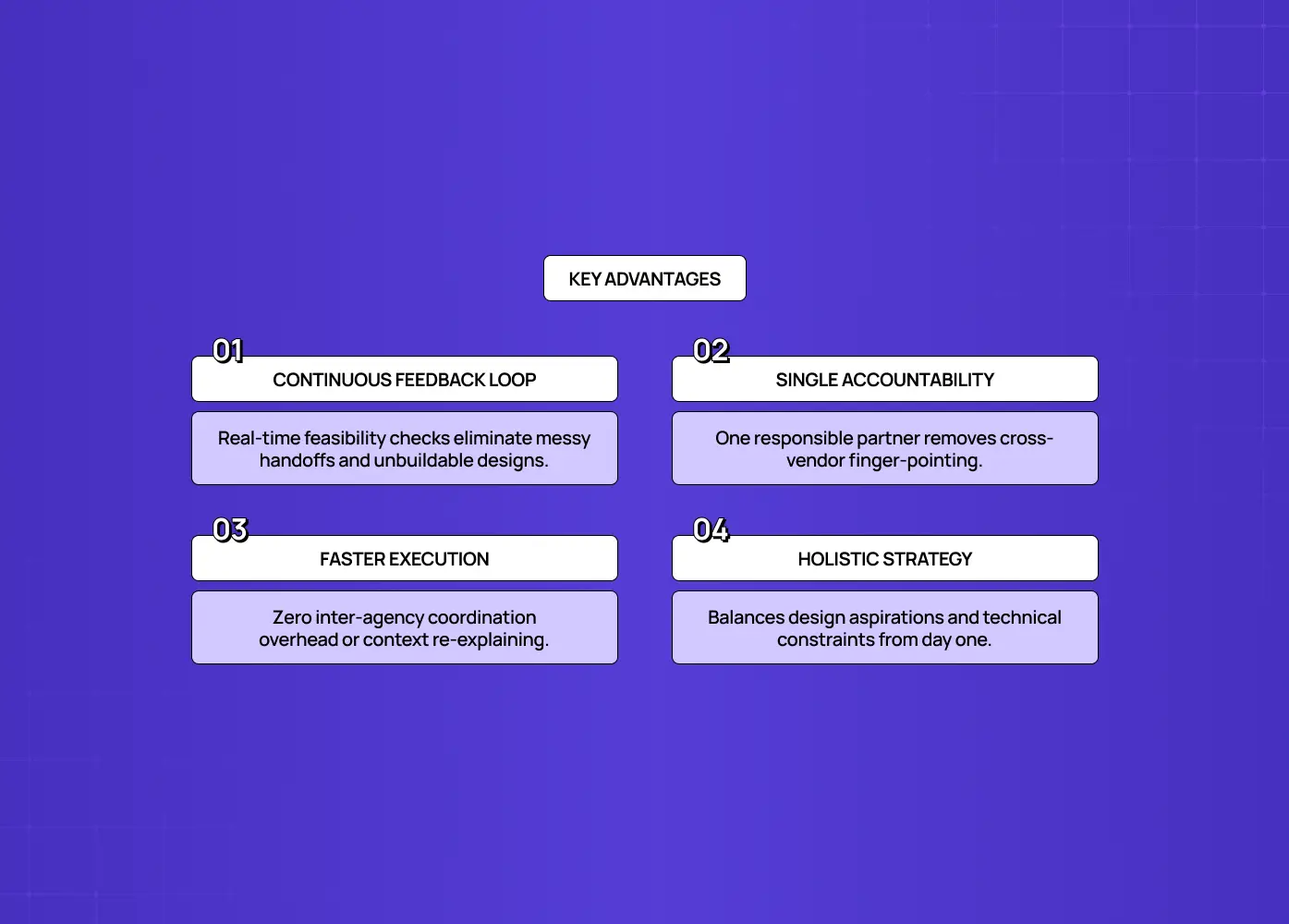
Four key advantages of a combined design-and-development vendor: continuous feedback, single accountability, faster execution, and holistic strategy.

A single combined vendor wins on integration, accountability, and speed, because design and development are the same team, working the same loop, with one throat to choke. The specific advantages:

  • A tight design-build loop. When designers and engineers sit on the same team, design decisions get pressure-tested against feasibility in real time, and a shared component methodology like atomic design keeps those decisions tied directly to buildable code. The handoff isn't a handoff at all. It's a continuous conversation. Fewer things get lost in translation, and fewer designs turn out to be unbuildable.

  • One point of accountability. With one vendor, there's no finger-pointing. If something's wrong, you have a single partner responsible for the whole outcome, design and build together. That clarity is worth a lot when things go sideways.

  • Speed and efficiency. No coordination tax between two companies, no re-explaining context, no waiting on a formal handoff. Combined teams generally move faster and produce fewer costly redesigns, because problems get caught while everyone's still in the room.

  • A holistic view. One partner sees the whole picture (strategy, design, and technical reality) and can make trade-offs across all three, rather than optimizing design and engineering in isolation.

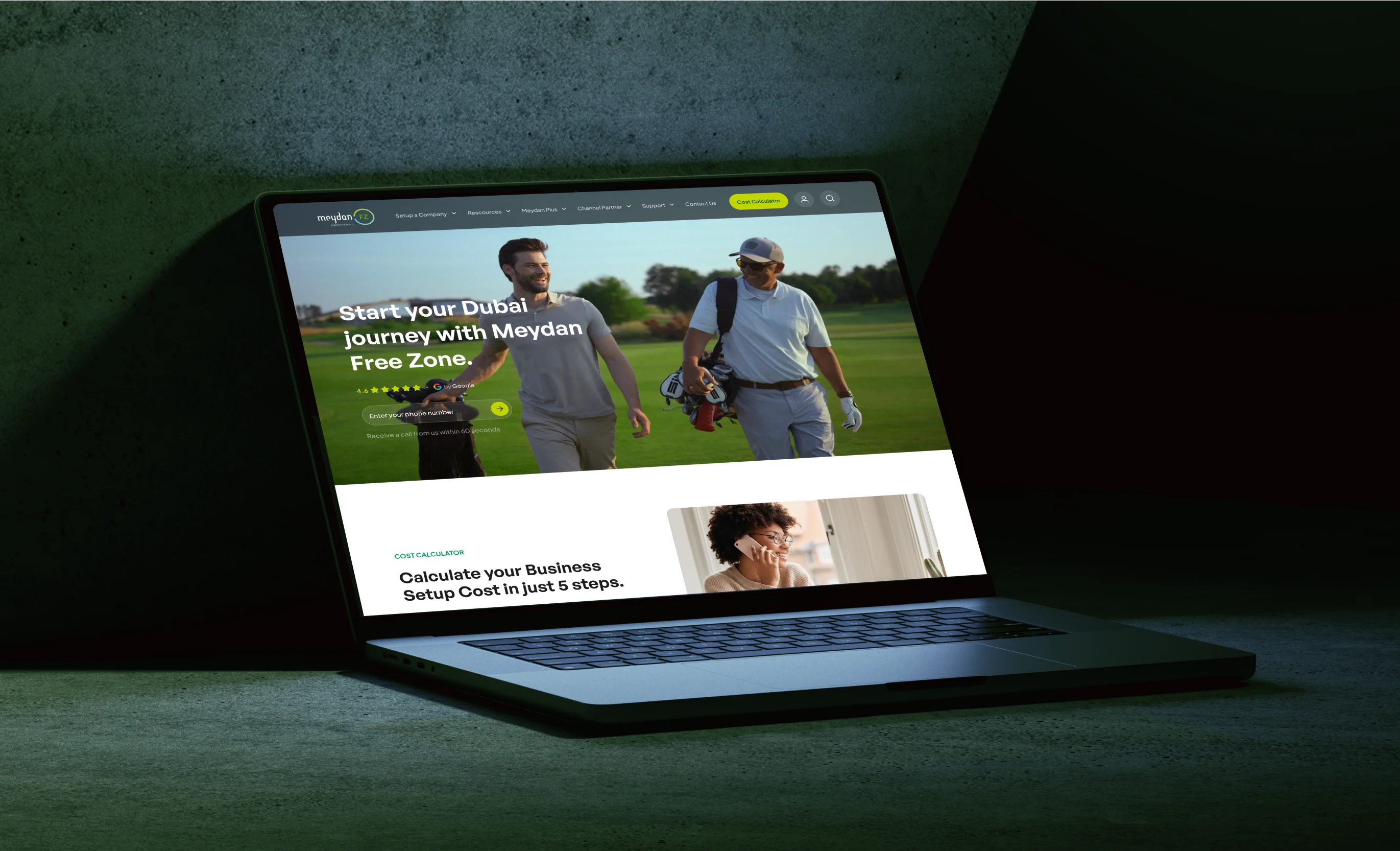
What this looks like in practice: Groto's AI-first UX design work on PathwaysX is a useful reference point. The B2B hiring platform was built from scratch under one roof, with personality-based assessments, an AI-driven matching layer, and the interface designed alongside the engineering rather than handed off to it. The result is an experience where the AI logic and the UI were shaped together from day one, not reconciled after the fact.

The main risks with a combined model: it can be hard to find one agency that's genuinely excellent at both design and engineering (many are strong at one and mediocre at the other), and you're concentrating dependence in a single partner. If they underperform, the whole project is affected. Combined is the integrated, accountable, fast choice, provided the partner is actually good at both halves.

The Case for Splitting Design and Development

Comparison of split-model benefits and risks, covering specialization, flexibility, diverse perspectives, handoff friction, blame-shifting, and additional administration.

Splitting design and development wins on specialization and flexibility. You get best-of-breed talent for each discipline and aren't locked into one partner for everything. The advantages here are real too:

  • Best-of-breed depth. You can hire a world-class design studio and a world-class engineering team, each the best at what they do, rather than compromising on a generalist that's merely good at both. For products where design excellence or engineering complexity is exceptional, that depth can matter.

  • Flexibility and leverage. You're not locked in. If the design is done and you only need ongoing development, you can keep the dev vendor and release the design one, and you can negotiate each independently.

  • Diverse perspectives. Two specialist teams can bring more varied expertise and challenge each other, which sometimes produces better thinking than a single team's house style.

But the costs are equally real, and they cluster at one point: the handoff.

  • Handoff friction. Design gets handed to a dev team that wasn't in the room when the decisions were made, so intent gets lost and edge cases get missed.

  • Coordination and quality-control overhead across two companies that don't share context or incentives.

  • Two contracts to negotiate and manage, instead of one.

  • Blame-shifting risk. When the built product doesn't match the design, the two vendors can point at each other while you own the gap.

  • You become the integrator. The split model makes you (or your PM) the person responsible for stitching design and engineering together. That's a real job, and if you don't have the internal capacity to do it well, the split model's specialization advantage gets eaten by coordination cost.

Which brings us to the factor that tips the scales hardest for AI products.

How Handoff Quality Affects AI Products Specifically

Overview of why traditional design-to-development handoffs struggle with live AI products and the reality gap caused by unpredictable UI states.

For AI products, design/dev handoff quality matters far more than for conventional software, because AI behavior is non-deterministic, and a static design handoff can't capture how the model actually behaves. This is the crux of the decision for an AI product, and it's why the general "it depends" answer leans harder toward combined here.

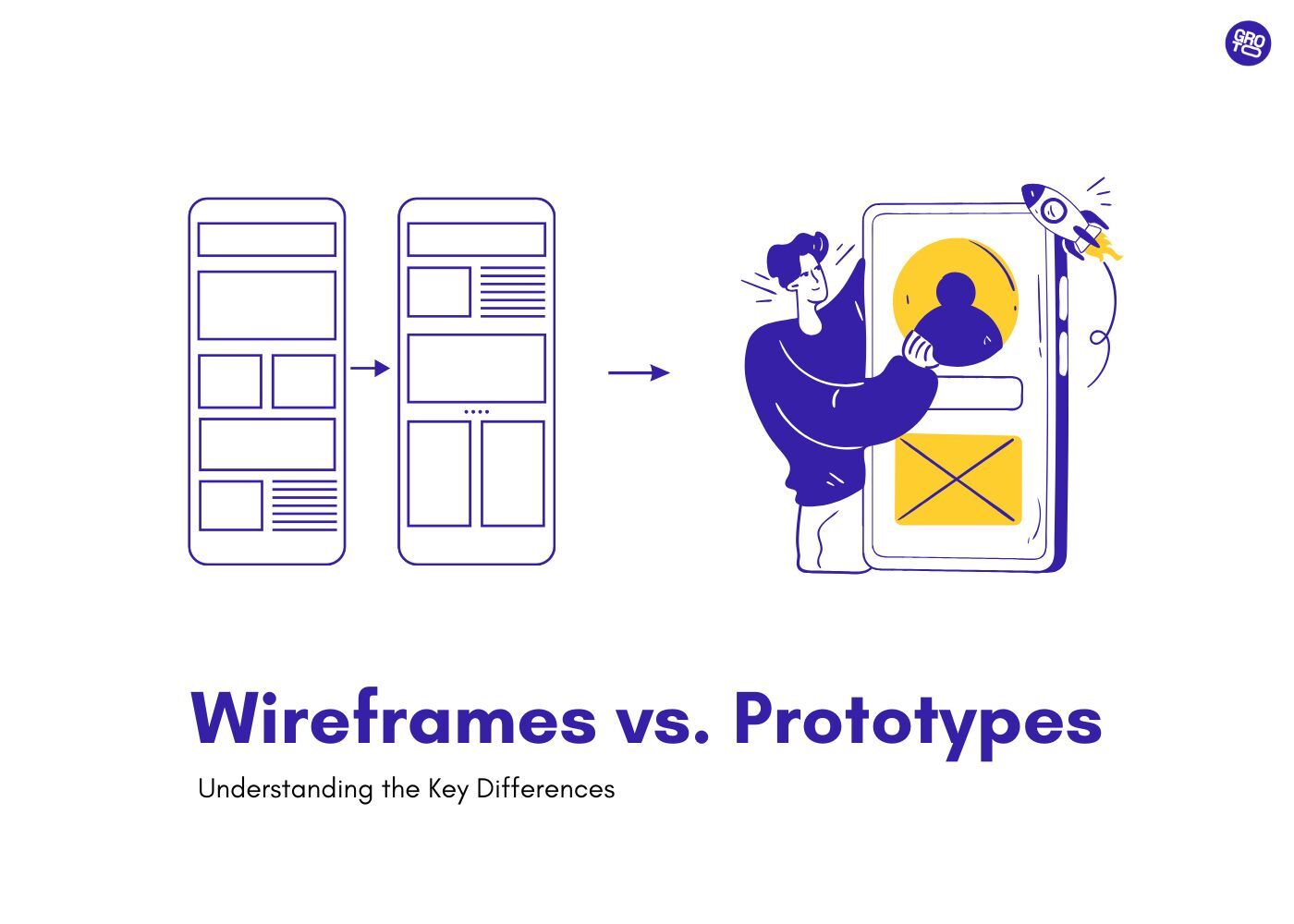
In a conventional product, a designer can hand a developer a Figma file that fully specifies the interface: given this input, show this output. The developer builds exactly that. The handoff can be clean and one-directional because the behavior is deterministic.

AI breaks that assumption. An AI feature's output varies:

  • It streams in over time rather than appearing all at once.

  • It carries uncertainty, and is sometimes simply wrong.

  • It needs correcting, mid-flow or after the fact.

  • In agentic products, it acts across many steps rather than returning a single response.

A designer can draw the happy path, but the confidence states, the streaming behavior, the error and edge cases, the way latency feels, and the correction flow only become real when the design meets the actual model. You cannot fully specify that in a static mockup.

That's exactly where a split model with a formal handoff hurts. The pattern usually looks like this:

  1. The design shop, working from prompts and assumptions, hands off a polished prototype of the happy path.

  2. The separate dev team builds it, wires up the real model, and discovers the behavior doesn't match the design: the streaming looks broken, the confidence isn't communicated, the error states were never designed.

  3. Design and engineering now need to iterate together to reconcile the design with reality, but they're two different companies, on two different contracts, with a handoff wall between them.

The loop AI products depend on (design, build, observe real model behavior, redesign) is exactly the loop a split model with a clean handoff is worst at running.

A combined vendor, or a design partner working hand-in-glove with engineering, can run that loop natively: prototype against real model output, adjust the design as the true behavior emerges, and design the tricky non-deterministic states with full knowledge of what the model actually does. This is why teams building copilots and agentic features often lean on AI-first UX design that's coupled to development, rather than a design deliverable handed off cold. For AI, the prototype has to reflect real model behavior, and that requires design and build to be tightly coupled, not separated by a handoff. This is the single strongest argument for a combined model on an AI product, and it's the one most generic "one vendor vs. two" advice completely misses.

A Decision Matrix by Team Size and Timeline

Decision framework for choosing combined versus split vendors based on timeline, AI intensity, internal leadership, software type, quality expectations, and flexibility.

There's no universal answer. The right model depends on your team's size and internal capacity, your timeline, and how AI-intensive your product is. Use this breakdown to map your situation:

  • Small team, early stage, tight timeline → lean combined. If you're a small team without a strong internal PM or engineering lead to act as integrator, and you need to move fast, a single combined vendor is almost always right. You can't afford to be the coordination layer between two vendors, and the tight design-build loop gets you to a working product faster.

  • AI-intensive product, behavior-heavy UX → lean combined. Regardless of size, if your product's differentiation lives in AI surfaces where the UX must track real model behavior, prioritize the tight design-build loop. The handoff risk of a split model is highest exactly here.

  • Larger team with strong internal engineering or PM leadership → split can work. If you have the internal capacity to own integration, a technical PM or eng lead who can manage two vendors and reconcile design with build, the split model's best-of-breed advantage becomes accessible. You're providing the integration the combined model would otherwise supply.

  • Mostly-conventional product, or design-only need → split is fine. If the product is largely deterministic (standard SaaS screens) or you only need design (with an existing internal dev team, a no-code website design agency, or vice versa), splitting is perfectly reasonable. The handoff risk is low and specialization pays off. This is often the right call for teams focused primarily on SaaS UX design rather than AI-native features.

  • Generous timeline and an exceptional quality bar → split viable. If you have the time to manage two vendors and coordinate the handoff carefully, and you're chasing best-in-class in both disciplines, the split model's depth can be worth the overhead.

The through-line: the more AI-intensive your product and the less internal integration capacity you have, the more a combined model wins. The more conventional your product and the stronger your internal coordination, the more a split model becomes viable. Map your situation against these five points and the answer usually becomes clear.

What to Look For, Whichever Model You Choose
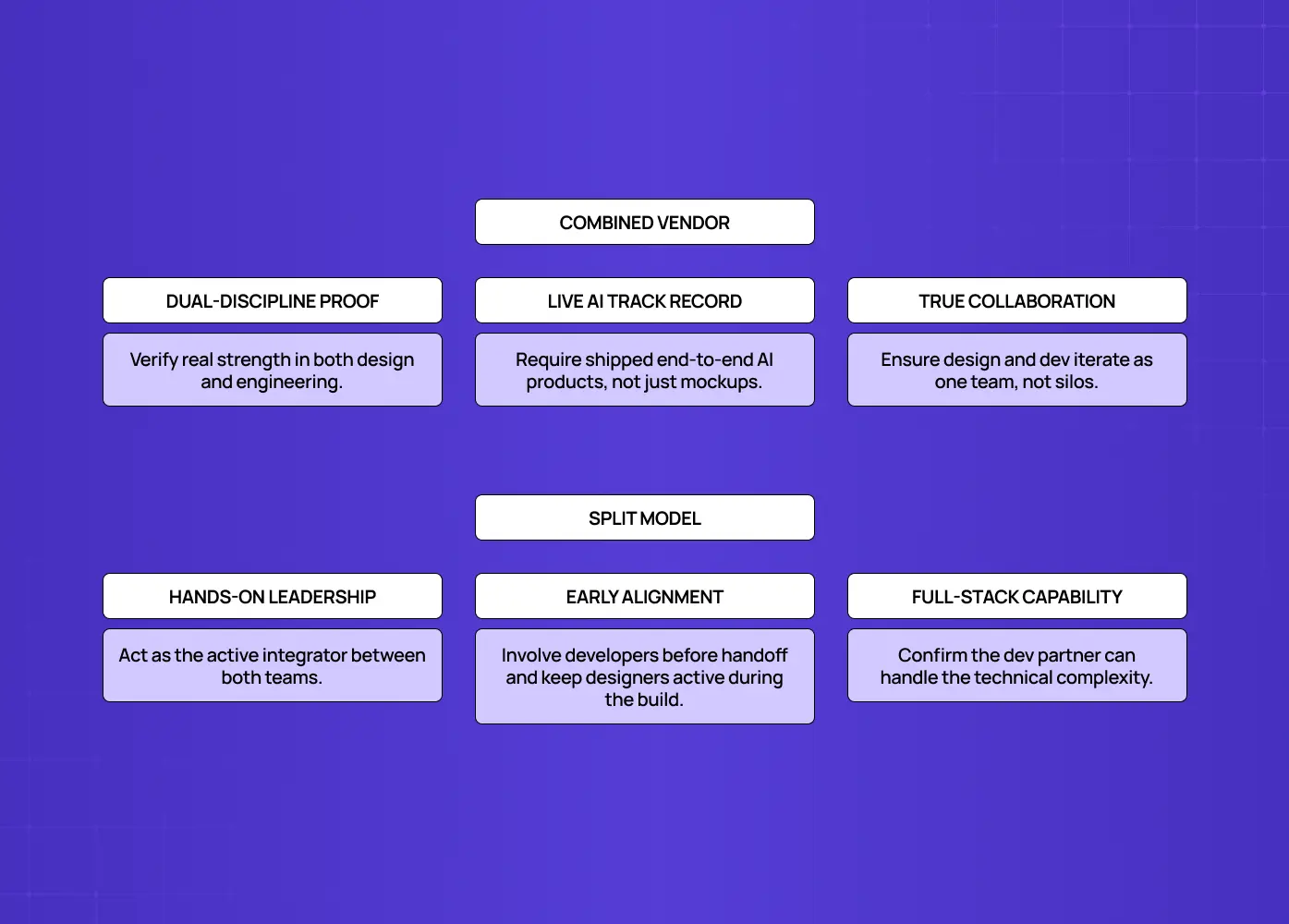
Checklist for evaluating combined and split vendor models, emphasizing dual-discipline capability, live AI track record, collaboration, hands-on leadership, early alignment, and full-stack expertise.

Whether you go combined or split, the same principle protects you: make sure the design-to-build path is genuinely integrated, not just contractually connected.

If you choose a combined vendor for UI UX design and development services:

  • Verify they're actually strong at both design and engineering. Many shops selling end-to-end are excellent at design and thin on engineering, or the reverse.

  • Ask to see AI products they've taken from design through build, not just design-only portfolio pieces.

  • Probe how their designers and engineers work together day to day, and whether a design system specialist is part of how they keep that collaboration consistent. 'We do both' on a homepage isn't proof of a real tight loop. A vendor that also offers dedicated UX strategy work upfront is usually a good sign that design decisions are being made with technical and business context in mind, not in isolation.

If you're only buying UI UX design services and keeping development in-house (or the reverse), the same rule applies: the design vendor and your engineers have to run one loop, not two.

If you choose the full split model with two outside vendors:

  • Get your design and development vendors talking before the handoff, not at it, ideally with engineers reviewing designs as they're made and designers staying involved through the build.

  • Insist on a shared understanding of the AI's real behavior across both teams.

  • Make yourself, or a strong internal lead, the active integrator rather than a passive relay.

  • If the development side spans anything from a marketing site to a full-stack SaaS application development, confirm the dev vendor's range covers it. Teams offering web development from Framer to full-stack tend to flex better across a split engagement than narrowly scoped shops.

Plenty of teams run a split model well by treating the handoff as a collaboration, not a wall. The failure mode isn't splitting per se. It's splitting and then leaving the two vendors to meet only at a document. Whichever UI UX design & development services model you pick, the quality of the design-build connection is what determines whether your AI product ships the way it was designed.

Conclusion

  • Choosing between combined and split UI/UX design and development services isn't about which is universally better. It's about whether you need integration or specialization more, given your product and your team.

  • Combined delivers a tight design-build loop, one accountable partner, and speed.

  • Split delivers best-of-breed depth and flexibility, at the cost of a handoff you have to manage.

  • For AI products, the handoff factor tips the scale: because prototypes have to reflect real, non-deterministic model behavior, the tight design-build loop of a combined model (or a design partner deeply integrated with engineering) is usually worth more than the specialization a split model buys.

  • Use the matrix, be honest about your internal capacity, and pick the model that fits, not the one that sounds impressive.

  • If you're building an AI product and want design and development that run as one tight loop, so your prototypes reflect how your model actually behaves, book a discovery call with Groto. We offer integrated UI/UX design and development services built for AI products, and we're happy to talk honestly about whether a combined or split model fits your situation.

Should your AI product use one combined design and development vendor, or split design and build across two specialists? This guide breaks down the trade-offs, the AI handoff factor, and a decision matrix built around your team size and timeline.

One vendor or two? A decision guide for AI products weighing design and build together.

Illustration of a user interacting with a computer interface showing multiple product or industry categories, representing personalized user experiences.

TL;DR

  • Combined vendor (one team for design and build): tighter design-build loop, one accountable partner, faster iteration. Best when your team is small, your timeline is tight, or your product is AI-intensive.

  • Split vendor (separate design shop and dev team): best-of-breed specialists, more flexibility, more negotiating leverage. Best when you have strong internal engineering or PM leadership to own the handoff, or your product is largely deterministic.

  • AI products tip the scale toward combined, because model behavior is non-deterministic. A static design handoff can't capture streaming, confidence, errors, or correction flows the way a tightly coupled design-build loop can.

  • Use the decision matrix below to map your team size, timeline, and AI-intensity to the model that actually fits, not the one that sounds more impressive on paper.

UI/UX design and development services cover the full arc of building a digital product: user research, wireframing, prototyping, visual design, and the front-end and back-end engineering that turns those designs into a working interface.For most teams, the real strategic question isn't whether they need these services. It's whether they should buy design and development from one integrated partner, or split the work across two specialists and manage the seam themselves. That question gets sharper, not simpler, the moment your product involves AI.

When you outsource your AI product, you face a structural decision that shapes everything downstream: do you hire one partner for UI/UX design and development services together, or split it, a specialist design shop plus a separate development team? It sounds like a procurement detail. It isn't. The choice determines how your design and engineering communicate, how fast you can iterate, who's accountable when something breaks, and, for AI products specifically, whether your beautiful prototypes survive contact with how your model actually behaves.

This is a decision-support guide for CTOs and technical founders weighing a combined design+build agency against a split model. We'll make the honest case for each, dig into the factor that matters most for AI products (handoff quality, where prototypes have to reflect real model behavior), and give you a decision matrix based on your team size and timeline. There's no universally right answer, but there is a right answer for your situation, and by the end you'll know which model fits yours.

First: What "Combined vs. Split" Actually Means

Comparison of combined and split vendor models, outlining their structures, core advantages, and the decision rule based on product needs and internal management capacity.

A combined vendor delivers UI/UX design and development services under one roof, as one accountable team. A split model uses a specialist design vendor and a separate development vendor, with you (or a PM) coordinating between them. Both are legitimate, common ways to build a product, and each optimizes for something different:

  • Combined optimizes for integration. Design and engineering run as one loop, with shared context and shared incentives.

  • Split optimizes for specialization. You get the best design team and the best engineering team you can find, evaluated and hired independently.

The entire decision is a trade between those two things, and which matters more depends on your product and your organization. Let's take each case seriously.

Want to know where your users are dropping off?

We’ll break down the exact moments users lose interest, and why.

The Case for a Single Combined Vendor

Four key advantages of a combined design-and-development vendor: continuous feedback, single accountability, faster execution, and holistic strategy.

A single combined vendor wins on integration, accountability, and speed, because design and development are the same team, working the same loop, with one throat to choke. The specific advantages:

  • A tight design-build loop. When designers and engineers sit on the same team, design decisions get pressure-tested against feasibility in real time, and a shared component methodology like atomic design keeps those decisions tied directly to buildable code. The handoff isn't a handoff at all. It's a continuous conversation. Fewer things get lost in translation, and fewer designs turn out to be unbuildable.

  • One point of accountability. With one vendor, there's no finger-pointing. If something's wrong, you have a single partner responsible for the whole outcome, design and build together. That clarity is worth a lot when things go sideways.

  • Speed and efficiency. No coordination tax between two companies, no re-explaining context, no waiting on a formal handoff. Combined teams generally move faster and produce fewer costly redesigns, because problems get caught while everyone's still in the room.

  • A holistic view. One partner sees the whole picture (strategy, design, and technical reality) and can make trade-offs across all three, rather than optimizing design and engineering in isolation.

What this looks like in practice: Groto's AI-first UX design work on PathwaysX is a useful reference point. The B2B hiring platform was built from scratch under one roof, with personality-based assessments, an AI-driven matching layer, and the interface designed alongside the engineering rather than handed off to it. The result is an experience where the AI logic and the UI were shaped together from day one, not reconciled after the fact.

The main risks with a combined model: it can be hard to find one agency that's genuinely excellent at both design and engineering (many are strong at one and mediocre at the other), and you're concentrating dependence in a single partner. If they underperform, the whole project is affected. Combined is the integrated, accountable, fast choice, provided the partner is actually good at both halves.

The Case for Splitting Design and Development

Comparison of split-model benefits and risks, covering specialization, flexibility, diverse perspectives, handoff friction, blame-shifting, and additional administration.

Splitting design and development wins on specialization and flexibility. You get best-of-breed talent for each discipline and aren't locked into one partner for everything. The advantages here are real too:

  • Best-of-breed depth. You can hire a world-class design studio and a world-class engineering team, each the best at what they do, rather than compromising on a generalist that's merely good at both. For products where design excellence or engineering complexity is exceptional, that depth can matter.

  • Flexibility and leverage. You're not locked in. If the design is done and you only need ongoing development, you can keep the dev vendor and release the design one, and you can negotiate each independently.

  • Diverse perspectives. Two specialist teams can bring more varied expertise and challenge each other, which sometimes produces better thinking than a single team's house style.

But the costs are equally real, and they cluster at one point: the handoff.

  • Handoff friction. Design gets handed to a dev team that wasn't in the room when the decisions were made, so intent gets lost and edge cases get missed.

  • Coordination and quality-control overhead across two companies that don't share context or incentives.

  • Two contracts to negotiate and manage, instead of one.

  • Blame-shifting risk. When the built product doesn't match the design, the two vendors can point at each other while you own the gap.

  • You become the integrator. The split model makes you (or your PM) the person responsible for stitching design and engineering together. That's a real job, and if you don't have the internal capacity to do it well, the split model's specialization advantage gets eaten by coordination cost.

Which brings us to the factor that tips the scales hardest for AI products.

How Handoff Quality Affects AI Products Specifically

Overview of why traditional design-to-development handoffs struggle with live AI products and the reality gap caused by unpredictable UI states.

For AI products, design/dev handoff quality matters far more than for conventional software, because AI behavior is non-deterministic, and a static design handoff can't capture how the model actually behaves. This is the crux of the decision for an AI product, and it's why the general "it depends" answer leans harder toward combined here.

In a conventional product, a designer can hand a developer a Figma file that fully specifies the interface: given this input, show this output. The developer builds exactly that. The handoff can be clean and one-directional because the behavior is deterministic.

AI breaks that assumption. An AI feature's output varies:

  • It streams in over time rather than appearing all at once.

  • It carries uncertainty, and is sometimes simply wrong.

  • It needs correcting, mid-flow or after the fact.

  • In agentic products, it acts across many steps rather than returning a single response.

A designer can draw the happy path, but the confidence states, the streaming behavior, the error and edge cases, the way latency feels, and the correction flow only become real when the design meets the actual model. You cannot fully specify that in a static mockup.

That's exactly where a split model with a formal handoff hurts. The pattern usually looks like this:

  1. The design shop, working from prompts and assumptions, hands off a polished prototype of the happy path.

  2. The separate dev team builds it, wires up the real model, and discovers the behavior doesn't match the design: the streaming looks broken, the confidence isn't communicated, the error states were never designed.

  3. Design and engineering now need to iterate together to reconcile the design with reality, but they're two different companies, on two different contracts, with a handoff wall between them.

The loop AI products depend on (design, build, observe real model behavior, redesign) is exactly the loop a split model with a clean handoff is worst at running.

A combined vendor, or a design partner working hand-in-glove with engineering, can run that loop natively: prototype against real model output, adjust the design as the true behavior emerges, and design the tricky non-deterministic states with full knowledge of what the model actually does. This is why teams building copilots and agentic features often lean on AI-first UX design that's coupled to development, rather than a design deliverable handed off cold. For AI, the prototype has to reflect real model behavior, and that requires design and build to be tightly coupled, not separated by a handoff. This is the single strongest argument for a combined model on an AI product, and it's the one most generic "one vendor vs. two" advice completely misses.

A Decision Matrix by Team Size and Timeline

Decision framework for choosing combined versus split vendors based on timeline, AI intensity, internal leadership, software type, quality expectations, and flexibility.

There's no universal answer. The right model depends on your team's size and internal capacity, your timeline, and how AI-intensive your product is. Use this breakdown to map your situation:

  • Small team, early stage, tight timeline → lean combined. If you're a small team without a strong internal PM or engineering lead to act as integrator, and you need to move fast, a single combined vendor is almost always right. You can't afford to be the coordination layer between two vendors, and the tight design-build loop gets you to a working product faster.

  • AI-intensive product, behavior-heavy UX → lean combined. Regardless of size, if your product's differentiation lives in AI surfaces where the UX must track real model behavior, prioritize the tight design-build loop. The handoff risk of a split model is highest exactly here.

  • Larger team with strong internal engineering or PM leadership → split can work. If you have the internal capacity to own integration, a technical PM or eng lead who can manage two vendors and reconcile design with build, the split model's best-of-breed advantage becomes accessible. You're providing the integration the combined model would otherwise supply.

  • Mostly-conventional product, or design-only need → split is fine. If the product is largely deterministic (standard SaaS screens) or you only need design (with an existing internal dev team, a no-code website design agency, or vice versa), splitting is perfectly reasonable. The handoff risk is low and specialization pays off. This is often the right call for teams focused primarily on SaaS UX design rather than AI-native features.

  • Generous timeline and an exceptional quality bar → split viable. If you have the time to manage two vendors and coordinate the handoff carefully, and you're chasing best-in-class in both disciplines, the split model's depth can be worth the overhead.

The through-line: the more AI-intensive your product and the less internal integration capacity you have, the more a combined model wins. The more conventional your product and the stronger your internal coordination, the more a split model becomes viable. Map your situation against these five points and the answer usually becomes clear.

What to Look For, Whichever Model You Choose

Checklist for evaluating combined and split vendor models, emphasizing dual-discipline capability, live AI track record, collaboration, hands-on leadership, early alignment, and full-stack expertise.

Whether you go combined or split, the same principle protects you: make sure the design-to-build path is genuinely integrated, not just contractually connected.

If you choose a combined vendor for UI UX design and development services:

  • Verify they're actually strong at both design and engineering. Many shops selling end-to-end are excellent at design and thin on engineering, or the reverse.

  • Ask to see AI products they've taken from design through build, not just design-only portfolio pieces.

  • Probe how their designers and engineers work together day to day, and whether a design system specialist is part of how they keep that collaboration consistent. 'We do both' on a homepage isn't proof of a real tight loop. A vendor that also offers dedicated UX strategy work upfront is usually a good sign that design decisions are being made with technical and business context in mind, not in isolation.

If you're only buying UI UX design services and keeping development in-house (or the reverse), the same rule applies: the design vendor and your engineers have to run one loop, not two.

If you choose the full split model with two outside vendors:

  • Get your design and development vendors talking before the handoff, not at it, ideally with engineers reviewing designs as they're made and designers staying involved through the build.

  • Insist on a shared understanding of the AI's real behavior across both teams.

  • Make yourself, or a strong internal lead, the active integrator rather than a passive relay.

  • If the development side spans anything from a marketing site to a full-stack SaaS application development, confirm the dev vendor's range covers it. Teams offering web development from Framer to full-stack tend to flex better across a split engagement than narrowly scoped shops.

Plenty of teams run a split model well by treating the handoff as a collaboration, not a wall. The failure mode isn't splitting per se. It's splitting and then leaving the two vendors to meet only at a document. Whichever UI UX design & development services model you pick, the quality of the design-build connection is what determines whether your AI product ships the way it was designed.

Conclusion

  • Choosing between combined and split UI/UX design and development services isn't about which is universally better. It's about whether you need integration or specialization more, given your product and your team.

  • Combined delivers a tight design-build loop, one accountable partner, and speed.

  • Split delivers best-of-breed depth and flexibility, at the cost of a handoff you have to manage.

  • For AI products, the handoff factor tips the scale: because prototypes have to reflect real, non-deterministic model behavior, the tight design-build loop of a combined model (or a design partner deeply integrated with engineering) is usually worth more than the specialization a split model buys.

  • Use the matrix, be honest about your internal capacity, and pick the model that fits, not the one that sounds impressive.

  • If you're building an AI product and want design and development that run as one tight loop, so your prototypes reflect how your model actually behaves, book a discovery call with Groto. We offer integrated UI/UX design and development services built for AI products, and we're happy to talk honestly about whether a combined or split model fits your situation.

Have a project in mind?

Let’s talk through your idea and see what makes sense.

Harpreet Singh

Founder at Groto

Have a project in mind?

Let’s talk through your idea and see what makes sense.

Harpreet Singh

Founder at Groto

FAQ

Everything you were going to ask (and a few things you didn’t know to)

Should I use one vendor or two for UI/UX design and development services?

It depends on whether you need integration or specialization more. A single combined vendor gives you a tight design-build loop, one accountable partner, and speed. A split model gives you best-of-breed specialists and flexibility, but adds handoff and coordination overhead you have to manage. For AI products and smaller teams, combined usually wins. For conventional products with strong internal coordination, split can work well.

Does a combined UI/UX design and development services vendor cost more than hiring separately?

Not necessarily. A combined vendor consolidates design and build under one contract and one team, which often reduces the hidden costs of coordination, rework, and redesigns caused by a mismatched handoff. A split model can look cheaper on paper (two competitive quotes) but frequently loses that advantage once you factor in your own time spent integrating the two vendors, plus any rebuild work when the built product doesn't match the design. For a sense of scale, see how much it typically costs to redesign a website once a mismatch like that has to be fixed after the fact.
Can I switch from a split model to a combined vendor partway through a project?

Yes, and it's more common than teams expect, especially once a split engagement hits a rough handoff. The transition works best when you bring the combined vendor in with full access to existing design files, research, and any technical documentation from the development side, so they're not starting from zero. Expect a short ramp-up period as the new team absorbs context the original two vendors held separately.

What contract safeguards reduce handoff risk if I choose a split vendor model?

Build shared milestones into both contracts rather than treating design sign-off and development kickoff as separate events. Require the development vendor to review designs before final sign-off, not after. Where possible, keep both vendors in the same working sessions during the handoff window, rather than relying on a document to carry the intent. Define who owns fixing mismatches between design and build before the project starts, not after one shows up.

How long does a combined engagement typically take compared to a split model?

A combined vendor generally moves faster through the design-to-build cycle because there's no formal handoff to schedule around and no re-explaining context between companies. A split model can match that pace if the two vendors are genuinely collaborating throughout, but it more often adds time at the handoff point, when the development team encounters gaps the design didn't anticipate and both sides need to reconcile.

What should I ask a UI/UX design and development services vendor about their AI handoff process during evaluation?

Ask how they design for states a static mockup can't fully capture, like streaming responses, low-confidence outputs, and error recovery. Ask whether their designers stay involved once the model is wired in, or whether their job ends at handoff. Ask for a specific example of a design that changed after they saw how the real model behaved, not just how the happy path was planned.

Should I use one vendor or two for UI/UX design and development services?

It depends on whether you need integration or specialization more. A single combined vendor gives you a tight design-build loop, one accountable partner, and speed. A split model gives you best-of-breed specialists and flexibility, but adds handoff and coordination overhead you have to manage. For AI products and smaller teams, combined usually wins. For conventional products with strong internal coordination, split can work well.

Does a combined UI/UX design and development services vendor cost more than hiring separately?

Not necessarily. A combined vendor consolidates design and build under one contract and one team, which often reduces the hidden costs of coordination, rework, and redesigns caused by a mismatched handoff. A split model can look cheaper on paper (two competitive quotes) but frequently loses that advantage once you factor in your own time spent integrating the two vendors, plus any rebuild work when the built product doesn't match the design. For a sense of scale, see how much it typically costs to redesign a website once a mismatch like that has to be fixed after the fact.

Can I switch from a split model to a combined vendor partway through a project?

Yes, and it's more common than teams expect, especially once a split engagement hits a rough handoff. The transition works best when you bring the combined vendor in with full access to existing design files, research, and any technical documentation from the development side, so they're not starting from zero. Expect a short ramp-up period as the new team absorbs context the original two vendors held separately.

What contract safeguards reduce handoff risk if I choose a split vendor model?

Build shared milestones into both contracts rather than treating design sign-off and development kickoff as separate events. Require the development vendor to review designs before final sign-off, not after. Where possible, keep both vendors in the same working sessions during the handoff window, rather than relying on a document to carry the intent. Define who owns fixing mismatches between design and build before the project starts, not after one shows up.

How long does a combined engagement typically take compared to a split model?

A combined vendor generally moves faster through the design-to-build cycle because there's no formal handoff to schedule around and no re-explaining context between companies. A split model can match that pace if the two vendors are genuinely collaborating throughout, but it more often adds time at the handoff point, when the development team encounters gaps the design didn't anticipate and both sides need to reconcile.

What should I ask a UI/UX design and development services vendor about their AI handoff process during evaluation?

Ask how they design for states a static mockup can't fully capture, like streaming responses, low-confidence outputs, and error recovery. Ask whether their designers stay involved once the model is wired in, or whether their job ends at handoff. Ask for a specific example of a design that changed after they saw how the real model behaved, not just how the happy path was planned.

More Articles

Extreme close-up black and white photograph of a human eye

Let’s bring your vision to life

Tell us what's on your mind? We'll hit you back in 24 hours. No fluff, no delays - just a solid vision to bring your idea to life.

Profile portrait of a man in a white shirt against a light background

Harpreet Singh

Founder and Creative Director

Get in Touch

Extreme close-up black and white photograph of a human eye

Let’s bring your vision to life

Tell us what's on your mind? We'll hit you back in 24 hours. No fluff, no delays - just a solid vision to bring your idea to life.

Profile portrait of a man in a white shirt against a light background

Harpreet Singh

Founder and Creative Director

Get in Touch

Extreme close-up black and white photograph of a human eye

Let’s bring your vision to life

Tell us what's on your mind? We'll hit you back in 24 hours. No fluff, no delays - just a solid vision to bring your idea to life.

Profile portrait of a man in a white shirt against a light background

Harpreet Singh

Founder and Creative Director

Get in Touch