Most businesses choose UI/UX agencies based on visuals. The smart ones evaluate portfolios based on business outcomes, system thinking, and growth alignment. This guide shows you how to review UI/UX portfolio examples the way experienced product leaders do.
A portfolio can impress you. It can also mislead you.

The Hidden Cost of Choosing the Wrong UI/UX Agency
Hiring the wrong agency rarely looks like a disaster at first.
It looks like:
A beautiful redesign that doesn’t improve activation
A polished dashboard that users still don’t understand
A new onboarding flow that doesn’t move trial-to-paid
Engineering teams rebuilding UI components after launch
The invoice isn’t the biggest cost.
The real cost is:
4–6 months of misaligned execution
Delayed product velocity
Retention leakage that never gets traced back to UX
A second redesign within 12–18 months
This is why evaluating UI UX portfolio examples is not a creative exercise.
It’s a risk decision.
This is exactly why many founders revisit their entire UI/UX strategy framework before committing to a long-term design partner.
Why Most Portfolio Reviews Fail
Most teams evaluate agencies like this:
Does it look modern?
Are the visuals clean?
Do we like the style?
That approach optimizes for aesthetics, not outcomes — a lens that suits choosing logo design companies, but quietly misleads you when the goal is product performance.
If you are choosing between agencies, your real question is:
Can this team diagnose product friction and design for measurable business impact?
A good UI UX agency portfolio guide should help you answer that.
If you’re unsure how deep UX strategy should go beyond visuals, this breakdown of UX design vs product design explains the difference clearly.
How to Evaluate UI/UX Portfolio Examples the Right Way
Below is a structured framework for evaluating portfolios from a business lens.
1. Do They Show the Problem Before the Solution?
Strong portfolios do not begin with mockups.
They begin with:
The business context
The user friction
The performance gap
If a case study jumps straight into visuals without explaining what was broken, assume the agency optimized surface design, not conversion logic.
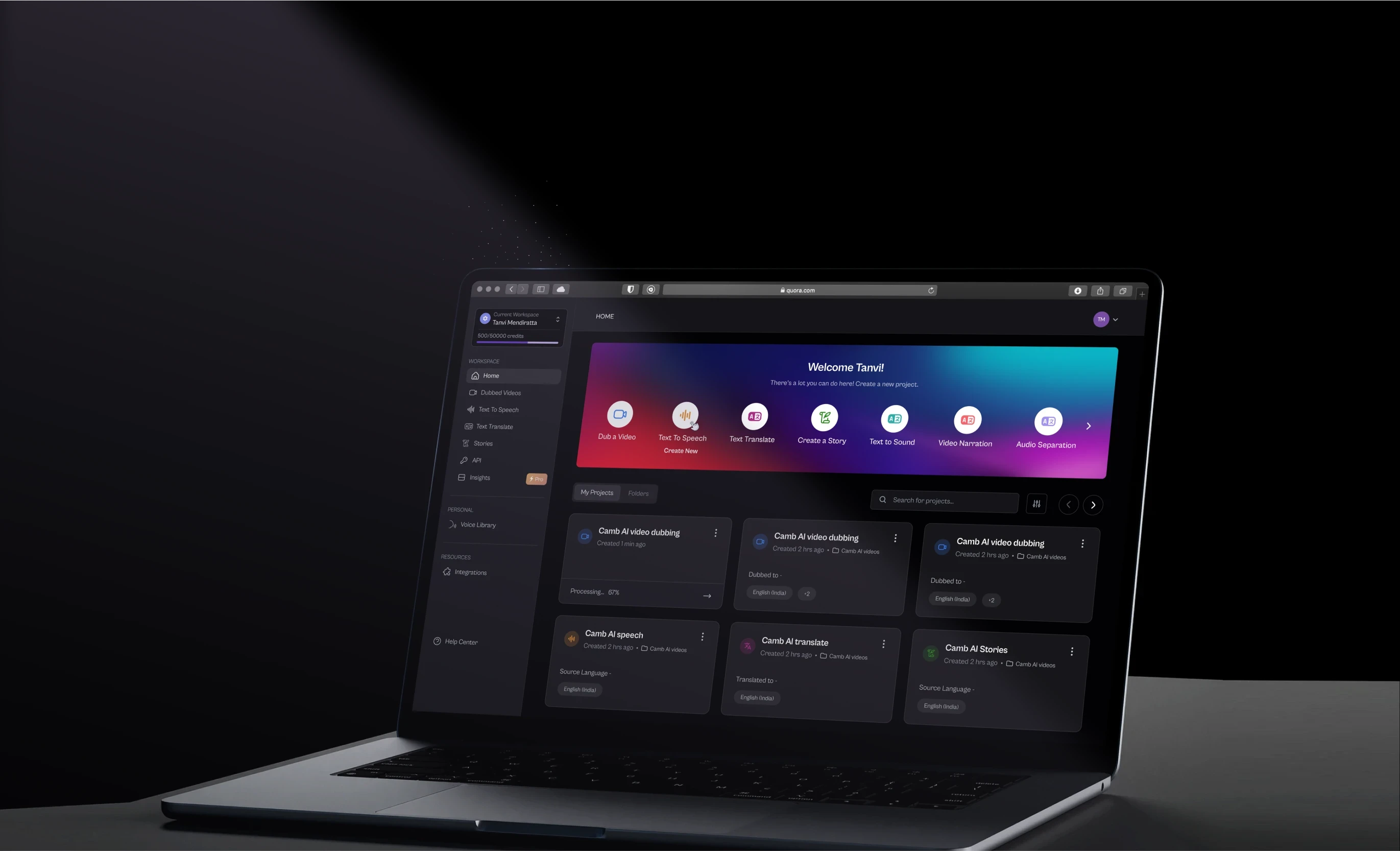
For example, when we redesigned an AI-powered PR platform, the problem wasn’t visual polish - it was confusion about how the product felt to users. Early work had wireframes and UX foundations, but the interface didn’t make the AI feel supportive or intuitive. We started by understanding how PR teams actually work, mapping everyday friction points in editorial workflows, and validating flows before moving into high-fidelity design. By sequencing problem framing before UI detail, we ensured the final experience felt like a true teammate - not just another complex dashboard — the AI-product fluency that increasingly separates an AI product agency from a traditional one.
What makes a good UX portfolio is clarity around:
What was not working
Why users struggled
What metric or behavior needed improvement
If that context is missing, you're looking at decoration, not strategy. The same clarity is what separates a portfolio worth building from a gallery of screens.
2. Do They Show Decision Thinking, Not Just Screens?
Professional UI UX portfolio tips rarely mention this, but it’s critical.
Look for:
Why certain flows were simplified
Why components were reorganized
Why hierarchy changed
Why navigation was restructured
Agencies that partner with user research agencies ground these decisions in behavioral data rather than designer instinct.
If every project looks visually different but follows no visible logic, there may be no strategic framework behind it.
Strong agencies reveal their reasoning.
Weak portfolios hide behind aesthetics.
3. Do They Understand Systems or Only Pages?
One of the biggest long-term risks in hiring a UI UX agency is system immaturity.
Without system thinking:
Features ship slower over time
UI patterns become inconsistent
Engineers rebuild instead of reuse
UX debt accumulates quietly
When evaluating UI UX portfolios for business evaluation, ask:
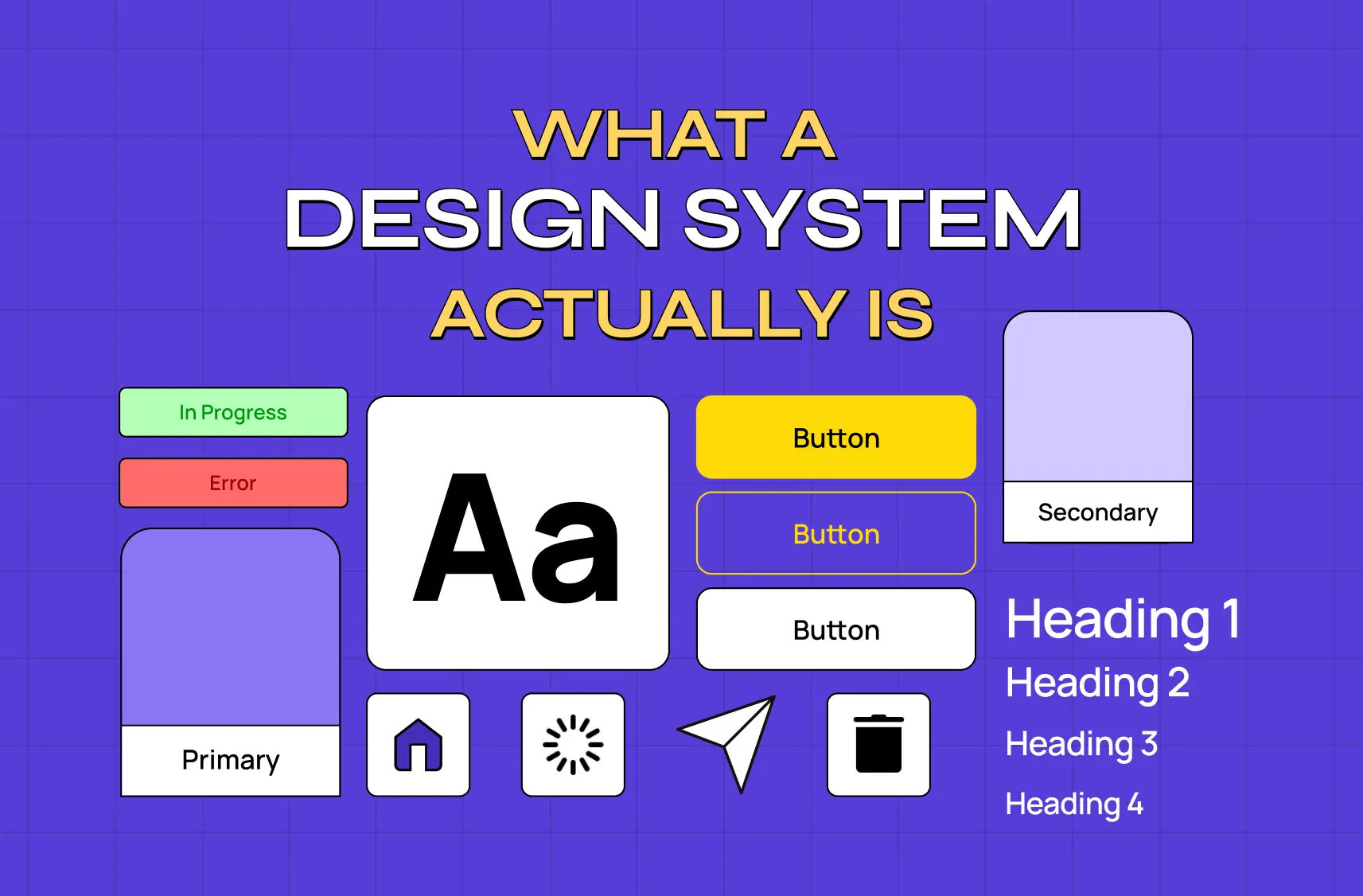
Do they show component systems?
Do they discuss scalability?
Do they reference design systems or reusable logic?
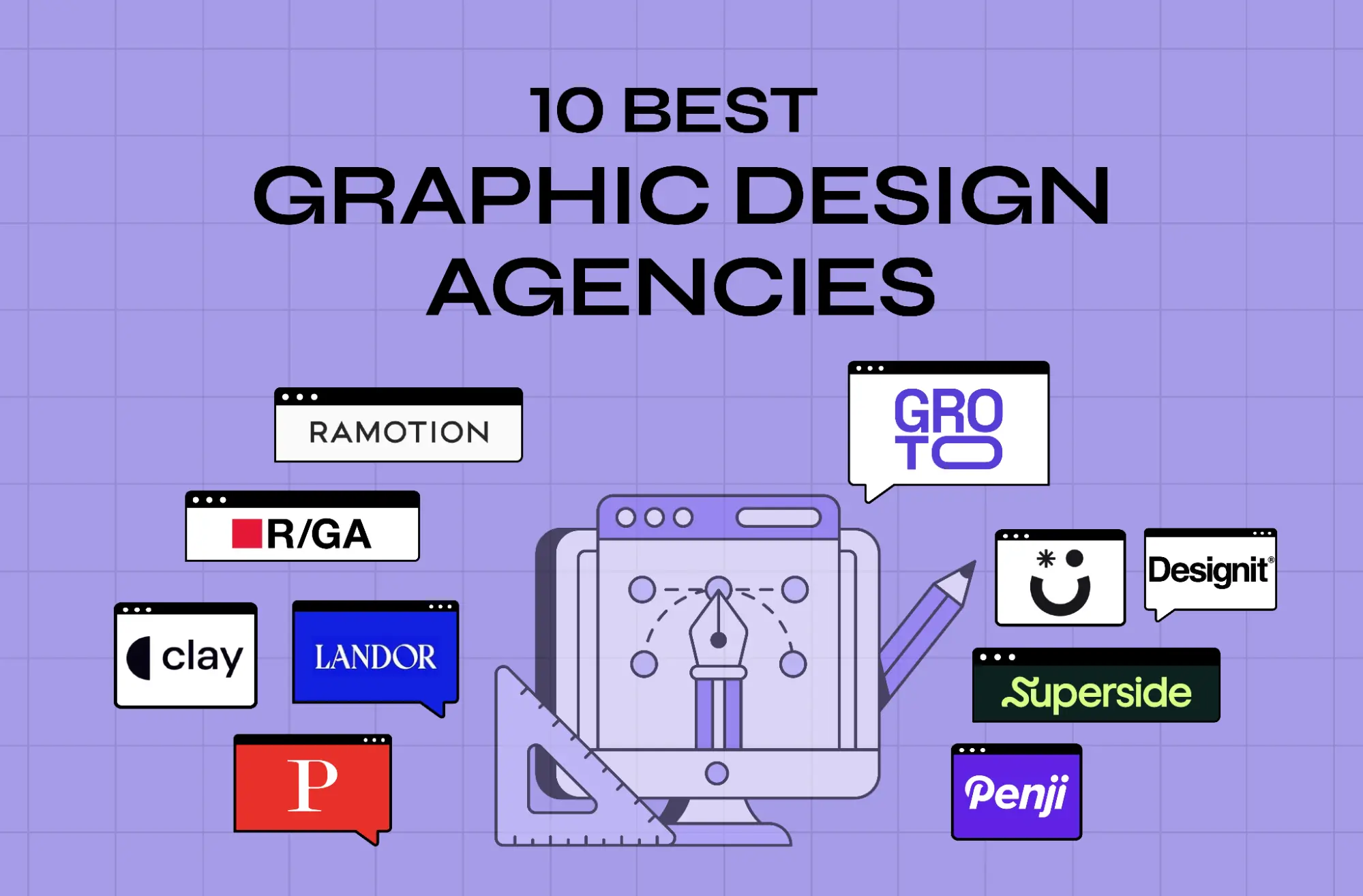
If subscription design is on the table, how do they compare against Superside design competitors on system depth and scalability?
If not, you may be buying a short-term redesign instead of long-term product infrastructure.
4. Do Their Case Studies Show Business Relevance?
Not all portfolios are relevant to your context - screening a market shortlist like US UX firms helps you start with teams that have handled work like yours.
If you're vetting SaaS product agencies for a B2B, fintech, or AI build, ask:
Have they handled complexity?
Have they simplified data-heavy interfaces?
Have they designed admin dashboards or onboarding loops, the bread and butter of an app-first agency?
For large-scale B2B products, shortlisting enterprise UX design agencies with proven complexity experience narrows the field faster than a general portfolio review.
The best UI UX portfolio for clients is not the one with the flashiest visuals. It's the one that demonstrates solving problems similar to yours — and India UX agencies increasingly show deep SaaS and fintech case studies that rival those of US-based firms at a fraction of the cost.
5. Do They Show Before and After Thinking?
Strong portfolio review for UI UX agencies should reveal contrast.
Look for:
What changed structurally
What improved in clarity
How navigation evolved
How flows became shorter or simpler
Note that this before-and-after lens doesn't apply the same way to pure visual identity studios, whose work is judged on brand craft and aesthetic consistency rather than structural product change.
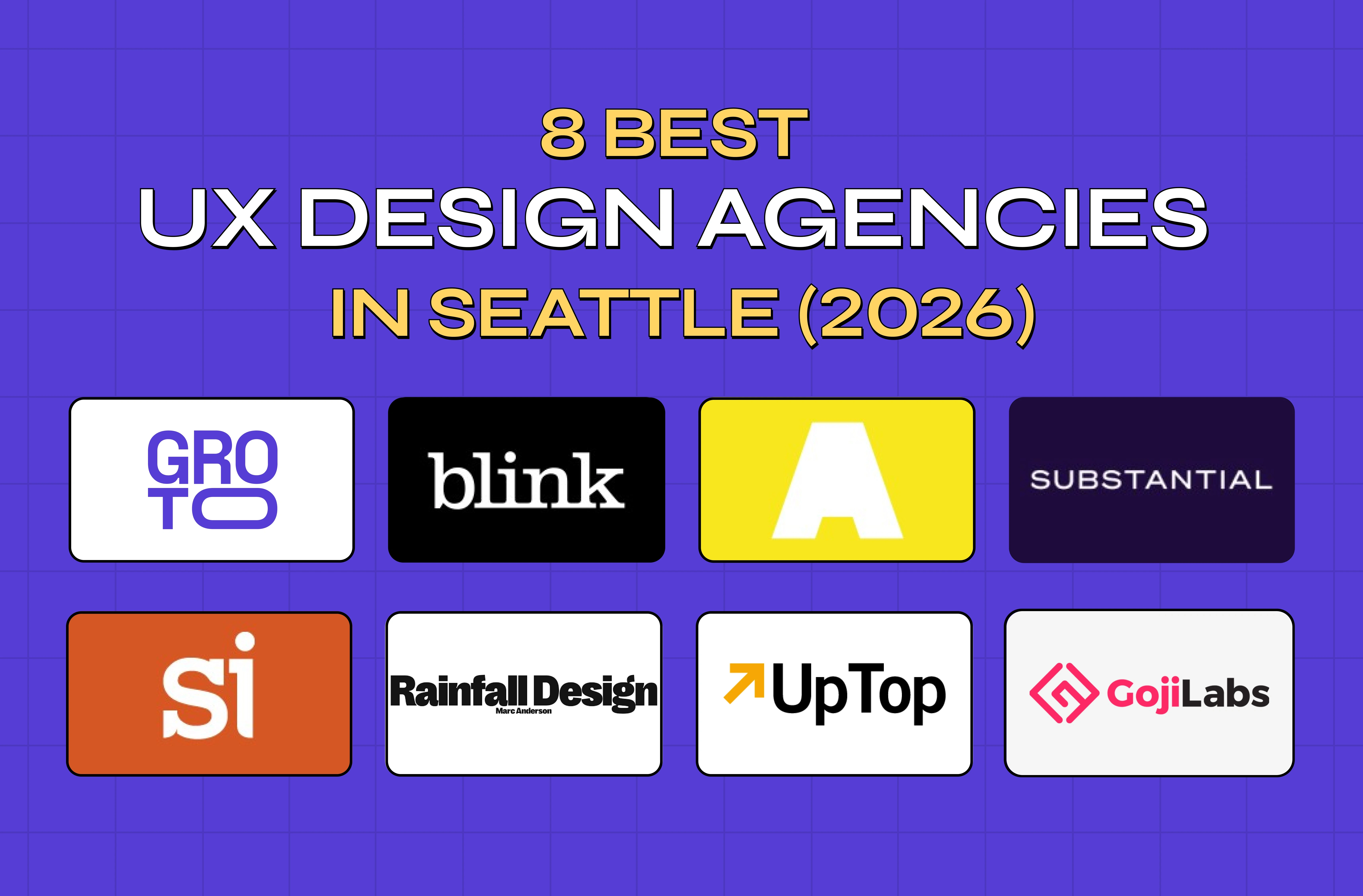
If you cannot identify a meaningful "before vs after" transformation, the redesign may have been cosmetic. Cosmetic redesigns rarely move revenue. For West Coast teams building a shortlist, Seattle UX agencies increasingly show strong before-and-after case studies with enterprise SaaS depth — worth evaluating alongside Bay Area options before committing to a partner.
6. Do They Reveal How They Measure Success?
Even if metrics are anonymized, the agency should explain:
What success looked like
What user behavior improved
What business friction was reduced
This measurement discipline is less common in no-code design firms, where speed of delivery often takes priority over outcome tracking.
If a portfolio never mentions activation, retention, conversion, time-to-value, or velocity, that is a red flag.
Design without measurement is guesswork — and in regulated, high-stakes product categories, fintech UX design agencies set the benchmark for outcome-tied design accountability that other verticals are still catching up to.
Quick Evaluation Checklist
Use this as a rapid screening tool.
Question | Yes / No |
Do they explain the original user or business problem? | |
Do they show structural thinking, not just visuals? | |
Do they demonstrate system-level design? | |
Do they align design decisions with business outcomes? | |
Do they show relevance to your product type? |
If two or more of these feel unclear, a deeper evaluation is likely overdue.
Agency vs In-House: What Portfolios Don’t Tell You
Another factor often overlooked when hiring a UI UX agency is whether the skills you need are strategic or executional.
In-house designers are powerful for long-term product evolution, continuous iteration, and embedded team collaboration — but knowing which capability gap you're filling is what determines whether that's the right call before you sign with anyone. For earlier-stage teams still mapping that gap, evaluating UX agency fit for startups clarifies what to look for before the portfolio review even begins.
Agencies are powerful for:
UX architecture redesign
Conversion-critical flows
System creation
High-stakes launches — including the compliance-heavy public-sector work where a Washington DC design partner often has the edge
For mobile-first SaaS products, evaluating a mobile UX portfolio alongside general agency work confirms whether the agency's structural reset experience extends to touch-optimised flows and mobile activation patterns — not just desktop product redesigns.
The wrong choice here can slow shipping cycles for quarters.
The right choice accelerates product clarity. Part of that choice is delivery model, since distributed design teams and local ones carry different collaboration tradeoffs.
Signs You’re Ready for an Agency (Not Just a Freelancer)
You likely need outsourced UX support if you are redesigning core flows rather than isolated screens, scaling beyond MVP, or facing constant internal debate over UX direction. Engineering velocity slowing due to UI inconsistency and stakeholder pressure for measurable growth impact are two more signals that point the same direction — and for teams where those pressures are continuous rather than project-specific, an ongoing design subscription model is often a better structural fit than repeated one-off engagements.
When those signals align, evaluating top UX agencies for SaaS with proven structural expertise becomes the logical next step — a curated shortlist evaluated specifically against SaaS product design criteria so you're comparing real options rather than building a list from cold search results. If two or more of the signs above apply, the issue is likely structural, not visual.
Before You Commit to a UI/UX Agency
If you're evaluating UI/UX agencies and want to make sure your product strategy is clear before you commit to anything, let's talk — and it's worth running the questions to raise with any prospective partner first.
In a focused 20-minute strategy call, we’ll:
Identify where your product may be leaking conversions
Clarify whether you need UX optimization, structural redesign, or a full strategic reset
Outline what a high-performing UI/UX roadmap would look like for your stage
You'll leave with clarity on your next move - whether that's refining internally or bringing in external support. If external support is the path and you're screening a specific market, a Toronto design studios roundup gives you a shortlist to run through this same framework.
Book a 20-minute strategy call with our team.
FAQs
1. What makes a good UX portfolio?
A good UX portfolio clearly explains the problem, the decision logic behind design changes, and the business impact of those decisions. It goes beyond visuals and shows structured thinking.
2. How do I compare two UI/UX agencies objectively?
Use a checklist that evaluates business alignment, system thinking, scalability, and clarity of outcomes. Avoid comparing purely on aesthetics.
3. Should I prioritize industry experience?
Relevant domain experience helps, but structured problem-solving ability is more important than industry familiarity alone.
4. What red flags should I look for in a portfolio?
No explanation of problems, no system-level thinking, overly polished visuals without context, and no mention of business outcomes.
5. Is hiring an agency better than building in-house?
It depends on scope. Agencies are strong for structural resets and growth-driven redesigns. In-house teams excel at ongoing iteration once foundations are strong.