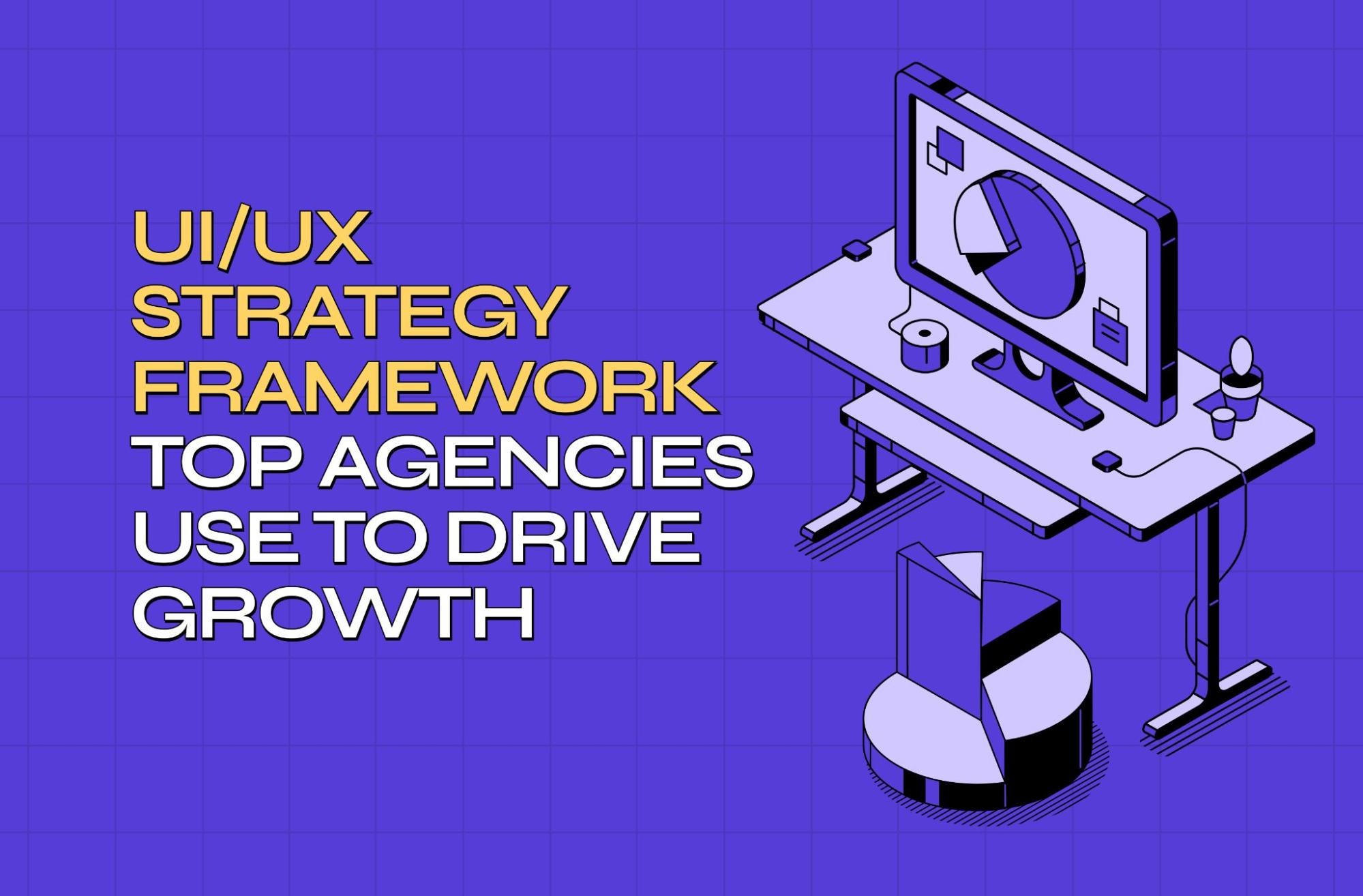
Modern products do not lose growth because of missing features. They lose it through fragmented experiences. This guide explains the UI/UX strategy framework agencies use to align behavior, systems, and execution with measurable business impact.
UI/UX strategy directly shapes product growth outcomes.

Why UI/UX Strategy Has Become a Growth Lever
Most teams recognize UX issues only after growth slows.
Trial users sign up but never activate.
Feature releases ship but usage barely moves.
Engineering output increases while perceived value stagnates.
Users rely on support or workarounds to complete simple actions.
These are not visual design issues. They are experience architecture failures — and they become inevitable when teams skip UI/UX design fundamentals before layering strategy on top of them.
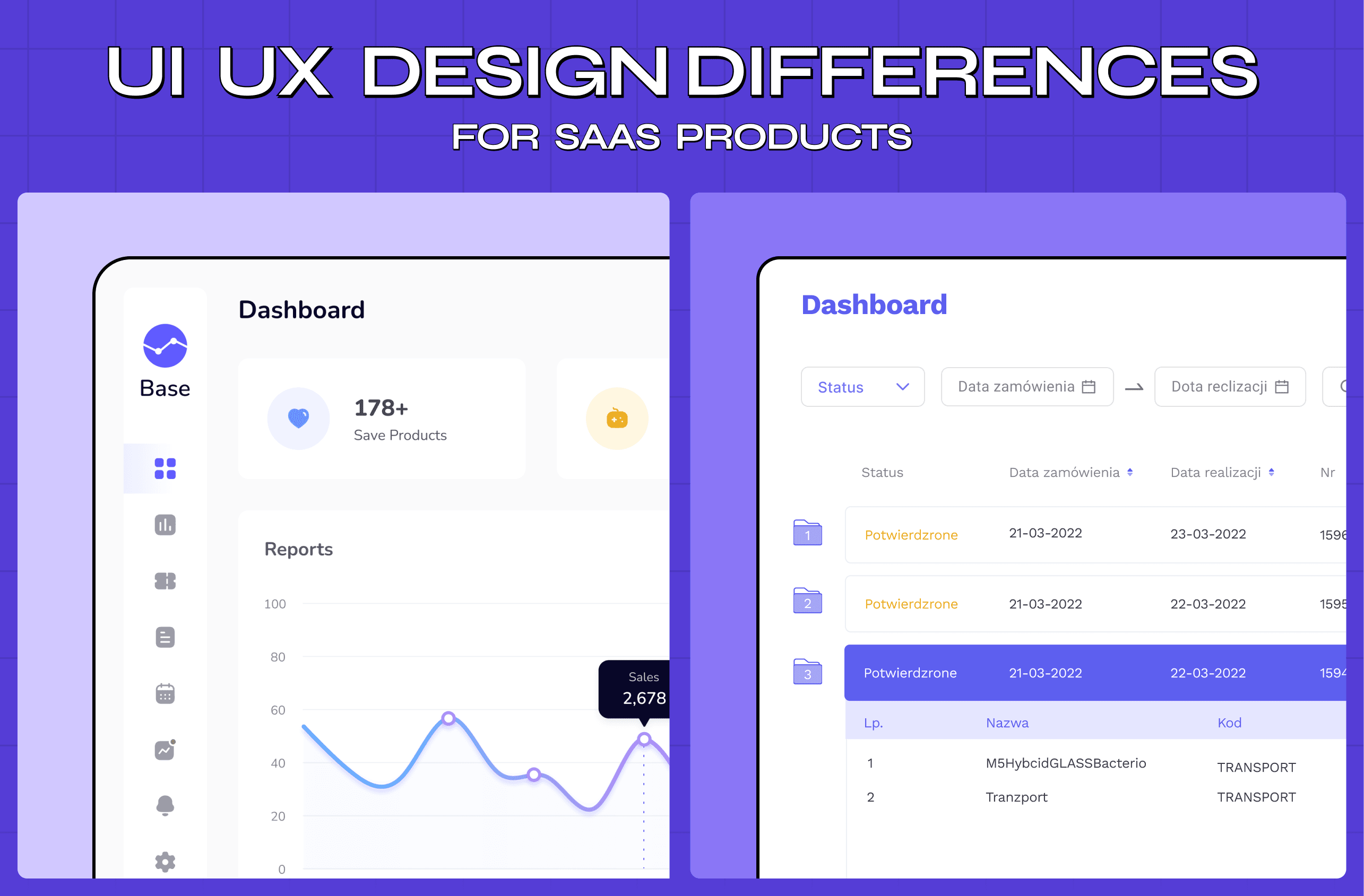
This challenge is especially visible in scaling SaaS products, where experience architecture directly influences retention and adoption - something explored deeper in our guide on SaaS product design strategy and growth outcomes.
UI/UX strategy exists to align:
user behavior expectations
product structure
delivery velocity
revenue outcomes
Without this alignment, products scale complexity faster than value.
This is why UI UX strategy for business growth has shifted from optional design planning to core operational infrastructure.
What a UI/UX Strategy Framework Actually Does
A UI UX strategic framework is not documentation.
It is a decision system guiding how experience investments are made.
Strong frameworks help teams:
prioritize high-impact UX work
avoid reactive redesign cycles
align engineering with user value delivery
scale interfaces without fragmentation
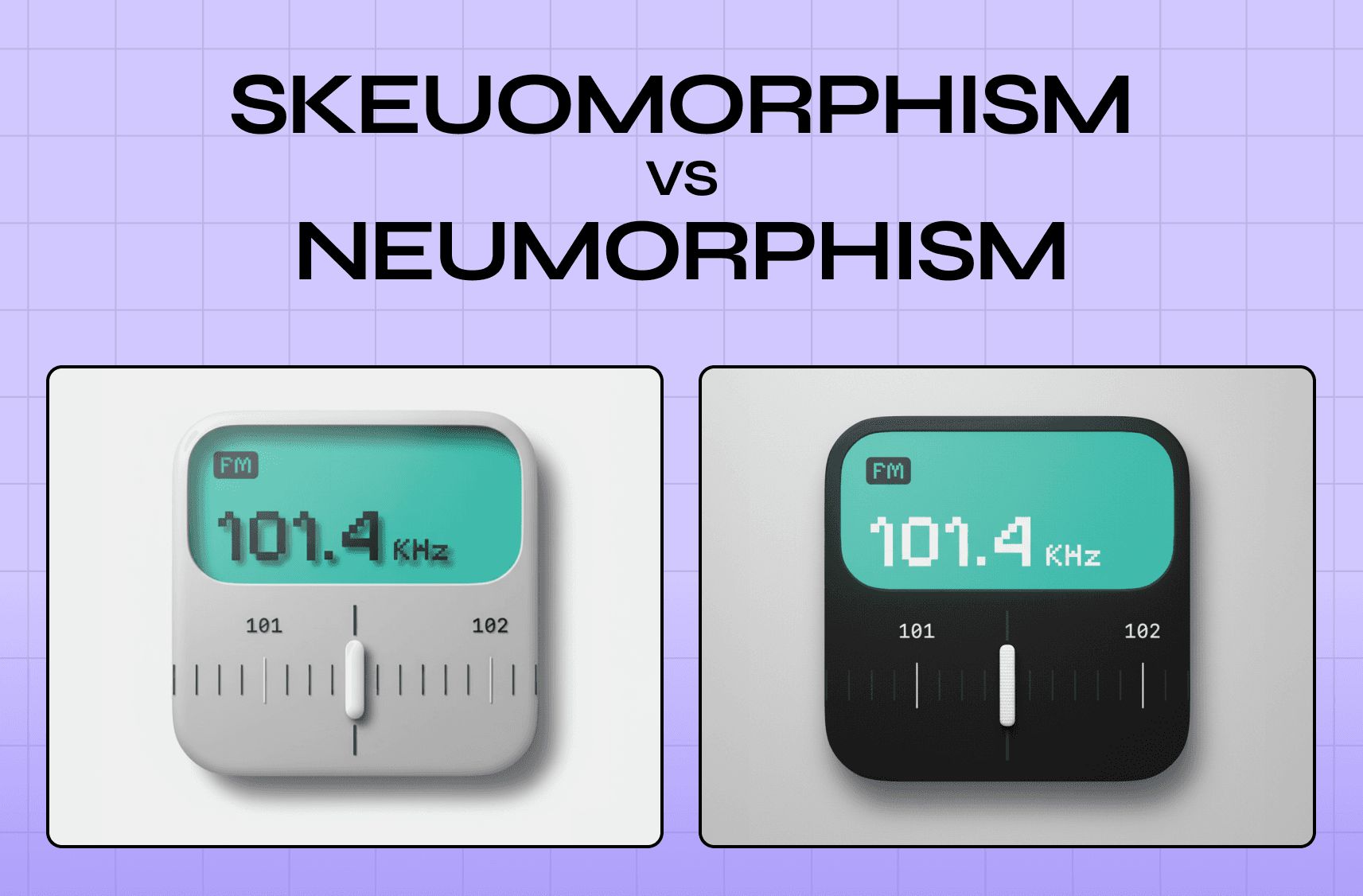
But a framework is only as strong as the UX disciplines that make strategy work underneath it, from information architecture and behavioral psychology through to service design and data analytics working in coordination rather than in isolation.
This is the foundation of modern UI UX strategy services used by agencies working on growth-stage products.
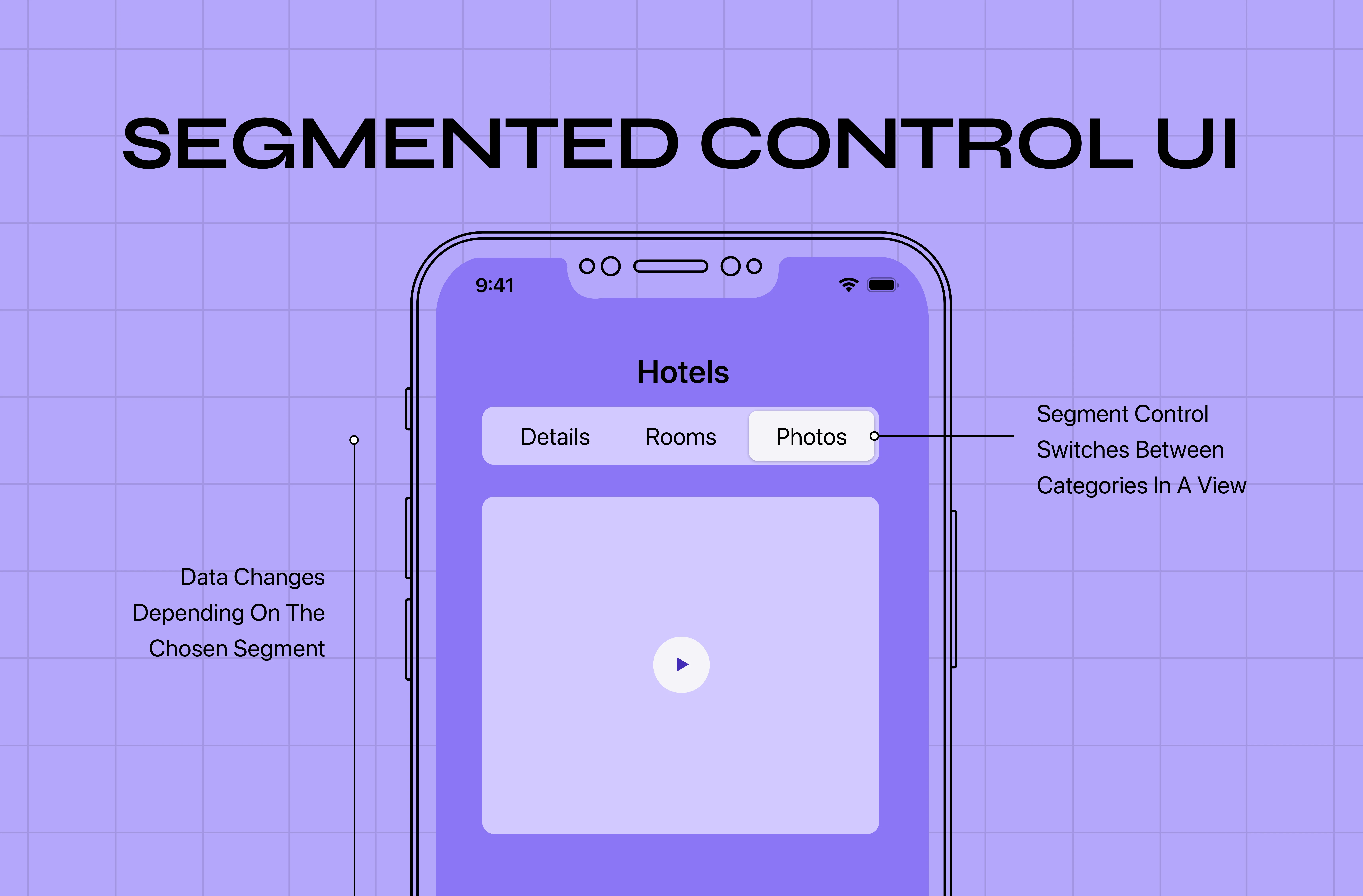
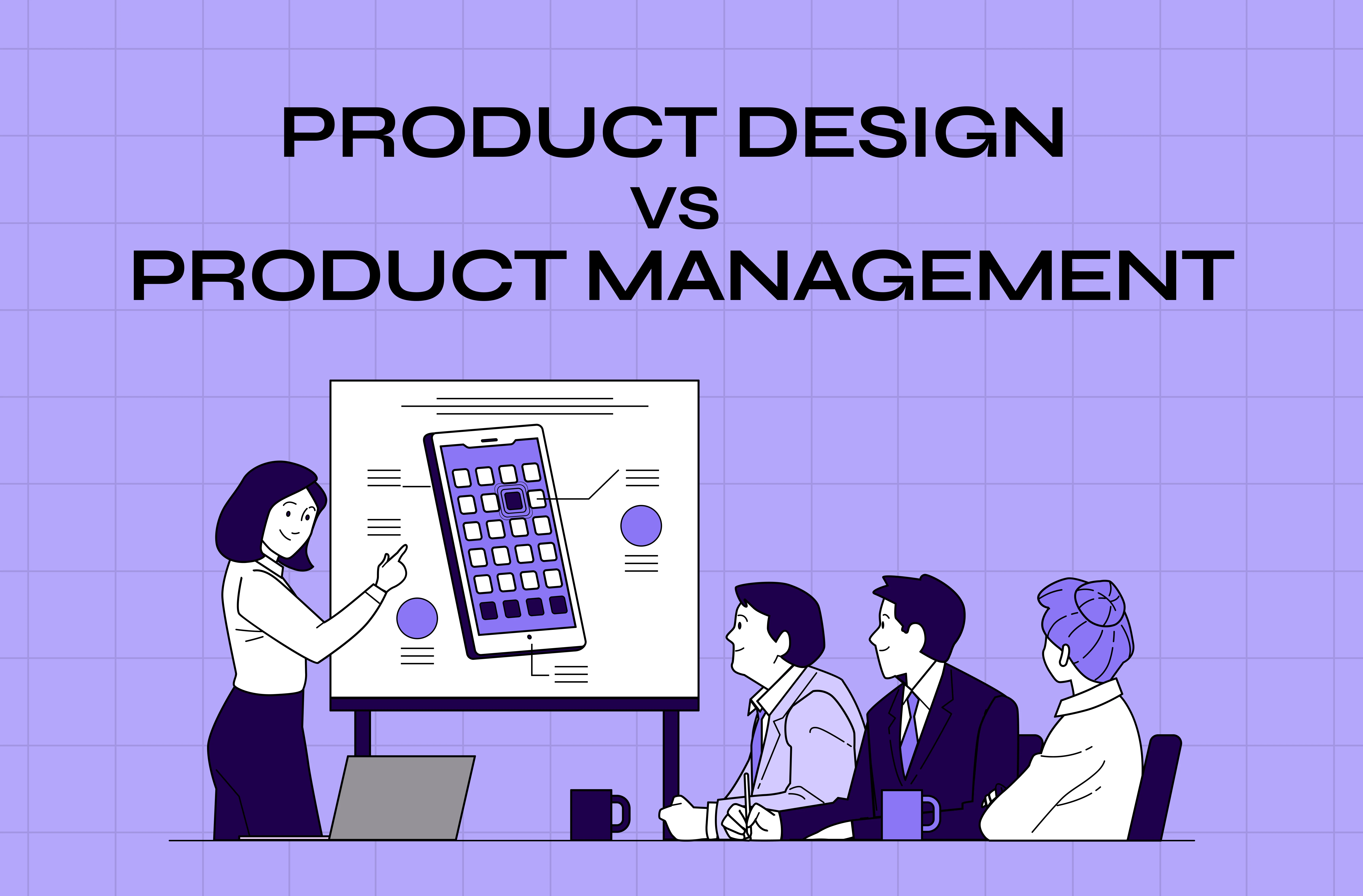
Organizations evaluating strategic maturity often begin by clarifying roles between UX and product ownership - covered in our breakdown of UX design vs product design for business decision-making.
The UI/UX Strategy Framework Agencies Apply
1. Value Pathway Architecture
Products rarely fail because users cannot find features.
They fail because users cannot reach value quickly.
This layer maps:
first success moments
activation triggers
behavioral progression
retention loops
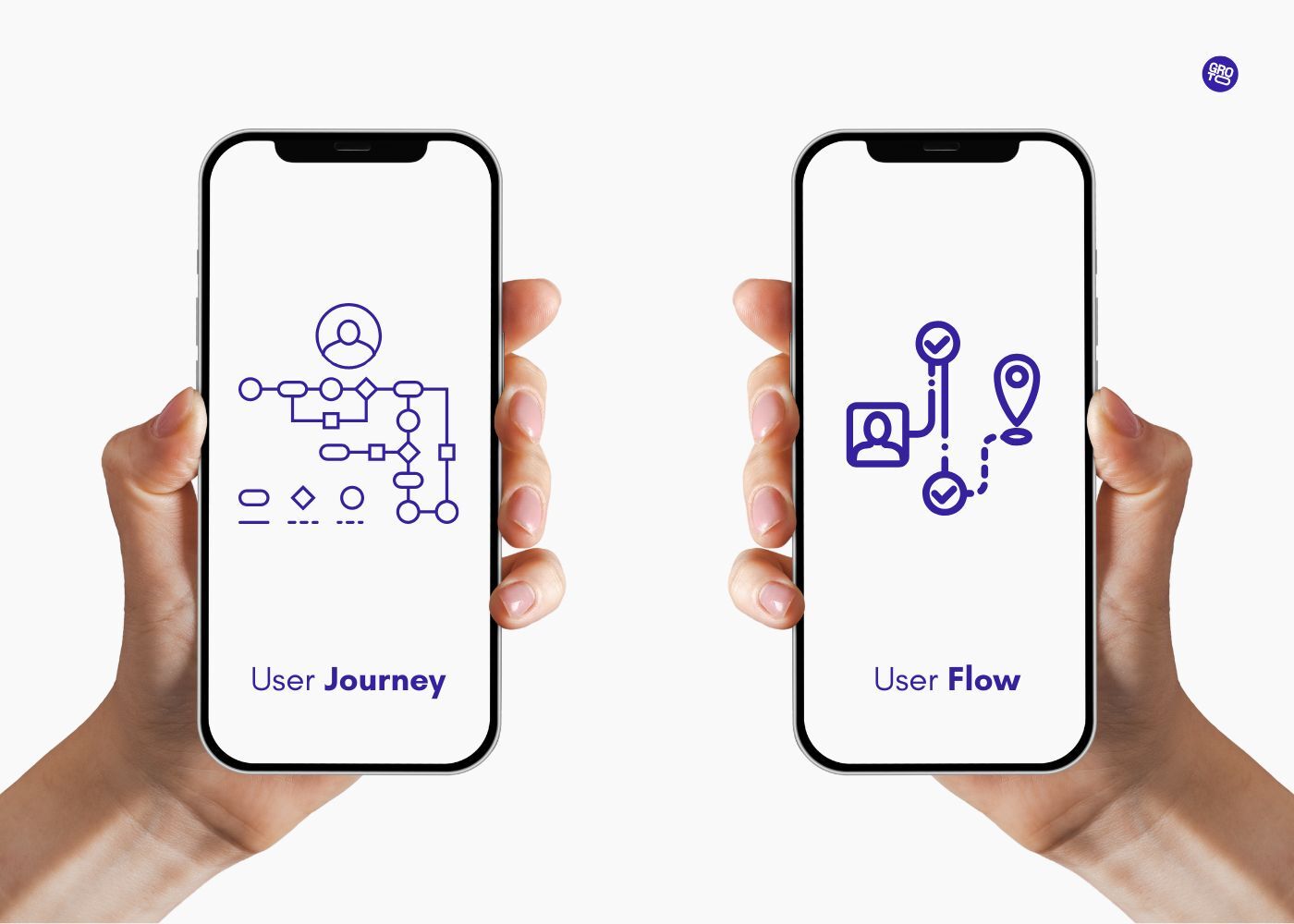
Instead of designing screens first, agencies design value journeys.
Shortening the path to first meaningful value improves activation velocity and reduces early abandonment during onboarding sequences.
The same value-path prioritization logic applies strongly to complex interfaces like analytics environments, where dashboards must guide decisions rather than display data, discussed further in SaaS dashboard UX best practices.
2. Interaction Load Balancing
Users abandon flows when mental effort exceeds perceived benefit.
Agencies identify:
decision density per screen
sequencing friction
premature commitment points
ambiguity triggers
Then rebalance interaction weight to maintain forward momentum.
Reducing unnecessary cognitive load increases task completion consistency and lowers mid-flow abandonment.
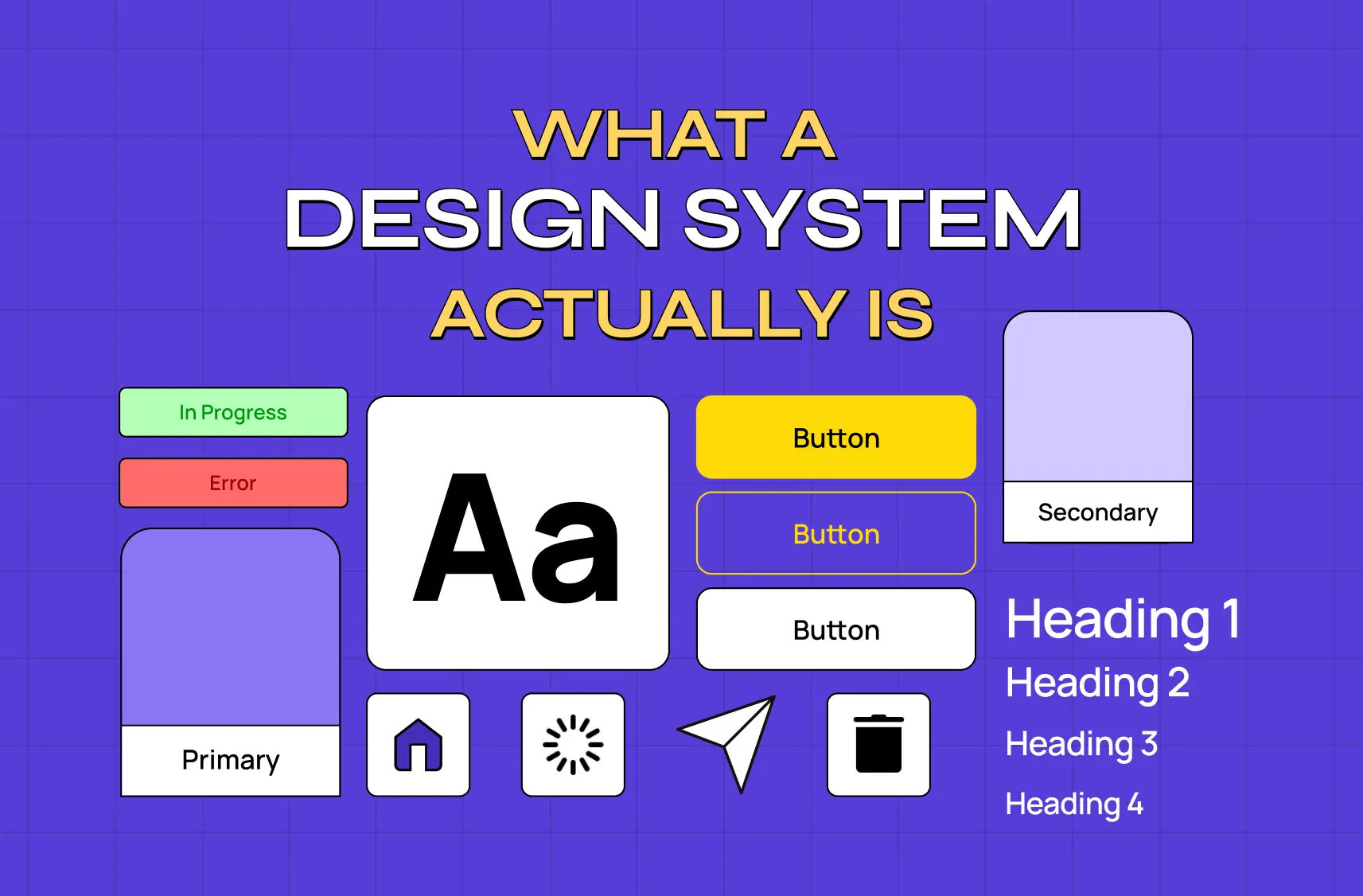
3. Interface Systemization
Growth-stage products often accumulate visual and behavioral inconsistency.
Strategic UI UX design strategy includes:
scalable component logic
interaction predictability
cross-context behavior alignment
reusable pattern libraries
This is not visual standardization alone.
It is operational consistency.
Systemized interfaces reduce engineering rework and accelerate feature shipping timelines across product cycles.
4. Behavioral Feedback Infrastructure
Products must continuously learn from usage behavior.
Agencies embed:
friction signal monitoring
interaction analytics
micro-validation checkpoints
behavioral iteration loops
UX becomes an adaptive system rather than static output.
Continuous validation detects experience breakdowns early, protecting retention and preventing costly redesign initiatives.
As AI-driven feedback loops become more embedded in product decision-making, many teams are expanding toward AI-driven UX strategy frameworks to accelerate validation cycles.
Signals Your Product Needs a Strategy Reset
Consider your current state:
Users reach features but struggle to complete workflows
Feature adoption plateaus after release
UX decisions are reactive rather than prioritized
Engineering rebuilds interface logic frequently
Stakeholders debate experience direction repeatedly
Most of these signals trace back to misaligned assumptions about who the user is — reviewing UX persona examples at this stage helps teams ground strategy reset decisions in validated user types rather than internal assumptions.
If two or more apply, strategic misalignment is likely present.
Quick Reality Check
The next step is not redesigning screens.
It is identifying structural friction sources.
Teams often book short strategy sessions simply to obtain:
friction mapping of core flows
opportunity prioritization
clarity on UX investment direction
Even without execution, this perspective frequently reshapes roadmap planning — and the same friction-and-priority mapping is what a strong UX engagement proposal turns into a scoped plan of work.
Decision Framework: Where to Focus First
Product Situation | Strategic Priority |
Low activation | Value pathway redesign |
Slow feature adoption | Interaction load reduction |
Engineering delays | Interface systemization |
Inconsistent experience | Pattern governance |
Declining retention | Behavioral feedback loops |
This table functions as a diagnostic shortcut.
If multiple rows reflect your environment, structured UI UX growth strategy intervention becomes high leverage.
Strategic prioritization at this stage often connects directly to roadmap planning, which we expand further in product design roadmap planning frameworks.
How Groto Applies This Framework
We apply this structured UI/UX strategic framework across SaaS, AI, fintech, and complex B2B platforms through:
40+ product experience audits
multi-role system architecture projects
onboarding optimization engagements
dashboard and workflow redesign programs
Our work spans products handling:
data-heavy decision environments
regulated user flows
multi-stakeholder interfaces
scaling feature ecosystems — and for regulated products specifically, pairing UX strategy with an accessibility maturity model gives teams a structured way to evaluate where accessibility practice sits before strategy execution begins.
We focus on experience architecture that sustains growth rather than cosmetic iteration.
Because scalable products require alignment between behavior, structure, and execution velocity.
Why Agencies Approach Strategy Differently
Internal teams often operate inside delivery pressure — and rarely run a competitor UX study to see how rival products solve the same flows.
Agencies bring:
cross-product pattern recognition
neutral prioritization perspective
exposure to multiple scaling environments
validated strategic models — and enterprise UX design agencies apply this breadth specifically to complex multi-stakeholder products where internal teams often lack the cross-industry reference point to prioritize confidently.
This breadth enables clearer UI UX roadmap for products planning expansion.
It is not about outsourcing execution.
It is about accelerating strategic clarity.
The Risk of Skipping Strategic Alignment
Without structured UX strategy: complexity compounds silently, redesign costs escalate later, user trust erodes gradually, growth opportunities narrow. Experience architecture debt is rarely visible early — and design strategy for product growth gives teams the structured framework to establish that alignment before the debt compounds, connecting UX investment decisions directly to the business objectives that make the case for prioritizing them. But it accumulates faster than technical debt. Strategic alignment prevents this accumulation.
Conclusion
High-growth products are not driven by interface aesthetics.
They are driven by deliberate experience architecture.
The UI/UX strategy framework used by agencies aligns:
value delivery
interaction clarity
system scalability
behavioral insight
This alignment turns design into a growth multiplier rather than a cosmetic function.
Book a Strategy Session
If UX friction may be slowing activation, adoption, or engineering velocity, a focused conversation can provide clarity.
In a 20-minute session you walk away with:
identified friction hotspots
prioritization insight
clarity on where UX investment delivers measurable impact
No generic recommendations.
No presentation decks.
Only actionable perspective tailored to your product shared directly by our Creative Director, a Top 3% designer ranked by Toptal.
FAQs
1. How do I know if my UX strategy is actually hurting growth?
The strongest signals rarely come from design reviews. They appear in behavior: stalled onboarding completion, inconsistent feature adoption, rising support dependency, or engineering cycles slowed by interface rework. If users reach functionality but struggle to realize value quickly, strategic misalignment is often the root cause rather than surface UI problems.
2. What business outcomes can a UI/UX strategy realistically influence?
Strategic experience alignment impacts activation velocity, user confidence, adoption consistency, and product delivery speed. When value pathways and interaction load are optimized, teams typically see clearer behavioral progression, fewer iteration bottlenecks, and stronger product decision confidence across roadmaps.
3. What does a strategy session actually give me?
You leave with practical insight, not theory. This typically includes friction hotspot identification, opportunity prioritization clarity, and directional guidance on where UX investment will produce measurable product impact. Many teams use this to realign roadmaps or validate upcoming design decisions.
4. Will engaging an agency disrupt ongoing product work?
No. Strategic engagements typically run parallel to delivery cycles. The objective is to enhance decision quality without pausing engineering momentum. Most strategy initiatives integrate directly into current sprint planning rather than replacing it.
5. Isn’t UX strategy something internal teams should handle?
Internal teams often operate under execution pressure and limited cross-product exposure. External strategy perspective introduces comparative pattern recognition and prioritization neutrality, accelerating clarity rather than replacing internal expertise.
6. When is the right time to invest in UX strategy?
The best timing is before scaling complexity compounds. However, most teams seek strategy when onboarding stalls, adoption plateaus, or engineering velocity declines. Addressing structural friction early significantly reduces future redesign cost and operational drag.
7. How is this different from a redesign project?
Redesigns adjust surfaces. Strategy adjusts foundations. Strategic alignment determines what should be built, sequenced, or simplified before visual execution begins. Without this layer, redesign cycles often repeat without improving outcomes.