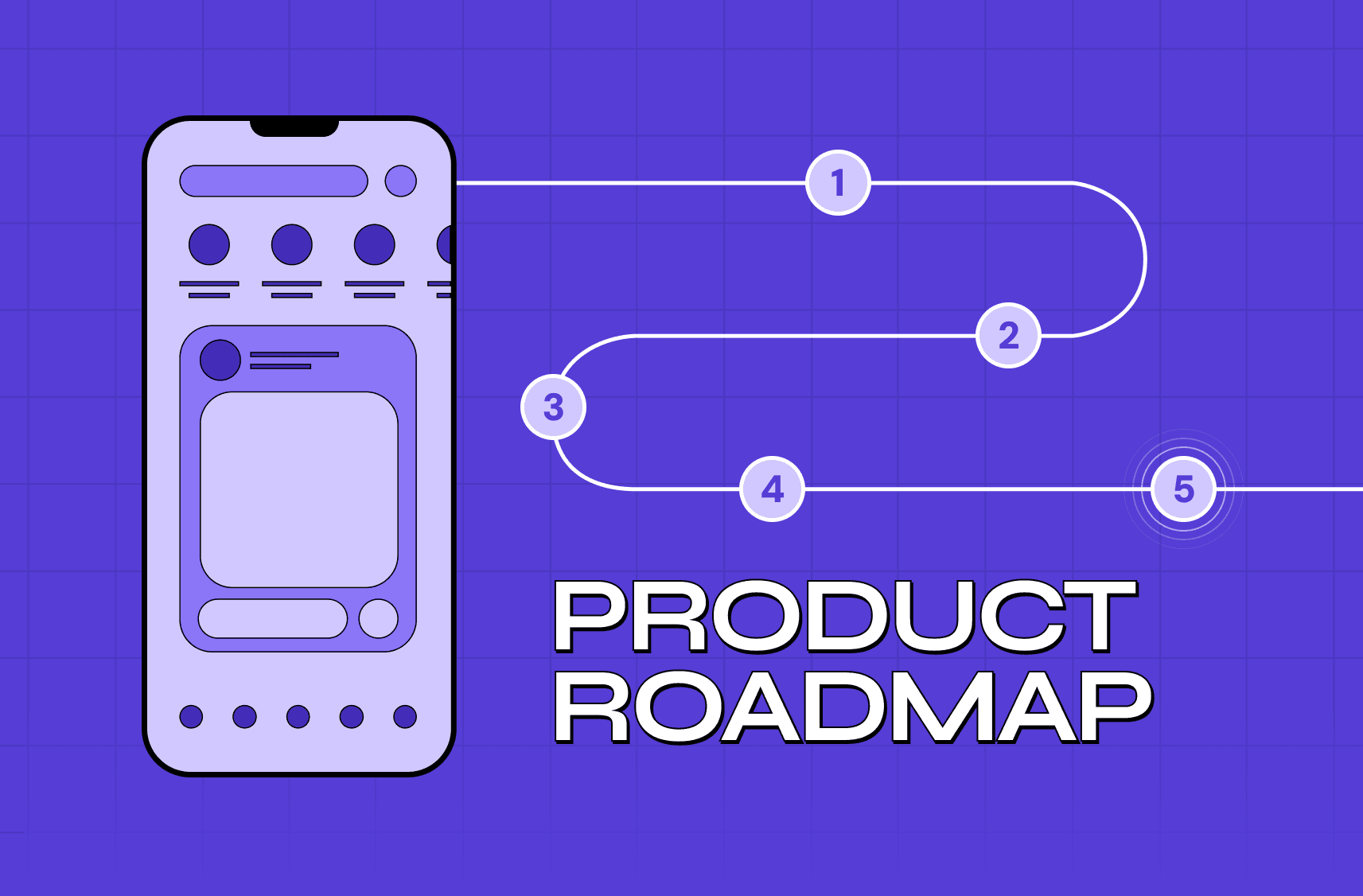
Most products fail not due to weak ideas but unclear direction. A strong product design roadmap eliminates guesswork, aligns teams, reduces waste, and accelerates time-to-value. This guide shows how modern SaaS and B2B teams plan, prioritise, and build products that scale.
A roadmap isn’t a document; it’s the strategic engine behind successful digital products.
Successful Digital Product
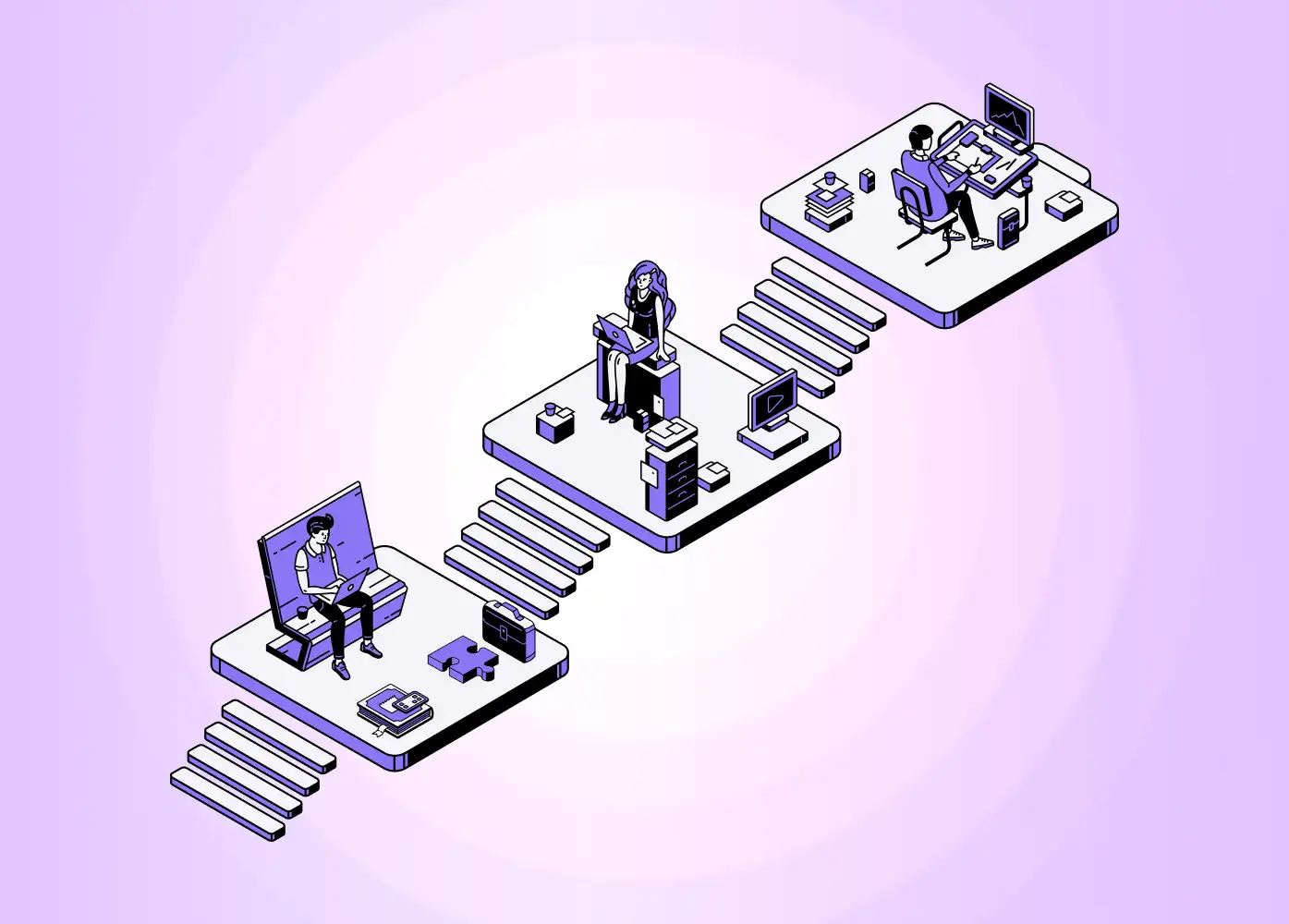
A roadmap isn’t documentation — it’s business insurance for your product.
Most teams don’t fail because the idea was weak. They fail because they entered development without clarity:
What exactly are we building?
How do we reduce wasted engineering hours?
What do we launch first — and why?
What drives user value before UI polish?
A product design roadmap answers all of that. It aligns product strategy, UX flows, engineering constraints and business goals into a launch plan that doesn’t burn time or budget.
This guide explains how to build a product design roadmap the way high-performing SaaS, AI & B2B product teams do — with examples, structure, and a ready-to-use template.
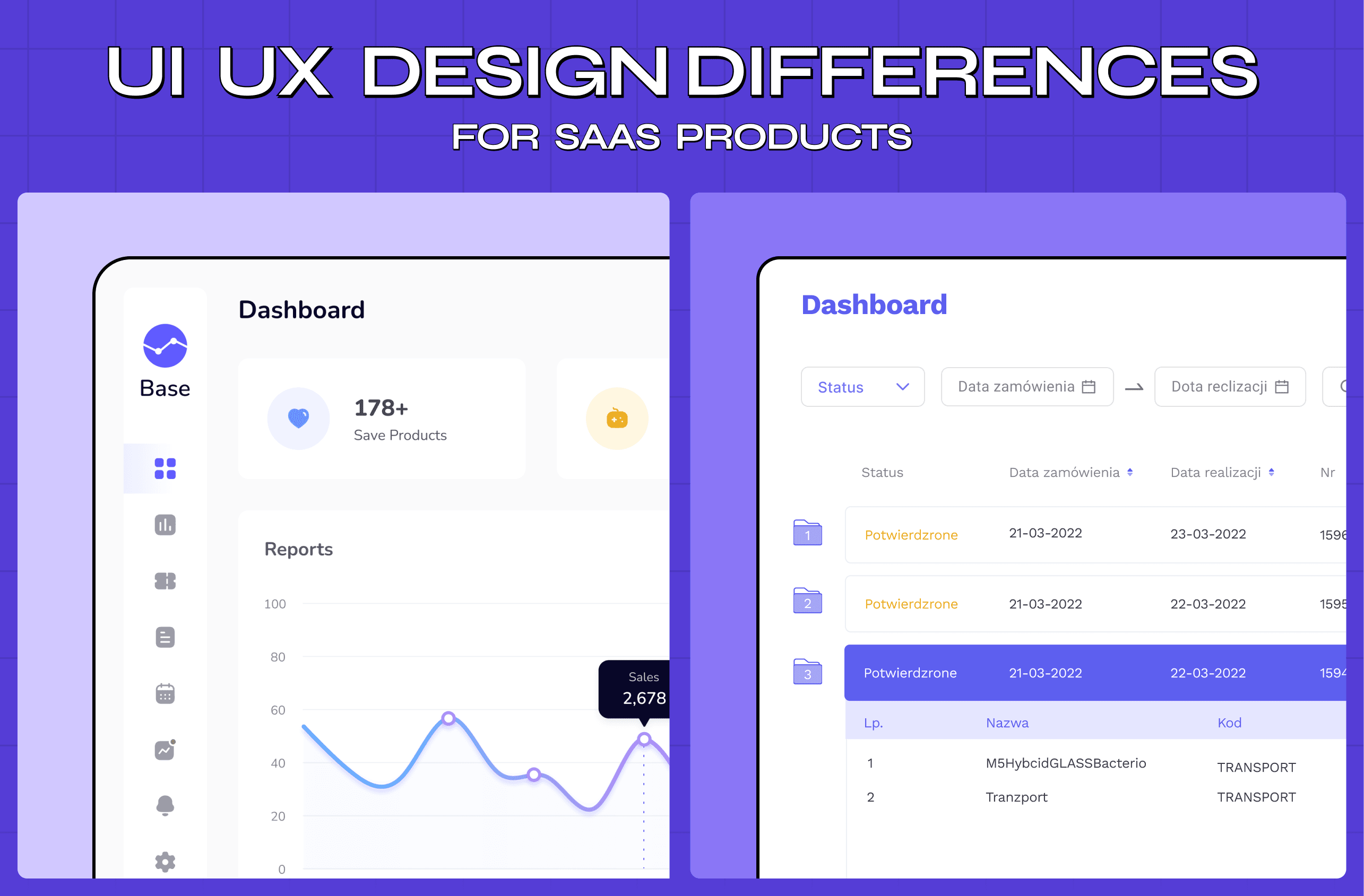
If you’re new to product strategy, our guide on Understanding UI UX Design Differences for SaaS Product Success will help you understand how strategy decisions influence design and engineering velocity.
Why You Should Care About a Product Roadmap (Before Anything Else)
Without a roadmap, teams operate on "build first, fix later." That works for prototypes — but kills your runway when stakes get higher, and often forces a painful call on when to rebuild or redesign down the line.
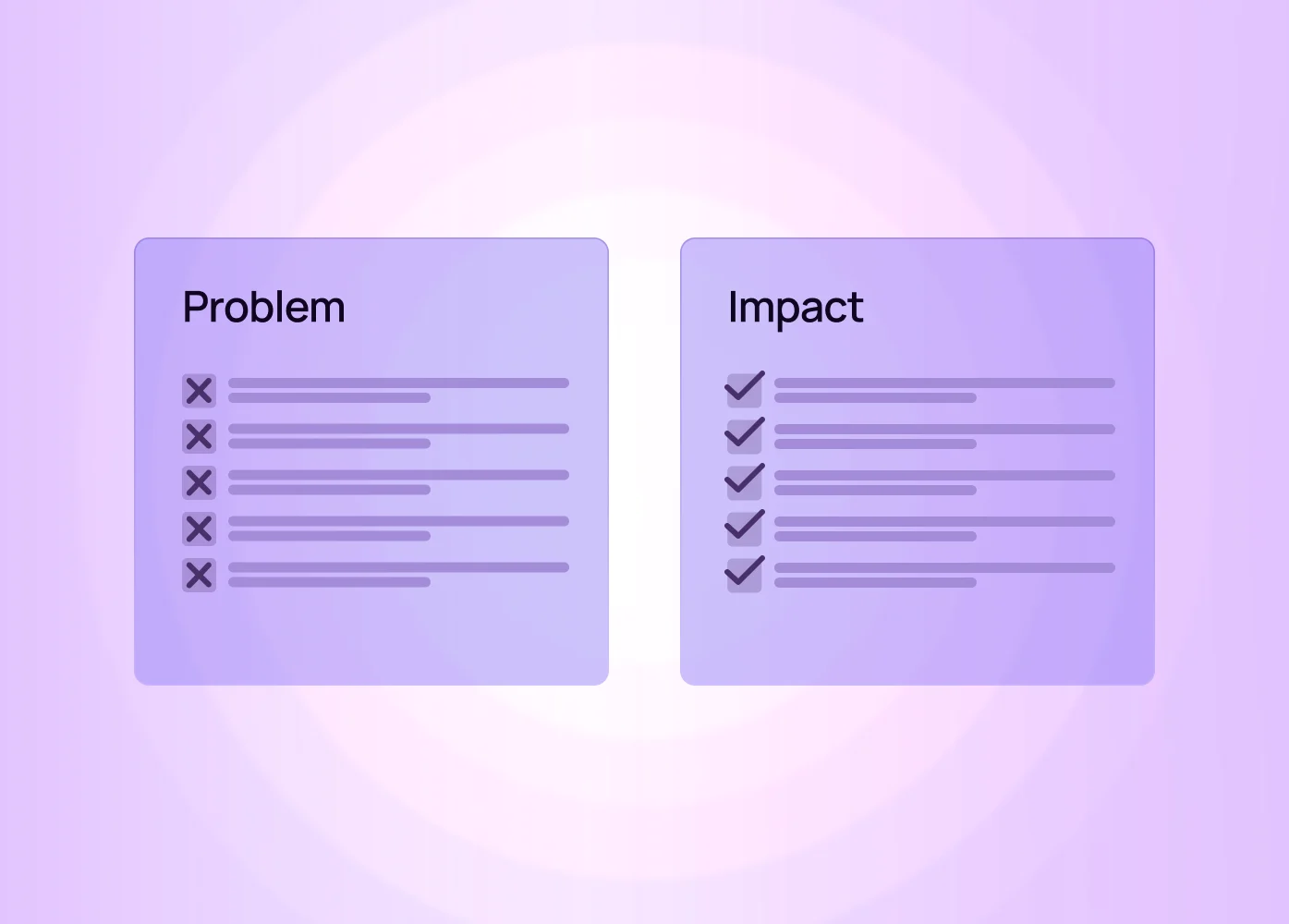
Here’s what actually happens when there’s no roadmap:
Problem | Impact |
Features built based on opinions | Rework, dev debt, slow sprints |
UX feels inconsistent | Drop-offs → lower conversions |
Engineers wait for clarity | Burn rate rises |
Stakeholders request redesigns | No alignment → low trust |
Free users don’t convert | No PMF signal |
We often see these issues appear during audits — explained in our article Top AI UX Design Mistakes That Are Costing You Users
With a strong roadmap — you turn design into leverage:
Engineers ship faster
UX flows feel predictable
Stakeholders gain clarity
Sales teams pitch better
You reach PMF faster — or stop wasting money if it’s not coming
No roadmap = no scalable product.
A roadmap isn’t just structure — it’s risk reduction.
Who This Guide Is For
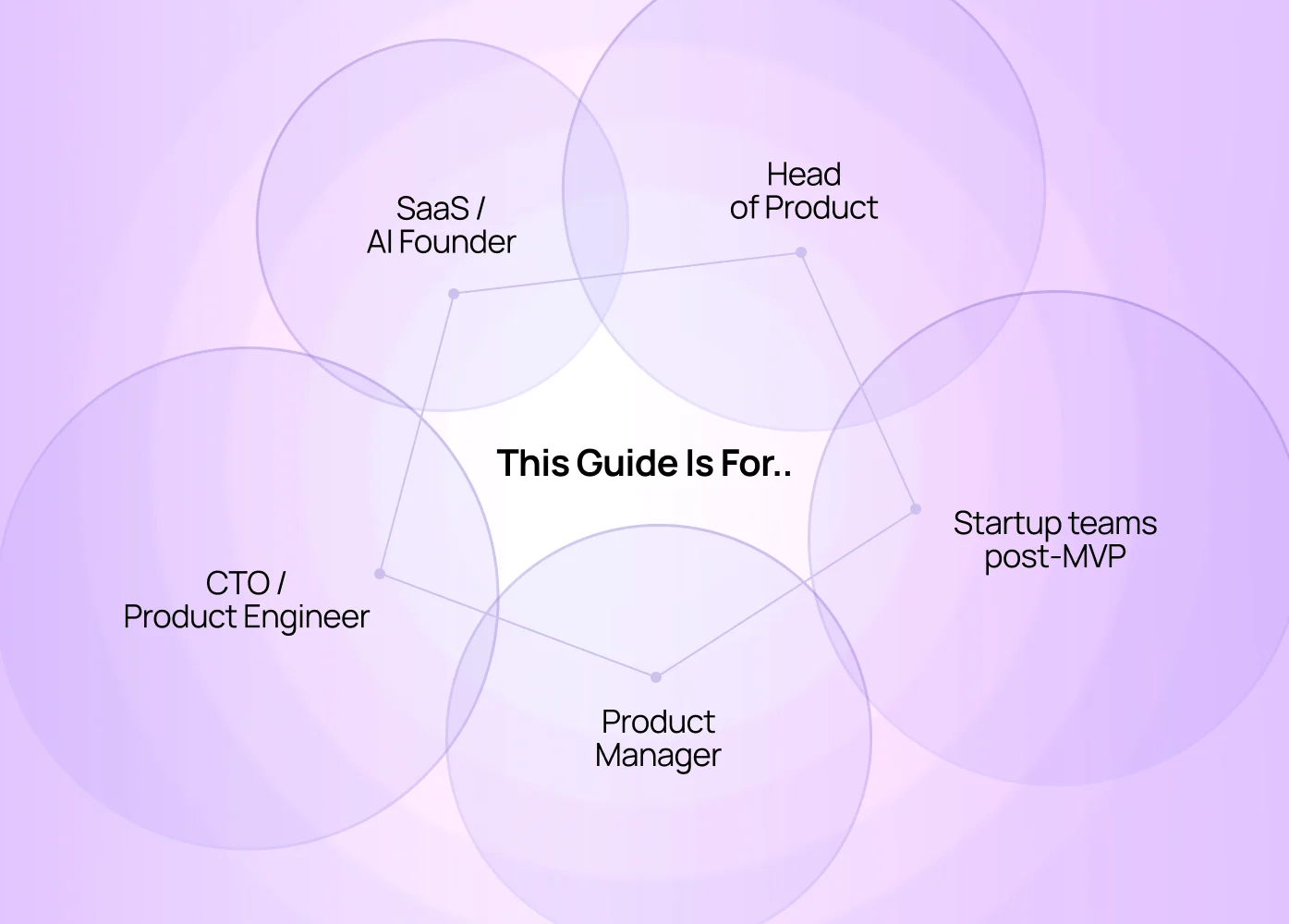
You’ll benefit the most if you are a:
Role | Pain Point | What a Roadmap Solves |
SaaS / AI Founder | “Why aren’t users converting?” | Aligns UX with behaviour |
Head of Product | “Our UX is inconsistent” | Creates scalable flows |
CTO / Product Engineer | “Design debt slowing down dev” | Provides clear system architecture |
Product Manager | “Stakeholders keep changing scope” | Creates alignment & traceability |
Startup teams post-MVP | “Need to scale without chaos” | Sequencing & rollout clarity |
The Product Design Roadmap – 5 Core Stages
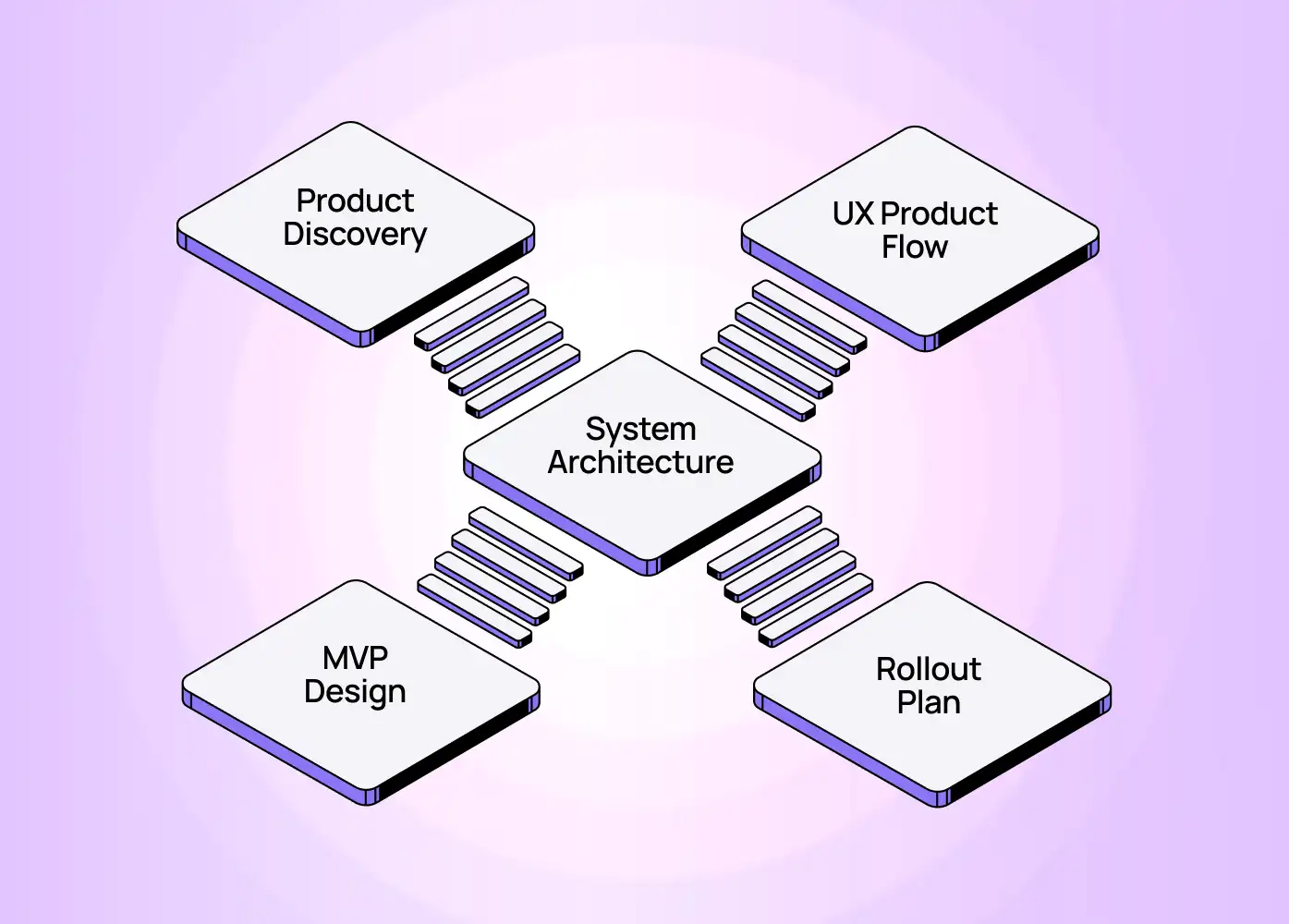
These stages help balance speed, UX, feasibility, and retention — without overbuilding. The sequence itself is design thinking in practice: understand the problem before shaping the solution, and validate before you scale.
Stage | Outcome | Recommended Tools |
1. Product Discovery | What problem REALLY needs solving? | User interviews, JTBD analysis |
2. UX Product Flow | Complete journey before UI | Miro, FigJam, Whimsical |
3. MVP Design | Shape the leanest product that proves value | Wireframes + user testing |
4. System Architecture | Can this scale? Will sprints slow down? | Design System + Component Library |
5. Rollout Plan | What launches first — and why? | Effort vs Impact matrix |
Stage 1 — Product Discovery
Wrong discovery = expensive development.
What to Identify:
What are users already trying (workarounds / hacks)?
What frustrates them while completing core actions?
What happens before they need your product?
What triggers them to search for a solution?
GROTO TIP:
We avoid “feature wishlist sessions.”
Instead, we start with friction mapping — what users try and fail to achieve today.
Deliverables:
Problem definition, captured in a validated brief
User intention models
Priority user segments
Behaviour triggers
Early feature list (loosely formed)
During product discovery, SaaS founders often hire us for design strategy for product teams or product discovery workshops, understanding how product management and UX roles divide responsibility determines whether discovery produces validated problem definitions or expensive feature wishlists — because the wrong discovery leads to slow adoption and wasted development sprints.
Stage 2 — UX Product Flow (Before UI)
People often skip this and go straight to Figma. That’s when dev debt begins.
Goal:
Design how users move through your product — before designing what they see.
What We Produce:
Entry points (who enters from where)
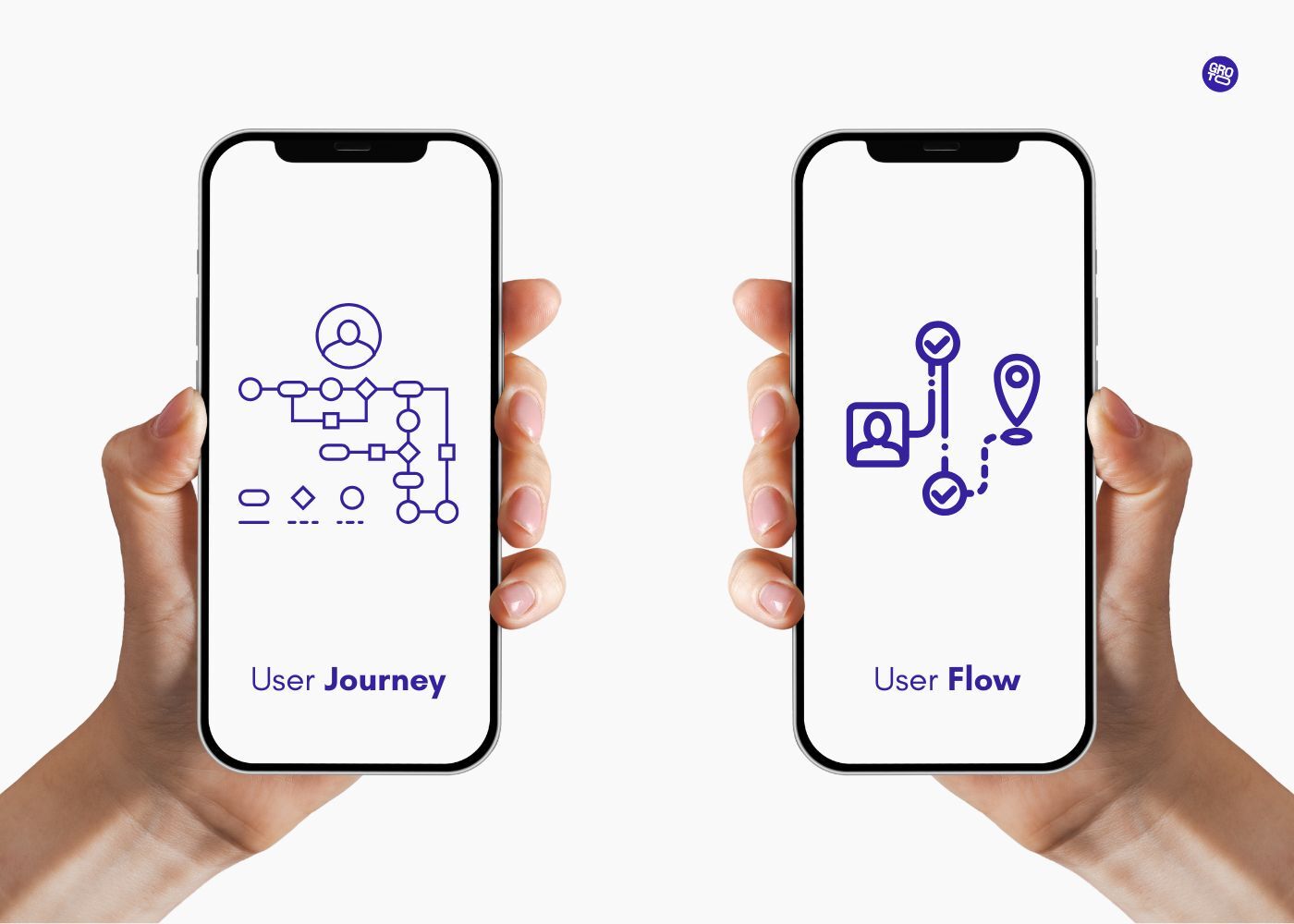
Core user journeys
Onboarding paths
Success loops (activation events)
Drop-off points
This becomes the foundation for MVP UX design and UI/UX process clarity. Understanding design vs product roles at this stage prevents ownership gaps from turning flow decisions into handoff delays later.
Stage 3 — MVP Design (The Lean Version That Proves Value)
A strong MVP is not a smaller product. It's a precise problem-solver, its scope pinned down in an MVP spec — designed to get ONE meaningful user behaviour and the teams that sustain that advantage beyond launch are already designing beyond current user needs while competitors are still reacting to feedback.
Weak MVP | Strong MVP |
Feature checklist | Single activation path |
Built for demo | Built for usage |
UI-led | UX-led |
Pressure to redesign after launch | UX evolves strategically |
MVP PRIORITY MATRIX
Feature | Must-Have | Nice-to-Have | Replaceable Later |
Onboarding wizard | ✓ | - | - |
Dashboard visualisation | ✓ | - | - |
Team roles | - | ✓ | - |
Advanced reporting | - | - | ✓ (Phase 2) |
This Effort vs Impact matrix is a core part of our UX strategy framework, helping founders prioritise features and spend smart.
For examples of how lean MVP UX accelerates adoption, read our analysis of AI UX vs Traditional UX: What Works for SaaS in 2026
Stage 4 — Design Systems & Frontend Architecture
This is where most SaaS products slow down.
Bad architecture = slow releases
Slow releases = revenue delay — and the same is true for accessibility retrofits, which is why mapping against an accessibility maturity framework early in the system design phase avoids costly rework once components are already in production.
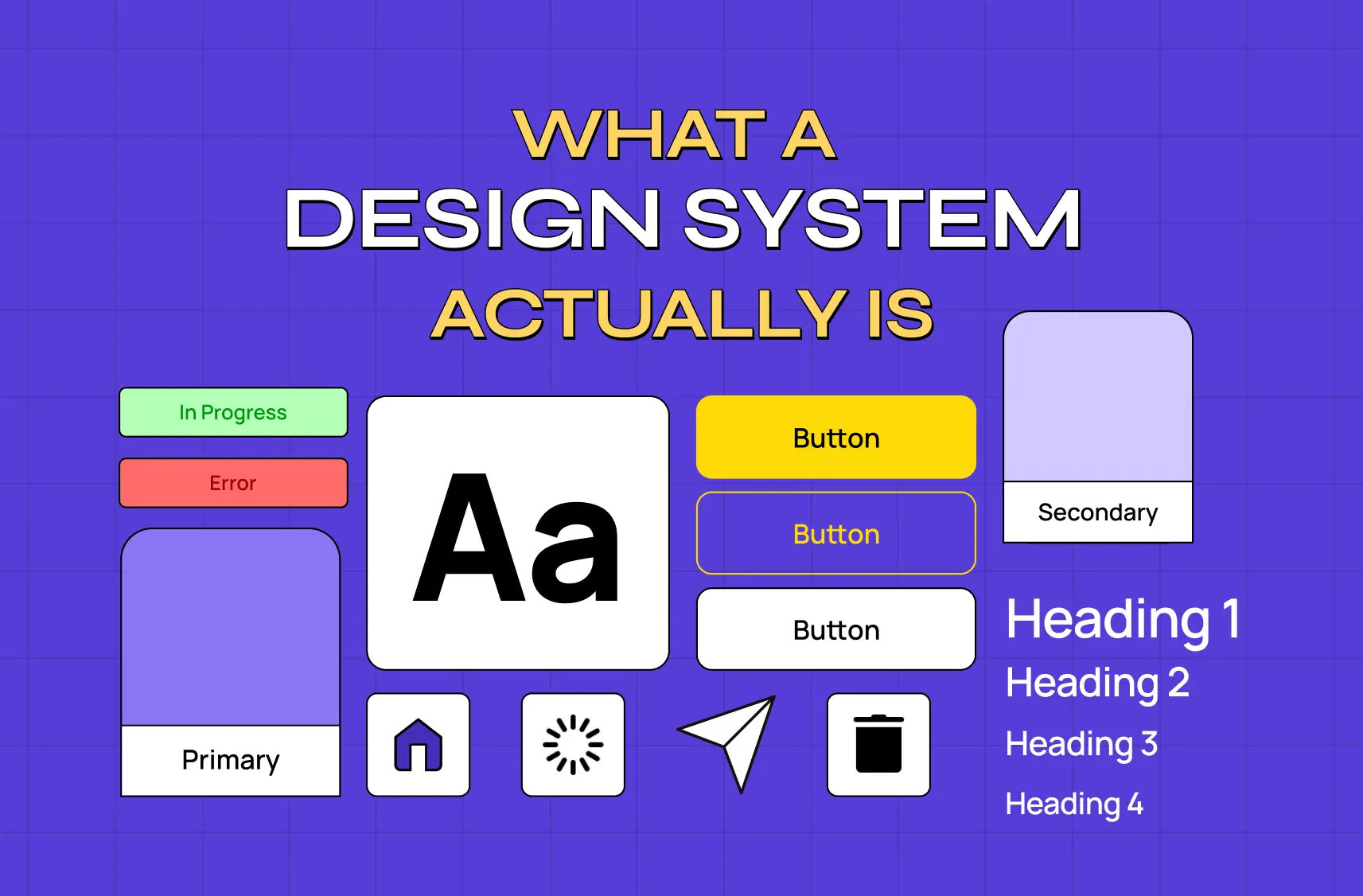
Why a Design System Is Critical:
Saves engineers from UI rework
Makes UX consistent across modules
Enables faster sprints
Reduces technical debt
Allows scalable B2B SaaS UI/UX
This is where design services go beyond UI delivery and become architecture that supports growth — and SaaS product development from design to launch covers the full development lifecycle that this architecture phase feeds into, from technical stack decisions and multi-tenant setup through to testing, security, and post-launch iteration.
We’ve broken down why design systems matter for scaling in our article Mobile-First Responsive Design Best Practices for 2026
Stage 5 — Roadmap / Rollout Plan
Now we combine strategy + feasibility + impact.
Rollout Format Used in Our Client Workshops:
Phase | What We Ship | Purpose |
Phase 1 | MVP + Activation Path | Prove value |
Phase 2 | Scalable UX Flows | Improve retention |
Phase 3 | Design System v1 | Unblock engineering |
Phase 4 | Advanced UX layers | Monetise behaviour |
No chaos. No guessing. No panic.
This is what a lean UI UX process looks like when done right.
When to Bring In a Product Design Agency?
You don't need UI freelancers when: Drop-offs happen during onboarding, Features are slow to ship — often a symptom of design slowdown upstream of engineering — The UX "looks fine" but feels clunky, Engineering sprints keep slowing down, Stakeholders keep requesting redesigns. Before engaging an agency, understanding UX audit cost helps founders scope the right entry point — whether that's a targeted audit or a full roadmap engagement.
You need product strategy + UX architecture when 2 or more of the above are true.
Ready to Build Your Roadmap?
If you're scaling a digital product and need clarity on your scope priorities — what to build first, or what to stop building — we can help.
We don’t design “screens.” We design products that make users stay.
Book a Product Roadmap Workshop → Get clarity in 20 minutes with our Creative Director (top 3% globally in UX strategy).
FAQs
1. Do I need a roadmap before development?
If you want predictable sprints and minimal rework — yes. Teams without roadmaps spend 2–3× more on engineering due to unclear flows and shifting requirements.
2. How long does a roadmap take?
Most SaaS/AI products take 2–4 weeks. Complex enterprise ecosystems take 6–8 weeks, but the roadmap saves months of rework later.
3. Who should own the roadmap?
Product leads define priorities. UX defines the flows. Engineering validates feasibility. Without this triangle, your roadmap won’t survive contact with real sprints.
4. Is this only for SaaS?
No — but SaaS, AI, fintech, and marketplaces benefit the most because they rely on customer behaviour loops, not single transactions.
5. Can Groto help build & execute it?
Yes. We specialise in behaviour-driven UX and scalable architecture. Our roadmaps aren’t documents — they become engineering-ready systems your team can build on immediately.