Harpreet Singh

Founder and Creative Director

Google Stitch AI: What It Is, How It Works & Best Alternatives

Feb 6, 2026

A practical overview of Google Stitch AI, explaining features, workflow impact, and alternatives for designers evaluating AI-generated interface tools.

Harpreet Singh

Founder and Creative Director

Google Stitch AI: What It Is, How It Works & Best Alternatives

Feb 6, 2026

A practical overview of Google Stitch AI, explaining features, workflow impact, and alternatives for designers evaluating AI-generated interface tools.

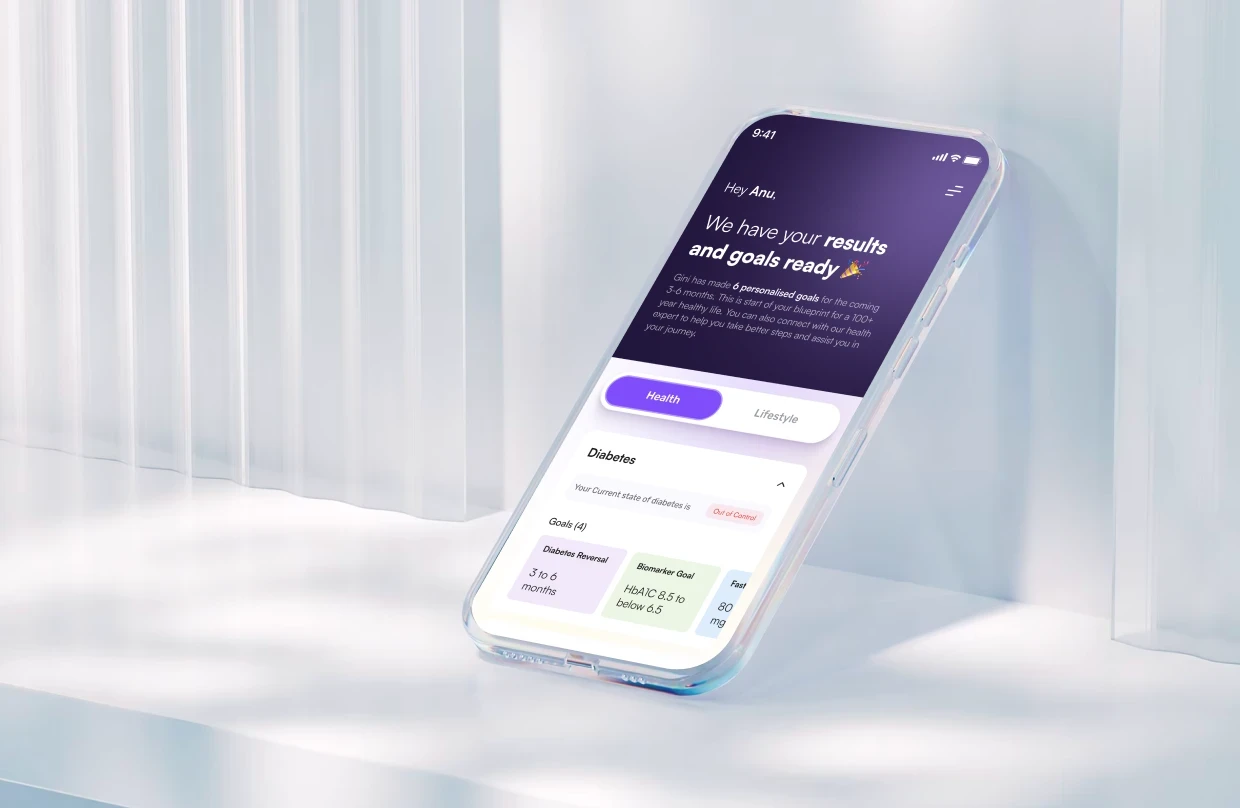
Google Stitch AI introduces a new approach to interface creation, allowing designers to generate UI structures from prompts. This guide explains how it works, what it offers, and which alternatives to evaluate.

Google Stitch AI is redefining interface generation workflows.

Google Stitch AI: What It Is, How It Works & Best Alternatives

AI-driven interface generation is moving beyond experimentation and into real design workflows. One of the newest entrants in this space is Google Stitch AI, a tool emerging from Google Labs that focuses on generating structured UI layouts directly from intent-based prompts.

Unlike conventional AI design assistants that enhance isolated steps, Stitch aims to reshape how interfaces are composed from the ground up. For product teams and designers exploring generative UI systems, understanding where it fits and where it does not is critical before introducing it into production pipelines.

This guide breaks down what Google Stitch AI is, how stitch.with google operates conceptually, its emerging features, and realistic alternatives available today.

What Is Google Stitch AI?

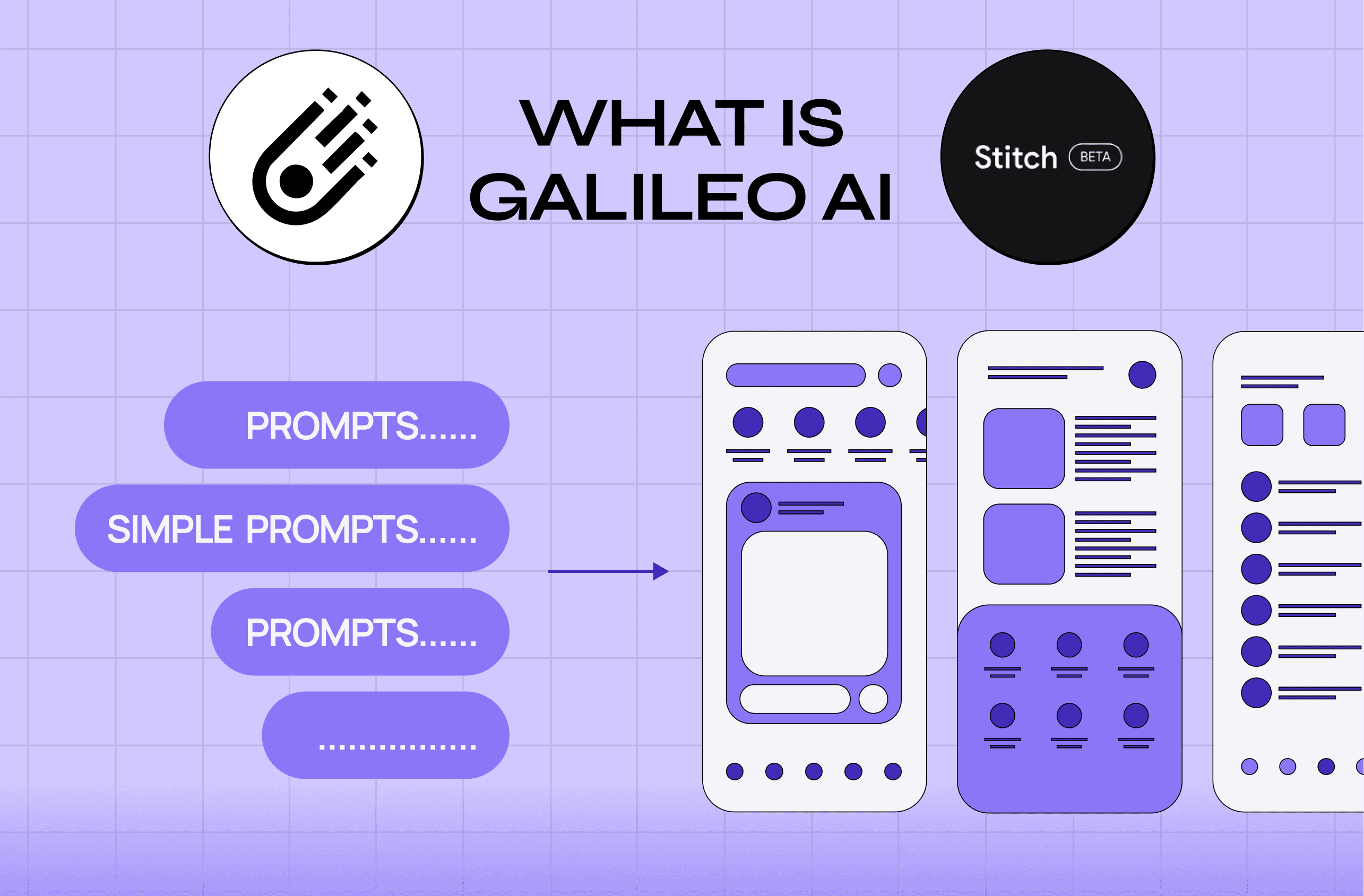
Google Stitch AI is an experimental generative interface system designed to translate textual intent into structured UI layouts. It is not a traditional design tool or prototyping environment. Instead, it focuses on early-stage structural generation.

Within Google Stitch Labs exploration initiatives, the idea behind stitch ai google is simple:

You describe what you want to build.
The system generates an interface structure reflecting that intent.

This positions stitch google closer to generative UI infrastructure than visual editing software.

Typical generation scope includes:

  • Layout structures

  • Component placement

  • Interface hierarchy

  • Flow scaffolding

Rather than refining pixels, stitchai accelerates ideation and structure discovery.

How Google Stitch AI Works

While Google has not released full technical documentation, the conceptual workflow is observable through demonstrations and early testing previews.

1. Prompt-Based Interface Generation

Users input natural language descriptions such as:

“Create a mobile onboarding screen with profile setup”

The system translates intent into UI hierarchy, generating layout components aligned with known interface patterns.

2. Pattern-Aware Composition

The tool appears trained on common UI structures, enabling it to produce:

  • Navigation zones

  • Content blocks

  • Form groupings

  • Action placement

This differs from static template libraries because generation adapts to context rather than selecting fixed layouts.

3. Iterative Refinement

Users adjust prompts or regenerate variants. Instead of manual dragging, interface evolution occurs conversationally.

This enables rapid exploration of structural alternatives without rebuilding wireframes from scratch.

Core Google Stitch AI Features

Because the product remains experimental, stitch ai capabilities should be viewed as emerging rather than finalized.

Generative Layout Creation

Transforms intent descriptions into structured UI scaffolds.

Contextual Component Placement

Components appear positioned according to known usability conventions.

Rapid Variant Exploration

Designers can explore multiple structural interpretations quickly.

Early Ideation Acceleration

Reduces blank-canvas friction during early product design phases.

Google Stitch AI Pricing Expectations

As of now, google stitch ai pricing has not been publicly defined. Given its positioning within Google Labs, several potential models are likely:

  • Experimental access phase

  • Tiered usage pricing

  • Integration within broader AI suites

Teams evaluating stitch with google should treat it as exploratory technology rather than budgeting around confirmed pricing structures.

Where Google Stitch AI Fits in UX Workflows

Stitch is most valuable during:

  • Concept generation

  • Early IA exploration

  • Layout ideation

  • Rapid structural iteration

It is less suited for:

  • High-fidelity UI

  • Production-ready design systems

  • Accessibility validation

  • Interaction refinement

This places ai stitch as a workflow accelerator rather than a replacement for traditional UX tooling.

Best Google Stitch AI Alternatives

Since stitch google labs tools are still evolving, designers often combine established solutions to achieve similar outcomes.

Uizard

Rapid text-to-wireframe generation with collaborative editing.

Galileo AI

AI-driven interface generation focused on app concepts.

Figma AI Features

Context-aware layout suggestions and content generation inside existing design ecosystems.

Visily

Screenshot-to-wireframe and prompt-assisted ideation workflows.

These alternatives offer more mature integration into daily UX pipelines while generative interface systems continue to mature.

Limitations Designers Should Consider

Pattern Bias

Generated layouts reflect known patterns, potentially limiting originality.

Context Gaps

AI cannot fully interpret business constraints or domain nuance.

Output Validation Requirement

Usability, accessibility, and logic must still be evaluated by humans.

Workflow Integration Maturity

Export and handoff pipelines are still developing.

Understanding these boundaries prevents over-reliance on automation.

Strategic Implications for Design Teams

Google Stitch AI signals a broader shift:

  • Interfaces moving from manual assembly to intent-driven generation

  • Early design cycles compressing dramatically

  • Designers shifting toward validation and system thinking

  • UX workflows becoming conversational

It shows where interface creation is heading:

intent-first design
generative layouts
conversational iteration
reduced manual composition

Teams that understand these shifts early will adapt more smoothly as tooling evolves.

Conclusion

Google Stitch AI represents a directional signal rather than a finished category. It introduces new ways to think about generating interfaces, but it does not replace design reasoning, usability evaluation, or product strategy.

For teams exploring generative UI systems, the opportunity lies in experimentation, understanding capabilities, and identifying where AI can remove friction without replacing critical thinking.

Treat stitch ai google as a glimpse into the future of interface generation rather than a complete solution today.

FAQ

1. What is Google Stitch AI used for?
Google Stitch AI is primarily used for generating interface structures from text prompts during early design stages. It helps teams explore layout directions quickly, especially during ideation, but it is not intended to replace full UI design or usability validation workflows.

2. Is Google Stitch AI available publicly?
At the moment, Stitch exists within experimental or limited-access environments associated with Google Labs initiatives. Availability may vary, and many features remain under development, so designers should treat it as exploratory technology rather than a fully accessible production tool.

3. Can Google Stitch AI replace UX designers?
No. Stitch can generate layout structures, but it does not understand product strategy, user psychology, domain constraints, or accessibility implications. Human designers remain essential for validating usability, aligning interfaces with business goals, and crafting meaningful experiences.

4. How accurate are AI-generated UI layouts?
AI-generated layouts are typically based on learned patterns and conventions. While they often produce structurally reasonable outputs, they require review and refinement. Blind adoption without validation can introduce usability issues or misaligned flows.

5. What are the best alternatives to Google Stitch AI right now?
Tools like Uizard, Galileo AI, Visily, and emerging AI capabilities within Figma provide more integrated workflows for designers today. These platforms combine generation with editing environments, making them more practical for real project pipelines while generative interface systems mature.

6. Is generative UI the future of product design?Generative UI will likely become a standard part of early-stage design exploration, accelerating ideation and structural iteration. However, its long-term role will be collaborative rather than autonomous, augmenting human judgment rather than replacing it.

Google Stitch AI introduces a new approach to interface creation, allowing designers to generate UI structures from prompts. This guide explains how it works, what it offers, and which alternatives to evaluate.

Google Stitch AI is redefining interface generation workflows.


Google Stitch AI: What It Is, How It Works & Best Alternatives

AI-driven interface generation is moving beyond experimentation and into real design workflows. One of the newest entrants in this space is Google Stitch AI, a tool emerging from Google Labs that focuses on generating structured UI layouts directly from intent-based prompts.

Unlike conventional AI design assistants that enhance isolated steps, Stitch aims to reshape how interfaces are composed from the ground up. For product teams and designers exploring generative UI systems, understanding where it fits and where it does not is critical before introducing it into production pipelines.

This guide breaks down what Google Stitch AI is, how stitch.with google operates conceptually, its emerging features, and realistic alternatives available today.

What Is Google Stitch AI?

Google Stitch AI is an experimental generative interface system designed to translate textual intent into structured UI layouts. It is not a traditional design tool or prototyping environment. Instead, it focuses on early-stage structural generation.

Within Google Stitch Labs exploration initiatives, the idea behind stitch ai google is simple:

You describe what you want to build.
The system generates an interface structure reflecting that intent.

This positions stitch google closer to generative UI infrastructure than visual editing software.

Typical generation scope includes:

  • Layout structures

  • Component placement

  • Interface hierarchy

  • Flow scaffolding

Rather than refining pixels, stitchai accelerates ideation and structure discovery.

How Google Stitch AI Works

While Google has not released full technical documentation, the conceptual workflow is observable through demonstrations and early testing previews.

1. Prompt-Based Interface Generation

Users input natural language descriptions such as:

“Create a mobile onboarding screen with profile setup”

The system translates intent into UI hierarchy, generating layout components aligned with known interface patterns.

2. Pattern-Aware Composition

The tool appears trained on common UI structures, enabling it to produce:

  • Navigation zones

  • Content blocks

  • Form groupings

  • Action placement

This differs from static template libraries because generation adapts to context rather than selecting fixed layouts.

3. Iterative Refinement

Users adjust prompts or regenerate variants. Instead of manual dragging, interface evolution occurs conversationally.

This enables rapid exploration of structural alternatives without rebuilding wireframes from scratch.

Core Google Stitch AI Features

Because the product remains experimental, stitch ai capabilities should be viewed as emerging rather than finalized.

Generative Layout Creation

Transforms intent descriptions into structured UI scaffolds.

Contextual Component Placement

Components appear positioned according to known usability conventions.

Rapid Variant Exploration

Designers can explore multiple structural interpretations quickly.

Early Ideation Acceleration

Reduces blank-canvas friction during early product design phases.

Google Stitch AI Pricing Expectations

As of now, google stitch ai pricing has not been publicly defined. Given its positioning within Google Labs, several potential models are likely:

  • Experimental access phase

  • Tiered usage pricing

  • Integration within broader AI suites

Teams evaluating stitch with google should treat it as exploratory technology rather than budgeting around confirmed pricing structures.

Where Google Stitch AI Fits in UX Workflows

Stitch is most valuable during:

  • Concept generation

  • Early IA exploration

  • Layout ideation

  • Rapid structural iteration

It is less suited for:

  • High-fidelity UI

  • Production-ready design systems

  • Accessibility validation

  • Interaction refinement

This places ai stitch as a workflow accelerator rather than a replacement for traditional UX tooling.

Best Google Stitch AI Alternatives

Since stitch google labs tools are still evolving, designers often combine established solutions to achieve similar outcomes.

Uizard

Rapid text-to-wireframe generation with collaborative editing.

Galileo AI

AI-driven interface generation focused on app concepts.

Figma AI Features

Context-aware layout suggestions and content generation inside existing design ecosystems.

Visily

Screenshot-to-wireframe and prompt-assisted ideation workflows.

These alternatives offer more mature integration into daily UX pipelines while generative interface systems continue to mature.

Limitations Designers Should Consider

Pattern Bias

Generated layouts reflect known patterns, potentially limiting originality.

Context Gaps

AI cannot fully interpret business constraints or domain nuance.

Output Validation Requirement

Usability, accessibility, and logic must still be evaluated by humans.

Workflow Integration Maturity

Export and handoff pipelines are still developing.

Understanding these boundaries prevents over-reliance on automation.

Strategic Implications for Design Teams

Google Stitch AI signals a broader shift:

  • Interfaces moving from manual assembly to intent-driven generation

  • Early design cycles compressing dramatically

  • Designers shifting toward validation and system thinking

  • UX workflows becoming conversational

It shows where interface creation is heading:

intent-first design
generative layouts
conversational iteration
reduced manual composition

Teams that understand these shifts early will adapt more smoothly as tooling evolves.

Conclusion

Google Stitch AI represents a directional signal rather than a finished category. It introduces new ways to think about generating interfaces, but it does not replace design reasoning, usability evaluation, or product strategy.

For teams exploring generative UI systems, the opportunity lies in experimentation, understanding capabilities, and identifying where AI can remove friction without replacing critical thinking.

Treat stitch ai google as a glimpse into the future of interface generation rather than a complete solution today.

FAQ

1. What is Google Stitch AI used for?
Google Stitch AI is primarily used for generating interface structures from text prompts during early design stages. It helps teams explore layout directions quickly, especially during ideation, but it is not intended to replace full UI design or usability validation workflows.

2. Is Google Stitch AI available publicly?
At the moment, Stitch exists within experimental or limited-access environments associated with Google Labs initiatives. Availability may vary, and many features remain under development, so designers should treat it as exploratory technology rather than a fully accessible production tool.

3. Can Google Stitch AI replace UX designers?
No. Stitch can generate layout structures, but it does not understand product strategy, user psychology, domain constraints, or accessibility implications. Human designers remain essential for validating usability, aligning interfaces with business goals, and crafting meaningful experiences.

4. How accurate are AI-generated UI layouts?
AI-generated layouts are typically based on learned patterns and conventions. While they often produce structurally reasonable outputs, they require review and refinement. Blind adoption without validation can introduce usability issues or misaligned flows.

5. What are the best alternatives to Google Stitch AI right now?
Tools like Uizard, Galileo AI, Visily, and emerging AI capabilities within Figma provide more integrated workflows for designers today. These platforms combine generation with editing environments, making them more practical for real project pipelines while generative interface systems mature.

6. Is generative UI the future of product design?Generative UI will likely become a standard part of early-stage design exploration, accelerating ideation and structural iteration. However, its long-term role will be collaborative rather than autonomous, augmenting human judgment rather than replacing it.

Extreme close-up black and white photograph of a human eye

Let’s bring your vision to life

Tell us what's on your mind? We'll hit you back in 24 hours. No fluff, no delays - just a solid vision to bring your idea to life.

Profile portrait of a man in a white shirt against a light background

Harpreet Singh

Founder and Creative Director

Get in Touch

Extreme close-up black and white photograph of a human eye

Let’s bring your vision to life

Tell us what's on your mind? We'll hit you back in 24 hours. No fluff, no delays - just a solid vision to bring your idea to life.

Profile portrait of a man in a white shirt against a light background

Harpreet Singh

Founder and Creative Director

Get in Touch

Harpreet Singh

Founder and Creative Director

Google Stitch AI: What It Is, How It Works & Best Alternatives

Feb 6, 2026

A practical overview of Google Stitch AI, explaining features, workflow impact, and alternatives for designers evaluating AI-generated interface tools.

Google Stitch AI introduces a new approach to interface creation, allowing designers to generate UI structures from prompts. This guide explains how it works, what it offers, and which alternatives to evaluate.

Google Stitch AI is redefining interface generation workflows.


Google Stitch AI: What It Is, How It Works & Best Alternatives

AI-driven interface generation is moving beyond experimentation and into real design workflows. One of the newest entrants in this space is Google Stitch AI, a tool emerging from Google Labs that focuses on generating structured UI layouts directly from intent-based prompts.

Unlike conventional AI design assistants that enhance isolated steps, Stitch aims to reshape how interfaces are composed from the ground up. For product teams and designers exploring generative UI systems, understanding where it fits and where it does not is critical before introducing it into production pipelines.

This guide breaks down what Google Stitch AI is, how stitch.with google operates conceptually, its emerging features, and realistic alternatives available today.

What Is Google Stitch AI?

Google Stitch AI is an experimental generative interface system designed to translate textual intent into structured UI layouts. It is not a traditional design tool or prototyping environment. Instead, it focuses on early-stage structural generation.

Within Google Stitch Labs exploration initiatives, the idea behind stitch ai google is simple:

You describe what you want to build.
The system generates an interface structure reflecting that intent.

This positions stitch google closer to generative UI infrastructure than visual editing software.

Typical generation scope includes:

  • Layout structures

  • Component placement

  • Interface hierarchy

  • Flow scaffolding

Rather than refining pixels, stitchai accelerates ideation and structure discovery.

How Google Stitch AI Works

While Google has not released full technical documentation, the conceptual workflow is observable through demonstrations and early testing previews.

1. Prompt-Based Interface Generation

Users input natural language descriptions such as:

“Create a mobile onboarding screen with profile setup”

The system translates intent into UI hierarchy, generating layout components aligned with known interface patterns.

2. Pattern-Aware Composition

The tool appears trained on common UI structures, enabling it to produce:

  • Navigation zones

  • Content blocks

  • Form groupings

  • Action placement

This differs from static template libraries because generation adapts to context rather than selecting fixed layouts.

3. Iterative Refinement

Users adjust prompts or regenerate variants. Instead of manual dragging, interface evolution occurs conversationally.

This enables rapid exploration of structural alternatives without rebuilding wireframes from scratch.

Core Google Stitch AI Features

Because the product remains experimental, stitch ai capabilities should be viewed as emerging rather than finalized.

Generative Layout Creation

Transforms intent descriptions into structured UI scaffolds.

Contextual Component Placement

Components appear positioned according to known usability conventions.

Rapid Variant Exploration

Designers can explore multiple structural interpretations quickly.

Early Ideation Acceleration

Reduces blank-canvas friction during early product design phases.

Google Stitch AI Pricing Expectations

As of now, google stitch ai pricing has not been publicly defined. Given its positioning within Google Labs, several potential models are likely:

  • Experimental access phase

  • Tiered usage pricing

  • Integration within broader AI suites

Teams evaluating stitch with google should treat it as exploratory technology rather than budgeting around confirmed pricing structures.

Where Google Stitch AI Fits in UX Workflows

Stitch is most valuable during:

  • Concept generation

  • Early IA exploration

  • Layout ideation

  • Rapid structural iteration

It is less suited for:

  • High-fidelity UI

  • Production-ready design systems

  • Accessibility validation

  • Interaction refinement

This places ai stitch as a workflow accelerator rather than a replacement for traditional UX tooling.

Best Google Stitch AI Alternatives

Since stitch google labs tools are still evolving, designers often combine established solutions to achieve similar outcomes.

Uizard

Rapid text-to-wireframe generation with collaborative editing.

Galileo AI

AI-driven interface generation focused on app concepts.

Figma AI Features

Context-aware layout suggestions and content generation inside existing design ecosystems.

Visily

Screenshot-to-wireframe and prompt-assisted ideation workflows.

These alternatives offer more mature integration into daily UX pipelines while generative interface systems continue to mature.

Limitations Designers Should Consider

Pattern Bias

Generated layouts reflect known patterns, potentially limiting originality.

Context Gaps

AI cannot fully interpret business constraints or domain nuance.

Output Validation Requirement

Usability, accessibility, and logic must still be evaluated by humans.

Workflow Integration Maturity

Export and handoff pipelines are still developing.

Understanding these boundaries prevents over-reliance on automation.

Strategic Implications for Design Teams

Google Stitch AI signals a broader shift:

  • Interfaces moving from manual assembly to intent-driven generation

  • Early design cycles compressing dramatically

  • Designers shifting toward validation and system thinking

  • UX workflows becoming conversational

It shows where interface creation is heading:

intent-first design
generative layouts
conversational iteration
reduced manual composition

Teams that understand these shifts early will adapt more smoothly as tooling evolves.

Conclusion

Google Stitch AI represents a directional signal rather than a finished category. It introduces new ways to think about generating interfaces, but it does not replace design reasoning, usability evaluation, or product strategy.

For teams exploring generative UI systems, the opportunity lies in experimentation, understanding capabilities, and identifying where AI can remove friction without replacing critical thinking.

Treat stitch ai google as a glimpse into the future of interface generation rather than a complete solution today.

FAQ

1. What is Google Stitch AI used for?
Google Stitch AI is primarily used for generating interface structures from text prompts during early design stages. It helps teams explore layout directions quickly, especially during ideation, but it is not intended to replace full UI design or usability validation workflows.

2. Is Google Stitch AI available publicly?
At the moment, Stitch exists within experimental or limited-access environments associated with Google Labs initiatives. Availability may vary, and many features remain under development, so designers should treat it as exploratory technology rather than a fully accessible production tool.

3. Can Google Stitch AI replace UX designers?
No. Stitch can generate layout structures, but it does not understand product strategy, user psychology, domain constraints, or accessibility implications. Human designers remain essential for validating usability, aligning interfaces with business goals, and crafting meaningful experiences.

4. How accurate are AI-generated UI layouts?
AI-generated layouts are typically based on learned patterns and conventions. While they often produce structurally reasonable outputs, they require review and refinement. Blind adoption without validation can introduce usability issues or misaligned flows.

5. What are the best alternatives to Google Stitch AI right now?
Tools like Uizard, Galileo AI, Visily, and emerging AI capabilities within Figma provide more integrated workflows for designers today. These platforms combine generation with editing environments, making them more practical for real project pipelines while generative interface systems mature.

6. Is generative UI the future of product design?Generative UI will likely become a standard part of early-stage design exploration, accelerating ideation and structural iteration. However, its long-term role will be collaborative rather than autonomous, augmenting human judgment rather than replacing it.
Extreme close-up black and white photograph of a human eye

Let’s bring your vision to life

Tell us what's on your mind? We'll hit you back in 24 hours. No fluff, no delays - just a solid vision to bring your idea to life.

Profile portrait of a man in a white shirt against a light background

Harpreet Singh

Founder and Creative Director

Get in Touch

Extreme close-up black and white photograph of a human eye

Let’s bring your vision to life

Tell us what's on your mind? We'll hit you back in 24 hours. No fluff, no delays - just a solid vision to bring your idea to life.

Profile portrait of a man in a white shirt against a light background

Harpreet Singh

Founder and Creative Director

Get in Touch