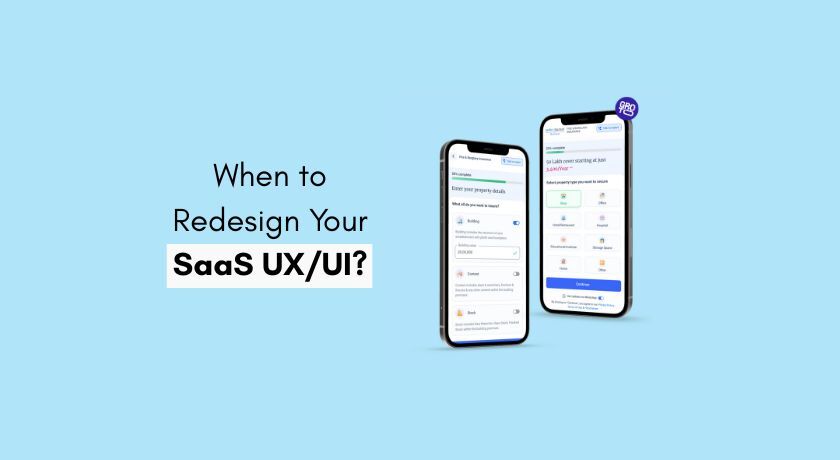
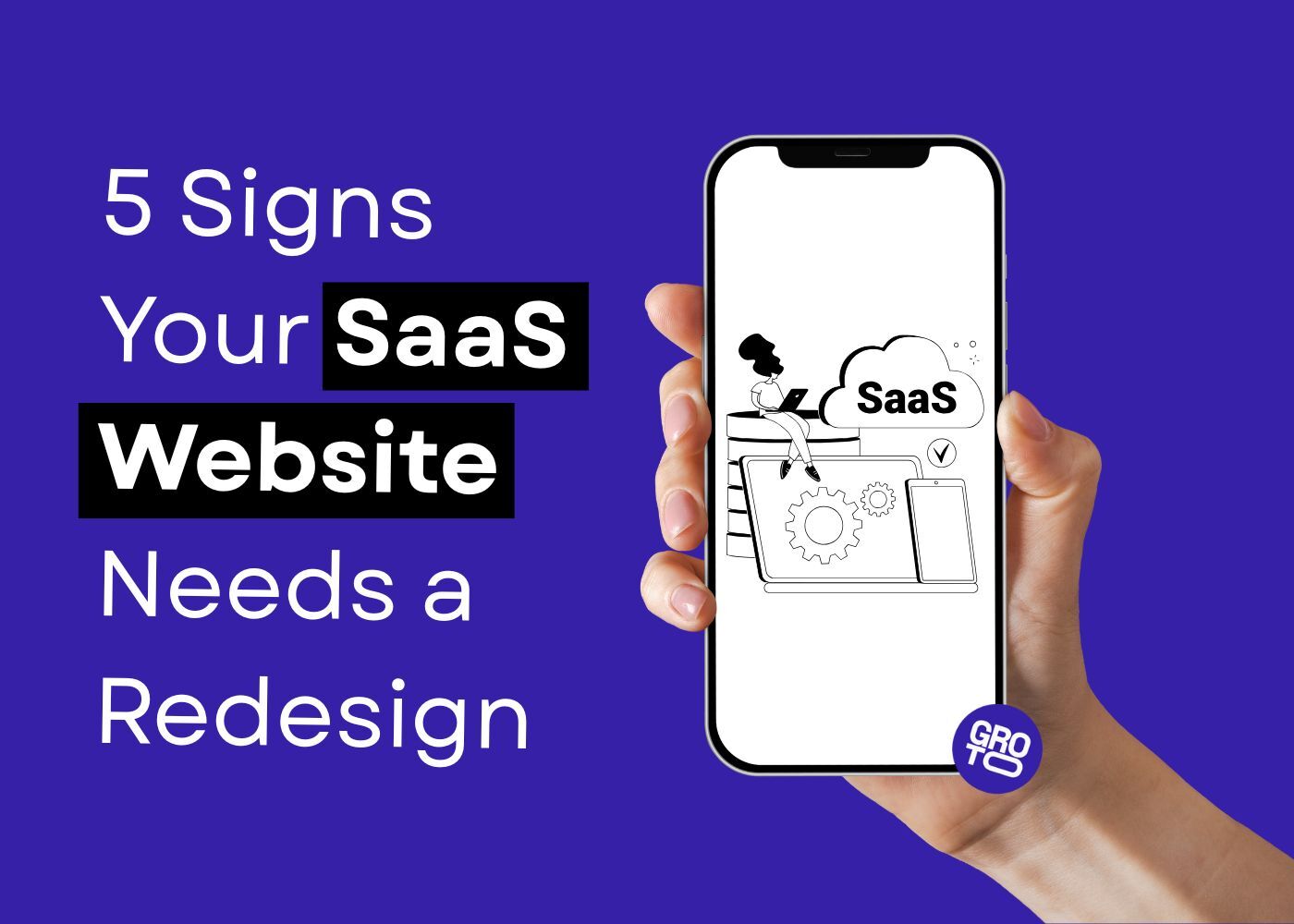
Running a SaaS business requires your website to function as your best sales tool. Good UI/UX design significantly impacts your product's success, while poor user experience and outdated interfaces damage conversion rates and brand image.
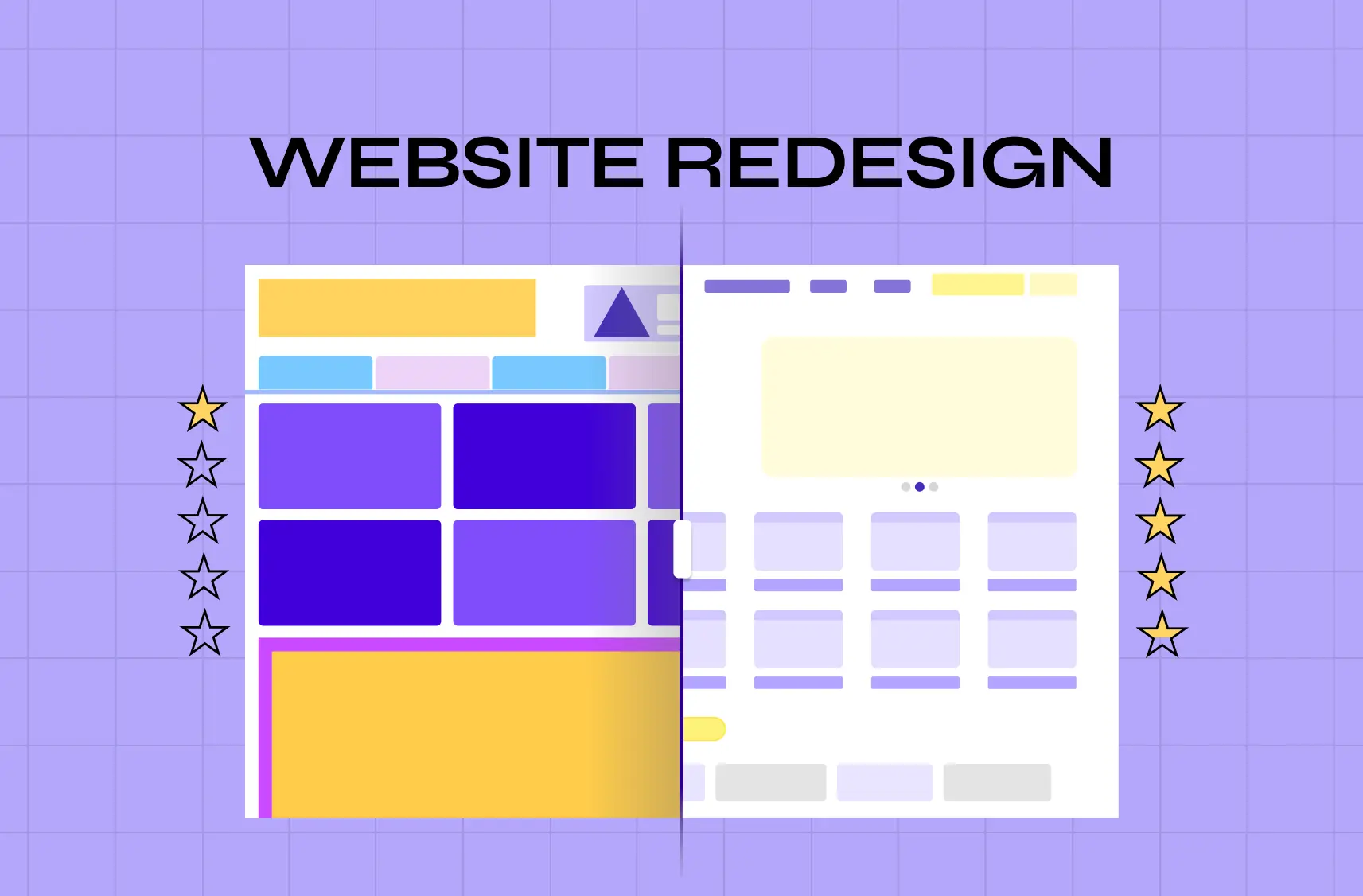
Most business owners miss crucial signals indicating when a website re-design would benefit their online presence. Your website serves as your digital storefront, and keeping it fresh, functional, and aligned with current standards remains essential for business growth — though what "current standards" actually means varies significantly depending on the types of websites businesses build, since a SaaS product site, a lead-gen page, and an ecommerce storefront each carry different design expectations and failure thresholds.Let's examine.
Five key indicators that it's time for a website redesign process
1. Non-Responsive Design

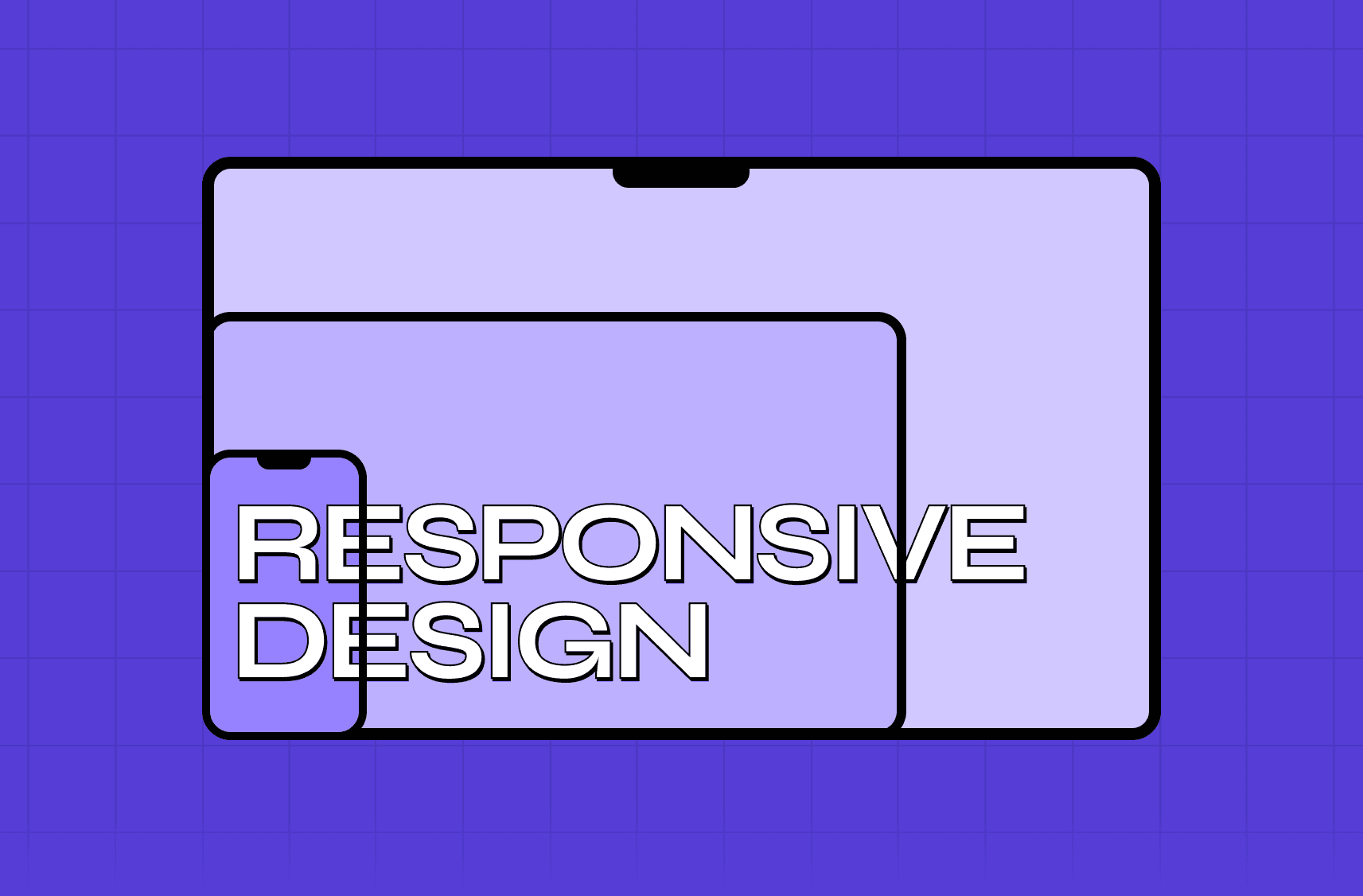
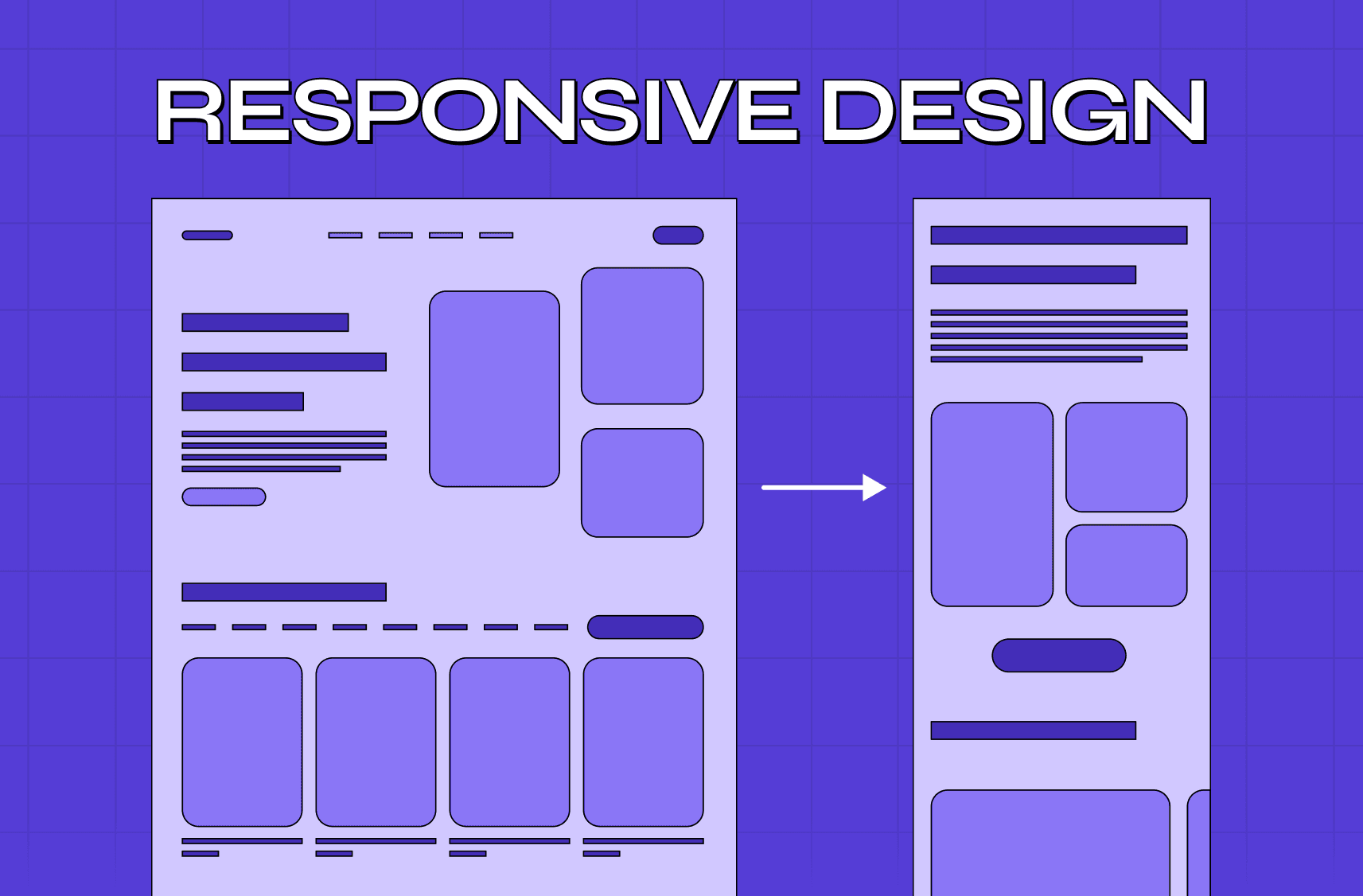
Your website might look fantastic on desktops but fall apart completely on mobile devices — the single most common flaw in older small business website builds. Mobile browsing continues growing exponentially, making responsive design absolutely critical. Distorted images, broken layouts, and unusable navigation on smaller screens drive potential customers away instantly.
Users expect seamless experiences regardless of device, with non-responsive designs causing frustration and high bounce rates
Mobile users represent a substantial portion of web traffic, and ignoring mobile-friendliness means losing potential customers daily
Competitors with responsive websites maintain significant advantages in user retention and conversion rates — a gap a UX competitive analysis makes concrete before you redesign
A proper website redesign ensures your site adapts perfectly to all screen sizes — and the non-responsive interface is just one of many SaaS UX failures and fixes that compound silently until bounce rates make the damage impossible to ignore.
2. High Bounce Rate
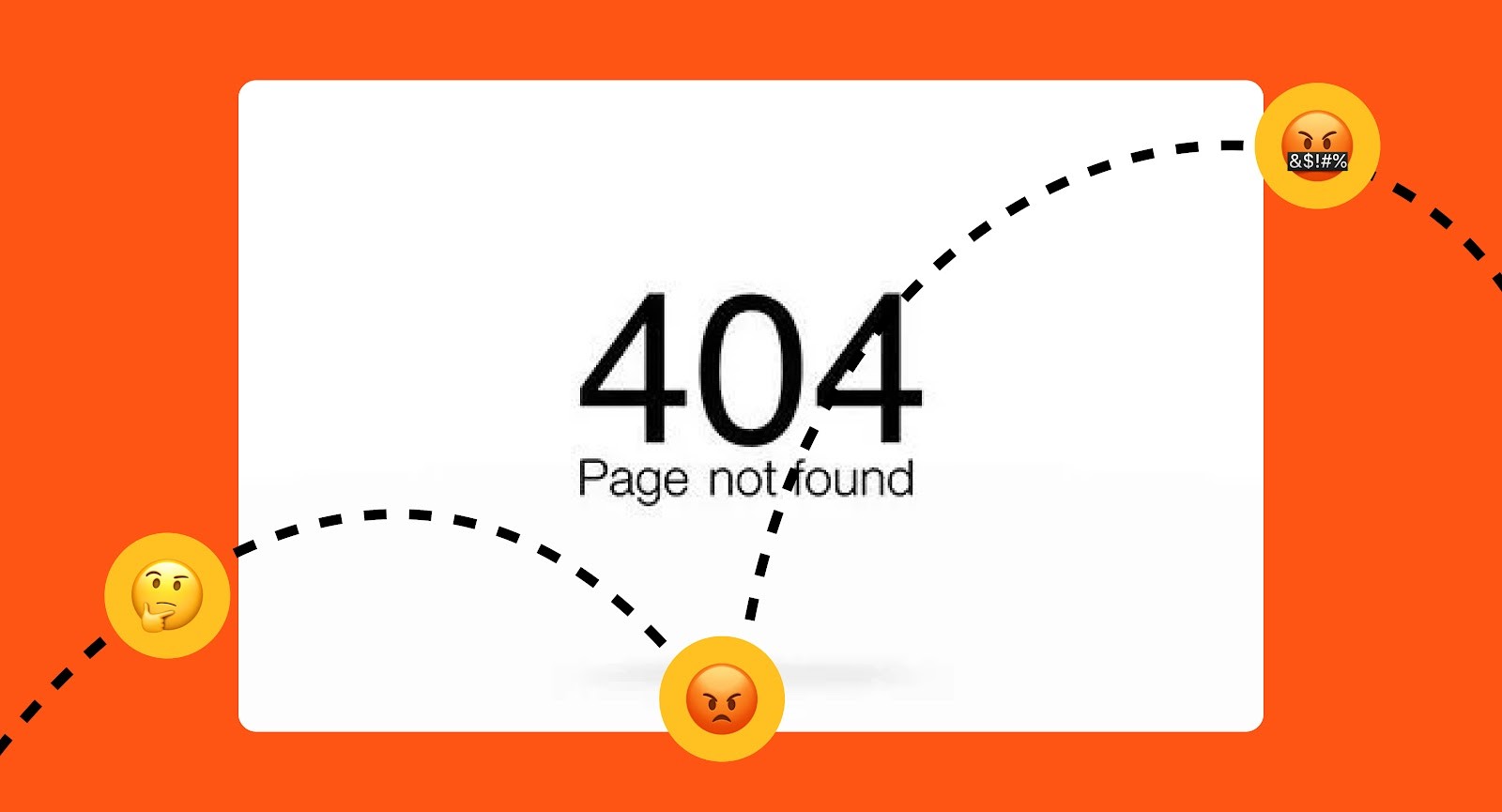
Visitors arriving at your site but leaving almost immediately signals serious problems requiring attention. High bounce rates often stem from confusing navigation, slow loading speeds, or unclear value propositions.
When users struggle to find information they need quickly, they immediately look elsewhere for solutions
Slow websites actively drive users away, with each second of load time significantly impacting stay rates
Unclear messaging about your offering and its value creates instant disconnection with potential customers
High bounce rates also negatively impact search engine rankings, creating a downward spiral of decreasing visibility — a symptom of accumulating UX debt. A strategic website redesign process addresses these fundamental issues — but knowing whether you need a surface refresh or a structural overhaul requires a SaaS UX redesign decision framework that distinguishes between symptoms and root causes before committing to scope.
3. Slow Page Load Speeds
Nothing frustrates users more than waiting for pages to load. Modern users expect instant gratification online, and even small delays cause abandonment. A one-second delay in loading time can reduce conversions by 7%, directly impacting your bottom line.
Fast-loading websites keep users engaged and satisfied, leading to measurably higher conversion rates
Search engines like Google prioritize fast-loading sites in rankings, giving speed a direct SEO benefit
Every fraction of a second counts in maintaining user attention and moving them through your sales funnel
Professional website redesign services prioritize performance optimization as a cornerstone of effective redesign strategies — and before engaging one, reviewing a SaaS website redesign cost breakdown gives teams a realistic budget framework that accounts for performance work, UX audit scope, and the handoff requirements that standard web redesign quotes routinely exclude.
4. Outdated Content & Unclear CTAs

Content that feels stale or calls-to-action lacking clarity severely undermine conversion potential. Your website content requires regular refreshing to maintain relevance and engagement with your audience — often the first sign a broader site modernization is overdue.
Fresh, relevant content keeps users interested and positions your company as current and authoritative
Clear, compelling calls-to-action guide users through your site, making next steps obvious and enticing
Strategic user guidance through well-structured content flows dramatically increases conversion rates
A comprehensive website redesign checklist should prioritize content auditing and CTA optimization — and building website maintenance and content upkeep into a regular cadence prevents content from going stale in the first place, reducing how often a full redesign becomes necessary.
5. Brand Misalignment
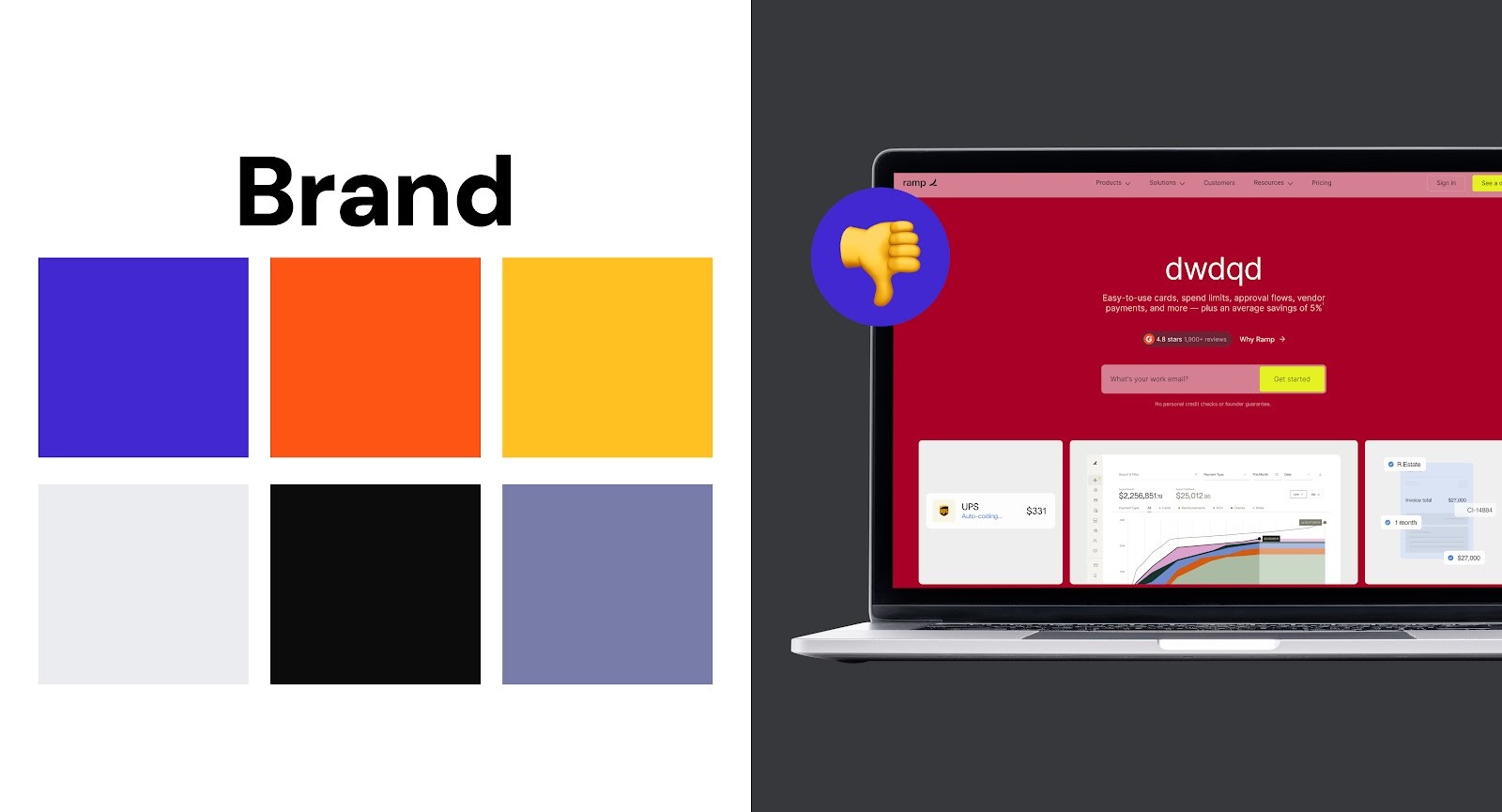
Your website must perfectly reflect your brand identity in every element. Misalignment between your brand values and website design creates jarring experiences that damage trust and recognition.
Consistent branding builds trust and recognition, with your website serving as your primary brand ambassador
Cohesive design across all elements enhances user experience, making your site memorable and trustworthy
Off-brand elements confuse users and harm credibility, undermining your marketing efforts elsewhere
Implementing a thorough website redesign process step by step ensures perfect alignment between your brand values and digital presence — and documenting what a UX design brief should cover before a redesign gives your team a shared reference for brand direction, scope, and success criteria from day one without losing the consistency that makes redesigns stick.
If your SaaS website displays any of these warning signs, initiating a website re-design could significantly enhance user experience, boost conversion rates, and strengthen brand alignment — though whether that means a refresh or overhaul depends on how deep the problems run. A strategically planned redesign — mapped to a realistic redesign timeline from the outset — transforms your website into a powerful sales tool, helping achieve business goals and maintain competitive advantages.
Ready to transform your online presence with a strategic website redesign? Let’s Talk and watch your business thrive with improved user experience and higher conversion rates!