In healthcare, trust is the brand. This guide breaks down what effective healthMeta Description:care branding looks like — from visual identity and patient experience design to real-world examples and strategies that drive lasting patient loyalty.
How strong branding builds the patient trust healthcare organizations depend on.

In most industries, a brand's job is to attract attention. In healthcare, its job is far more critical — it has to earn trust before a single appointment is booked.
According to Press Ganey (2025), 72% of consumers now start their healthcare journey with a Google search. Patients read 5–7 reviews before booking care, and 84% would reconsider a referred provider if their online rating dropped below 4 stars. They form opinions about your organization long before they've spoken to anyone on your team. What they encounter during that research process is, in large part, a branding problem.
At Groto — a perspective shaped in part by Groto's own rebrand story and what it taught us about the connection between brand clarity and business outcomes — we work with clients where the stakes of design are real. Healthcare sits at the top of that list. When done right, a strong brand identity doesn't just differentiate — it reassures.
What Is Healthcare Branding?
Healthcare branding is the strategic process of shaping how patients, caregivers, and communities perceive your organization — across every touchpoint, from a Google search to a follow-up appointment.
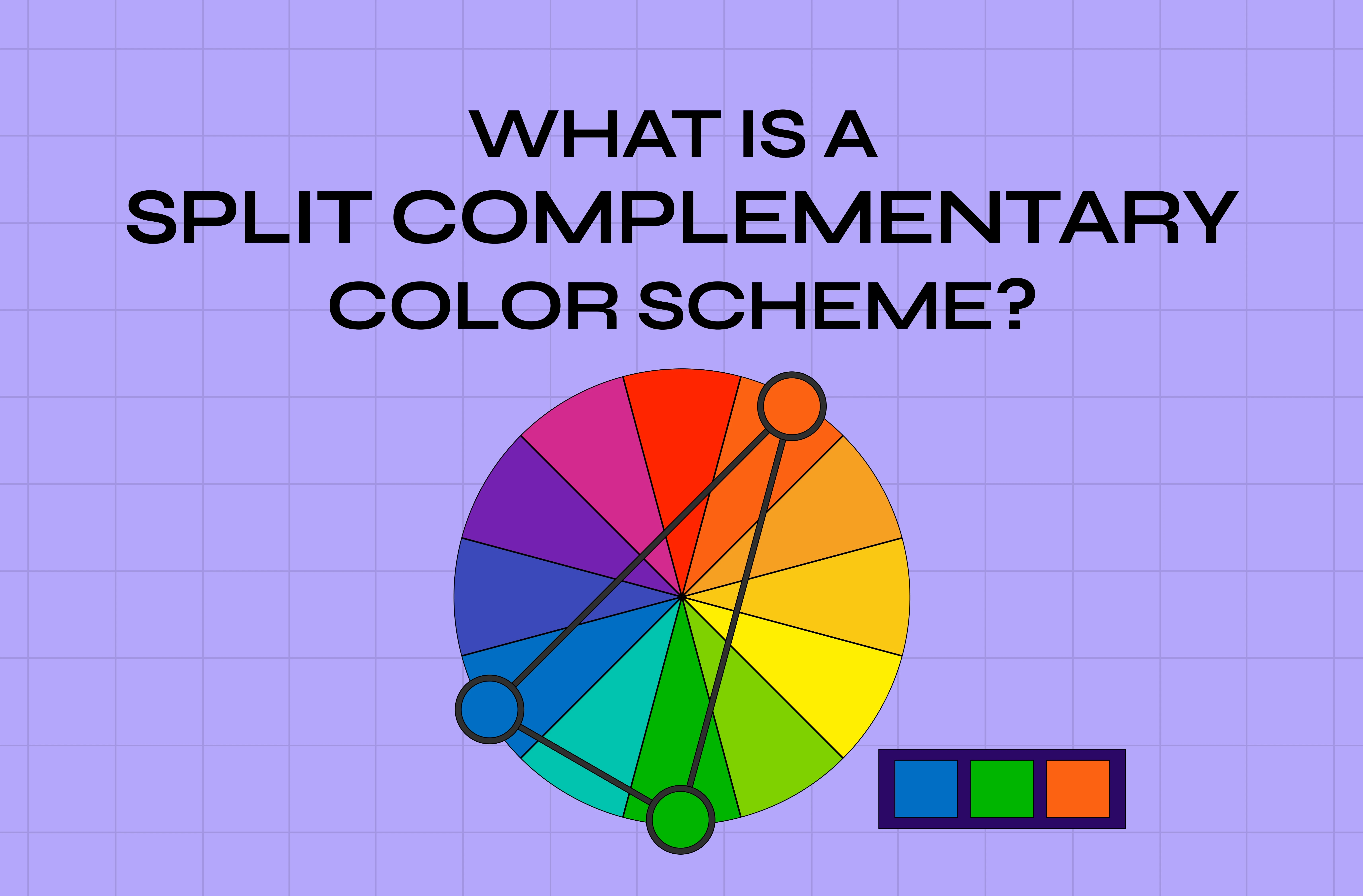
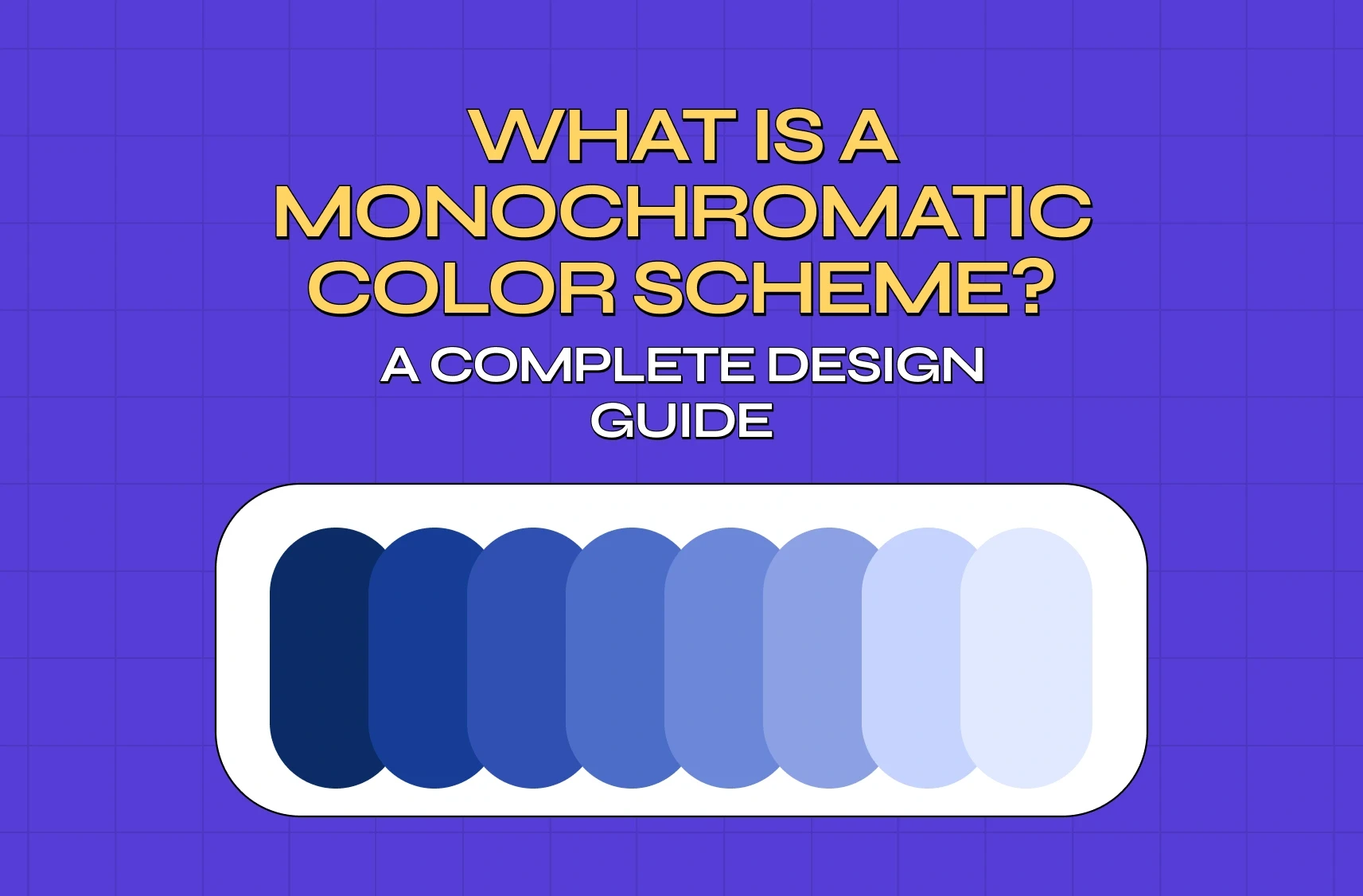
It goes well beyond a logo or a color palette— even a single decision like adopting a monochromatic color scheme carries strategic weight in environments where calm, consistency, and clinical trust must be communicated before a word is read. It is the alignment of visual identity, messaging, values, and patient experience into a single coherent story. That story has to work on two levels simultaneously: communicating clinical credibility and human empathy, often in the same breath.
What makes healthcare branding distinctly challenging is the nature of the decision patients are making. Choosing a healthcare provider is not like buying a product. It involves fear, vulnerability, urgency, and trust. Your brand has to speak to both the rational side of that decision — certifications, outcomes, facilities — and the emotional side: will I be heard? Will I be cared for? Does this organization understand what I'm going through?
The brands that get this balance right don't just win market share. They build patient loyalty that sustains them through competitive pressure and market shifts.
Why Is Branding Important in Healthcare?
The importance of branding in healthcare has grown sharply over the last decade, driven by one significant shift: patients have become consumers.
With the rise of high-deductible health plans and an explosion of choices — from large hospital networks to digital-first providers to walk-in clinics — patients are making active, informed decisions. They compare, evaluate, and choose. According to Tebra (2024), 47% of patients leave a medical practice due to unsatisfactory experiences — not clinical failure, but the feeling of not being seen, heard, or valued. That's a brand problem with a brand solution.
Consider what the data tells us:
72% of consumers begin their healthcare journey with a Google search (Press Ganey, 2025)
84% of patients would reconsider a referred provider if their online rating dropped below 4 stars (Press Ganey, 2025)
70%+ of consumers read online reviews when evaluating a new doctor (Digital Silk)
Hospitals with strong brand recognition see 24% higher patient volumes than lesser-known competitors (Advisory Board)
Strong employer brands in healthcare can reduce nurse turnover by up to 35%, directly affecting care quality and reputation
Beyond patient acquisition, branding in healthcare impacts:
Patient loyalty: Patients who feel emotionally connected to a healthcare brand are significantly more likely to return and refer others. Research shows consumers are four times more likely to return to a provider after a five-star experience than a poor one.
Talent attraction: Staff want to work for organizations they respect. Mayo Clinic doesn't just attract patients — it draws top medical talent globally, creating a cycle where brand strength enables clinical excellence.
Market positioning: In mergers, partnerships, and community expansions, brand equity is a measurable asset. Organizations with established brand reputations move through these transitions faster and with less friction.
Preventive care adoption: Communities with trusted healthcare brands show higher rates of preventive care utilization and earlier disease detection — meaning brand investment contributes directly to population health outcomes.
Key Elements of a Strong Healthcare Brand
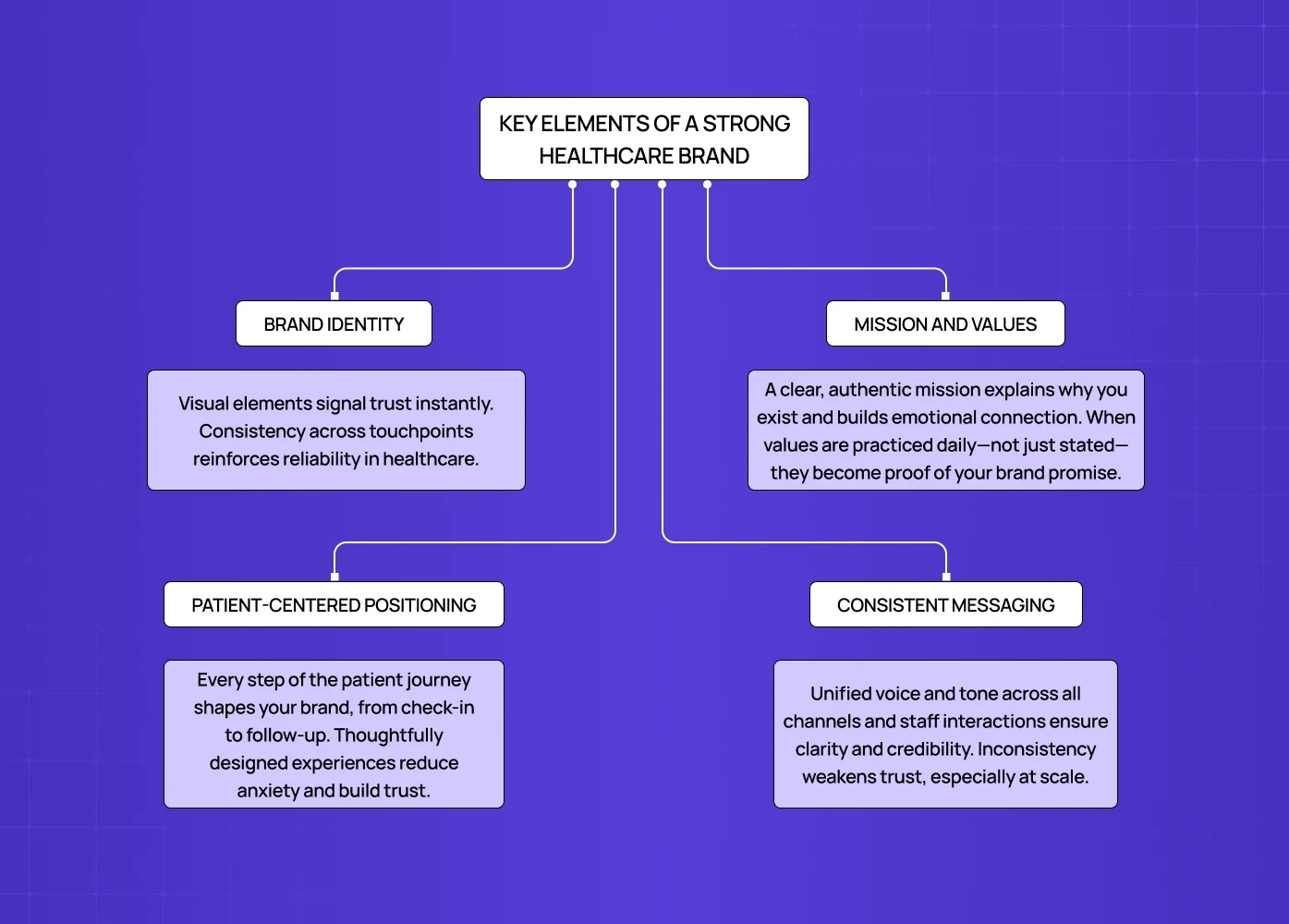
A strong healthcare branding framework is built on four interconnected pillars. Missing any one of them creates gaps that patients feel — even if they can't always articulate why.
Brand Identity
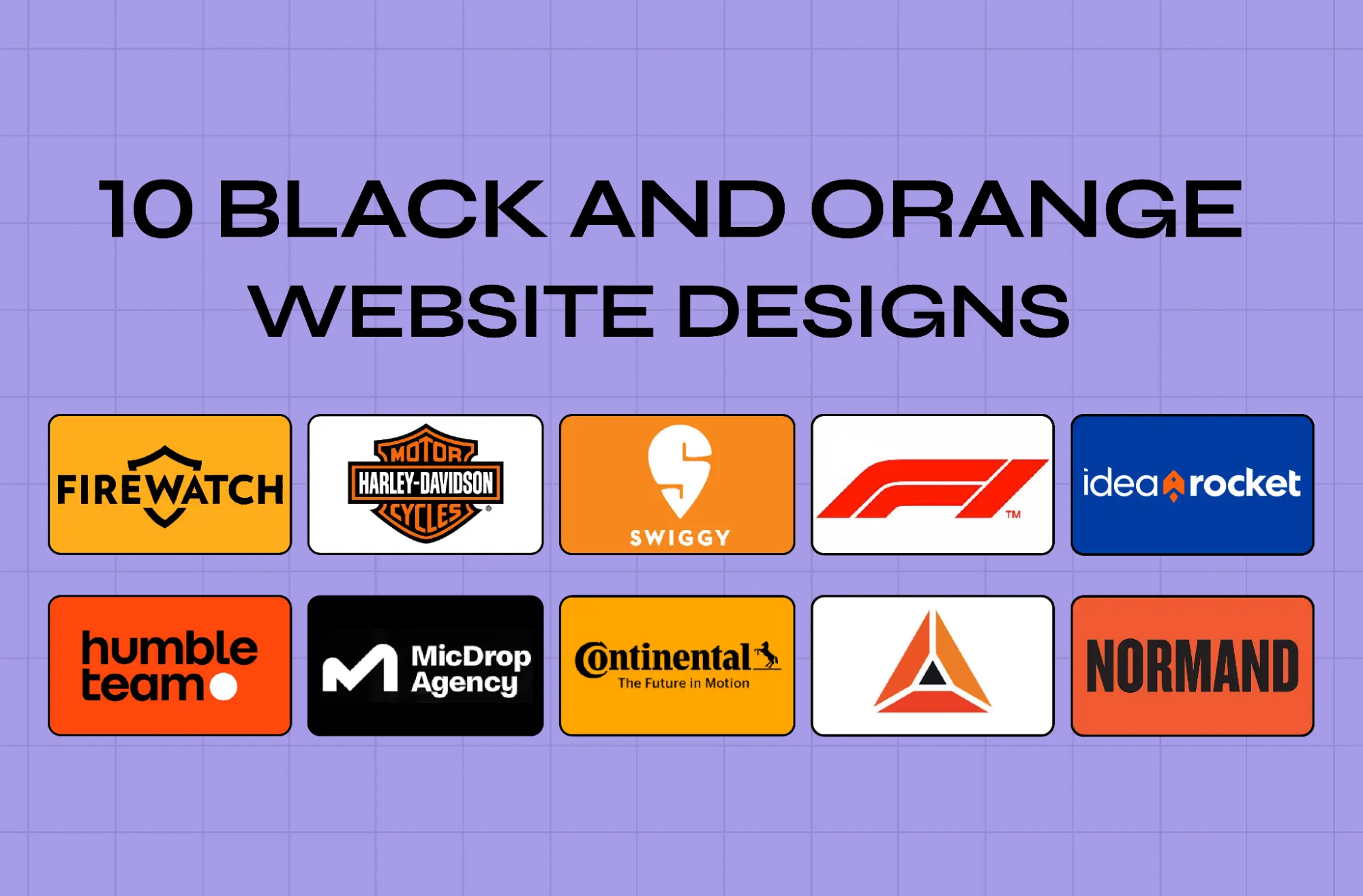
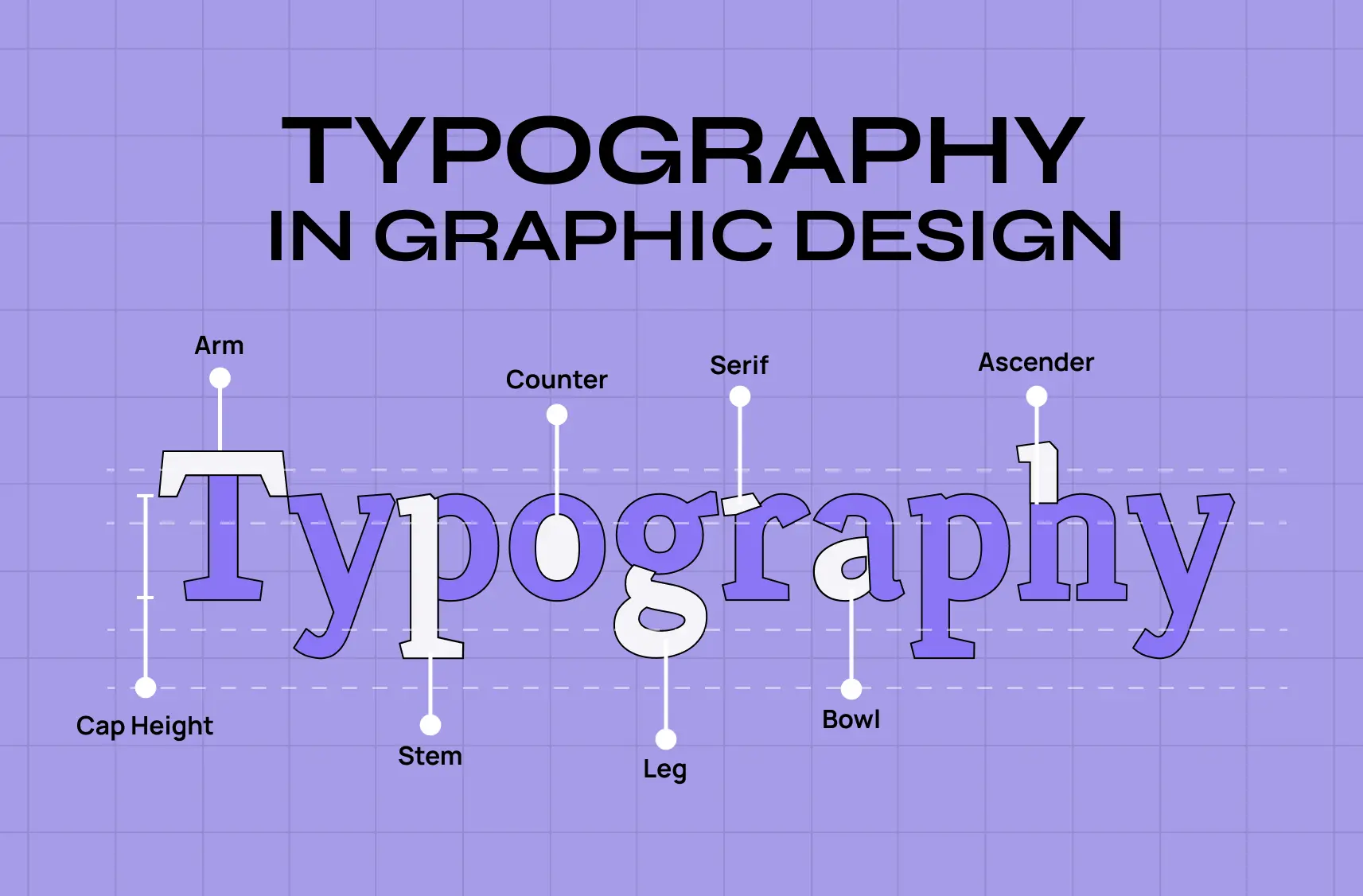
This is the visible layer — name, logo, color system, typography, and imagery. In healthcare, visual identity carries additional weight. Colors like clinical blues and greens aren't arbitrary — what different color palettes communicate to patients is well documented, and in a sector where calm and competence need to be signaled before a single word is read, those palette decisions carry real clinical weight.
Strong healthcare branding design ensures these elements remain consistent across every environment:
Hospital reception and signage
Website and app interfaces
Patient-facing documents, discharge letters, and billing
Social media and digital advertising
Staff uniforms and physical spaces
For healthcare organizations beginning this process, evaluating the best logo design companies with regulated-industry experience helps ensure the visual mark at the center of that system communicates trust before any other brand element is seen.
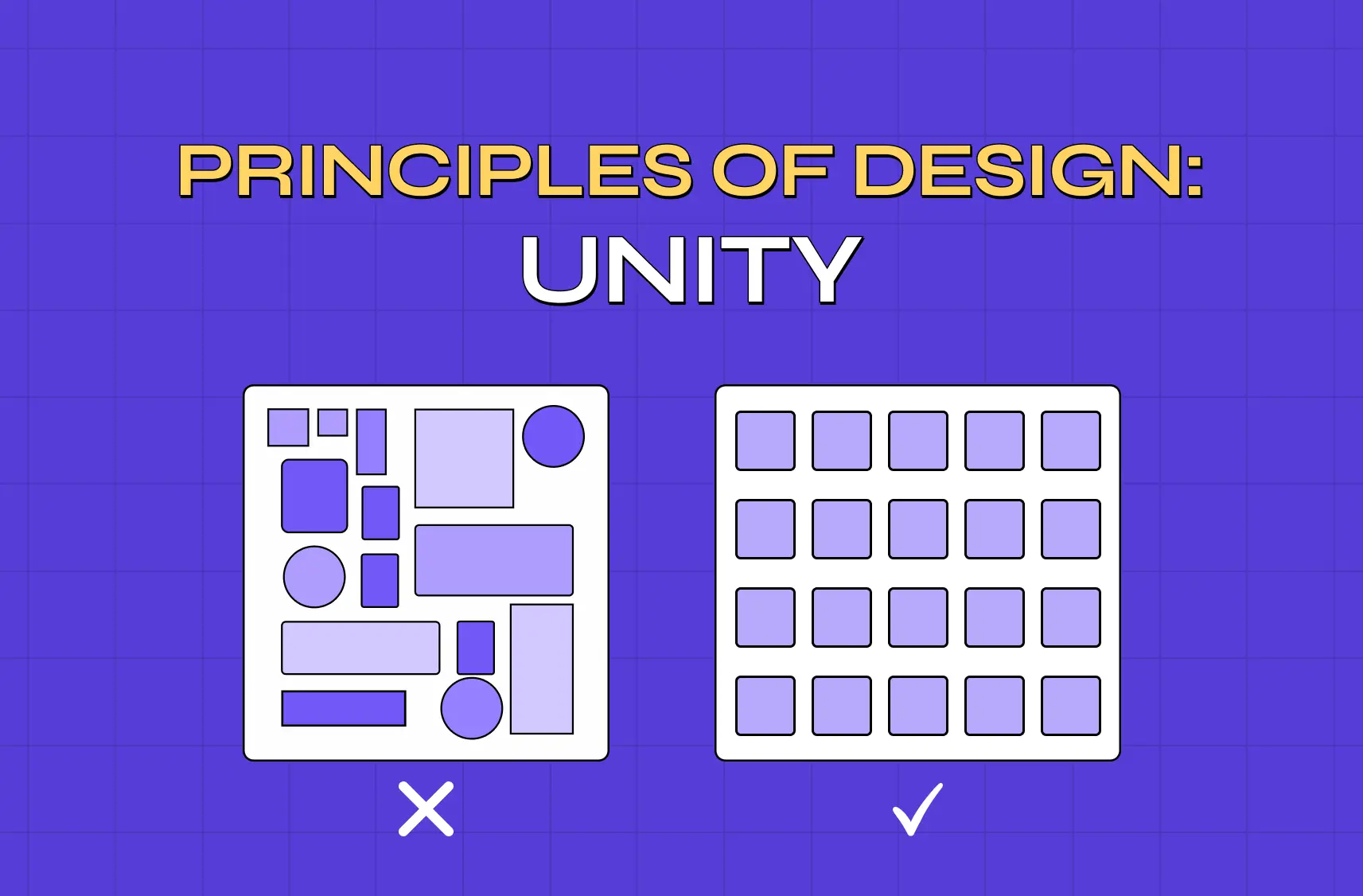
Inconsistency across any of these touchpoints erodes the perception of reliability — which is why the visual design principles that hold a brand together are not optional refinements in healthcare. They are the structural logic patients are reading, consciously or not. And in healthcare, perceived reliability is half the battle.
Mission and Values
Patients don't just want to know what you do. They want to know why — and this is where how a design philosophy is built and why it scales becomes foundational: a clearly articulated mission, one that reflects genuine values rather than boardroom language, shapes how patients and staff both relate to the brand. When values like accessibility, dignity, or patient-first care are embedded into daily operations, they become the most powerful proof of your brand promise. When they exist only in marketing materials, patients notice the gap immediately.
Patient-Centered Positioning
In healthcare, the emotional journey of the patient is part of the brand experience itself. Anxiety at check-in, confusion in billing, warmth in a follow-up call — these are all brand moments, whether you've designed them intentionally or not. Patient-centered brands treat the full care journey as a design problem:
What does the patient feel at their first digital touchpoint?
How does the waiting room communicate care before a provider arrives?
Does the discharge process feel as considered as the intake process?
Is follow-up communication human in tone, or purely transactional?
Every answer is a branding decision.
Consistent Messaging
Brand messaging in healthcare must hold across every channel and every team member. Whether a patient reads your website, receives a post-visit email, or speaks to front desk staff, the voice, tone, and values communicated should feel unified. Inconsistency at scale — especially across multi-location health systems — is one of the most costly and common branding failures in the sector.
Healthcare Branding Strategies That Actually Work
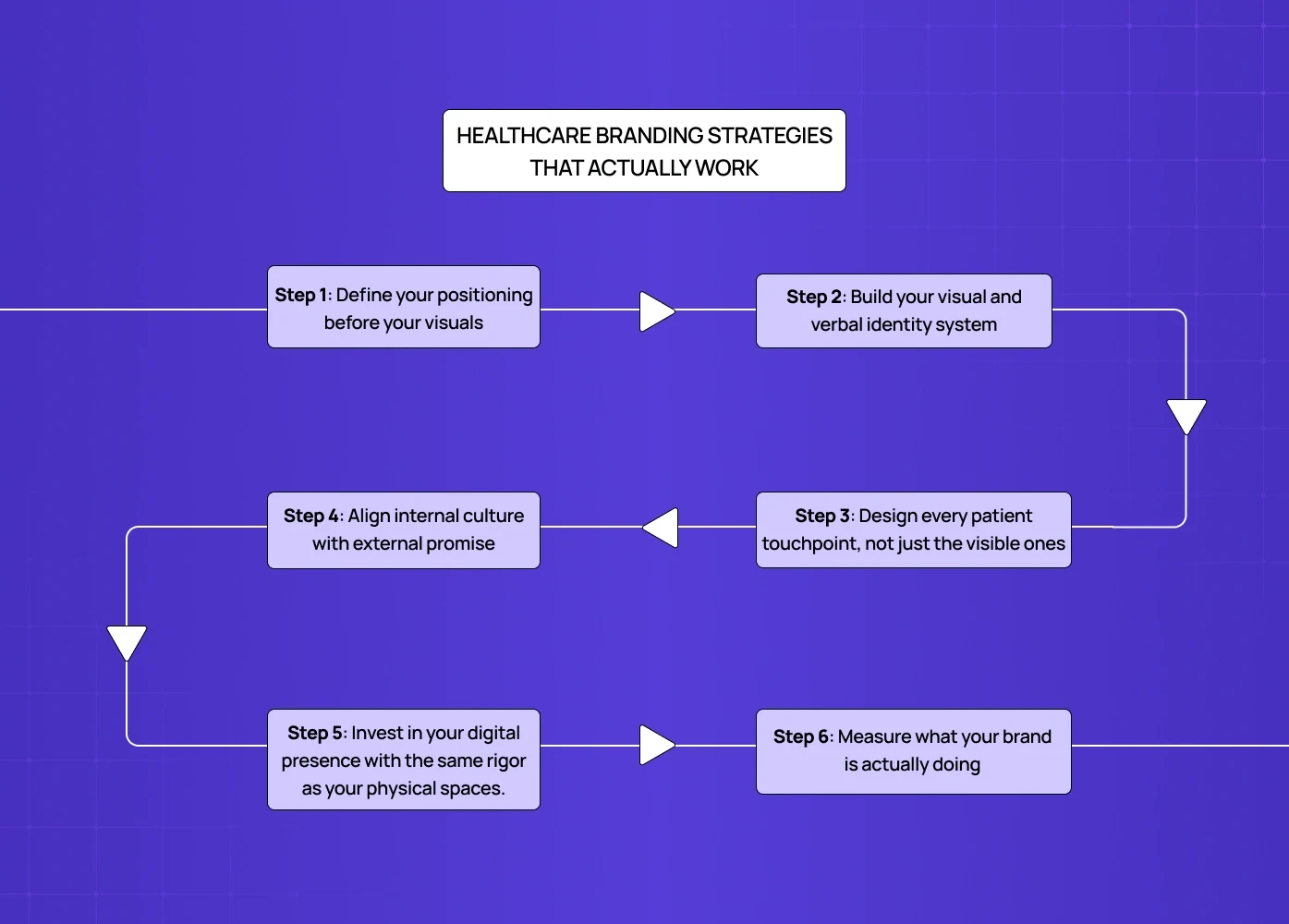
A healthcare branding strategy is only as strong as its implementation. Here is a sequence that moves from positioning through delivery to measurement — the order matters.
Step 1: Define your positioning before your visuals
Most healthcare organizations start with a logo. The strongest brands start with a question: what do we uniquely stand for, and for whom? This is the same discipline that governs what a company rebrand demands in terms of strategic positioning — your clinical specialties, patient population, and care philosophy all need to be distilled into a clear positioning statement before a single design decision is made. Generic claims — "compassionate care," "excellence in treatment" — no longer differentiate. Specificity does. According to the McKinsey Design Index, design-led organizations with clear, specific brand identities outperform industry benchmarks by up to 32% in revenue growth.
Step 2: Build your visual and verbal identity system
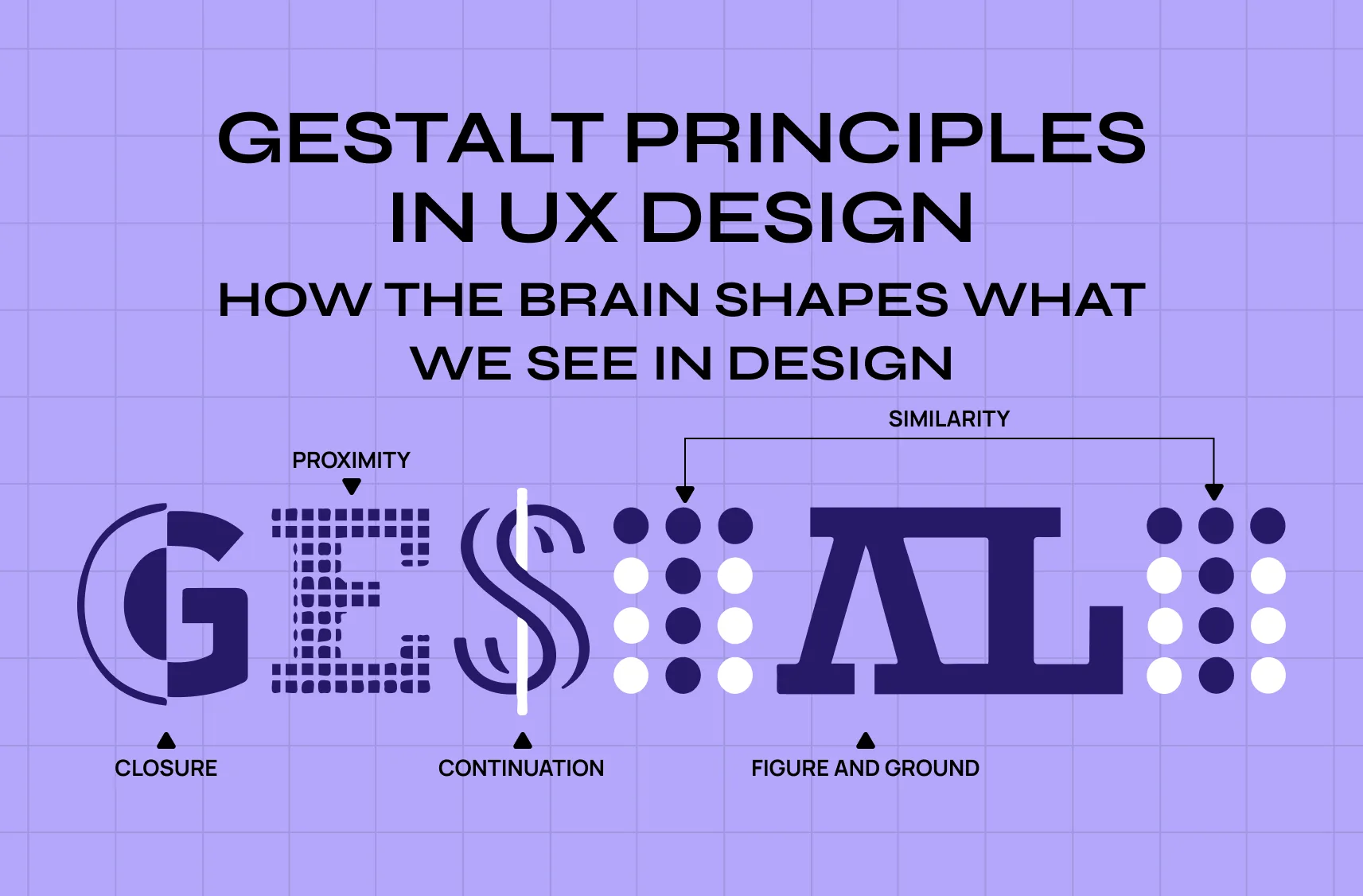
Once positioning is clear, the visual and verbal layers follow. Healthcare branding design must work across a wider range of environments than most sectors — from clinical signage and patient-facing documents to mobile apps and social channels. Colors, typography, imagery style, and tone of voice all need to cohere across these contexts — and the 13 principles of design that govern visual coherence, from hierarchy and contrast to balance and alignment, are what make that consistency feel intentional rather than arbitrary.
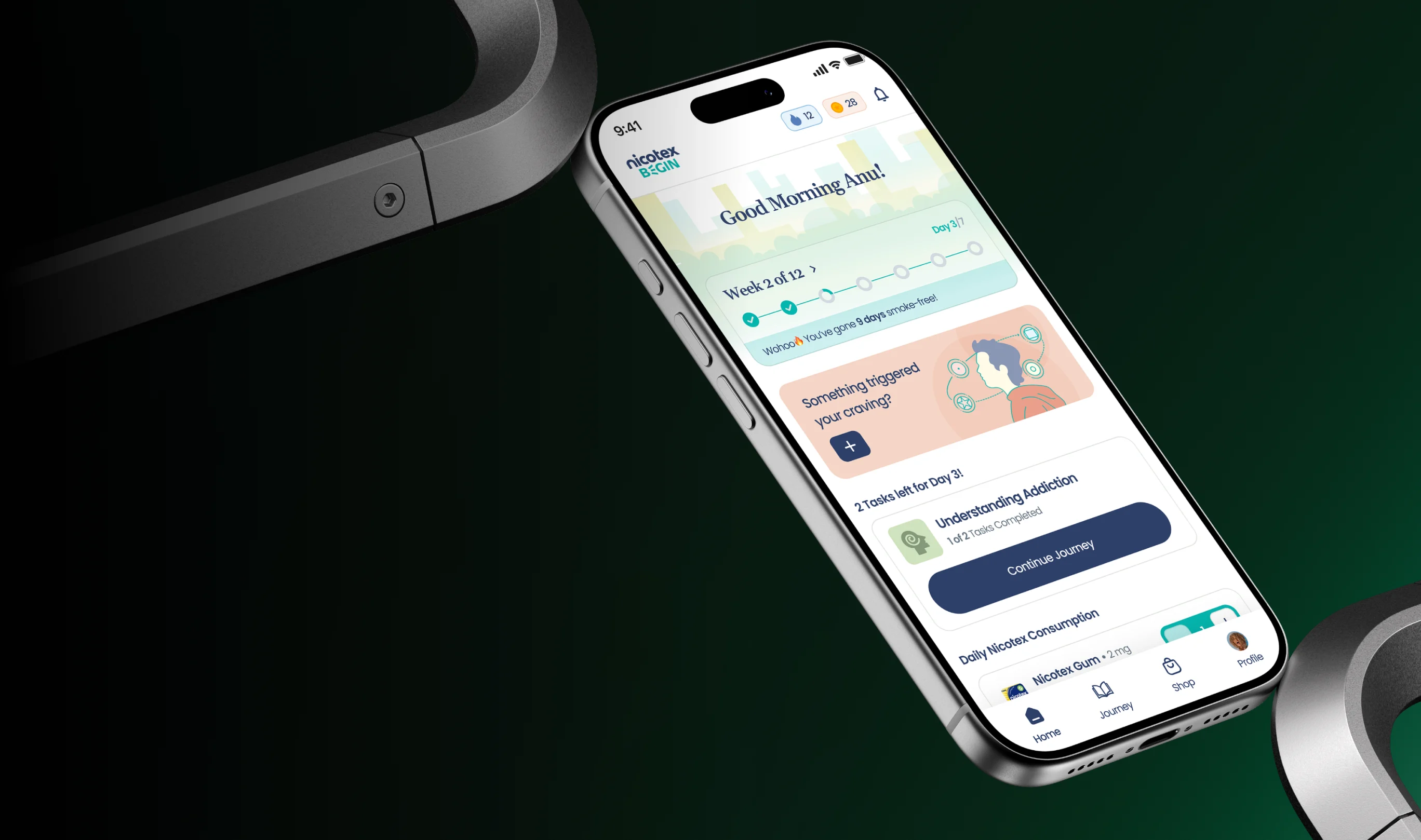
At Groto, our work on Gini — a health tracking platform spanning DNA insights and AI-powered food logging — required exactly this: a visual and interaction language that felt consistent and trustworthy whether a user was reading a health report or logging a meal.
Step 3: Design every patient touchpoint, not just the visible ones
A beautifully designed website that leads to a confusing intake process is still a broken brand experience — and what brand experience design actually means in practice is the deliberate shaping of every moment a patient encounters, not just the visible ones. Map the full patient journey — from first digital impression to post-care communication — and treat every touchpoint as a brand moment. The waiting room, the billing email, the hold music, the discharge letter: each one either reinforces or undermines the promise your brand makes publicly.
Step 4: Align internal culture with external promise
Your frontline staff are your brand's most visible expression. When a receptionist's tone, a nurse's communication style, or a billing team's empathy aligns with what the brand communicates externally, trust compounds. When it doesn't, even the most polished brand identity collapses at the human moment — which is why healthcare organizations working with the best branding agencies treat internal alignment and external identity as a single brief, not two separate workstreams.
Brand training for frontline teams is not a soft investment — it is central to brand delivery. Forrester research indicates that improving patient-facing CX in healthcare correlates directly with higher satisfaction scores and reduced churn.
Step 5: Invest in your digital presence with the same rigor as your physical spaces
More than 72% of patients start their healthcare journey online (Press Ganey, 2025). Yet many organizations invest heavily in physical environments while neglecting their digital brand. A cohesive digital presence — from website to telehealth platforms to social channels — is now baseline expectation, not a differentiator. Providers who rank well and present consistently online are not just winning clicks — they are winning patient trust before any human interaction takes place.
Step 6: Measure what your brand is actually doing
Most healthcare organizations track marketing metrics — impressions, clicks, ad spend. Fewer track brand metrics. The most useful indicators of healthcare brand strength include:
Net Promoter Score (NPS): Are patients actively recommending you?
Patient lifetime value: Are patients returning across service lines over time?
Referral rate: What proportion of new patients come through word-of-mouth?
Online review volume and velocity: Are reviews accumulating consistently, not just in bursts?
Share of voice: How visible is your brand relative to competitors in your market?
Tracking these signals over 12–24 months reveals whether your brand investment is compounding — or leaking. For teams building the business case internally, a clear framework for how to calculate the ROI of design and UX investment is what separates brand decisions that get funded from those that stall. Brand building in healthcare operates on longer timelines than campaign marketing, but the returns are structural rather than transactional.
Healthcare Branding Examples Worth Learning From
The best healthcare branding examples share one quality: the brand promise matches what the patient actually experiences. What's notable about the most instructive examples today is that they cut across both legacy institutions and digital-native challengers.
Mayo Clinic
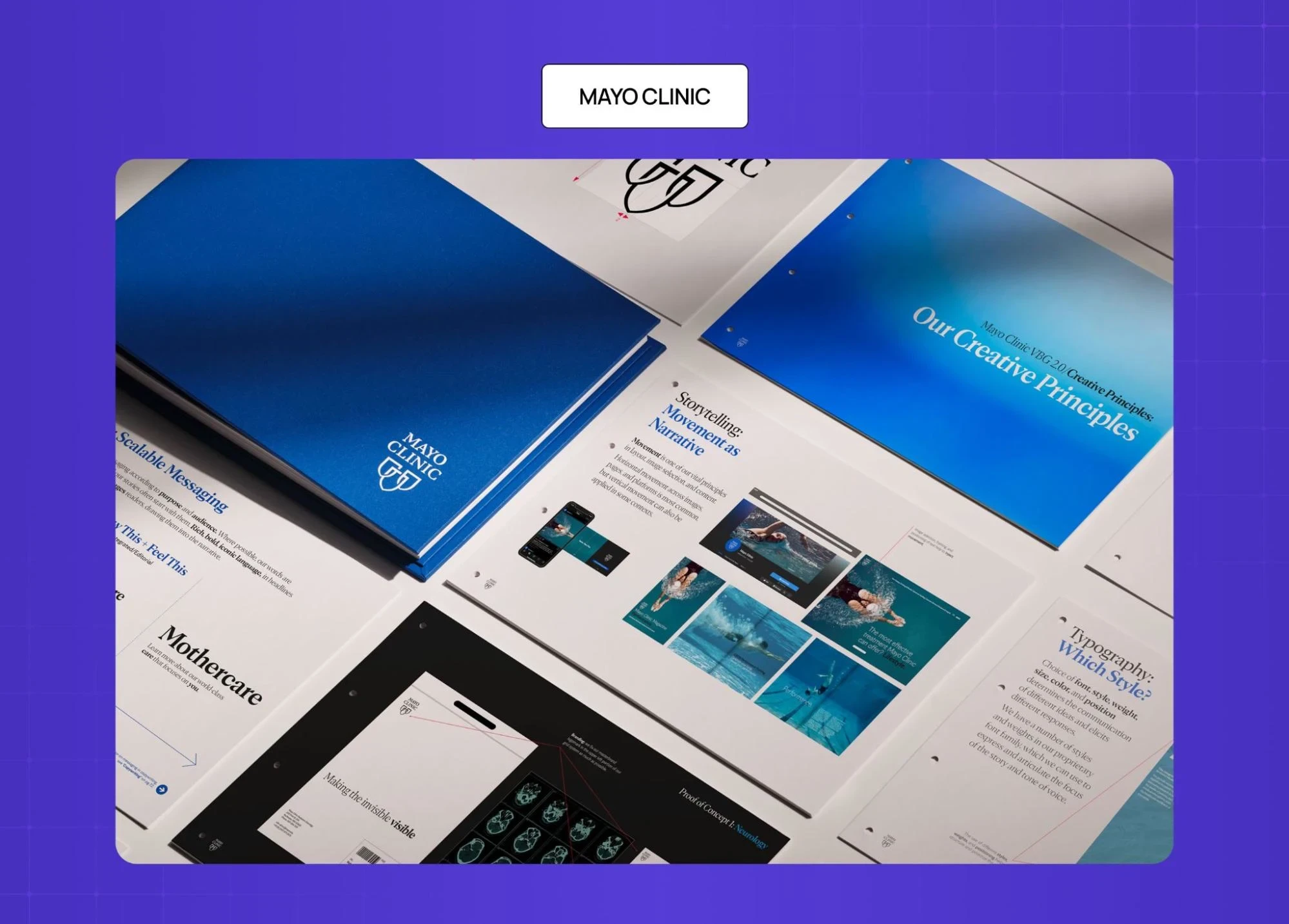
They built one of the world's most trusted healthcare brands not through advertising spend, but through the relentless operationalization of a single promise — the patient comes first. Every policy, every physical environment, and every care model reflects that commitment, making the brand self-reinforcing year after year.
Cleveland Clinic ‘
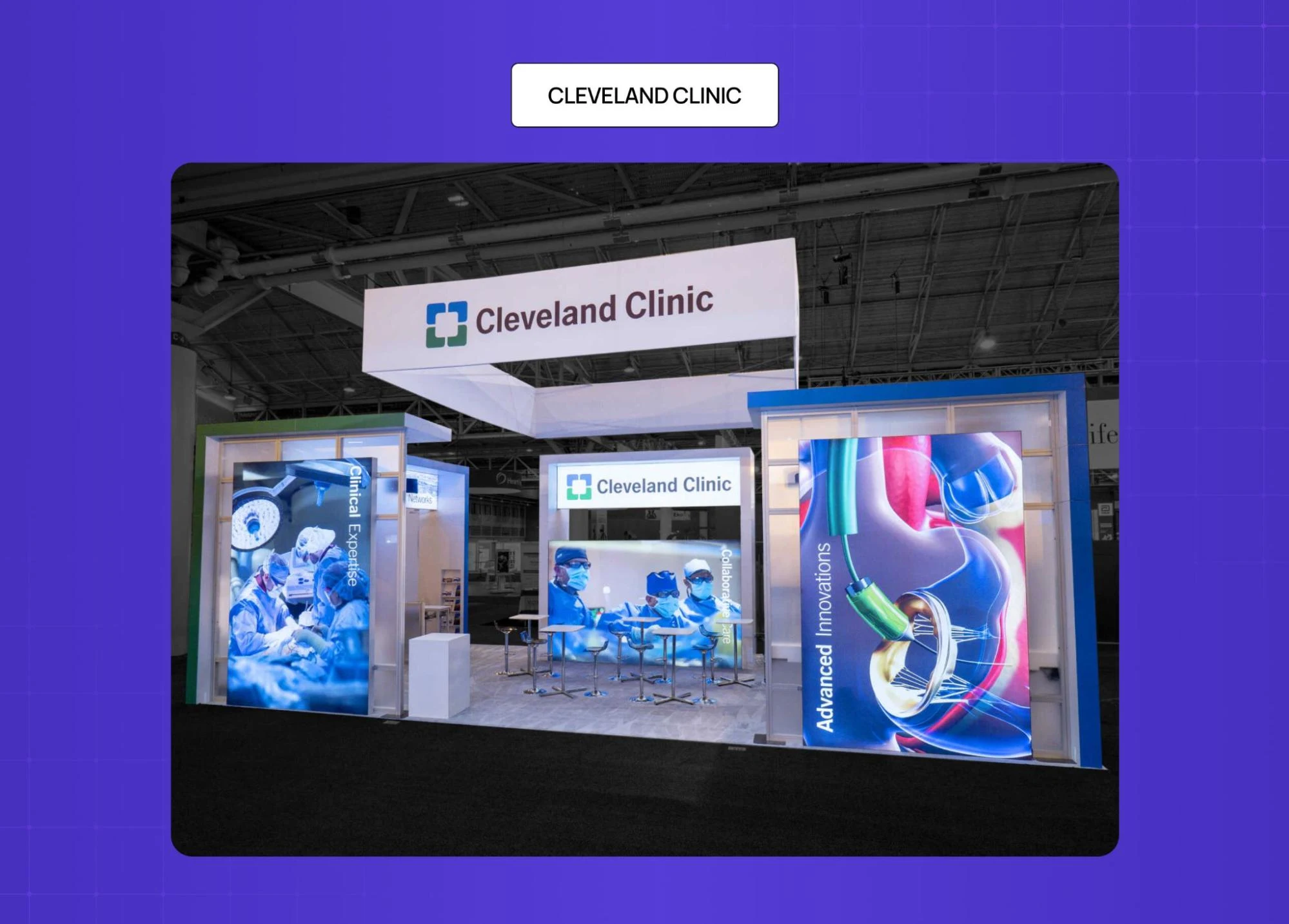
It demonstrates how a clinical positioning — world-class cardiac care — can be humanized through patient storytelling without losing institutional authority. Their brand holds clinical and emotional dimensions in balance in a way that is rare and deeply effective.
PillPack by Amazon
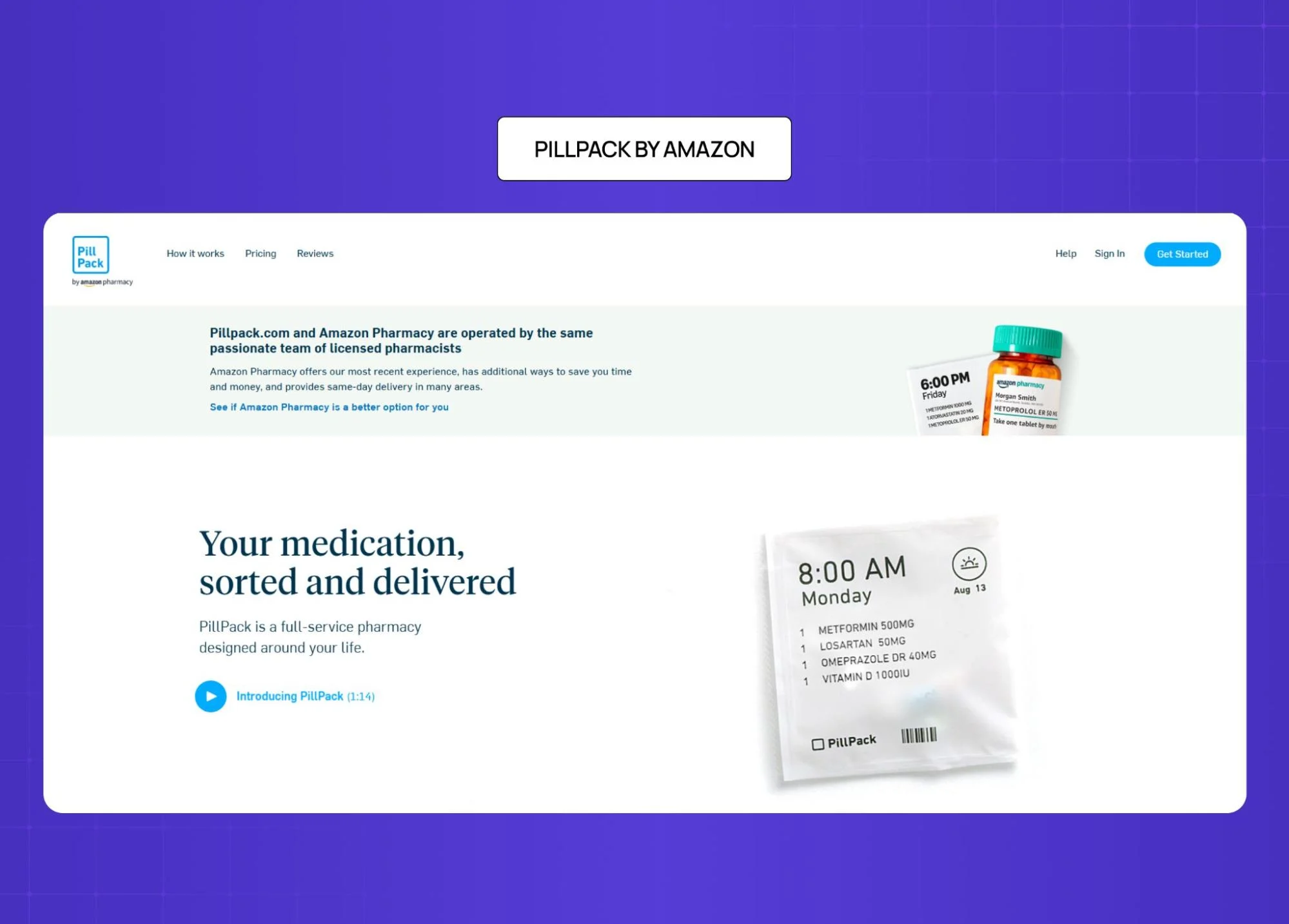
It shows what happens when a healthcare brand is built around radical convenience and personalization from day one. By delivering medications in pre-sorted, date-labeled packets and leaning on Amazon's trust infrastructure, PillPack built a brand identity that made pharmacy feel like a premium, considered experience rather than a transaction.
Zocdoc
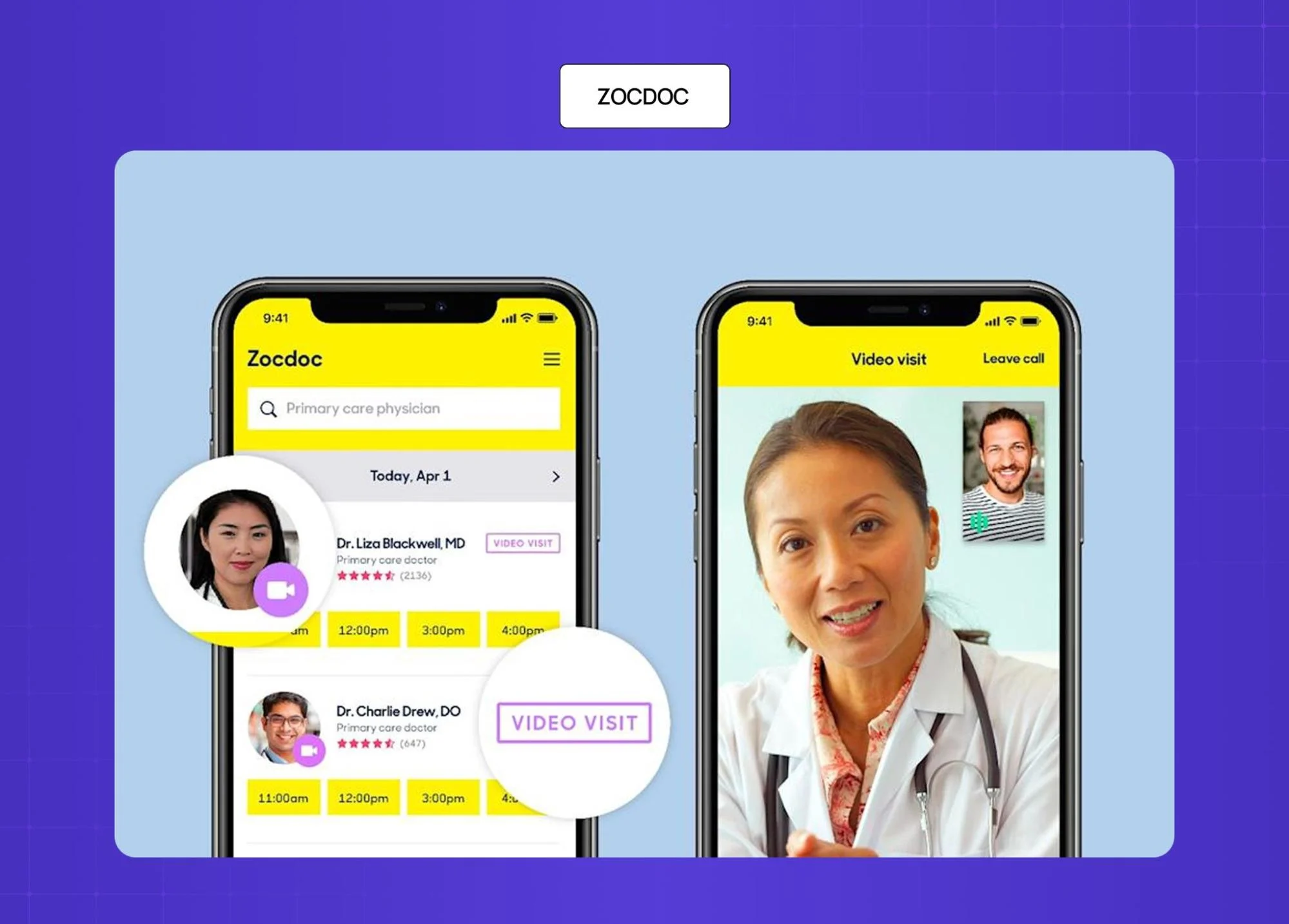
They built its brand on a single, clear promise: finding and booking a doctor should not be harder than booking a restaurant. Their clean, consumer-grade UX and transparent availability system turned a friction-filled process into a trusted digital brand — a textbook example of how SaaS go-to-market strategies can reframe competitive positioning, making accessibility itself a lasting advantage in a market that had long undervalued it.
Forward Health
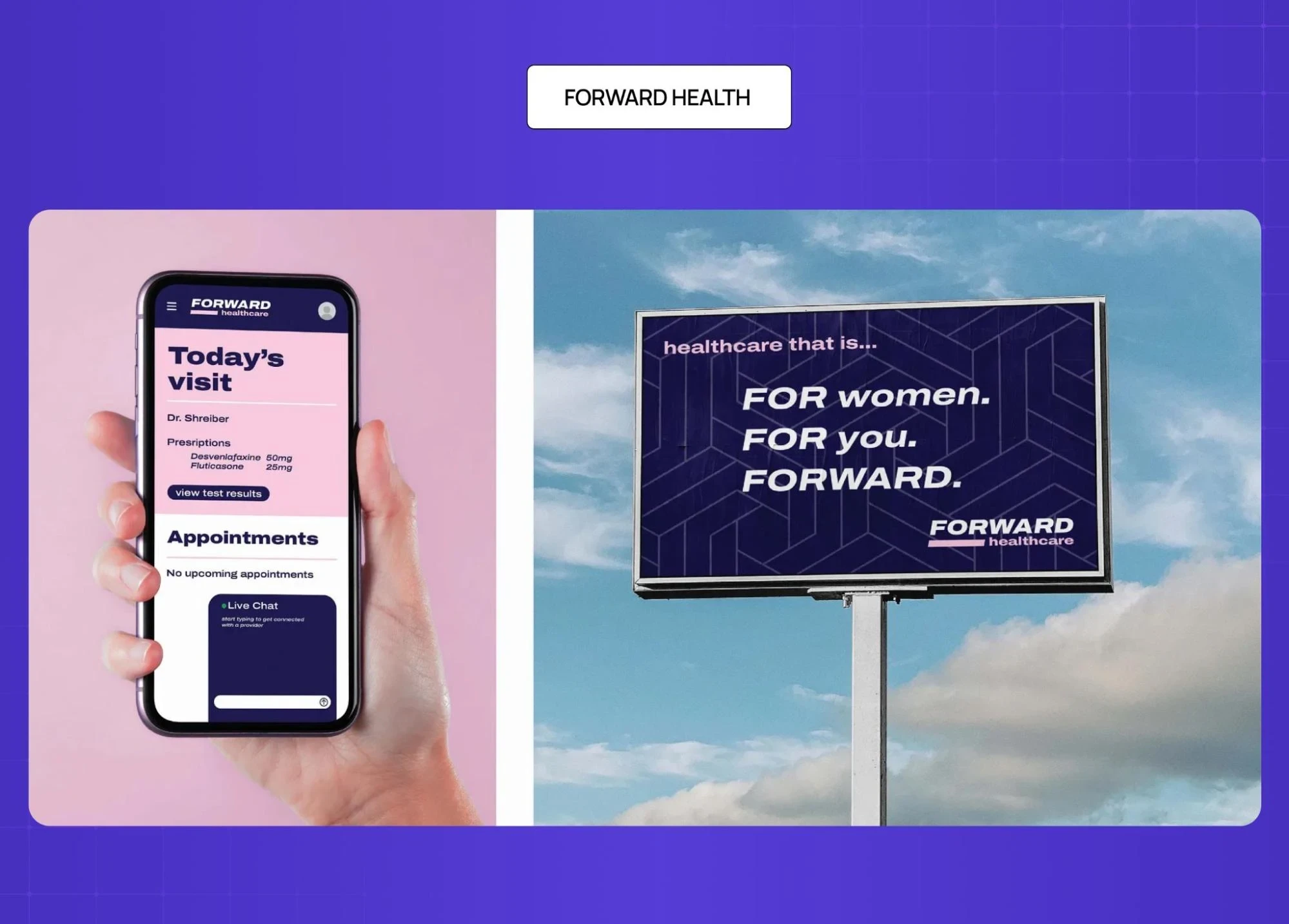
They centered its brand on a technology-first, prevention-focused care model. Built by Google veterans, Forward's visual identity, physical clinic design, and digital experience all reflect the digital product design principles that underpin experiences like Forward's: coherent, intentional, and built around a single brand promise — this is healthcare reimagined from the ground up.
What links all five? None of them are selling a commodity. Each has made deliberate design and positioning choices that communicate a specific, ownable promise — and then built their operations around delivering it consistently.
Common Challenges in Healthcare Branding
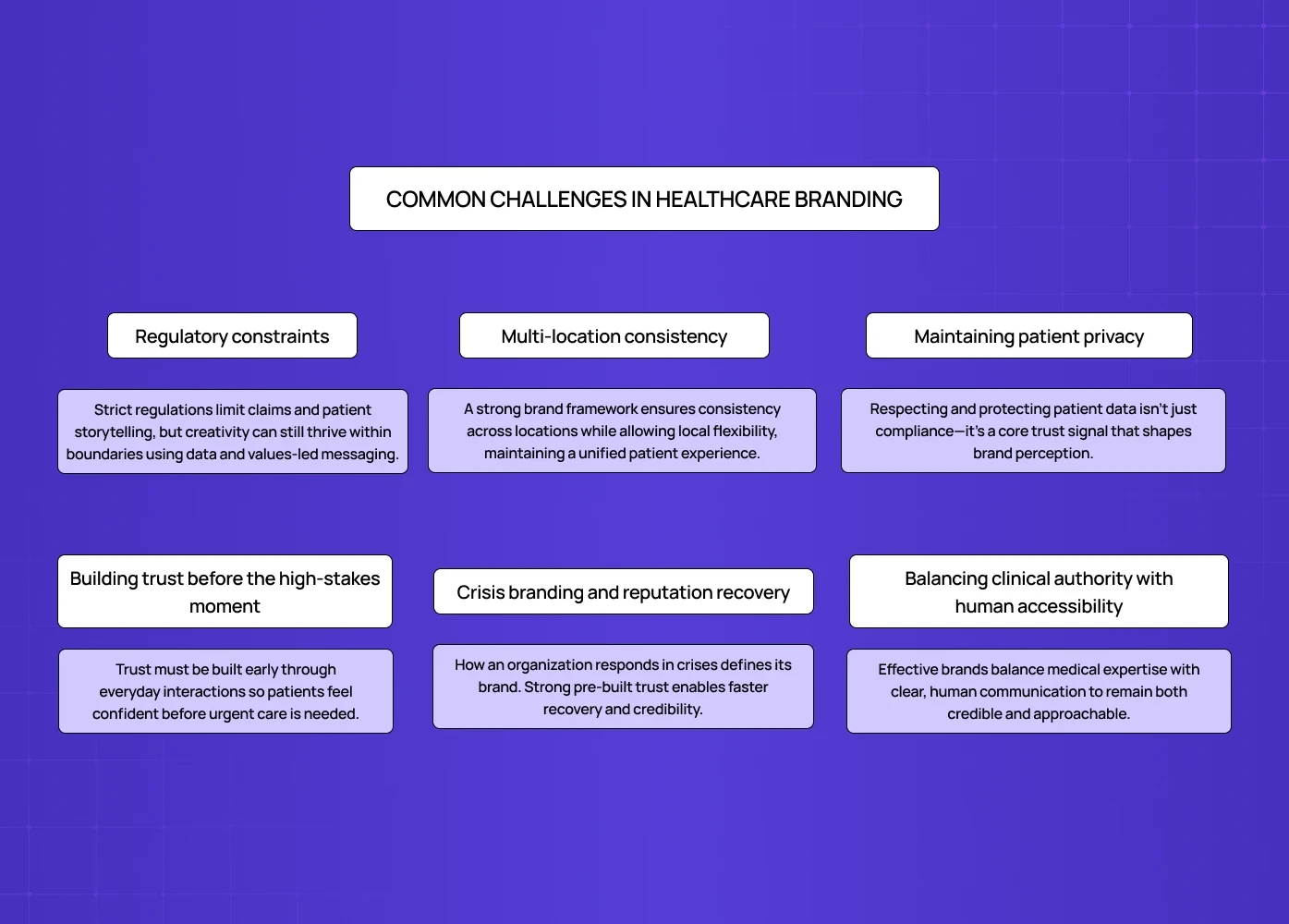
Even the best-intentioned healthcare branding strategy runs into sector-specific obstacles. Understanding them upfront is part of building a strategy that holds.
Regulatory constraints
HIPAA compliance and medical advertising regulations limit what can be claimed and how patient stories can be used. The brands that navigate this best don't avoid creativity — they channel it. Composite patient narratives, aggregate outcomes data, and values-led messaging all work within regulatory guardrails while still building genuine connection.
Multi-location consistency
Health systems operating across multiple sites face the challenge of delivering a unified brand experience when each clinic or department operates with some independence. The solution is a well-structured brand system — and for organizations also building digital platforms alongside physical locations, understanding how design systems support consistent brand delivery at scale is central to that framework: non-negotiable core standards at the center, with tactical flexibility for local adaptation at the edges. Geisinger Health System's ProvenCare model is a strong example — a brand promise operationalized through integrated billing, transparent pricing, and consistent patient communication across locations.
Maintaining patient privacy
Beyond regulatory compliance, patients have heightened expectations around how their data and stories are handled. Every branding decision that touches patient identity — testimonials, case studies, social proof — must be approached with care. How an organization handles privacy is itself a brand signal.
Building trust before the high-stakes moment
A patient in a health crisis is not in an optimal state to evaluate a brand for the first time. Trust must be built in advance — through consistent, low-stakes interactions: content, community presence, digital touchpoints, and reputation management. By the time a patient urgently needs you, the brand should already feel familiar and safe.
Crisis branding and reputation recovery
Every healthcare organization will, at some point, face a moment that tests its brand: a patient safety incident, a data breach, a negative media cycle, or a viral complaint. How an organization responds in those moments is itself a brand statement. Organizations with strong brand equity before a crisis recover faster — patients extend more goodwill to brands they already trust. The brands that struggle most are those attempting to build credibility during a crisis rather than drawing on it. A proactive reputation strategy — monitoring review signals, maintaining transparent communication, and having a response framework in place before it's needed — is as much a brand asset as a well-designed logo, and that same proactive thinking applies to colour decisions: healthcare colour pairings built for trust hold up under scrutiny in ways that arbitrary palette choices do not.
Balancing clinical authority with human accessibility
Brands that over-index on clinical language risk alienating the very patients they need to reach. Those that over-index on warmth can appear less credible to clinical audiences. The balance requires deliberate brand voice development — something that sits squarely at the intersection of communication strategy and design thinking.
Healthcare Branding Trends Shaping the Sector
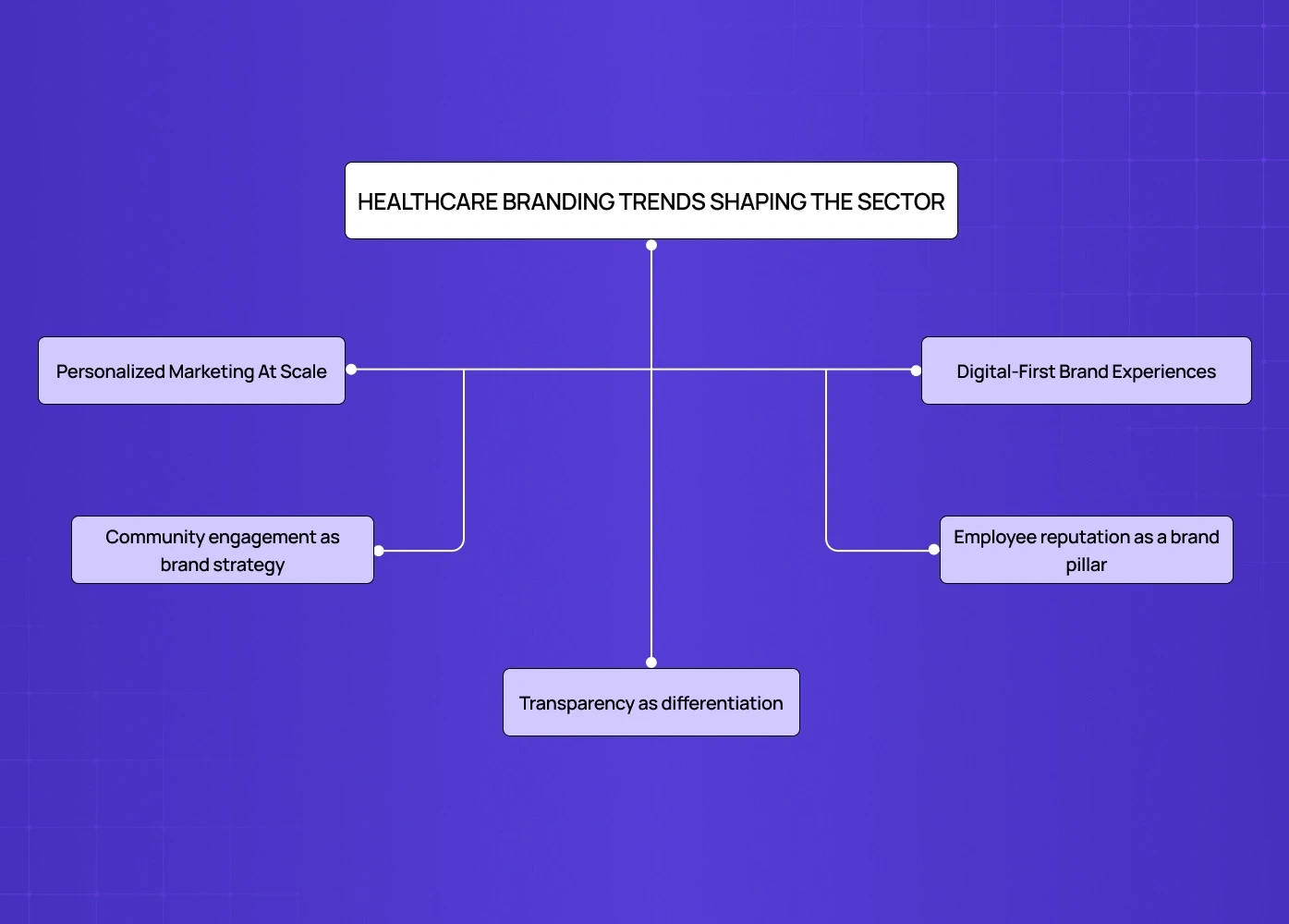
The healthcare sector is shifting quickly, and the brands leading it are adapting early.
Personalized marketing at scale: Patients increasingly expect communications tailored to their specific condition, background, and preferences — not generic health content. AI-driven tools are making this level of personalization viable even for mid-sized providers.
Digital-first brand experiences are now table stakes: telehealth platforms, health apps, wearables, and patient portals are primary brand touchpoints, and understanding what SaaS branding looks like for digital health products is increasingly essential for organizations building patient trust through software. Those that treat digital touchpoints as secondary to physical environments are already losing ground.
Community engagement as brand strategy: Healthcare brands that invest in local health events, partnerships, and public education programs build the kind of ambient trust that no advertising campaign can replicate.
Employee reputation as a brand pillar: In an industry facing persistent workforce shortages, employer brand is now inseparable from patient-facing brand. The organizations winning top clinical talent are the same ones patients trust most — and for digital health companies, understanding vertical SaaS strategy clarifies how single-industry software platforms build employer and patient-facing brand simultaneously, since the product experience and the employer promise share the same regulated context.
Transparency as differentiation: As patients become more financially literate about healthcare costs, brands that communicate pricing, outcomes, and processes clearly are building credibility that competitors who obscure those details simply cannot match.
Conclusion
Healthcare branding is a strategic discipline, not a marketing exercise — it directly shapes patient trust, loyalty, and organizational growth.
Strong brand identity in healthcare must operate on two levels simultaneously: clinical credibility and human empathy, both present and in balance.
A well-built healthcare branding framework covers visual identity, mission and values, patient-centered experience design, and consistent messaging across every touchpoint.
The best healthcare branding examples — from Mayo Clinic to Zocdoc to Forward Health — succeed because their brand promise is operationalized into daily processes, not just communicated in campaigns.
Common challenges — regulatory constraints, multi-location consistency, privacy management, crisis recovery, and trust-building timelines — are design problems as much as they are marketing ones.
Emerging trends like digital-first experiences, personalized marketing, and employer brand are reshaping what healthcare branding must deliver in the years ahead.
At Groto, we bring the same design rigour we apply across any trust-critical brand to healthcare challenges — and for organizations beginning that process, knowing how to choose the right web design agency for healthcare is often the first decision that determines whether the brand work holds. Because in this sector, every design decision is a trust decision.