
A high-performing UI/UX design process is not about screens or aesthetics. It is about structuring user journeys to reduce friction, increase activation, and turn product interactions into measurable business growth.
Great products aren’t designed randomly. They’re architected.
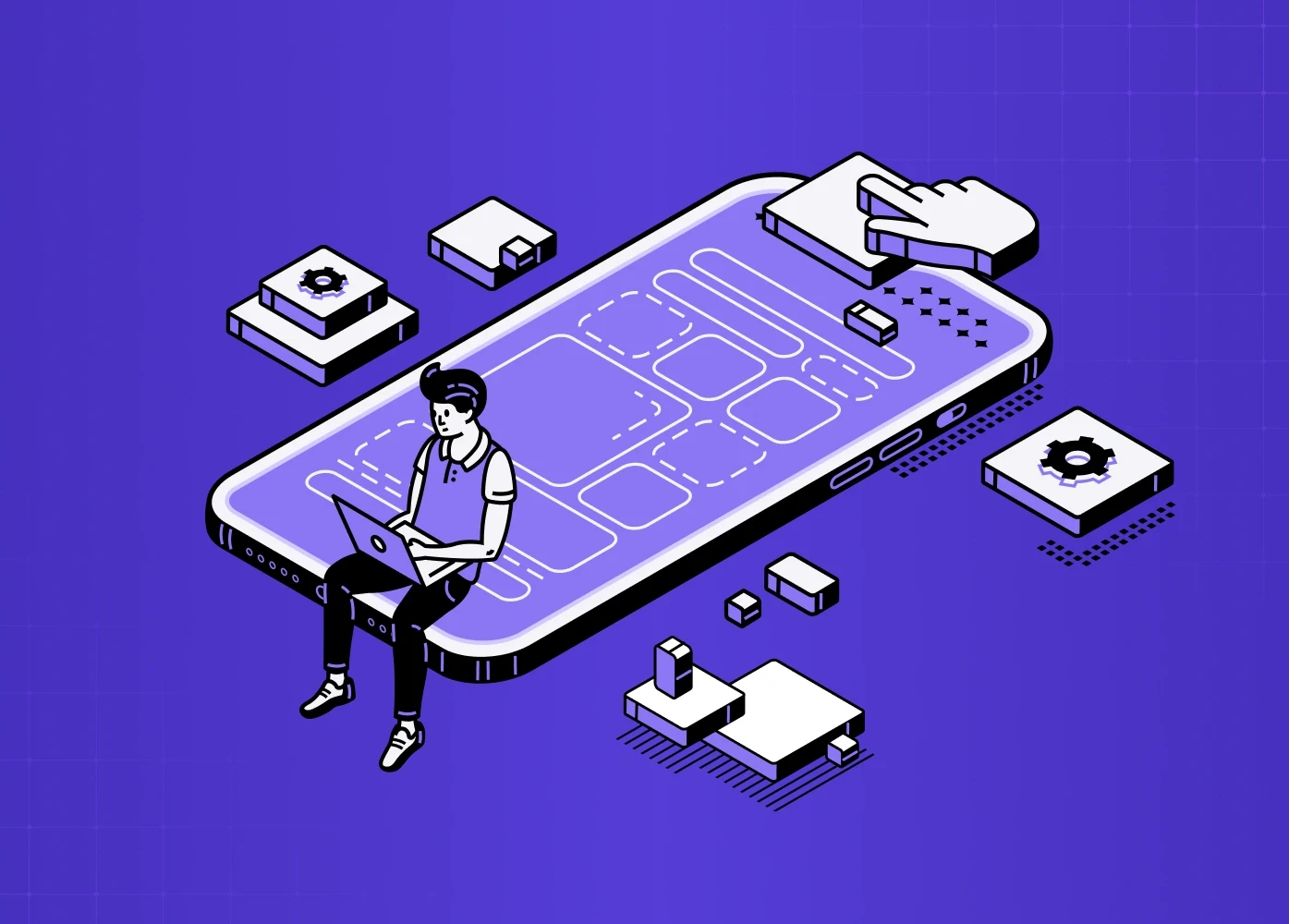
Most Products Don’t Have a Design Problem. They Have a Process Problem.
If users are signing up but not activating…
If features are shipped but rarely used…
If churn feels confusing and inconsistent…
It is rarely because the interface looks bad.
It is because the experience was never architected end-to-end.
High-performing products are not designed screen by screen. They are built through a deliberate system that connects user behavior to revenue outcomes.
That system is what separates visual polish from real performance.
Why Process Determines Conversion
Conversion is not a button color decision.
It is the result of:
• How quickly users understand value
• How much cognitive effort each step requires
• Whether momentum builds or stalls
• Whether the product answers “What now?” at every moment
When design happens without a structured workflow, teams unintentionally increase friction at critical points.
A disciplined approach prevents that.
The Framework Agencies Use to Build High-Performing Products
This is not theoretical. It is how experienced product teams — and the agencies they partner with — operate when results matter. This structured approach aligns closely with a broader UI/UX strategy framework used by growth-focused agencies, ensuring design decisions connect directly to business outcomes.
The reason it works is that it draws on the full range of UX disciplines behind high-performing products, from behavioral psychology and information architecture through to service design and data analytics, rather than treating design as a single skill applied to screens.
1. Start With Revenue Behavior, Not Screens
Before wireframes begin, the right questions are asked:
• What user action correlates with revenue?
• What event predicts long-term retention?
• Where do users hesitate today?
These answers form the written brief every wireframe is then measured against.
For one B2B SaaS platform we audited, 62% of trial users completed onboarding - but only 27% reached the first meaningful activation milestone.
The interface looked clean.
The problem was sequencing.
After restructuring the activation path and removing two premature decision points, activation increased by 18% in six weeks without adding a single new feature.
The insight was not visual.
It was structural.
2. Map Friction Before Mapping Features
Most teams brainstorm functionality.
High-performing teams map hesitation.
Where do users pause?
Where do they reread?
Where do they switch tabs?
Where do they export data instead of using the interface?
These are not cosmetic issues. They are conversion leaks.
Fixing friction almost always outperforms adding features.
3. Design the Value Path, Not the Interface
Users do not experience screens.
They experience progress.
Strong product teams architect a bespoke value path:
Entry → First Win → Reinforcement → Expansion
For example:
Instead of explaining every feature in onboarding, guide users to complete one meaningful action that produces visible value.
Momentum builds confidence.
Confidence builds commitment.
This sequencing alone often improves trial-to-paid conversion more effectively than pricing experiments.
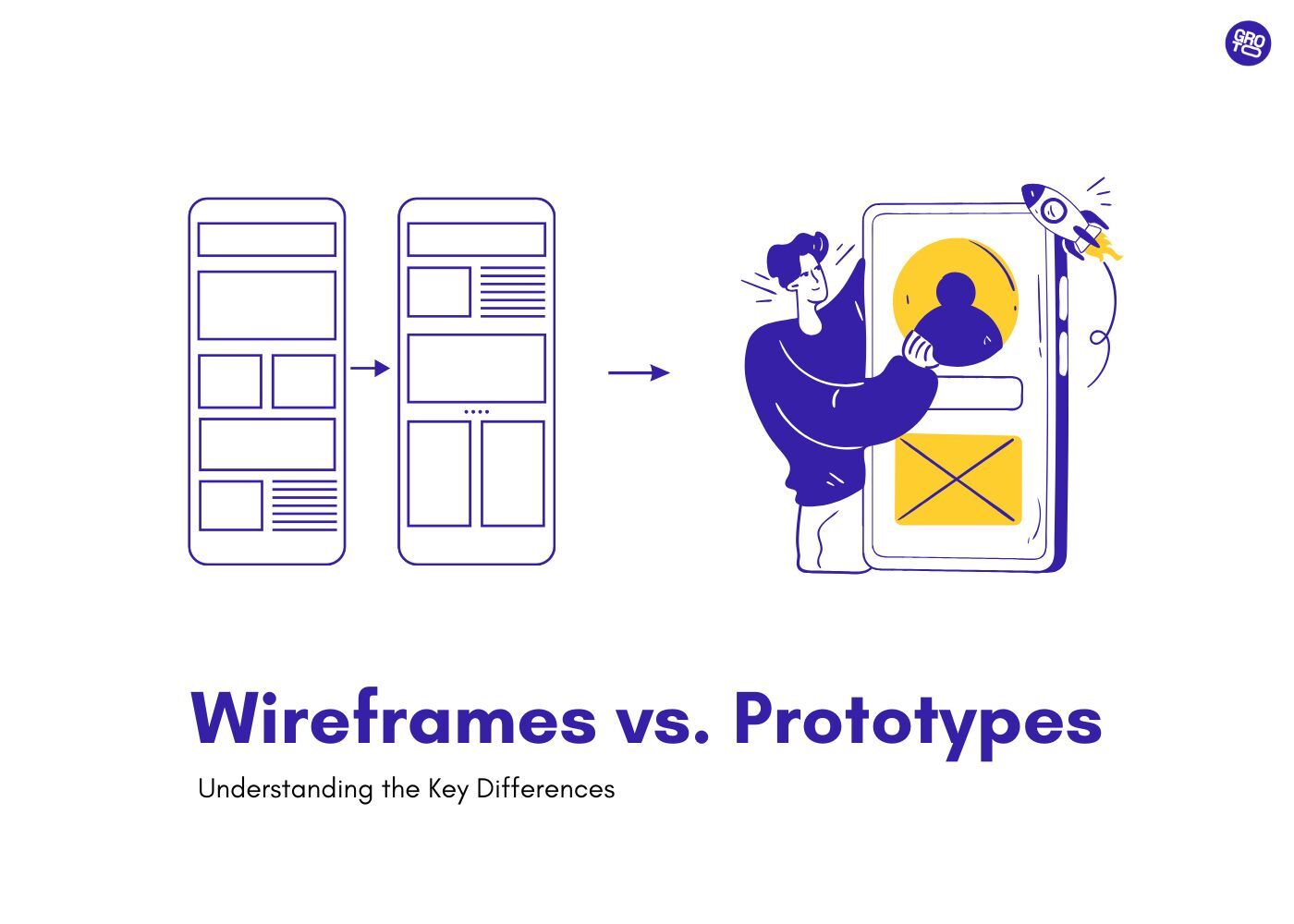
4. Prototype the Flow Before Polishing the UI
Jumping into high-fidelity design too early is expensive.
Experienced teams validate:
• Decision clarity
• Interaction logic
• Error handling
• State transitions
At low fidelity.
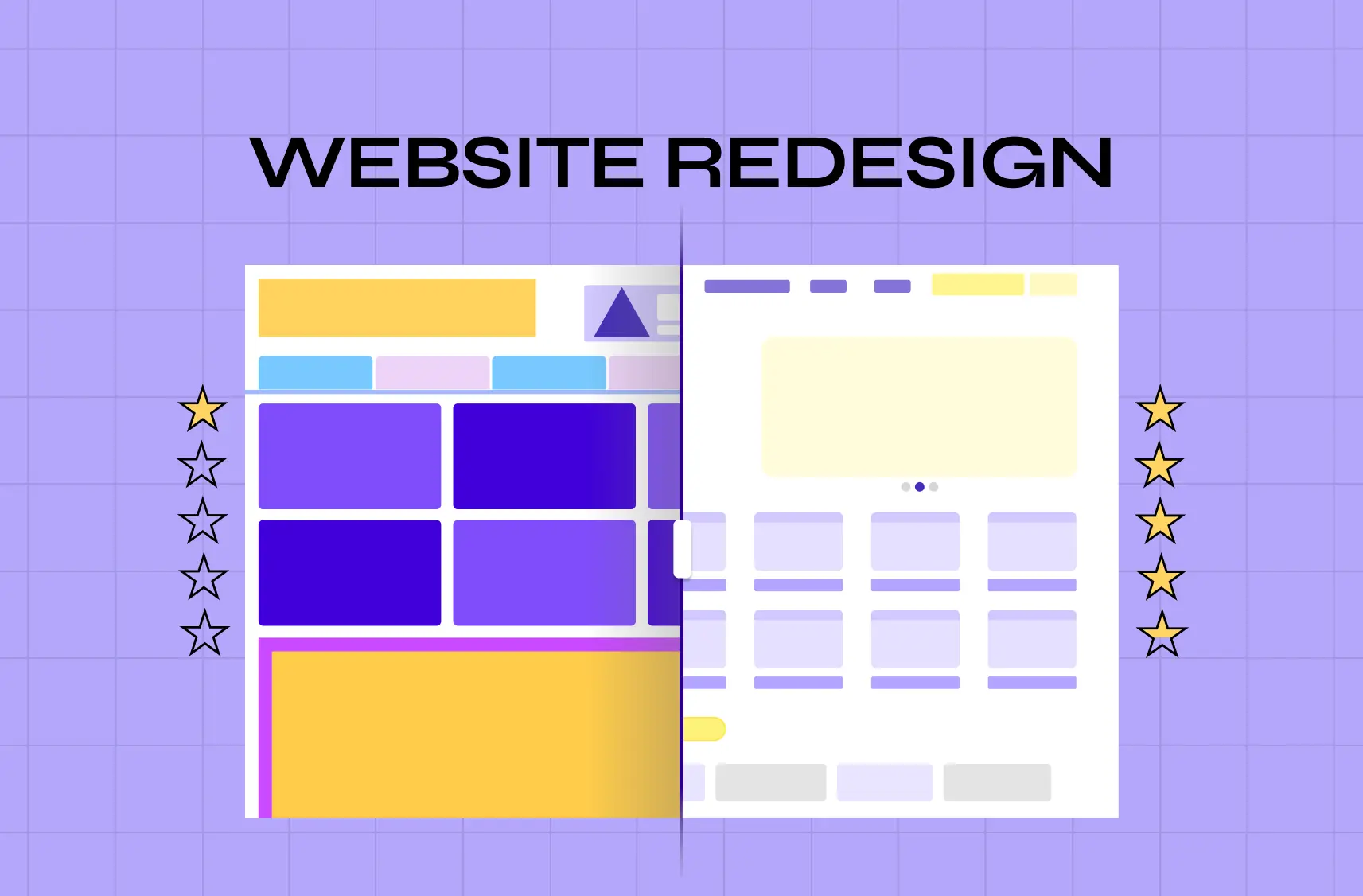
Because if the structure is flawed, visual polish will not save it.This is why converting a wireframe to prototype correctly is less about visuals and more about validating behavioral flow early.
This stage reduces redesign cycles later and protects engineering bandwidth. A structured design handoff protects that same bandwidth on the other side, carrying the validated flow logic into build rather than leaving developers to reinterpret it.
5. Systemize for Scale, Not Just Launch
A product is not finished at launch.
It grows.
Without behavioral consistency, new features introduce chaos:
Buttons behave differently
Patterns contradict each other
Users lose trust
System thinking ensures that growth does not increase friction. Without structural planning, frontend complexity compounds over time, something we discuss in responsive web design vs custom frontend builds for scaling products.
And that engineering velocity does not slow down over time.
6. Measure What Actually Predicts Growth
Good design is not measured by aesthetics.
It is measured by:
• Time to first value
• Activation completion
• Repeat usage patterns
• Drop-off reduction
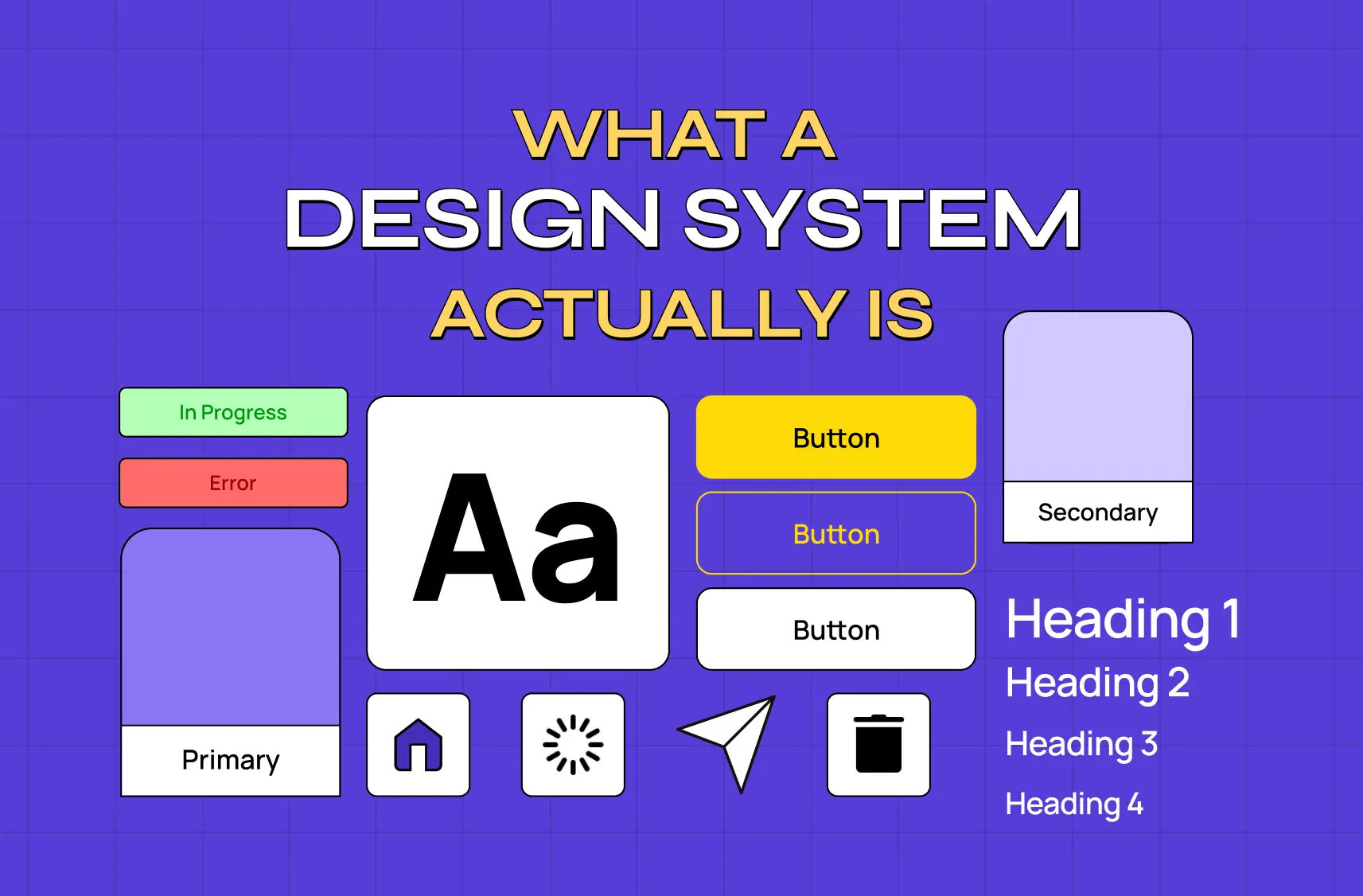
In one internal dashboard redesign, simply restructuring the hierarchy and clarifying primary actions reduced "where do I find this?" support tickets by nearly 30% in under two months. Those improvements held at scale because the hierarchy decisions were codified into product design systems — so every new screen inherited the same clarity rather than redefining it sprint by sprint.
No new features. Just clarity.
The Real Cost of Skipping Structure
When teams skip this discipline, the consequences show up slowly:
• Rising customer acquisition cost
• Longer sales cycles
• Slower onboarding
• Feature underutilization
• Continuous redesigns
Most expensive redesigns are not creative failures — they are architectural corrections. SaaS product architecture and UX alignment covers the development decisions made upstream of design that determine whether those corrections are needed: from technical stack selection and multi-tenant architecture through to the handoff patterns that keep design intent intact through to production.
When to Rethink Your Approach
You likely need a structural reset if: Users sign up but fail to activate, New features do not increase retention, The product feels heavier with every release, Stakeholders frequently request redesigns, Support questions repeat predictably. These are not design talent issues. They are process gaps — and understanding UX audit cost upfront helps teams scope the right entry point before committing to a full structural engagement.Why Agencies See What Internal Teams Miss
Internal teams are close to the product.
Agencies are close to patterns.
After auditing dozens of SaaS and digital platforms, certain friction behaviors repeat: premature decisions, overloaded dashboards, unclear next actions, misaligned activation steps. The brand and product design agencies that see these patterns earliest are those with cross-industry exposure — which is precisely what makes external perspective valuable over building the same diagnostic capability in-house.Pattern recognition shortens diagnosis time dramatically.
That is often the biggest advantage.
Conclusion: High-Performance UX Is Structured, Not Accidental
Beautiful interfaces do not guarantee growth.
Structured experiences do.
When user journeys are sequenced intentionally, friction is reduced, momentum increases, and business metrics improve naturally.
If your product feels polished but underperforms, the issue may not be visual execution.
It may be structural design logic.
If you want clarity on:
• Where your activation leaks actually are
• Whether your onboarding builds momentum
• Which structural decisions are slowing retention
Book a focused 20-minute strategy call.
You will leave with:
• A friction overview
• Clear structural gaps
• Priority areas that influence growth fastest
Because great design is not about screens.
It is about systems.
FAQs
1. How long does a structured UX process typically take?
Focused improvement projects usually take 4–8 weeks. Full product architecture initiatives may take 8–12 weeks depending on complexity.
2. Can small UX changes really increase conversions?
Yes. Structural improvements in sequencing and clarity often produce measurable activation or retention lifts without major feature changes.
3. Is this relevant only for SaaS?
SaaS benefits the most due to recurring engagement loops, but any product with onboarding and repeat usage gains from structured UX thinking.
4. Do we need to rebuild everything to improve performance?
Not always. Many performance issues stem from flow logic and hierarchy, not full frontend rebuilds.
5. When should we bring in external UX expertise?
When internal design feels busy but metrics feel stagnant. External perspective often identifies blind spots quickly.