A strategic breakdown of what a UI/UX design agency does in 2026, covering roles, responsibilities, deliverables, pricing bands, and evaluation criteria, so you know exactly what you're paying for before you sign anything.
What a UI/UX design agency really delivers, beyond screens, and how to choose one.
TL;DR
A UI/UX design agency operates at three levels: business alignment, behavioral architecture, and interface execution, not just visual polish.
Core deliverables include friction audits, journey maps, information architecture, design systems, and conversion-focused interface design.
Top-quartile design performers grow revenue 32 percentage points faster than industry peers over five years, according to McKinsey.
Pricing for a UI/UX design agency typically ranges from a few thousand dollars a month for embedded design support to six-figure enterprise engagements.
The right partner should be evaluated on process depth, not just portfolio polish, before you sign anything.
A strong design partner does far more than create attractive screens. From diagnosing conversion friction to structuring scalable product systems, the right team shapes how users think, decide, and stay. Here is what a UI/UX design agency actually does, what you should expect to receive from one, and how to tell a strategic partner from a screens-only vendor.
UX is not design support. It is growth infrastructure.
Why This Question Matters More Than Most Founders Realize
Many businesses think they are hiring a design partner, and part of that gap comes from not fully understanding what UI/UX design is as a discipline before scoping a UI/UX design agency. What they actually need is structured thinking that connects product decisions to business outcomes.
When companies misunderstand what a UI/UX design agency does, they often end up with:
Beautiful UI but low activation
Feature-rich products with poor adoption
Repeated redesign cycles
Rising acquisition costs because retention never stabilizes
We regularly see cases where a product redesign focused only on visuals improved aesthetics but did not change trial-to-paid conversion at all. In contrast, structural UX interventions, such as reorganizing onboarding or clarifying dashboard hierarchy, have improved activation by double digits without changing the brand layer at all.
That difference is what this article clarifies.
What a Strong UI/UX Design Agency Actually Does
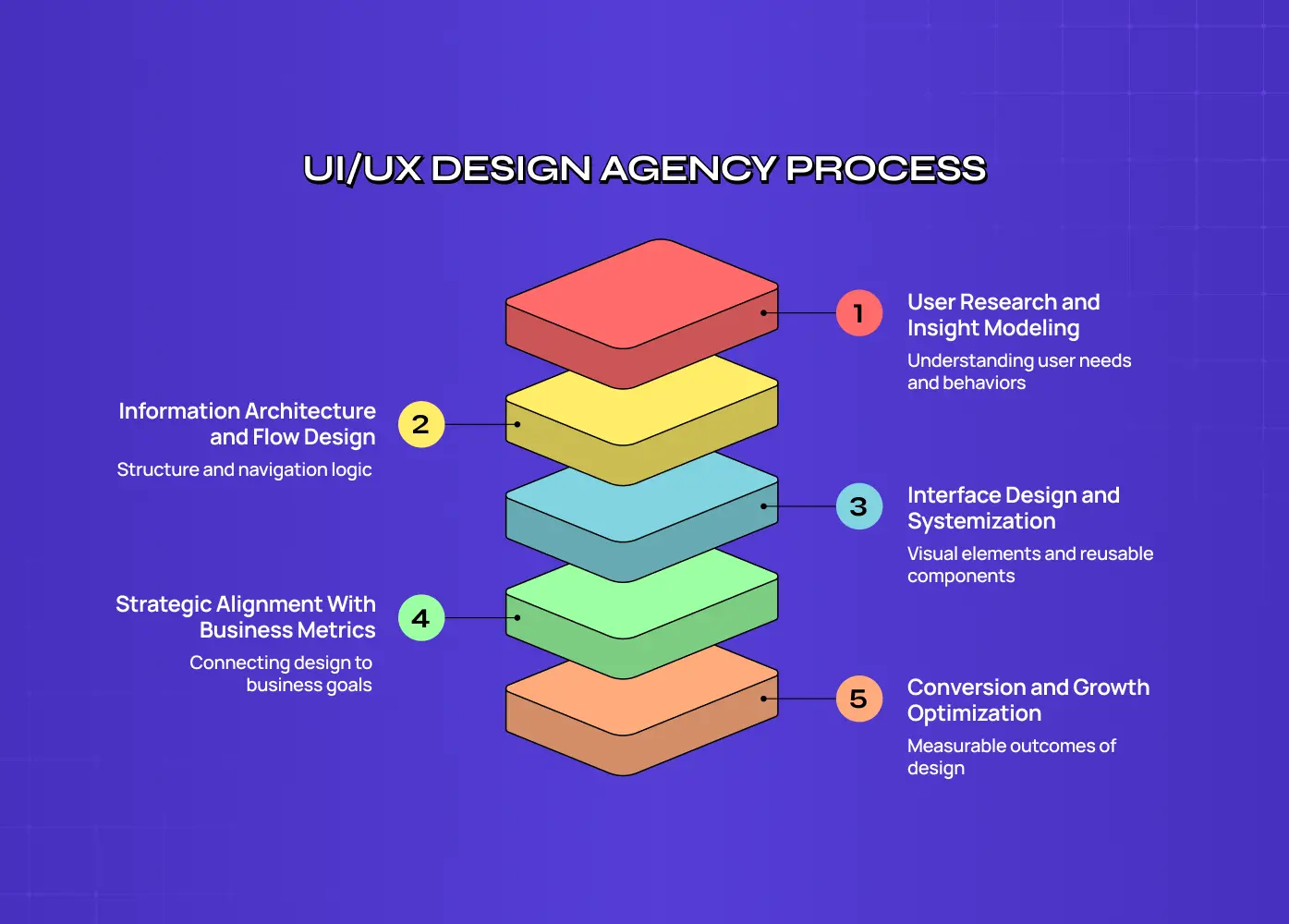
The work typically operates at three levels:
Business alignment
Behavioral architecture
Interface execution
So when you shortlist partners, whether from a Toronto agency roundup or your own network, judge them across all three, not just the visible one. If a team works only at level three, you are buying visuals. If they operate across all three, you are investing in growth, often the real line between an AI-native versus traditional agency.
This layered approach is part of a structured UI/UX strategy framework that connects product decisions to measurable growth outcomes. It is also backed by hard numbers: McKinsey's Business Value of Design study tracked 300 public companies over five years and found that top-quartile design performers posted 32 percentage points higher revenue growth and 56 percentage points higher shareholder returns than their industry peers. Good design is not a taste preference. It is a measurable business lever.
Core Roles and Responsibilities
1. Strategic Alignment With Business Metrics
Before designing anything, the right team asks the questions a discovery brief exists to answer:
What behavior drives revenue?
Where does churn occur?
Which step in the funnel creates hesitation?
Deliverables often include a friction audit, a conversion opportunity map, a behavioral prioritization matrix, and a UX roadmap tied to metrics.
In one SaaS audit, simplifying the onboarding sequence from eight decisions to three reduced abandonment during setup and significantly increased first-week activation. No new features were added. Only sequencing changed. Whether that work comes from remote design teams or a local studio matters far less than whether the team operates at this strategic level at all.
2. User Research and Insight Modeling
This is not persona decoration. It is decision modeling. Responsibilities include analyzing drop-offs and session patterns, mapping high-friction flows, identifying usability mistakes, and synthesizing qualitative insights into journey maps, behavioral friction breakdowns, and intent-based segmentation.
Research prevents teams from solving the wrong problem at scale, and for teams actively looking to find UX partners with this depth of research capability, geography can narrow the shortlist faster than portfolio reviews alone.
3. Information Architecture and Flow Design
Structure drives clarity, the layer an app UI agency gets right before touching visuals. This stage defines navigation logic, onboarding sequencing, dashboard hierarchy, and decision pathways, producing site maps, wireflows, and low-fidelity structural layouts.
Two dashboards can contain identical data. The one that prioritizes signals over raw metrics consistently reduces time-to-insight. The other overwhelms users. The difference is structural, not visual.
4. Interface Design and Systemization
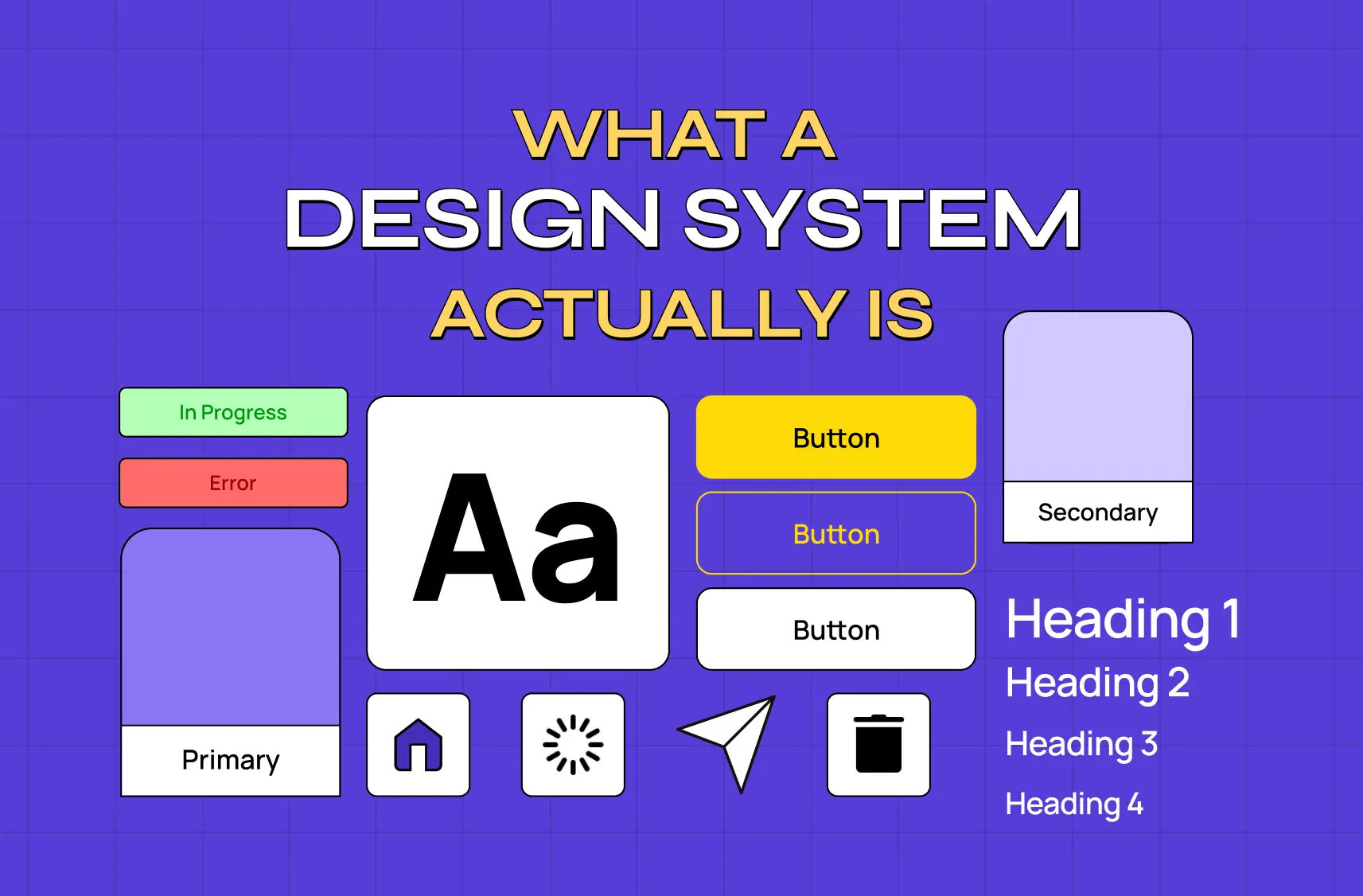
Now comes the visible layer, where a dedicated systems designer turns structure into reusable, documented components: high-fidelity UI design, component libraries, design system creation, and interaction logic, producing prototypes, design documentation, and scalable UI systems.
Strong interface systems reduce future engineering friction, and for products where mobile is a primary surface, working with mobile product partners ensures those component systems are built for touch-first interaction patterns from the start rather than retrofitted after desktop-first architecture has already been locked. Teams ship faster when components are reusable and behavior is standardized.
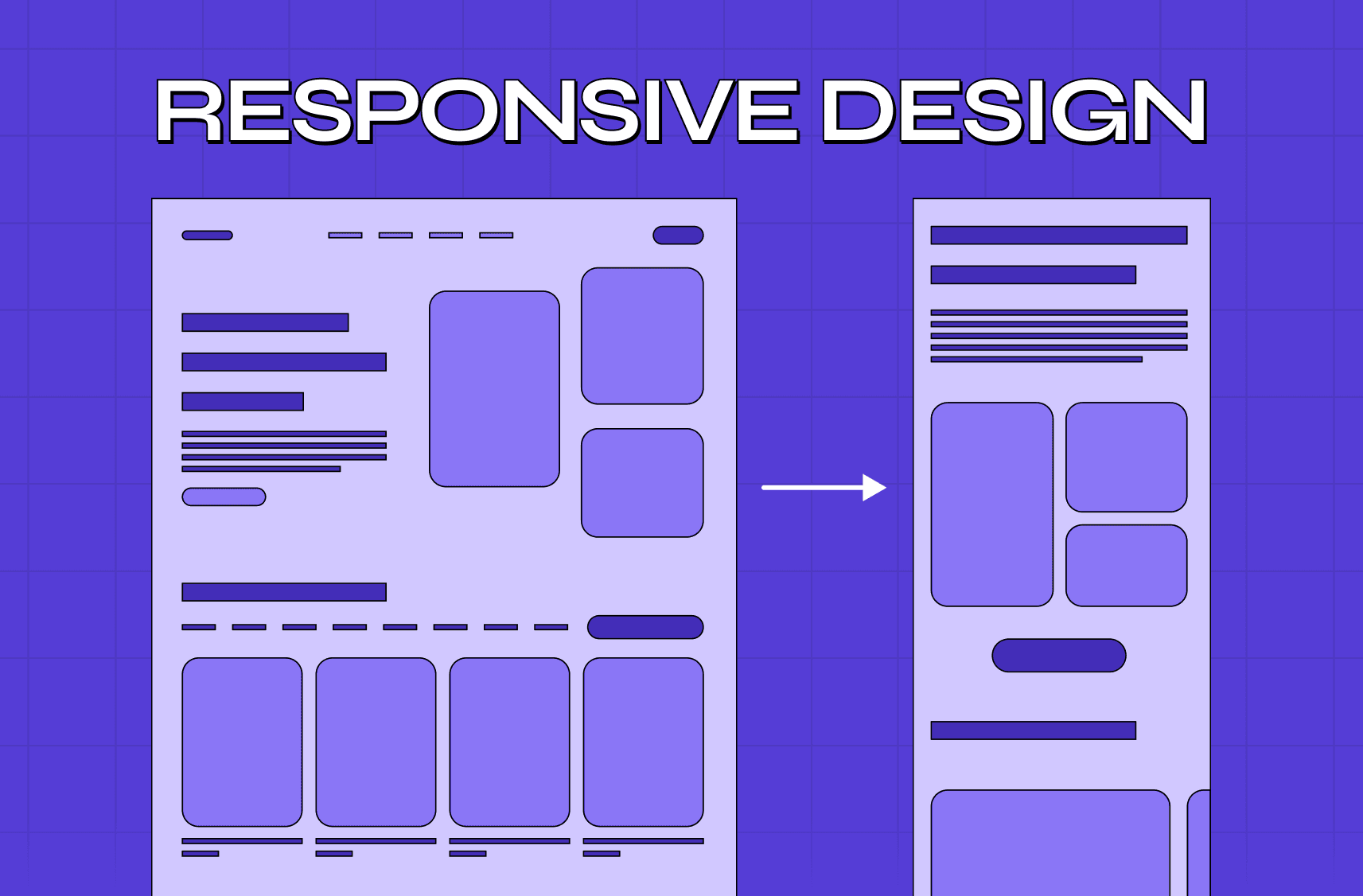
This is also why strategic teams think beyond templates and evaluate responsive vs custom frontend builds before scaling their product architecture. In 2026, this layer also has to account for accessibility from the start rather than as a retrofit. A component library that ignores WCAG contrast ratios, keyboard navigation, or screen reader labeling creates rework later and excludes a meaningful share of real users now.
5. Conversion and Growth Optimization
Modern UX work extends beyond screens into measurable outcomes: improving onboarding clarity, optimizing CTAs and forms, reducing drop-offs, supporting experimentation, and evaluating design agency subscription models when ongoing conversion work requires continuous design capacity rather than a one-off engagement.
For example, reordering a pricing comparison layout to emphasize value framing rather than plan differences often increases upgrade confidence without altering pricing itself, a pattern particularly common among fintech UX design agencies where pricing clarity directly influences regulated conversion flows.
That is behavioral design.
Deliverables and Artefacts: What You Actually Receive
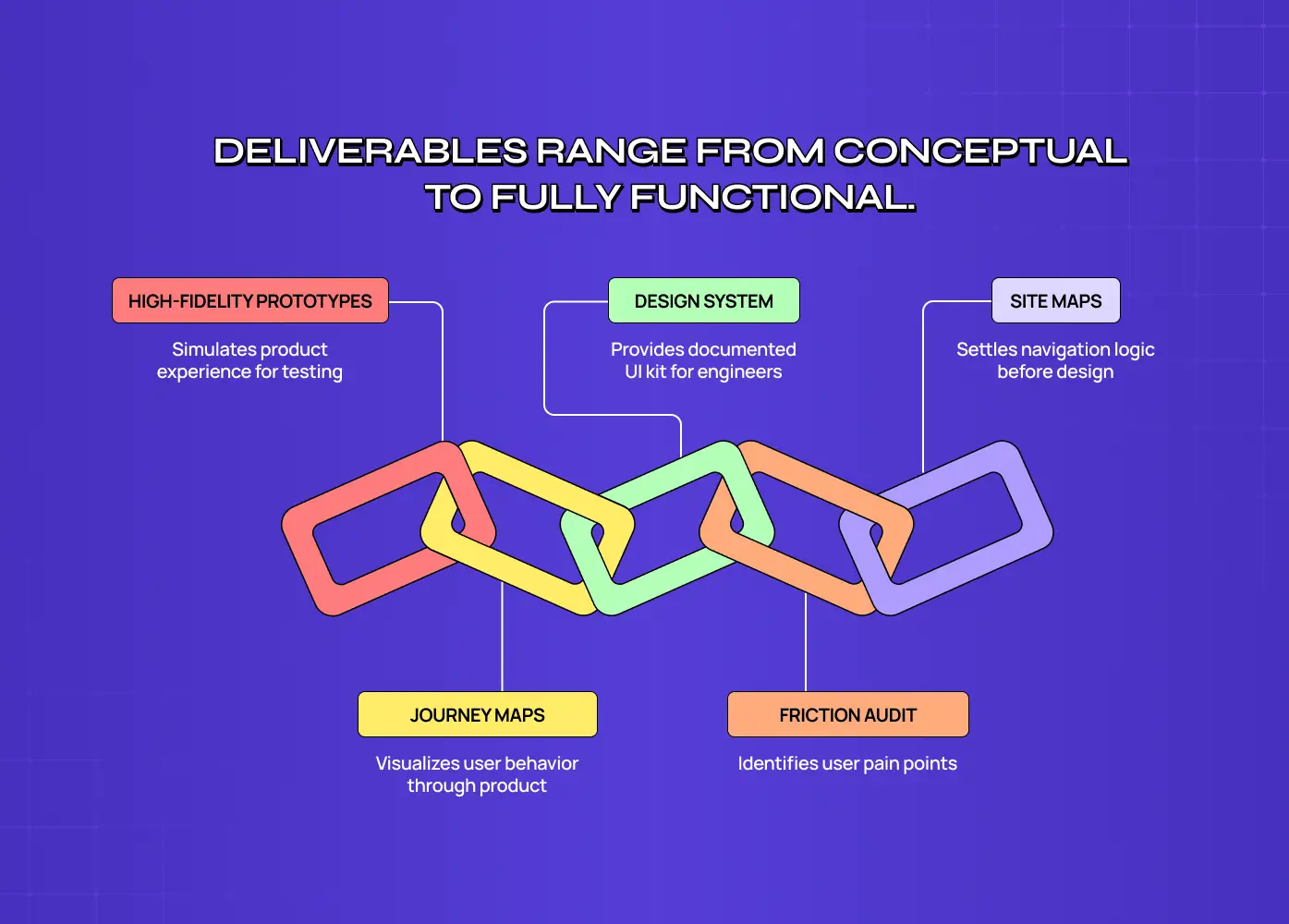
Roles and responsibilities are one thing. What actually lands in your hands is another. Here is what each phase produces in practice, with a real example of each:
Friction audit and opportunity map: a prioritized list of where users hesitate, drop off, or misread the interface, tied to specific screens.
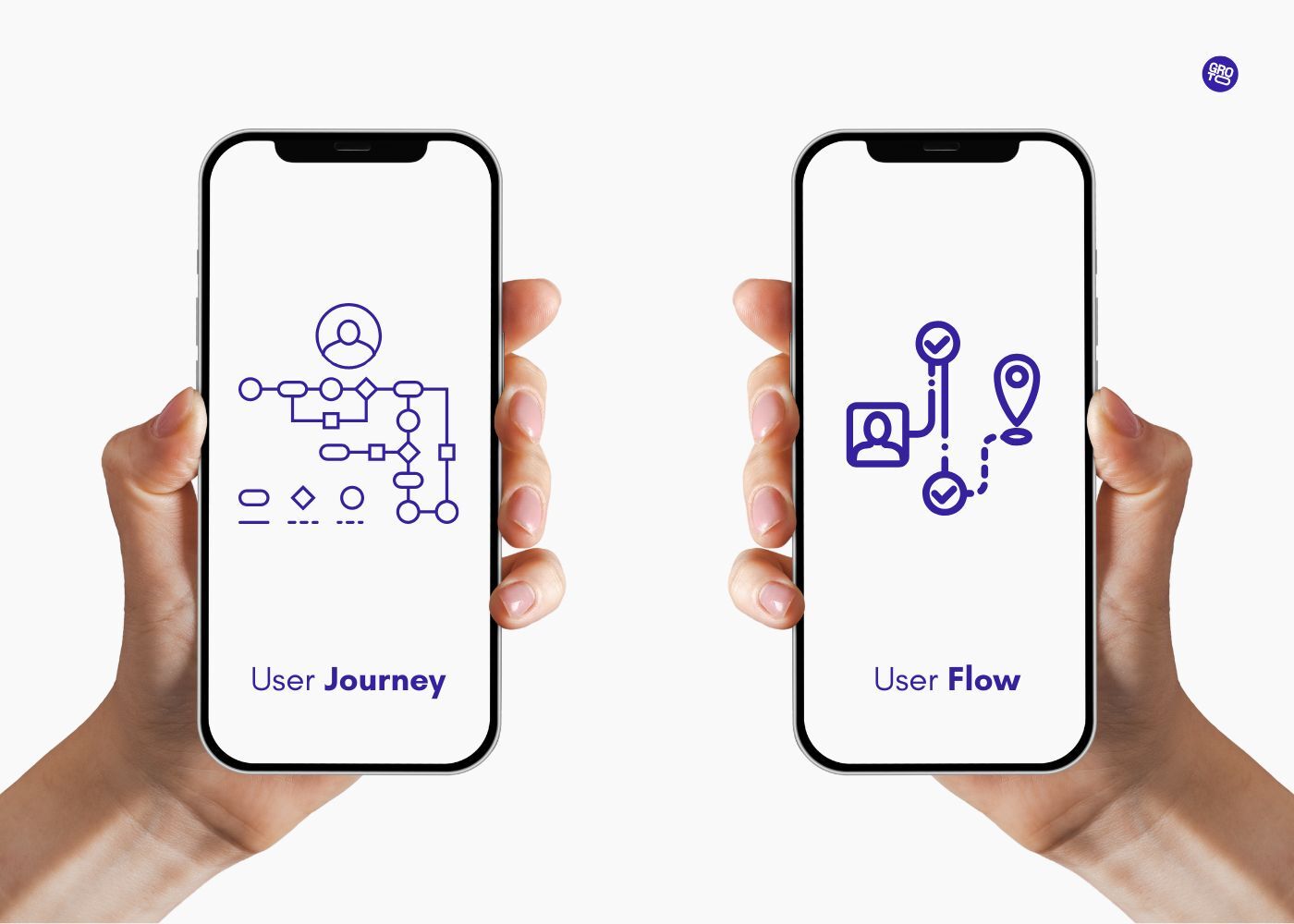
Journey maps and behavioral segmentation: a visual breakdown of how different user types move through the product, used to sequence what gets redesigned first.
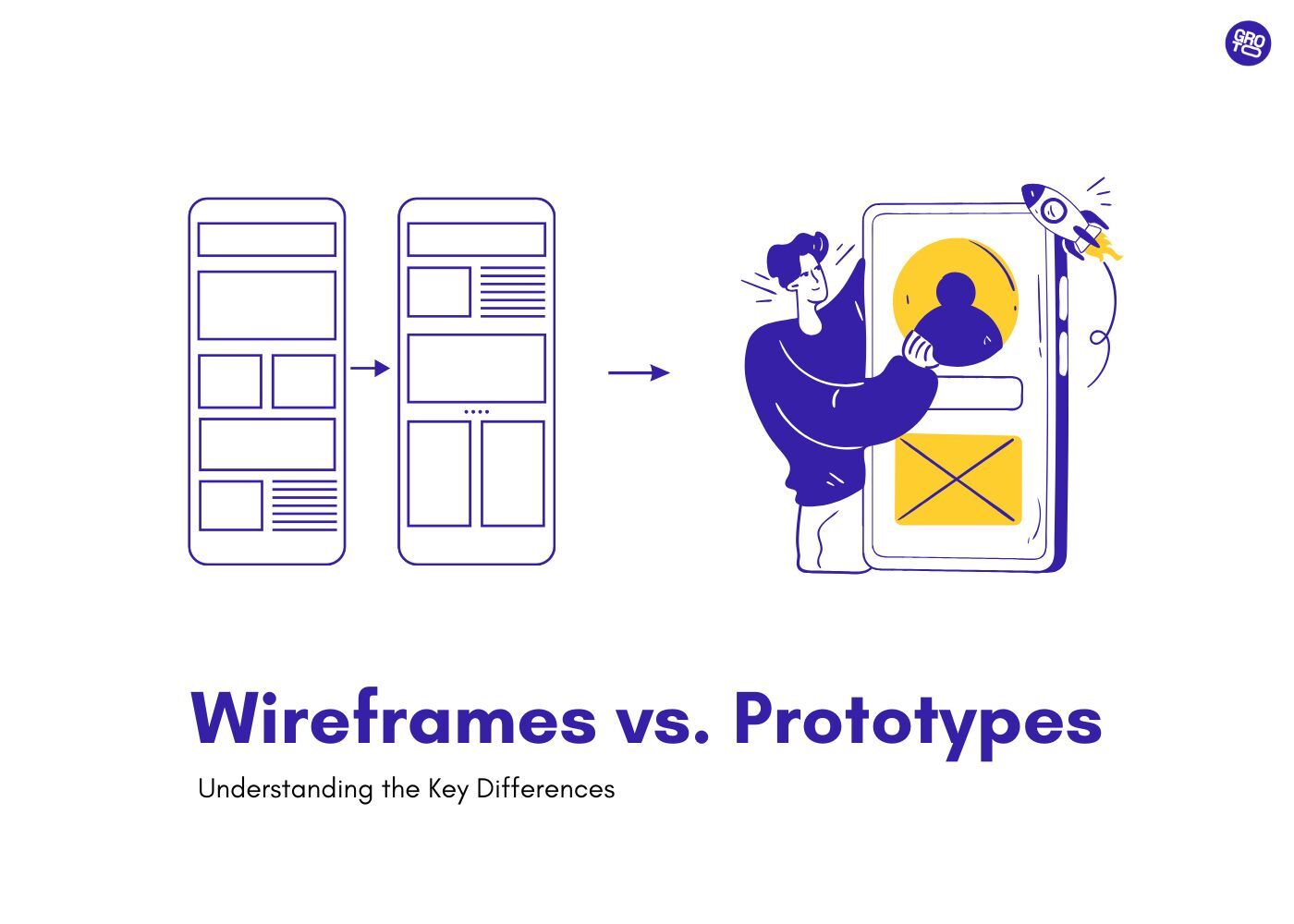
Site maps and wireflows: low-fidelity structural documents that settle navigation logic before a single pixel is polished.
Design system and component library: a documented, reusable UI kit engineers can build from without re-asking design questions every sprint.
High-fidelity prototypes: clickable, dev-ready Figma files that simulate the real product experience for testing and stakeholder sign-off.
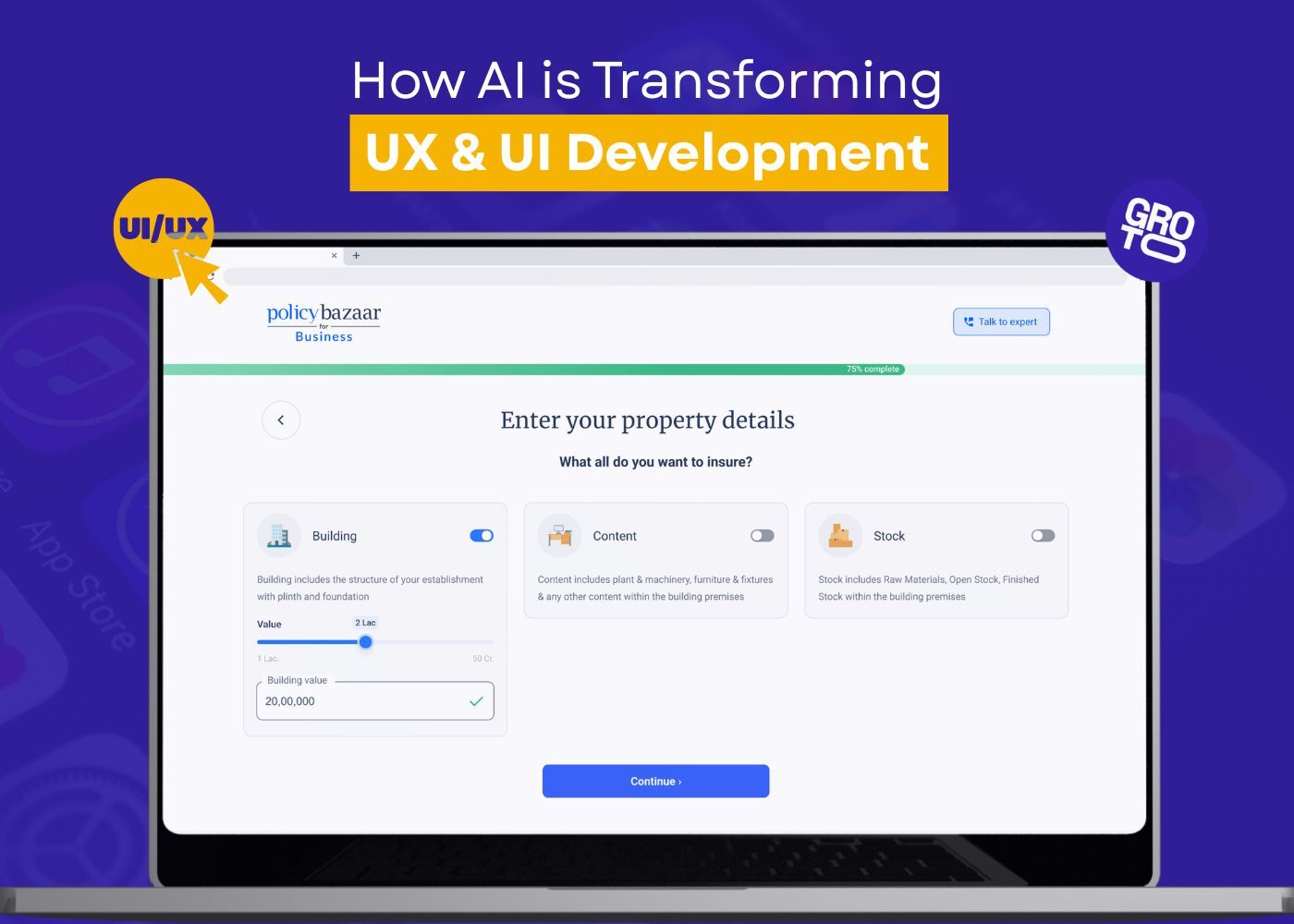
For an example of how this plays out end to end, our work with PolicyBazaar involved rebuilding the insurance shopping flow across mobile and web. The friction audit surfaced where users abandoned quote comparisons, the redesigned information architecture restructured how plans were compared, and the resulting interface reduced drop-offs while making sign-ups noticeably easier to complete. Dashboards built during that phase followed the same signal-first hierarchy principle described above, surfacing what mattered to a policy shopper instead of every data point the backend could technically show.
The Process From Audit to Impact
A structured engagement usually follows this path:
Phase 1: Diagnostic Audit. Identify friction, drop-offs, and unclear value communication. Aligning on goals and constraints in a UX design brief before this phase ensures the audit targets the decisions that actually matter rather than surface-level symptoms.
Phase 2: Behavioral Architecture. Redesign flows around decisions, not features.
Phase 3: Structural Prototyping. Test information hierarchy before polishing visuals.
Phase 4: System Design. Create reusable components aligned with product logic, the bespoke component systems built for your product rather than pulled from a template.
Phase 5: Iterative Validation. Measure behavior changes and refine.
Skipping the first two phases is where most redesigns fail, which is why a phased UX proposal should show all five, not just the design deliverables.
Common Misunderstandings
"We just need a UI refresh." If retention is unstable, the problem is rarely color palettes. That said, if the actual need genuinely is brand and visual refresh work rather than product UX, brand-first creative studios are built specifically for that scope and shouldn't be conflated with the structural UX intervention this article focuses on.
"Our developers can handle UX." Developers build features. UX architects shape decisions, which is why the questions to ask a prospective partner should probe decision-making, not just delivery.
"We'll fix experience after scaling." Poor experience compounds. It increases support load, slows onboarding, and inflates customer acquisition cost, which is why teams at earlier stages benefit most from understanding what to look for in a UX design agency for startups before those costs have already accumulated.
When You Actually Need Strategic UX Support
You likely need structural intervention if:
Trial users do not reach first value
Onboarding completion is inconsistent
Dashboards are underused
Feature releases slow down due to redesign debates
Stakeholders disagree on priorities
If two or more apply, a structured UX reset is likely overdue, and understanding UX audit cost upfront helps teams scope the right entry point before committing to a full engagement.
How to Choose a UI/UX Design Agency: Evaluation Criteria
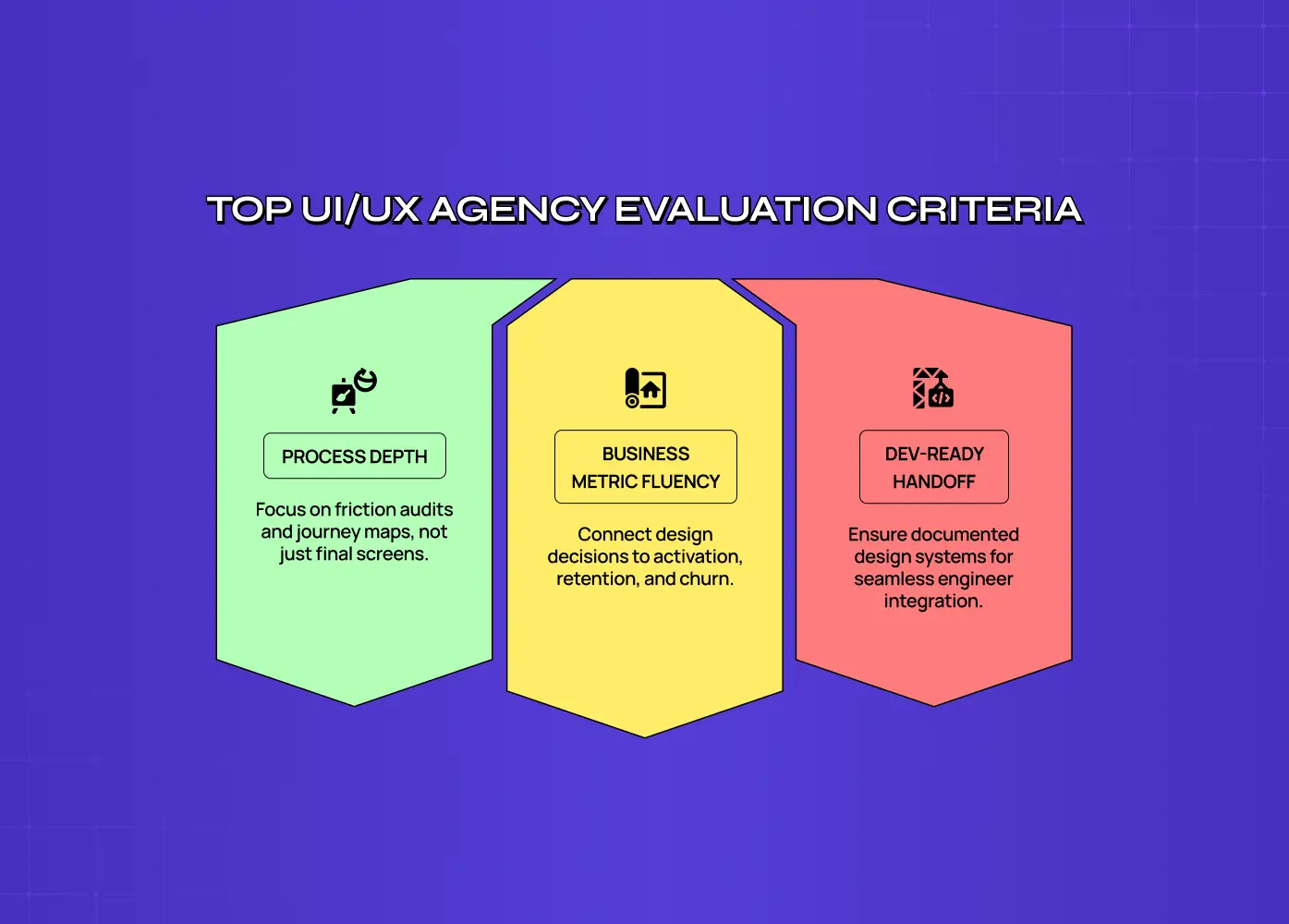
Not every UI/UX design agency operates at the same level, and the wrong fit is expensive to discover late. Before you sign anything, evaluate a shortlisted UI/UX design agency against these criteria:
Process depth over portfolio polish. Ask to see a friction audit or journey map from a past project, not just final screens.
Business-metric fluency. A team that cannot connect a design decision to activation, retention, or churn is operating at the interface layer only.
Dev-ready handoff. Confirm the agency delivers documented design systems, not just static Figma files your engineers have to reverse-engineer.
Industry and product-type fit. SaaS dashboards, fintech flows, and marketplace UX each carry different constraints; ask for relevant case studies.
Engagement model clarity. Understand whether you are paying for a fixed project, a monthly subscription, or an hourly retainer, and what happens if scope shifts mid-engagement.
Accessibility competency. In 2026, WCAG compliance is a baseline expectation, not a premium add-on; ask how it is handled by default.
This is the same lens that should inform any decision to hire a UI/UX design agency, whether you are evaluating one vendor or comparing several.
Pricing Bands: What a UI/UX Design Agency Costs
Cost structures vary widely depending on engagement model, but most UI/UX design agency pricing falls into a few recognizable bands:
Entry-level embedded support (roughly $2,000 to $2,500/month): a part-time designer covering a few hours a day, suited to startups needing steady but limited design capacity.
Core team extension (roughly $4,000 to $5,500/month): a near full-time or full-time designer working inside your product team, often paired with a dedicated UX strategist for roadmap and audit support.
Project-based engagements ($10,000 to $75,000+): scoped redesigns, MVP builds, or design system creation billed as a fixed project rather than a subscription.
Enterprise and multi-product ecosystems ($60,000 to $150,000+): multi-stage engagements involving stakeholder workshops, accessibility audits, and cross-team design systems.
At Groto, our own subscription model sits in the entry-level and core team-extension bands: a Starter plan for lighter, ongoing design needs, and Part-Time or Full-Time plans that pair a dedicated designer with a UX strategist for product KPIs and roadmap support. Higher costs generally buy more hands and more strategic depth, not necessarily better visual output. The question to ask is not "what does this cost" in isolation, but what level of the three-tier model described earlier that cost actually buys you.
What You Are Really Paying For
Not screens.
You are paying for what an outsourced UX team actually delivers: reduced rework, faster activation, stronger retention, lower cognitive load, and predictable product evolution.
UX is risk mitigation, and for product teams operating at scale, partnering with the best enterprise UX agencies is how that mitigation becomes a repeatable, system-level capability rather than a one-off fix.
What You Walk Away With From a 20-Minute Strategy Call
If you book a call, you do not get a sales pitch. You get:
A high-level friction diagnosis of your core flow
Identification of one to two structural blockers affecting conversion
A prioritized improvement direction
Clarity on whether your issue is UX, UI, or product sequencing
This call is ideal for SaaS and B2B product teams experiencing stalled growth, unclear onboarding performance, or recurring redesign cycles, including teams searching for a DC web design agency who need structural UX, not just a local visual refresh.
If your product feels powerful but adoption does not reflect it, this conversation will give you direction.
Book a focused 20-minute UX strategy call and get clarity on where your product is leaking value.