

Retention Does Not Break Suddenly. It Erodes Quietly.
Most products do not lose users because features are missing.
They lose users because the experience feels disconnected.
The onboarding makes sense.
The dashboard looks polished.
The features technically work.
But the journey feels fragmented.
Users move from screen to screen without understanding:
what they just accomplished,
why it matters,
or what they should do next.
When that continuity is missing, retention weakens.
This is where narrative UX design becomes a growth lever.
What Is Narrative UX Design?
Narrative UX design structures product interactions as a meaningful progression rather than a collection of interfaces.
It treats the user journey like a story:
There is a starting point.
There is a transformation.
There is forward movement.
There is reinforcement.
Without narrative, products feel functional but forgettable.
With narrative, products feel purposeful.
Narrative UX is not about adding more content.
It is about designing clarity, momentum, and direction into every step.
Why Retention Depends on Narrative Structure
Retention is not driven by satisfaction alone.
It is driven by momentum.
Momentum happens when:
Progress feels visible.
Actions feel meaningful.
Outcomes feel cumulative.
When users cannot see their progress, they disengage.
When they cannot connect actions to outcomes, they hesitate.
When they cannot predict what comes next, they leave.
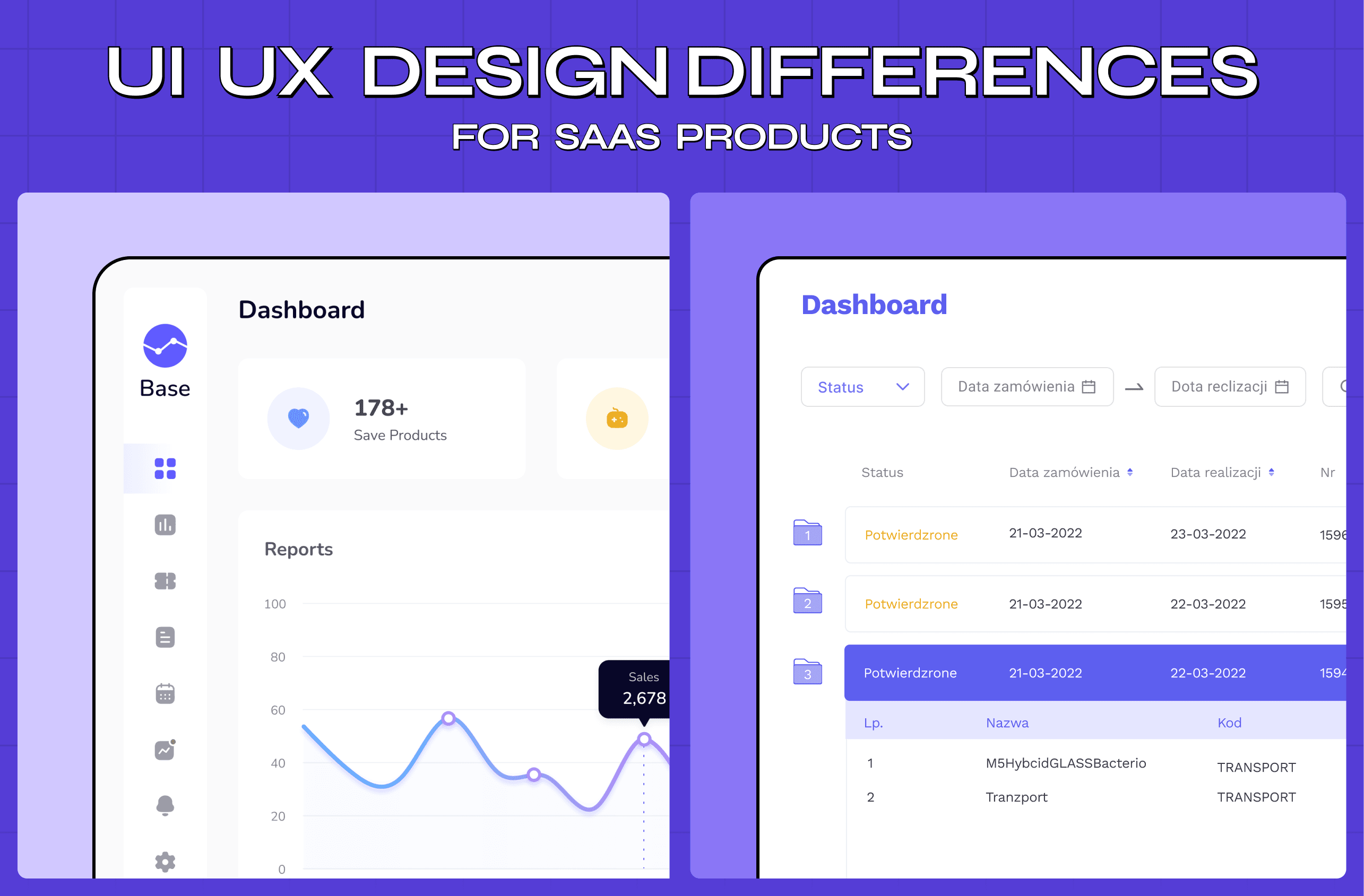
Narrative user experience design removes those invisible gaps, especially when aligned with structured UI/UX design for SaaS products from onboarding to retention.
A Practical Example: Where Narrative Changed Usage Behavior
In a B2B analytics platform, users completed onboarding at a high rate but rarely returned after the first session.
The issue was not usability. It was direction.
After setup, users landed on a dense dashboard filled with metrics but no prioritization. There was no clear indication of:
which number mattered most,
what “good” performance looked like,
or what action to take next.
The experience ended instead of continuing.
The solution was not a redesign. It was a structural shift:
Highlight one primary metric tied to the user’s stated goal.
Add a short interpretive cue explaining its significance.
Introduce a single recommended next action.
Return usage improved because the product now told a simple story:
You set up → You gained insight → You acted.
Retention improved not because more features were added, but because the journey was sequenced intentionally.
The Five Structural Principles of Narrative UX for Retention
1. Define the Transformation Before You Design the Flow
Most teams design screens first.
High-retention teams define transformation first.
Before building a flow, answer:
After completing this, what has changed for the user?
If that transformation is unclear, the journey will feel mechanical instead of meaningful. Product storyboarding is the tool that makes transformation visible before screens are built — mapping the emotional arc of the user journey so outcome clarity exists before layout decisions are made.
Narrative UX begins with outcome clarity.
2. Sequence Around Confidence, Not Capability
Many products expose complexity too early.
Users are asked to configure, commit, or choose before they fully understand value.
Early decisions create psychological risk. When users do not yet understand outcomes, every choice feels irreversible even when it is not — and this begins at user signup flow design, where the first decisions users face set their confidence baseline before they ever reach the product. This leads to hesitation, abandonment, or safe defaults that reduce long-term engagement. The UX mistake is not complexity. It is asking for commitment before confidence exists.
Strong narrative UX builds confidence first:
Show impact.
Reinforce progress.
Introduce deeper control later.
Confidence drives commitment.
3. Design for Forward Motion
Explanation is not the same as progression.
Many onboarding experiences explain features thoroughly but fail to create momentum.
Users should feel movement:
Clear milestones
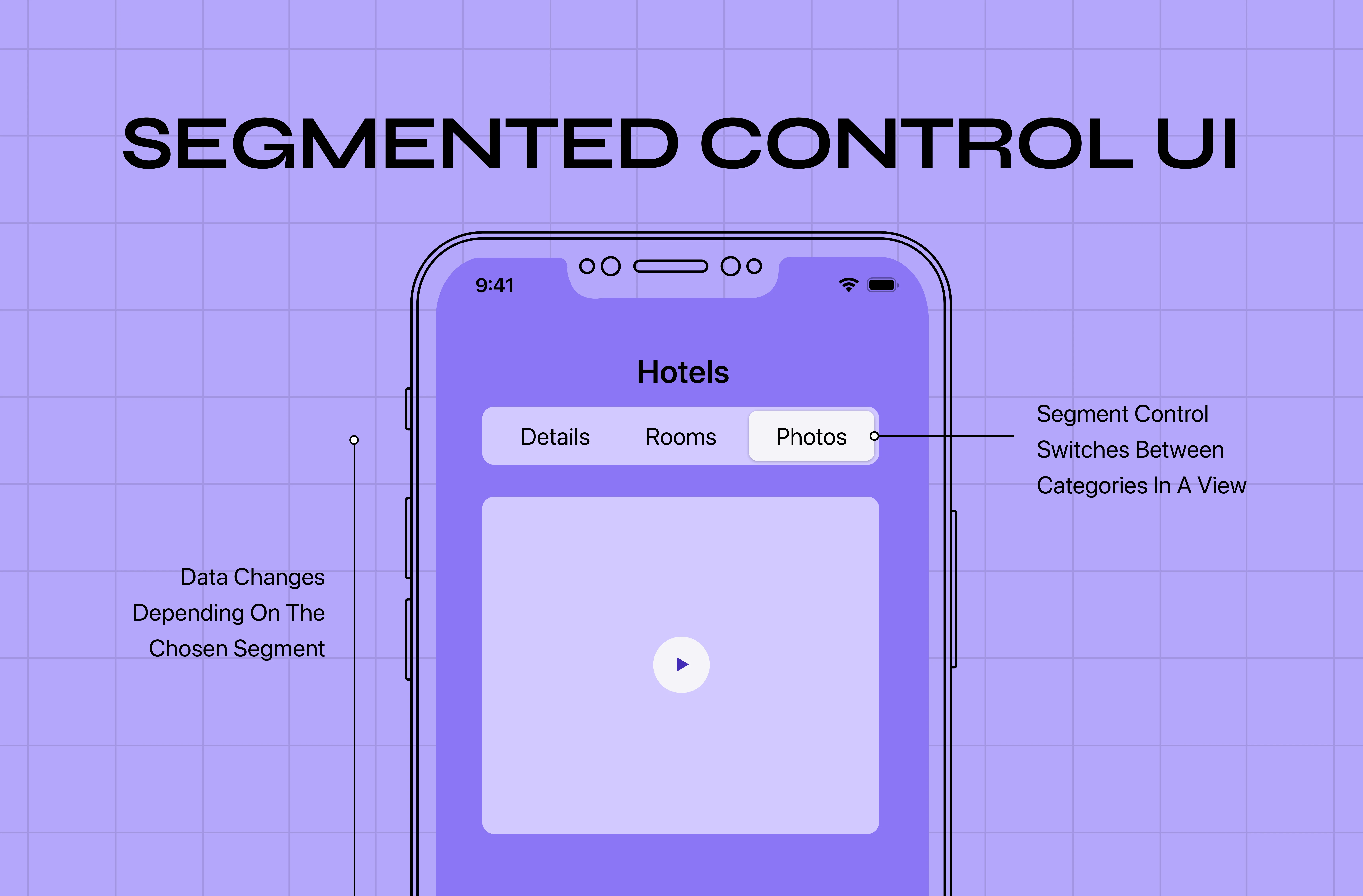
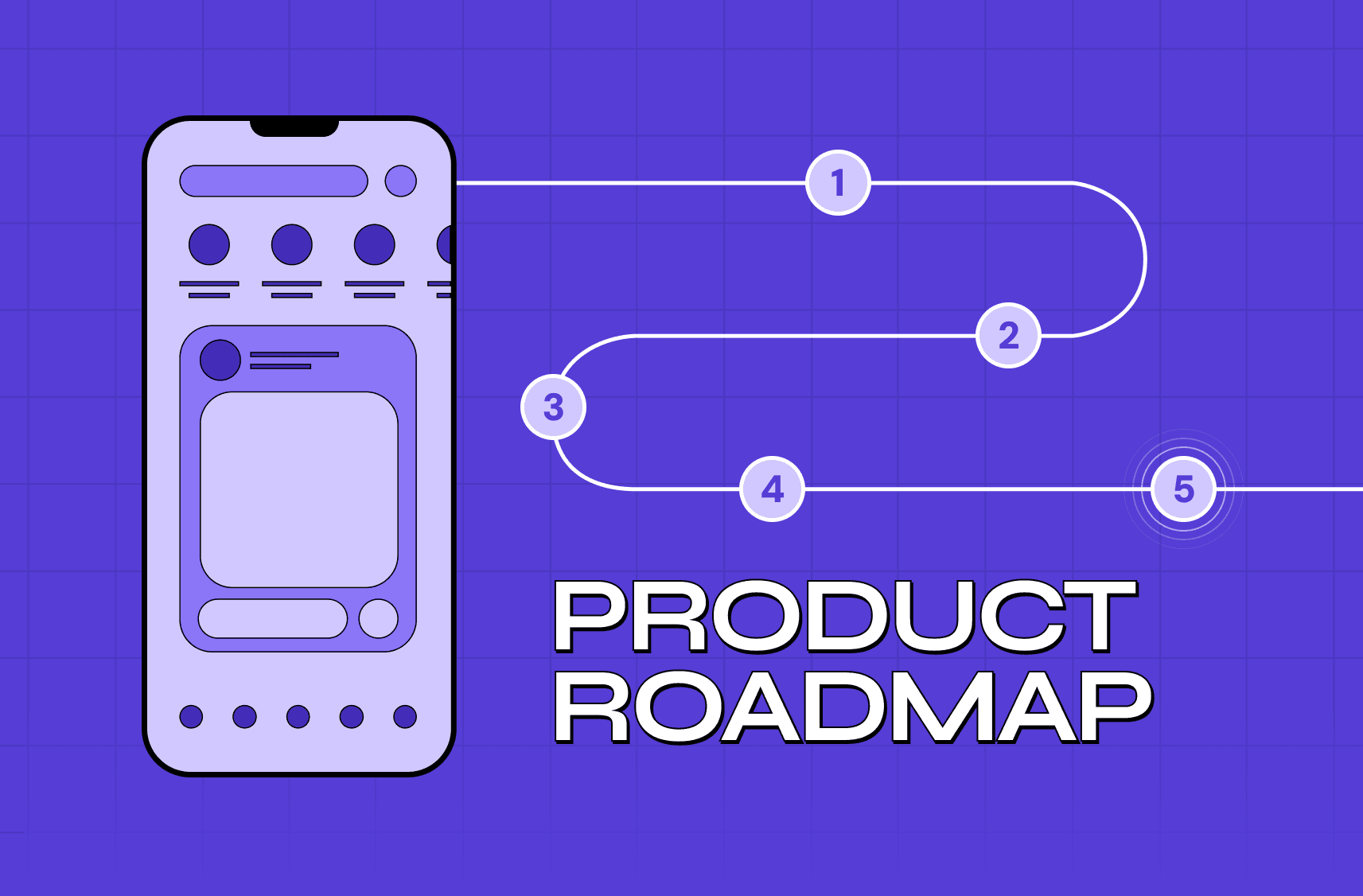
Visible progress indicators, such as a milestone timeline
Immediate feedback after action
Subtle nudges toward the next meaningful step
When movement slows, retention weakens. When movement feels natural, users return
4. Treat Transitions as Retention Moments
Retention rarely breaks on a single screen.
It breaks between screens.
A click without confirmation creates doubt.
A delay without feedback creates uncertainty.
An unclear state change creates friction.
Narrative UX ensures transitions are:
Confirmed instantly
Explained visually
Predictable in outcome
Trust is built in micro-moments.
5. Reinforce Identity After Completion
Completion alone is not enough.
Users need reinforcement.
Instead of:
“Report created.”
Elevate it to:
“You are now tracking performance consistently.”
This shift strengthens identity. Identity strengthens habit. Habit strengthens retention.
Where Most Products Break Their Narrative
Across SaaS and B2B platforms, common narrative fractures include:
Onboarding that does not connect to the real value moment
Dashboards that show data but do not guide decisions
Feature releases that disrupt existing flows
Overloaded home screens with no prioritization
Setup processes that feel like configuration, not progress
These are not surface-level UX issues. They are structural continuity problems — and most trace back to building flows for an assumed user rather than a validated one. Persona-driven design ensures the narrative is built around a real user's goals and mental model before structural decisions are locked.
And structural problems quietly reduce engagement over time.
Narrative UX and Business Outcomes
Narrative UX design directly influences:
Time to first value
Feature adoption velocity
Weekly active usage
Renewal and expansion rates
When users quickly understand how to succeed inside your product, activation improves.
When each action clearly leads to the next, usage compounds.
When users feel guided instead of overwhelmed, churn decreases.
Narrative UX for business is not a storytelling exercise.
It is part of a larger UI/UX strategy framework used by agencies to drive growth.
It is a retention strategy.
The Future of Narrative UX
As AI-driven systems become more adaptive, narrative design becomes even more critical — especially within broader AI-driven UX practices shaping product growth in 2026.
Interfaces will:
Reorder content based on behavior
Suggest next steps dynamically
Surface contextual insights automatically — and AI-driven onboarding shows how those adaptive capabilities are already being applied to the highest-stakes narrative moment in any product: the first session.
But adaptive intelligence without narrative structure creates chaos.
The future of UX is not just personalization.
It is personalized progression.
Products that master narrative today are positioned to scale intelligently tomorrow.
Quick Self-Assessment: Is Your UX Journey Structured?
Ask yourself:
Can new users describe what success looks like within minutes?
Is the first meaningful win achievable quickly?
Does each screen logically lead to the next?
After completing a task, is the next step obvious?
Does the product feel cumulative rather than repetitive?
If two or more answers are unclear, retention is likely being constrained by journey structure rather than feature gaps.
Final Thought: Retention Is Designed, Not Discovered
Users do not churn because they dislike your product.
They churn because the experience does not sustain momentum.
Narrative UX design ensures:
Progress feels visible.
Value feels cumulative.
Decisions feel safe.
The next step is always clear.
If you are seeing strong signups but weak activation, feature adoption without repeat usage, or users who explore once and never return, the issue may not be usability.
It may be continuity.
If you want clarity on where your product’s narrative breaks and how it affects retention, a focused 20-minute strategy conversation can help uncover:
Activation friction
Journey discontinuities
Sequencing gaps
Retention bottlenecks
Retention is rarely random.
It is structured.
Book a 20-minute call and let’s design your product for sustained engagement.
FAQ
1. What is narrative UX design?
Narrative UX design structures user interactions as intentional journeys rather than isolated screens, guiding users toward meaningful outcomes that increase retention.
2. How does UX storytelling improve retention?
UX storytelling reinforces progress and continuity. When users feel momentum and clarity, they are more likely to return and continue using the product.
3. Is narrative UX only for SaaS products?
No, but it is especially powerful in SaaS, fintech, AI tools, and subscription-based platforms where recurring engagement drives revenue.
4. How do I know if my UX lacks narrative structure?
If users frequently drop off mid-flow, hesitate during onboarding, or fail to adopt features consistently, your journey sequencing may need restructuring.
5. Can narrative UX design increase conversion rates?
Yes. Clear journey progression improves activation, reduces hesitation, and strengthens user confidence, which directly supports conversion and retention metrics.