A website without promotion is invisible — no matter how good the design is. Here are 13 strategies covering everything from free organic channels to paid campaigns, AI search optimization, and how to measure whether any of it is working.
Built the site. Now what? Here's how to actually get visitors.
You built the website. You got it live. And then — nothing.
This is the most common story in digital marketing. A website without promotion is invisible — but before investing in promotion, it is worth understanding how bad design costs your business, because driving traffic to a flawed site amplifies the problem rather than solving it. The good news is that getting your first real wave of visitors does not require a massive budget. It requires the right mix of channels, consistency, and a clear sense of where your audience actually spends time.
This guide covers everything — why website promotion matters, the mistakes that kill early momentum, 13 proven strategies across free and paid channels, how to optimize for AI search in 2026, and how to measure whether any of it is working.
TL;DR
Define your audience before picking any promotion channel — strategy without targeting is noise
SEO and content marketing are the highest-ROI free channels over time
Retargeting converts warm audiences far better than cold traffic campaigns
Video and YouTube SEO are now primary discovery channels, not optional add-ons
GEO (Generative Engine Optimization) is the biggest untapped opportunity for website visibility in 2026
Good design is not separate from promotion — it is what makes promotion convert
Why Website Promotion Matters More Than You Think
Building a website is the beginning of the work, not the end of it. Without active promotion, even the most well-designed site will struggle to reach the people it was built for.
Here is what consistent website promotion actually delivers:
Sustained organic traffic that grows over time without increasing ad spend
Brand visibility across search engines, social platforms, and communities your audience trusts
Higher conversion rates because promotion brings in qualified visitors, not just volume — the foundation for calculating the ROI of UX design across every channel
Compounding returns — SEO and content built today continue to drive traffic months and years later, especially when brand experience design ensures every visitor encounters a consistent, trustworthy brand at each touchpoint
Competitive advantage over businesses in your niche that are not actively promoting
The brands that dominate their category online are rarely the ones with the best product alone. They are the ones that built a promotion system and ran it consistently — website promotion is execution, but SaaS go-to-market strategies are the framework that determines which channels to build that system on.
Common Website Promotion Mistakes to Avoid
Before diving into what to do, it is worth calling out what quietly kills most promotion efforts.
Promoting before the site is ready. If your site is slow, confusing, or broken on mobile, knowing how to improve website conversion rate without redesigning is the fix to run first — sending traffic to a poor experience is wasted spend.
Targeting keywords that are too broad. Ranking for "design" or "marketing" is not realistic for most businesses. Specificity wins.
Publishing content without a strategy. Posting blogs randomly, without keyword intent or a content calendar, rarely builds meaningful traffic.
Relying on a single channel. Businesses that depend entirely on Google organic, or entirely on paid ads, are one algorithm update away from a crisis.
Not tracking anything. If you are not measuring what is working, you are guessing — and guessing gets expensive fast.
Ignoring the page after the click. Understanding how website conversion actually works makes this clear: driving traffic to a poorly designed landing page is the single fastest way to waste a promotion budget.
Step 0: Define Your Audience Before You Promote Anything
This is the step most businesses skip — and it is the reason so many promotion efforts produce traffic without results.
You cannot promote effectively if you do not know where your audience spends time, what they search for, or what kind of content earns their attention. Before selecting any channel, build a basic buyer persona that answers:
Who are they? Job title, industry, company size, or demographic
What problem are they trying to solve? The specific pain point your website addresses
Where do they hang out online? LinkedIn, Reddit, YouTube, industry forums, newsletters
How do they search? Short keywords, conversational questions, comparison queries
What does the decision journey look like? Are they ready to buy, or still researching?
A SaaS founder comparing design agencies behaves completely differently from an e-commerce manager looking for a quick UX fix — and both differ again from a local owner shopping for small business web design. The channels, formats, and messaging that reach one will miss the other entirely.
Every tactic in this guide works — but it works significantly better when it is aimed at a clearly defined person rather than a vague audience category.
How Long Each Channel Takes to Mature
Managing expectations is part of building a sustainable promotion strategy. Here is a realistic timeline across the major channels:
Channel | Time to First Results | Time to Meaningful ROI |
Google Ads (Search) | Day 1 | 2–4 weeks (with optimization) |
Social Media Ads / Retargeting | Day 1–3 | 1–2 weeks |
Email Marketing | 1–2 weeks | 1–3 months (list growth dependent) |
Social Media (Organic) | 2–4 weeks | 3–6 months |
Directory Listings | 2–4 weeks | 1–3 months |
Guest Posting / PR | 4–8 weeks | 3–6 months |
Content Marketing (Blog) | 6–12 weeks | 6–12 months |
SEO (Technical + On-page) | 8–16 weeks | 6–12 months |
YouTube SEO | 8–16 weeks | 6–18 months |
Webinars / Live Events | Event-dependent | Evergreen after recording |
Use this table to set internal expectations and budget timelines. The biggest mistake teams make is abandoning SEO at month two because "it is not working yet."
13 Proven Website Promotion Strategies for 2026
1. Start With SEO — It Is Still the Highest-ROI Channel
Before anything else, your website needs to be discoverable by search engines — and if you have not yet run a self-audit of your website to surface any technical issues blocking that discoverability, that is the step before the step. SEO for websites is the single most durable form of website promotion you can invest in.
The foundational steps:
Submit an XML sitemap to Google Search Console so your pages get indexed
Fix broken links and ensure fast page load speeds across all devices
Optimize your title tags, meta descriptions, and headings with target keywords
Add alt text to every image for both accessibility and search visibility
Build a clear website structure with purposeful internal linking so search engines understand your site hierarchy
Good technical SEO means search engines can crawl and rank your content. Without it, every other promotion channel works harder than it needs to.
2. Create Content That Earns Traffic Over Time
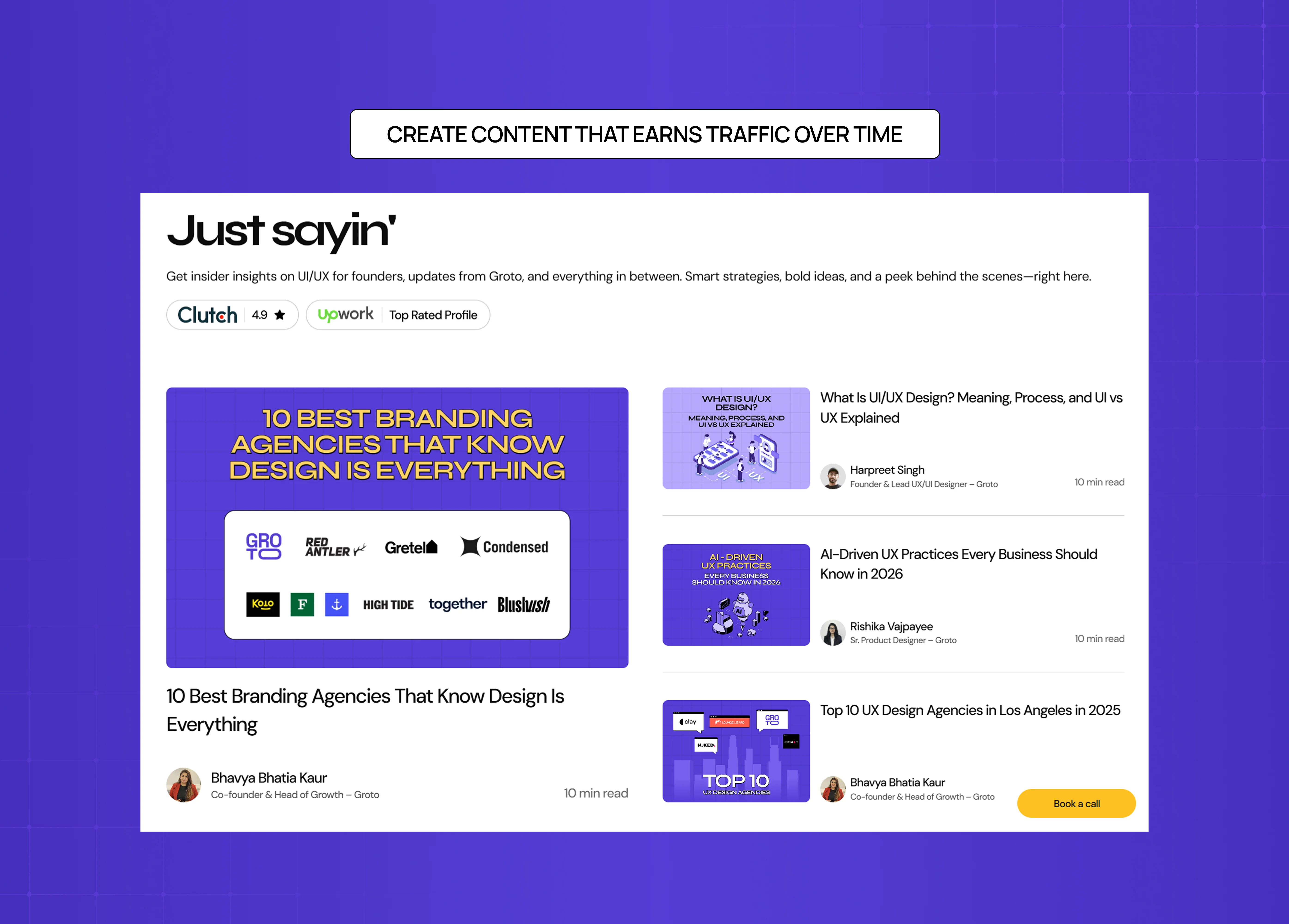
A blog is one of the most effective website promotion free strategies available. Publishing consistent, useful content helps your site rank for questions your audience is already searching for — and it keeps working long after you hit publish.
When building a content marketing strategy:
Do keyword research before writing anything — target terms with clear search intent
Structure each post for skimmability: short paragraphs, clear subheadings, no walls of text
Cover one topic per post thoroughly rather than skimming ten topics lightly
Include internal links to your other pages to increase session depth
At Groto, content is often the first thing we audit when a SaaS client's organic website traffic has plateaued. Nine times out of ten, the site has pages — but no real strategy behind them.
3. Repurpose Content Across Every Channel
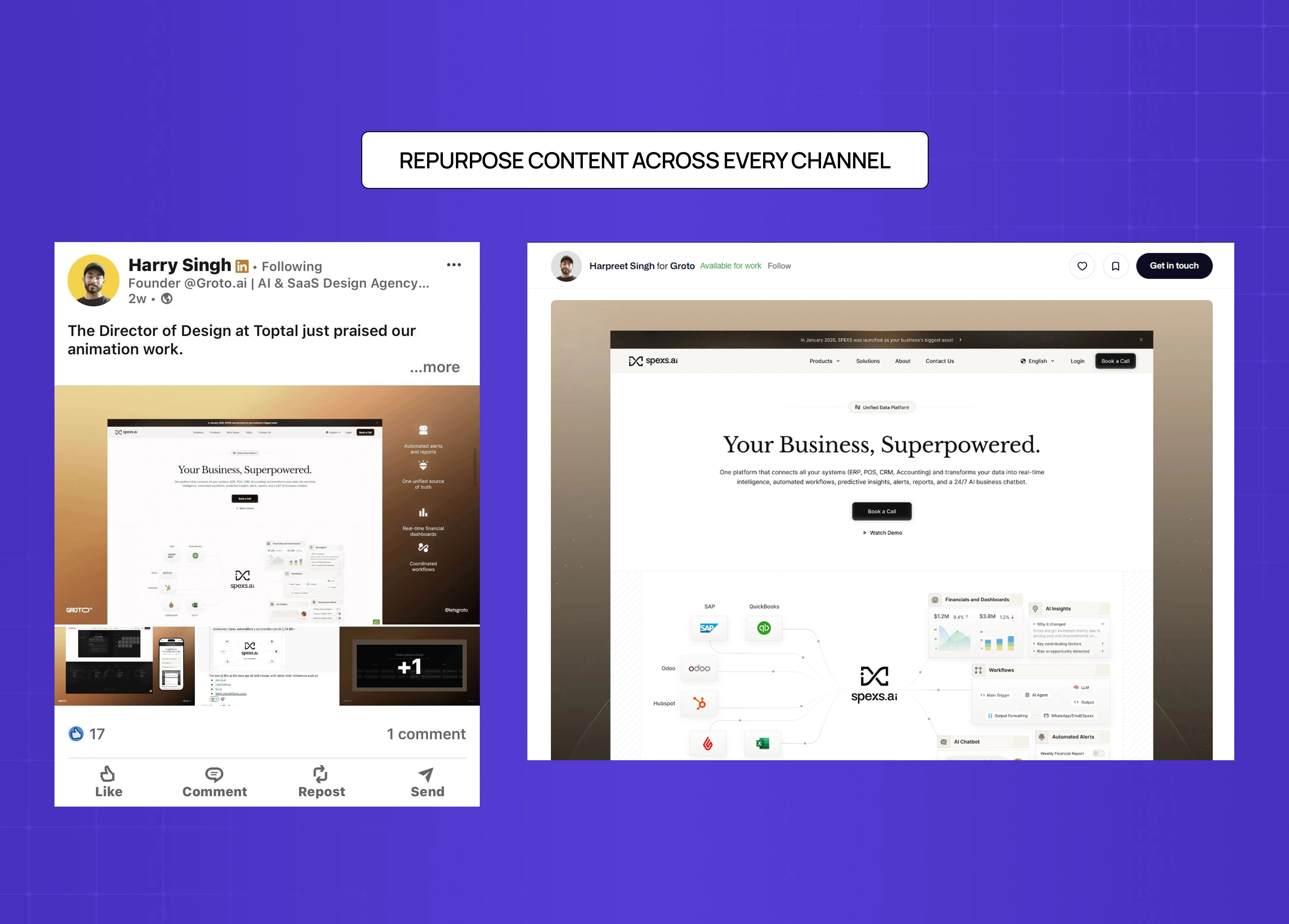
Creating content once and publishing it in one place is one of the most common inefficiencies in website promotion. The "create once, distribute many" approach multiplies the value of every piece you produce without proportionally multiplying the effort.
A single blog post can become:
A LinkedIn carousel breaking down the key points visually
A short-form video or Reel summarizing the core insight in 60 seconds
An infographic shared across Pinterest, social media, and in email newsletters
A Twitter/X thread expanding on one specific argument from the post
A podcast talking point or YouTube script
For SaaS businesses and small teams with limited content bandwidth, repurposing is not optional — it is the multiplier that makes the whole system work. One piece of high-quality research, repackaged across formats, can drive traffic from five different channels simultaneously.
4. Build Backlinks Through Guest Posting, PR, and Earned Media
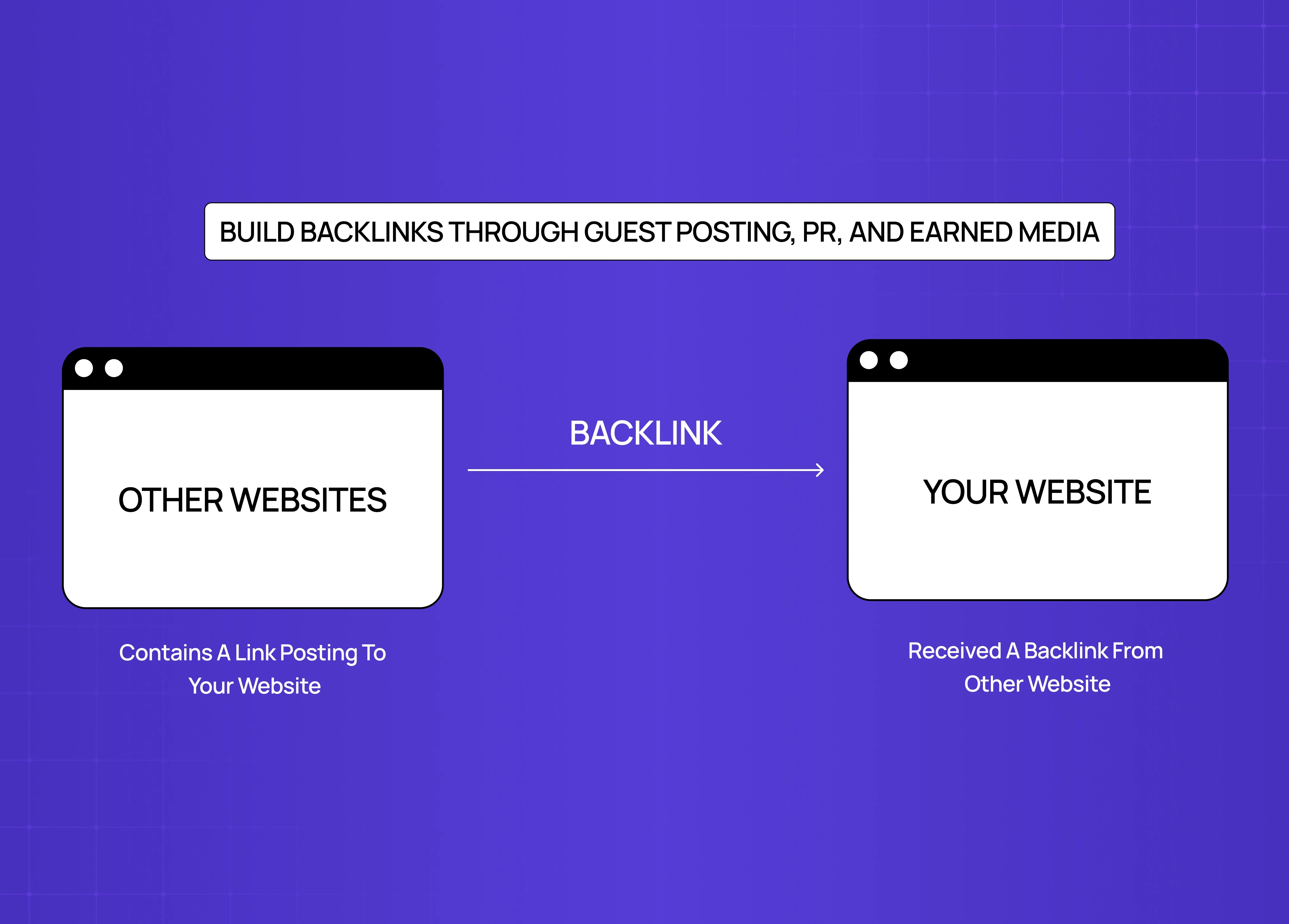
Google treats backlinks as votes of confidence. The more credible sites that link to yours, the higher your authority — and the better your ranking potential.
Practical ways to build backlinks:
Write guest posts for publications and blogs your target audience already reads
Use Connectively (formerly HARO) to respond to journalist queries and earn press mentions in relevant media
Pitch your data, reports, or original research to industry publications as citable sources
Partner with complementary businesses for mutual referrals and co-created content
Get listed in trusted niche directories and "best of" roundup articles
Free tools and lead magnets are one of the most underused link-building assets available. Building a free calculator, template, checklist, or audit tool gives other sites a genuine reason to link to you without any outreach required. These "link magnets" earn backlinks passively over time and often rank in their own right.
One thing to avoid: paid link schemes. They carry long-term ranking penalties. Focus on links you genuinely earn.
5. Use Social Media as a Distribution Engine
Social media promotion is not about posting and hoping. It is about distributing the content, insights, and proof points you have already created — and putting them in front of people primed to care.
What works across platforms:
Share your blog posts with a strong hook, not just a link
Use platform-native formats: Reels on Instagram, carousels on LinkedIn, threads on X
Engage in comments and conversations — do not just broadcast
Add your website link to every profile bio
The key is choosing platforms where your audience actually exists. A B2B SaaS company will see better results on LinkedIn than TikTok. An e-commerce brand might find Instagram Shopping drives more direct traffic. Match channel to audience first.
6. Invest in Video Marketing and YouTube SEO
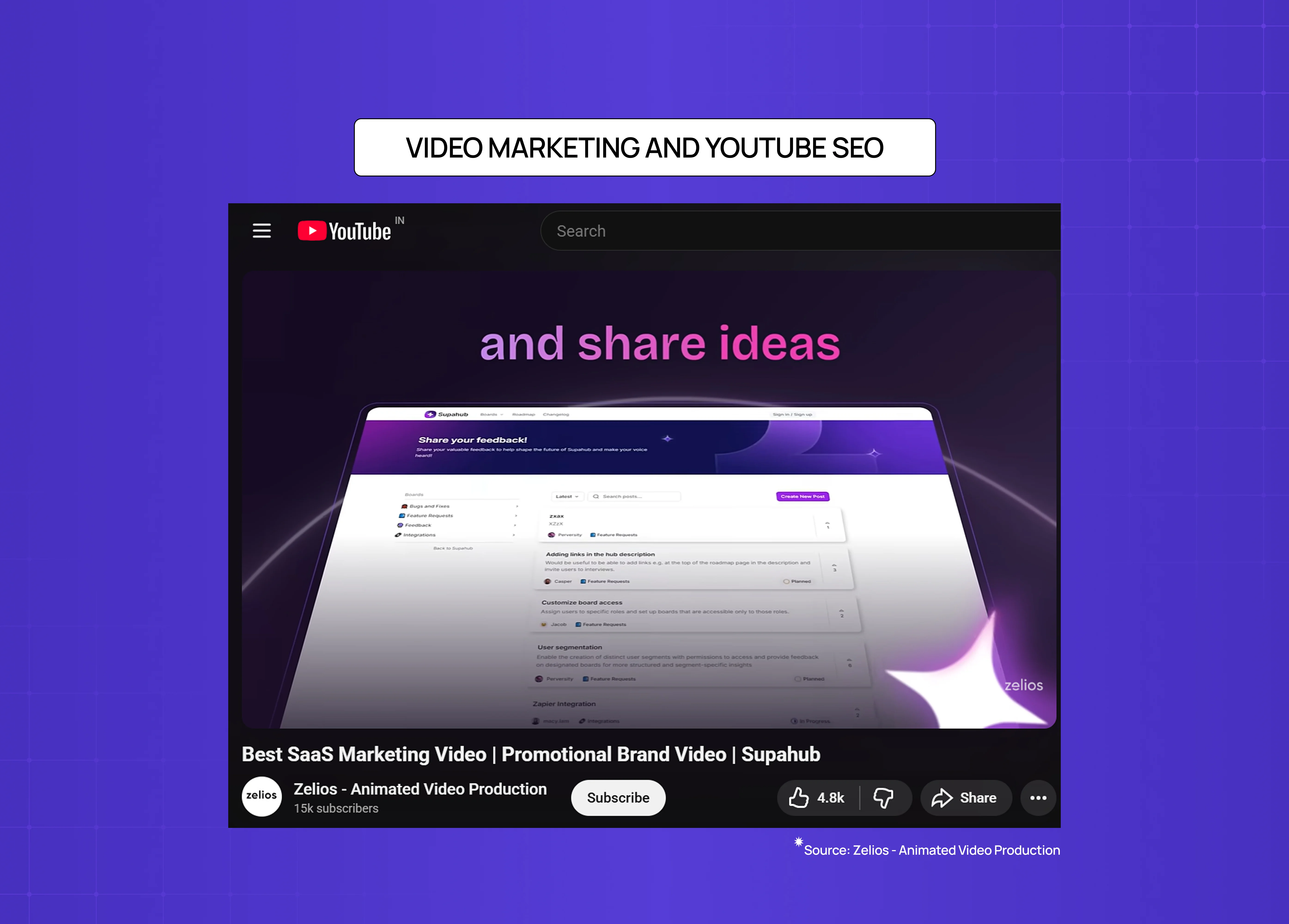
In 2026, YouTube is the second-largest search engine in the world. Treating video as optional is leaving a significant discovery channel untouched.
YouTube SEO basics that drive consistent traffic:
Research keywords using YouTube's autocomplete and tools like TubeBuddy or VidIQ
Include your target keyword in the video title, description, and tags
Add timestamped chapters so viewers — and search engines — can navigate the content
Use custom thumbnails with high visual contrast and clear text
Add cards and end screens linking back to your website
Short-form video on TikTok, YouTube Shorts, and Instagram Reels serves a different but equally important function — top-of-funnel awareness. These formats introduce your brand to audiences who were not actively searching for you, driving curiosity-led traffic back to your site.
A practical starting point: repurpose your best-performing blog posts into YouTube explainer videos. You already have the research and structure — video is the distribution layer on top.
7. Run Webinars and Live Events
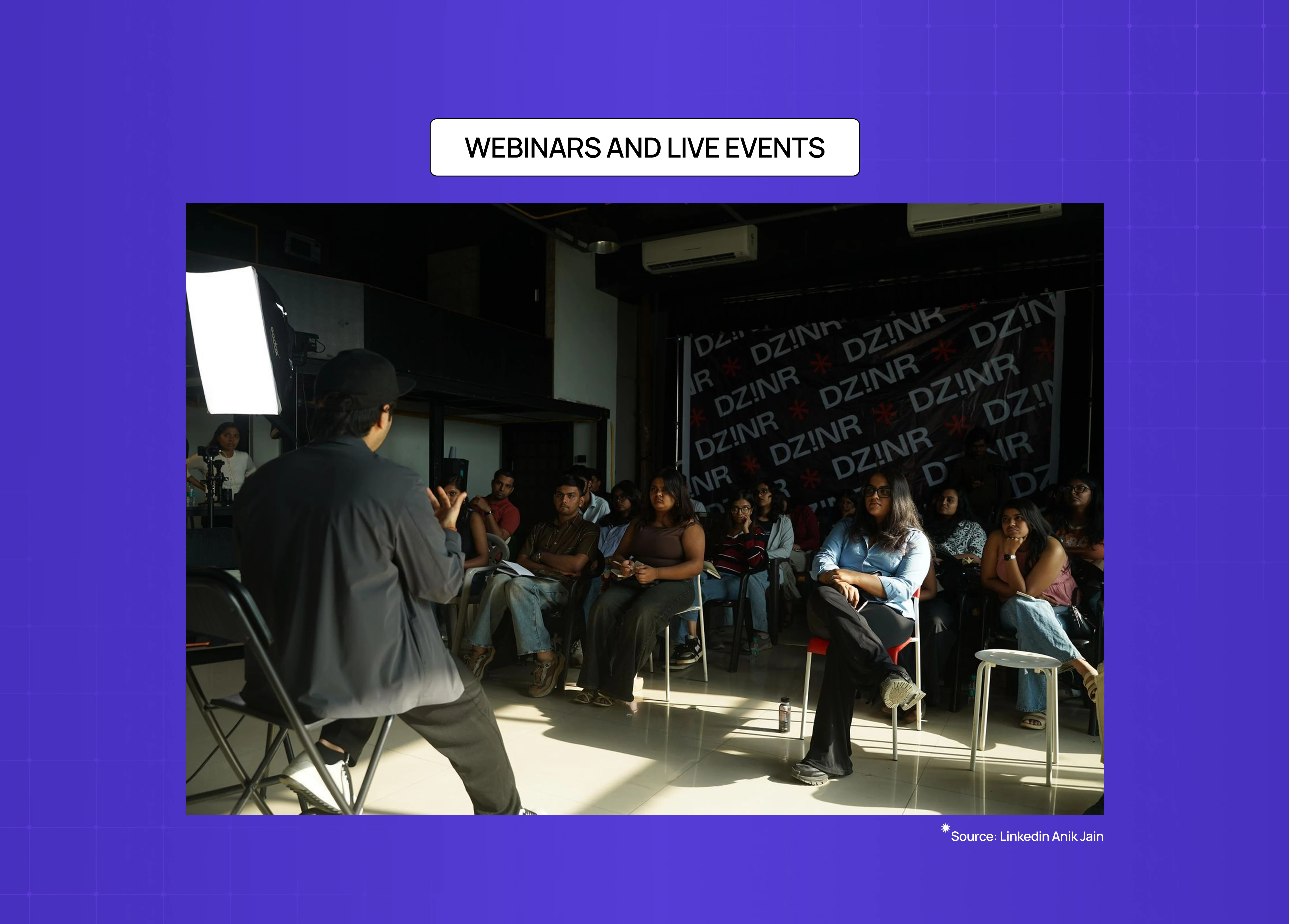
Webinars are one of the highest-intent lead generation channels available for website promotion — and one of the most consistently underused.
A well-structured webinar does three things simultaneously:
Drives registrations that build your email list
Positions your brand as an authority in your category
Produces a recording that becomes an evergreen traffic driver long after the live event ends
Formats that work well:
Product walkthroughs and feature deep-dives for SaaS audiences
Q&A sessions around a specific problem your audience faces
Co-hosted webinars with complementary brands for shared audience reach
"State of the industry" reports presented live with data your audience cannot get elsewhere
The recording matters as much as the live event. Upload it to YouTube with proper SEO metadata, embed it in a dedicated landing page, and clip short segments for social media distribution. One webinar, executed well, can generate traffic for months.
8. Build an Email List and Use It Consistently
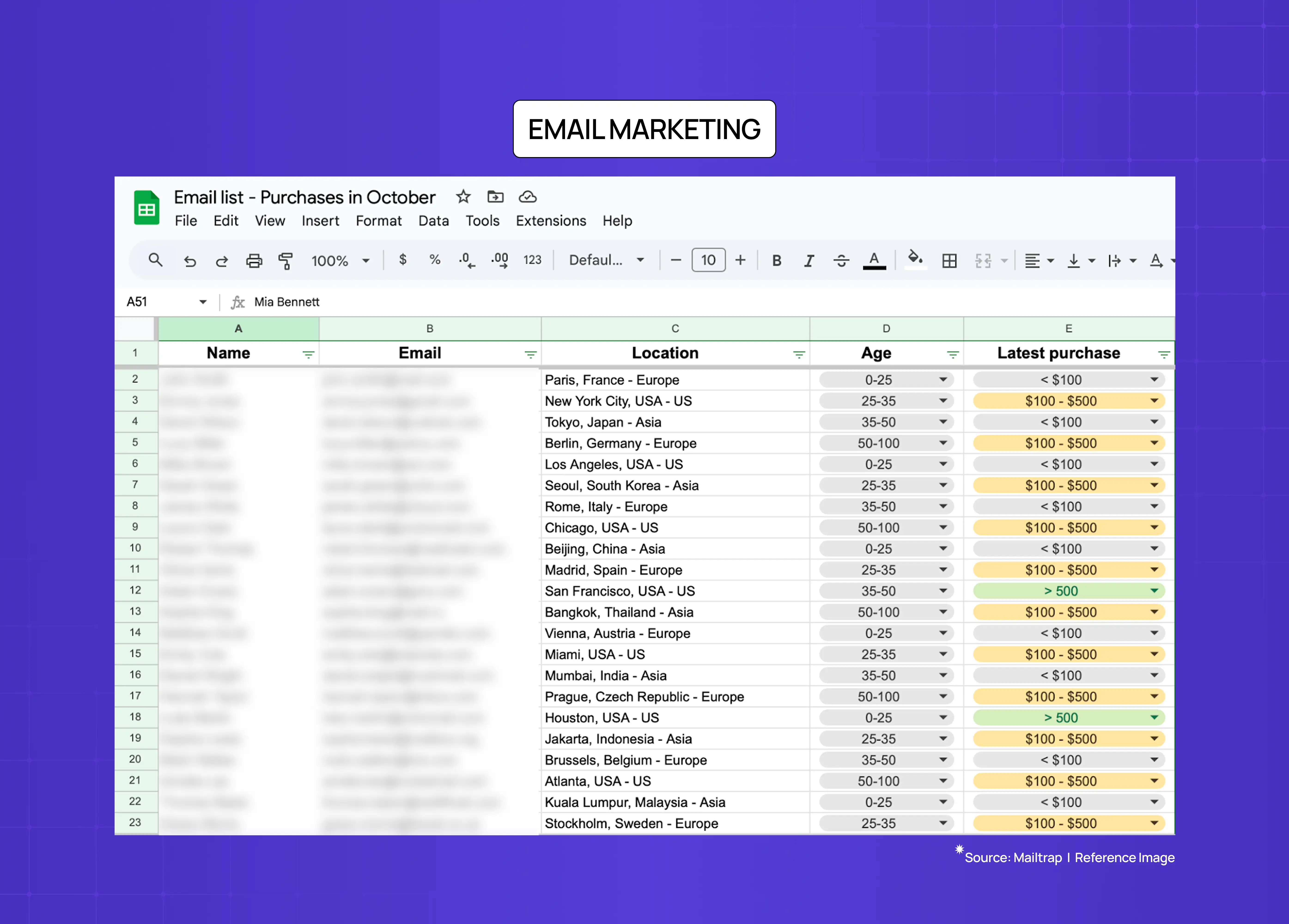
Email marketing delivers some of the highest returns of any digital channel. Unlike social media, your email list is an audience you actually own — algorithms cannot deprioritize it overnight.
To make email work for website promotion:
Add a clear opt-in offer on your homepage, blog, and landing pages
Send regular newsletters featuring your latest content, updates, or offers
Keep emails concise — one clear call to action per email, linking back to your site
Segment your list as it grows so emails stay relevant to each reader
The goal is not to email everyone everything. It is to give subscribers a reason to come back to your website every single time they open your message.
9. Get Listed in Directories and Online Communities
Directory listings are underrated as a website promotion idea, especially for service providers and SaaS businesses. A complete Google Business Profile can place your website in front of people actively searching for what you offer.
Beyond Google Business:
Submit to niche directories relevant to your industry
List on Clutch, G2, or Product Hunt if you are a SaaS or design studio
Participate genuinely in Reddit threads, Slack communities, and LinkedIn groups
Community participation carries an added benefit in 2026: platforms like Reddit are increasingly cited by AI tools like ChatGPT and Google AI Overviews. A strong community presence can translate directly into AI-driven discovery.
10. Run a Google Ads Campaign for Fast Visibility
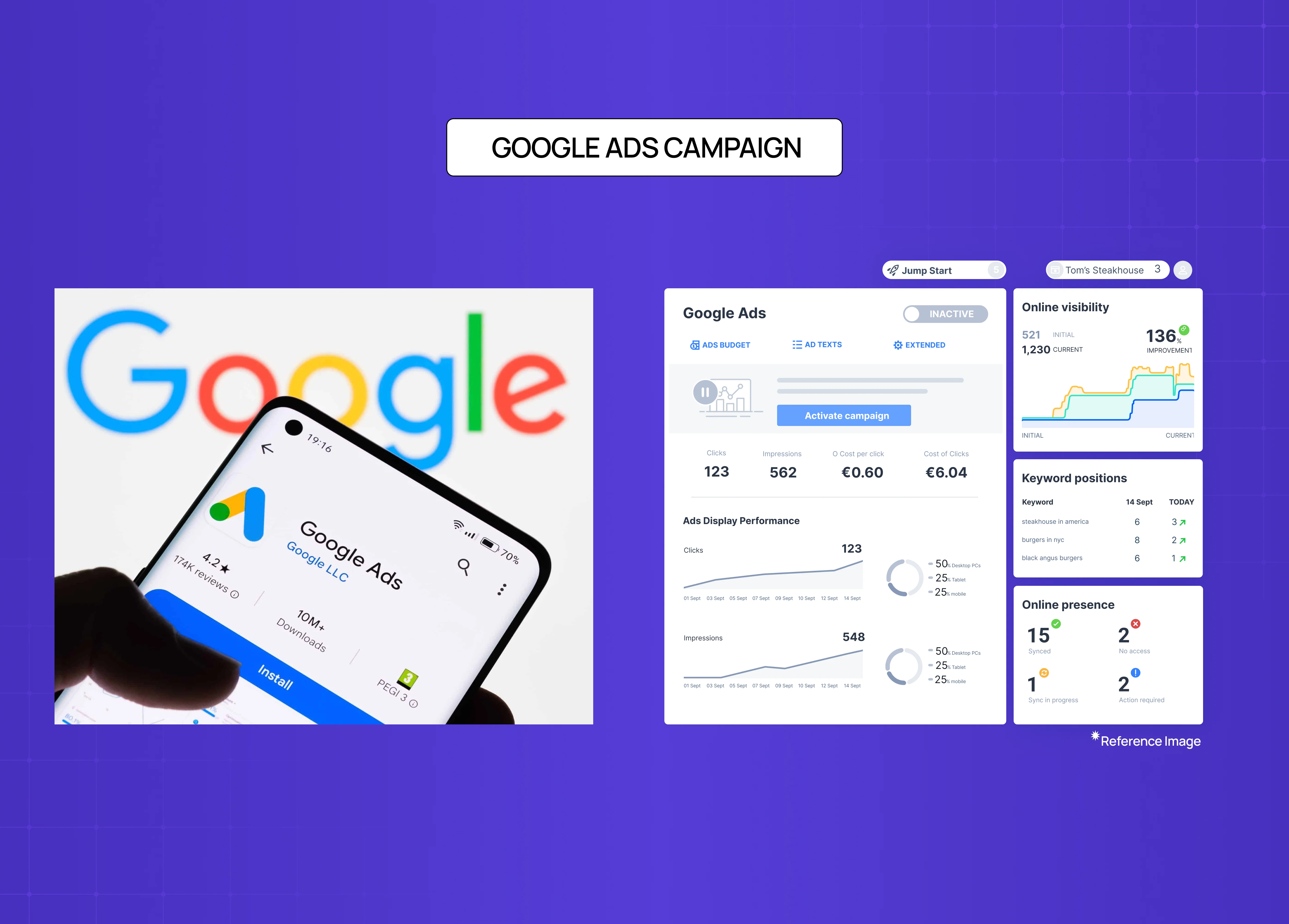
Organic channels take time. If you need traction quickly — for a launch, a campaign, or a new service — a Google Ads campaign can put you in front of high-intent audiences immediately.
How to run it smart:
Start with Search campaigns targeting specific, high-intent keywords
Set a daily budget you are comfortable with and monitor it daily for the first two weeks
Write ad copy that matches exactly what the user searched for — the same principles behind UX writing and microcopy for higher conversions apply directly to ad copy clarity
Send paid traffic to a dedicated landing page built around landing page elements that drive conversions, not your homepage
Google Ads work best when the destination page is designed to convert. Paying for clicks that land on a confusing or generic page is money wasted — something we see consistently when SaaS teams come to us after a failed paid campaign. The ad was fine. The page was not.
11. Use Retargeting to Convert Warm Audiences
Most first-time website visitors are not ready to take action. They browse, they leave, and if you have no retargeting in place, they are gone. Retargeting changes that by keeping your brand in front of people who have already shown interest.
The core principle: warm audiences — people who have previously visited your site — convert at significantly higher rates than cold traffic. They already know who you are. Retargeting closes the gap between initial interest and final decision.
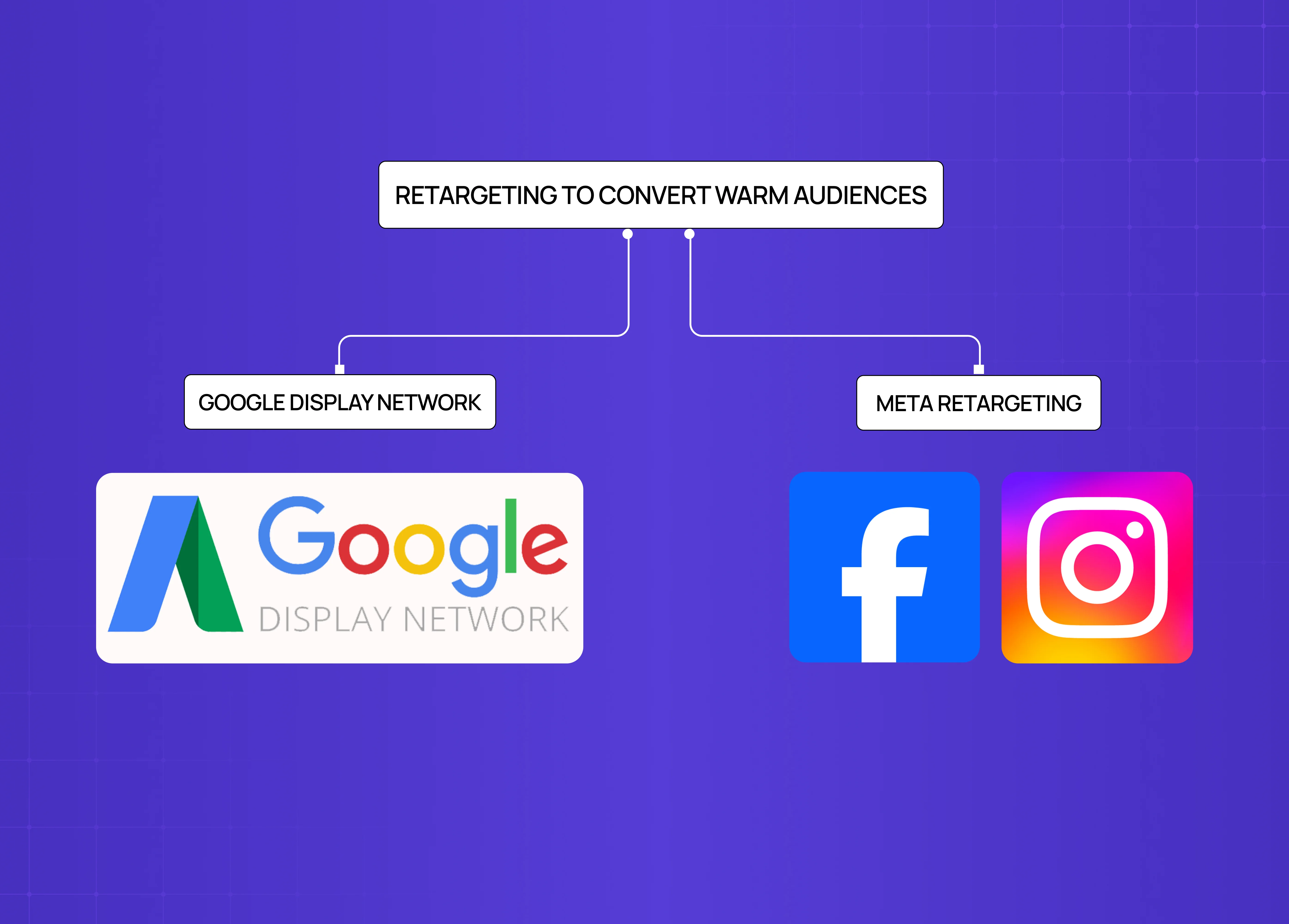
Two primary retargeting channels:
Google Display Network: Shows banner ads across millions of websites to people who visited specific pages on your site. Effective for keeping your brand visible during long consideration cycles.
Meta Retargeting (Facebook/Instagram): Targets previous visitors with social ads based on specific actions — pages visited, time spent, content viewed. Particularly effective for e-commerce and SaaS free trial flows.
One critical reminder: a retargeted click is not a guaranteed conversion. If the page you send warm traffic back to is confusing, slow, or generic, the familiarity advantage disappears immediately. Retargeting amplifies the page experience — good or bad. Study the best landing page design examples before you build the destination — the page has to earn the second visit.
12. Optimize for GEO — Generative Engine Optimization
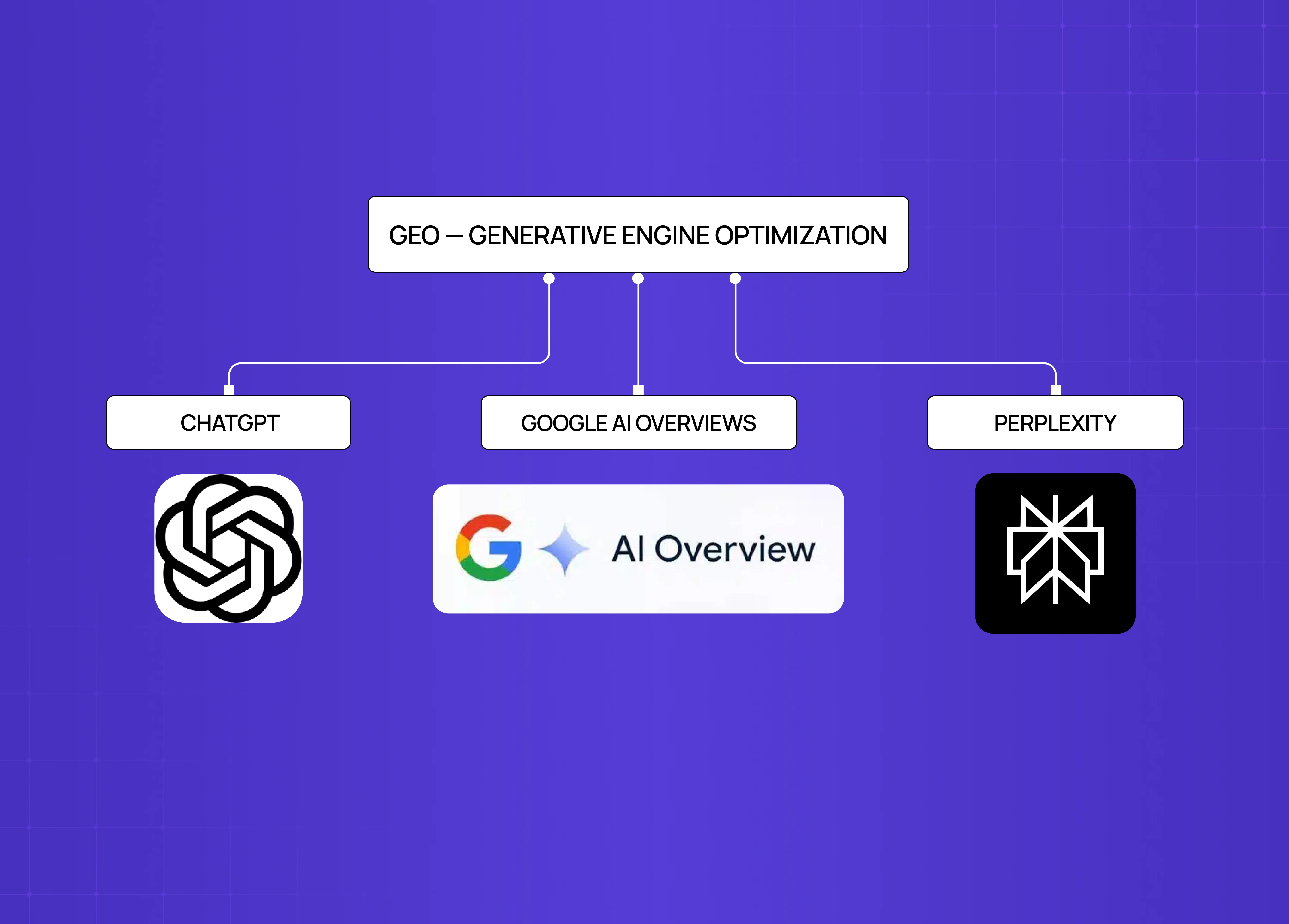
This is the biggest untapped website promotion opportunity in 2026. While most businesses are still focused exclusively on traditional SEO, AI tools like ChatGPT, Perplexity, and Google AI Overviews are now primary discovery surfaces for millions of users.
GEO (Generative Engine Optimization) is the practice of structuring your content so AI models are more likely to surface, cite, or recommend your website in their responses.
Key tactics:
Write in clear, passage-level chunks. AI models retrieve specific passages to answer questions, not full pages. Each section of your content should be able to stand alone as a direct answer to a specific question.
Build entity-based content. Cover topics comprehensively enough that AI models associate your brand with specific concepts in your category. Depth and topical authority matter more than keyword density.
Add an llms.txt file to your site. Similar in function to robots.txt, this emerging standard tells AI crawlers which content is available and how to interpret it. Early adoption gives you a structural advantage.
Earn citations on platforms AI models frequently reference. Reddit, Wikipedia, major industry publications, and authoritative directories are heavily weighted sources. A strong presence on these platforms increases the likelihood of being cited in AI-generated answers.
Use structured data markup. Schema markup helps AI models understand exactly what your content is about — product, service, article, FAQ — and surfaces it more accurately in generative results.
Voice search fits naturally into this framework. Conversational, question-based queries — "what is the best way to promote a new website" or "how do I get more visitors to my site" — are the primary format for both voice search and AI chat interfaces. Writing content that directly answers these natural language questions positions you well for both channels simultaneously.
13. Collaborate With Others in Your Niche
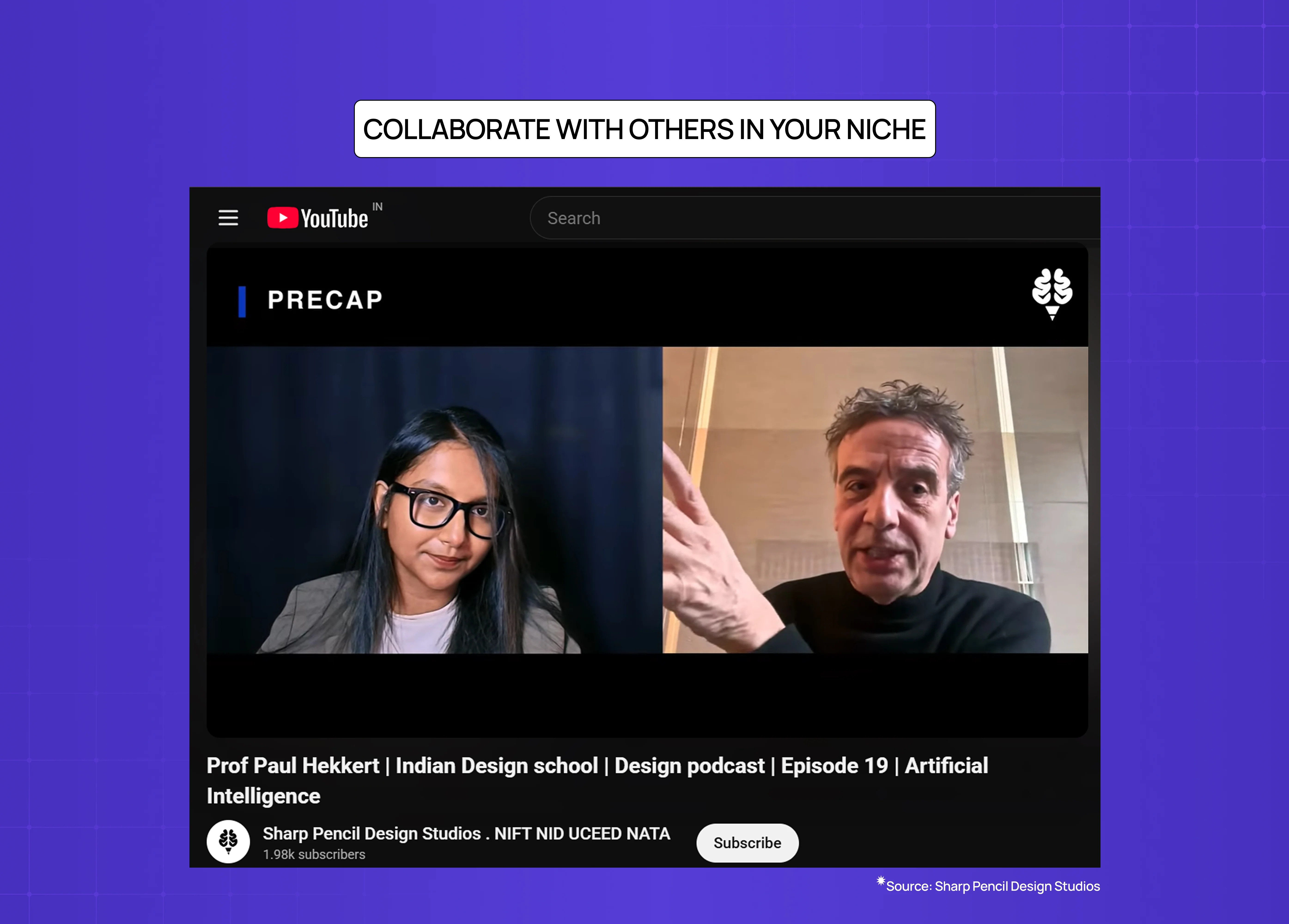
Collaboration is one of the most underused website promotion ideas. When you partner with someone who already has your audience's attention, you borrow both credibility and reach simultaneously.
Collaboration formats that work:
Podcast guest appearances — your expertise, their audience
Co-created content like joint reports, webinars, or interviews
Newsletter swaps with complementary brands
Influencer partnerships for product or service mentions
When we redesigned Camb.ai's platform, cross-promotion between design and AI content communities significantly amplified their launch reach. (See the project →)
Recommended Tools by Channel
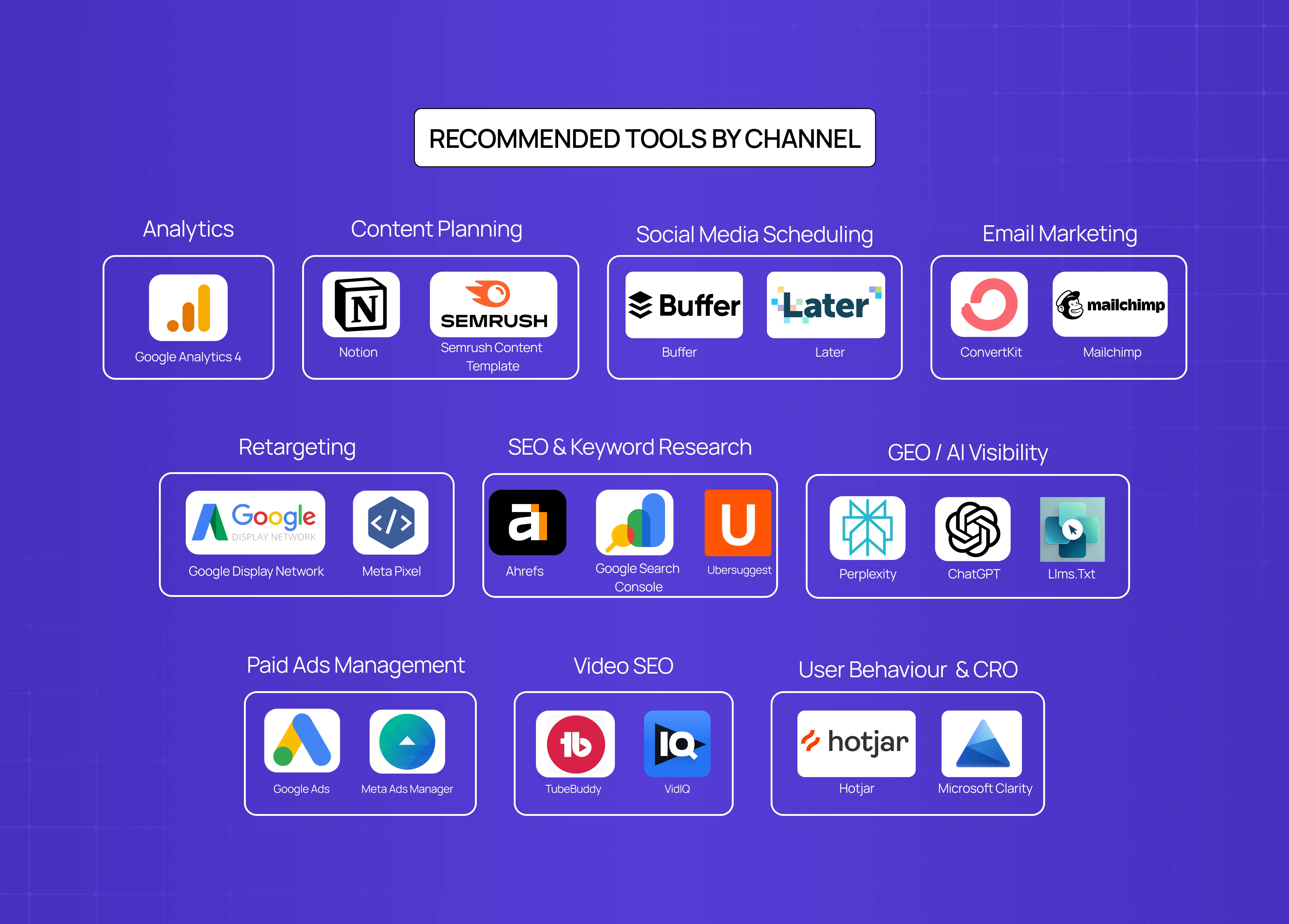
Channel | Recommended Tool(s) |
SEO & Keyword Research | Ahrefs, Google Search Console, Ubersuggest |
Content Planning | Notion, Semrush Content Template |
Social Media Scheduling | Buffer, Later |
Email Marketing | ConvertKit, Mailchimp |
Paid Ads Management | Google Ads, Meta Ads Manager |
Retargeting | Google Display Network, Meta Pixel |
Video SEO | TubeBuddy, VidIQ |
User Behaviour & CRO | Hotjar, Microsoft Clarity |
Analytics | Google Analytics 4 |
GEO / AI Visibility | Perplexity, ChatGPT (manual testing), llms.txt |
How to Measure Whether Your Website Promotion Is Working
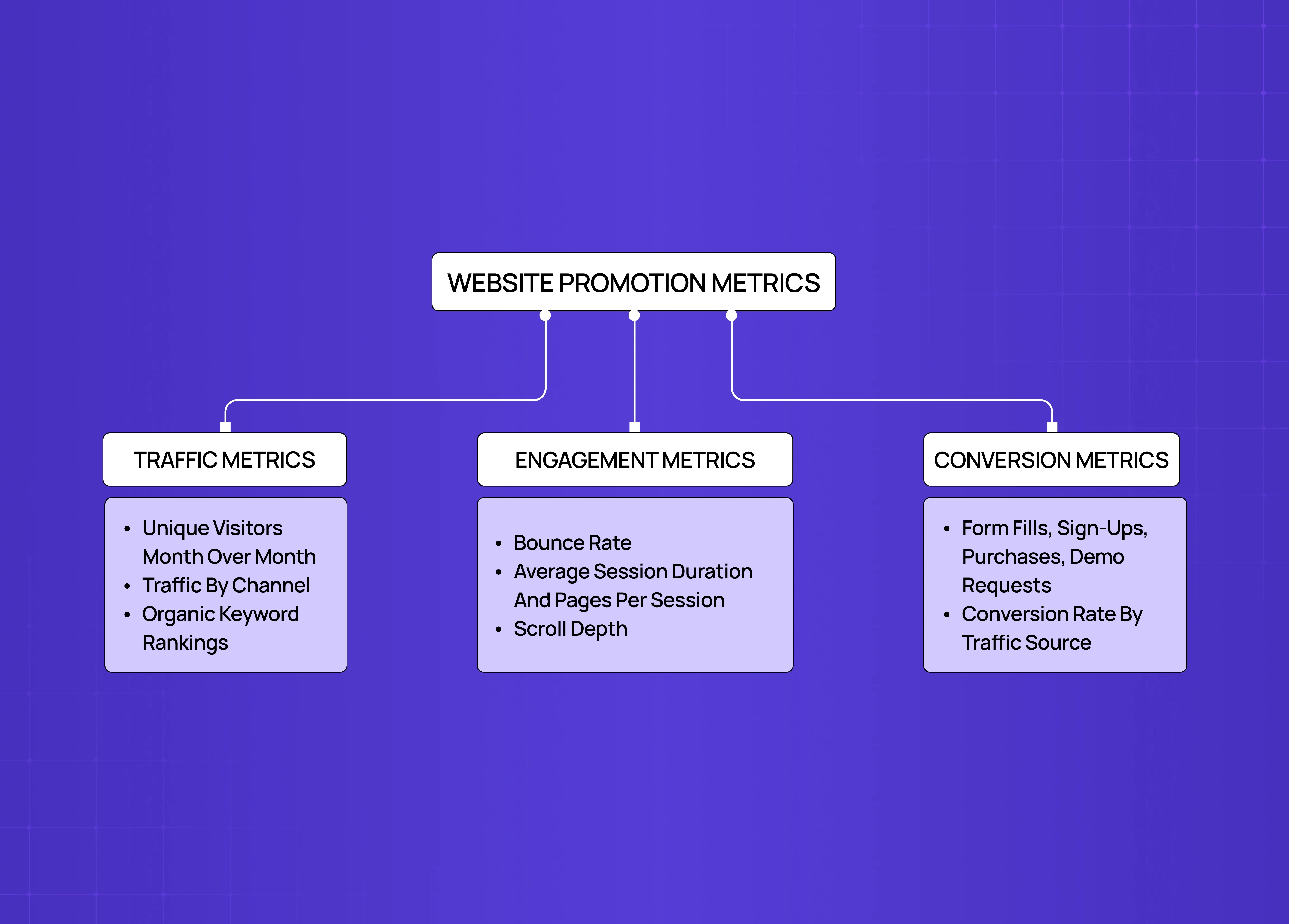
Promotion without measurement is guesswork. These are the metrics that actually tell you whether your efforts are translating into results.
Traffic metrics:
Total sessions and unique visitors month over month
Traffic by channel — organic, direct, social, referral, paid — so you know what is driving growth
Organic keyword rankings for your target terms
Engagement metrics:
Bounce rate — are visitors staying or leaving immediately?
Average session duration and pages per session — numbers that improve significantly when destination pages are built as interactive websites that encourage exploration rather than passive reading
Scroll depth on key content pages
Conversion metrics:
Goal completions: form fills, sign-ups, purchases, demo requests
Conversion rate by traffic source — which channels bring quality visitors, not just volume — and use A/B testing for SaaS companies on your highest-traffic landing pages to systematically improve these numbers over time
Cost per acquisition on paid channels
Set up Google Analytics 4 and Google Search Console from day one. Review your numbers weekly, not monthly. The patterns that matter most show up fastest when you are looking regularly.
Conclusion
Website promotion is not a one-time task. It is an ongoing system — and the businesses that treat it that way consistently outgrow their competition. Here is what to take away:
Define your audience first — promotion without targeting is just noise
SEO and content build organic website traffic that compounds quietly in the background
Content repurposing multiplies the reach of every piece you create across formats and channels
Video and YouTube SEO are now primary discovery channels, not optional extras
Email marketing gives you a direct, algorithm-proof channel to your most interested audience
Retargeting converts warm audiences who already know you — at far better rates than cold traffic
GEO is the biggest 2026 opportunity — optimize for AI models before your competitors do
Webinars generate high-intent leads and produce evergreen traffic through recordings
Google Ads campaigns accelerate visibility when timing is critical and budget allows
Measurement separates a promotion system from a promotion guess
Design quality determines whether any of the above actually converts
Pick your top three channels, execute consistently for 90 days, measure ruthlessly, and build from there.