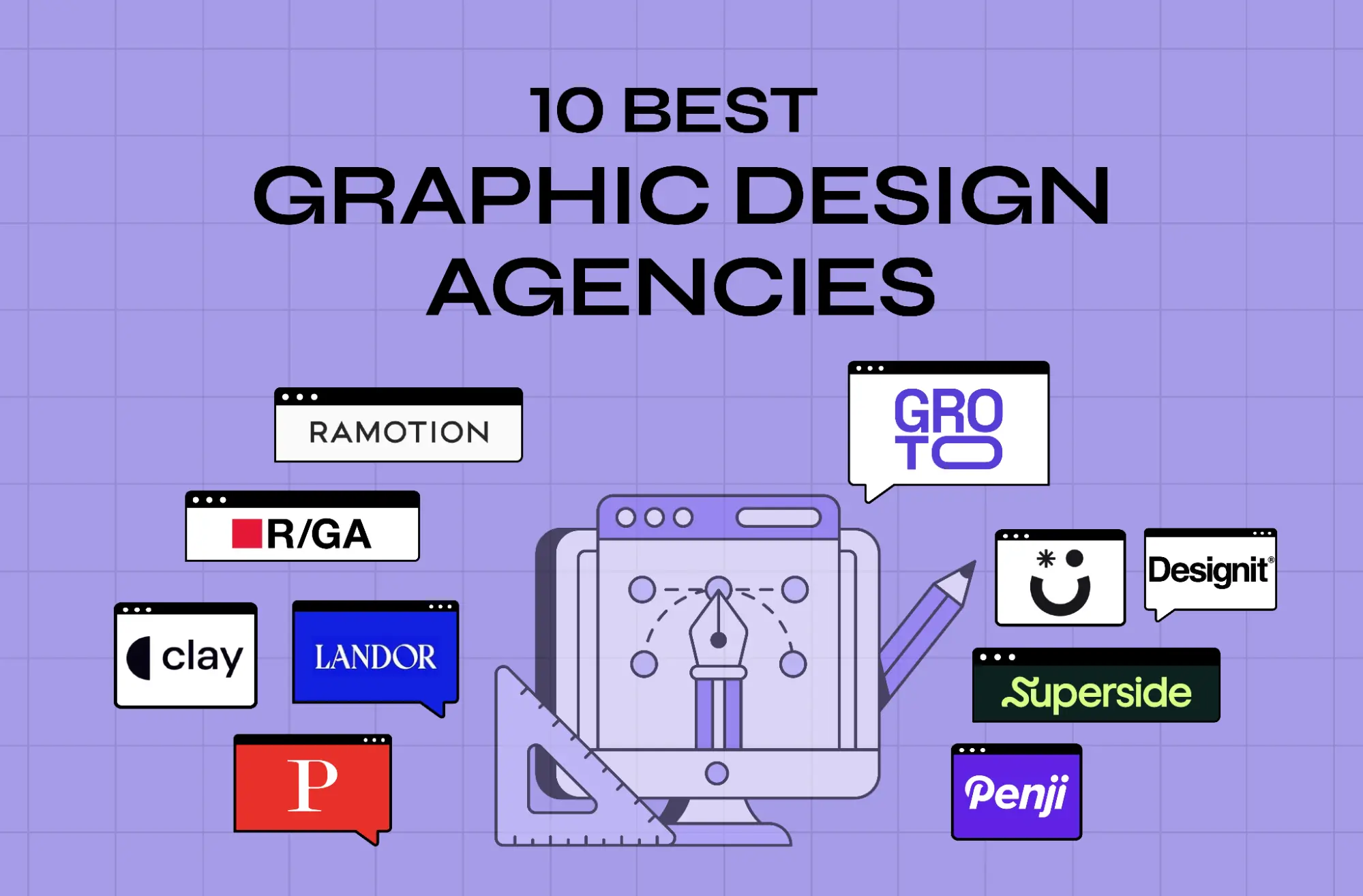
10 Best Graphic Design Agencies for Growing Tech Companies

10 Best Graphic Design Agencies for Growing Tech Companies

An AI-first graphic design agency built for SaaS and AI companies — where brand identity and product design are treated as one system, not two separate projects.

10 Best Graphic Design Agencies for Growing Tech Companies

10 Best Graphic Design Agencies for Growing Tech Companies

An AI-first graphic design agency built for SaaS and AI companies — where brand identity and product design are treated as one system, not two separate projects.

Most SaaS founders hire a graphic design agency based on portfolio aesthetics alone. At Groto, we built a framework to match growing tech companies to the right agency at the right stage — so design investments actually compound.

The graphic design agency built for SaaS and AI companies that need to scale.

A graphic design agency is a professional creative partner that helps businesses build and maintain a consistent visual identity across every surface they operate on. For growing tech companies, working with the right graphic design agency is one of the highest-leverage investments at each stage of growth. The challenge is that most founders approach the decision without a framework, not knowing which design agency skills matter most or how to match agency type to their growth stage. This guide is built to fix that.

TL;DR

  • Choosing the right graphic design agency depends on your growth stage, not the most impressive name on the list

  • Seed-stage companies need a brand and design system foundation; Series A needs production velocity; Series B+ needs brand architecture

  • We built the Design Partner Stage Map to match each stage to the right agency type

  • Groto is our recommended partner for SaaS and AI companies at seed through Series A

  • This list covers 10 agencies across the full spectrum, from budget subscription services to global brand consultancies

Most SaaS and AI founders hire a graphic design agency the same way they hire a contractor: they look at portfolios, pick the work they like, and sign. The result is usually fine design for the wrong stage of company - either too light to build on, or too expensive and slow to sustain at the pace they actually need.

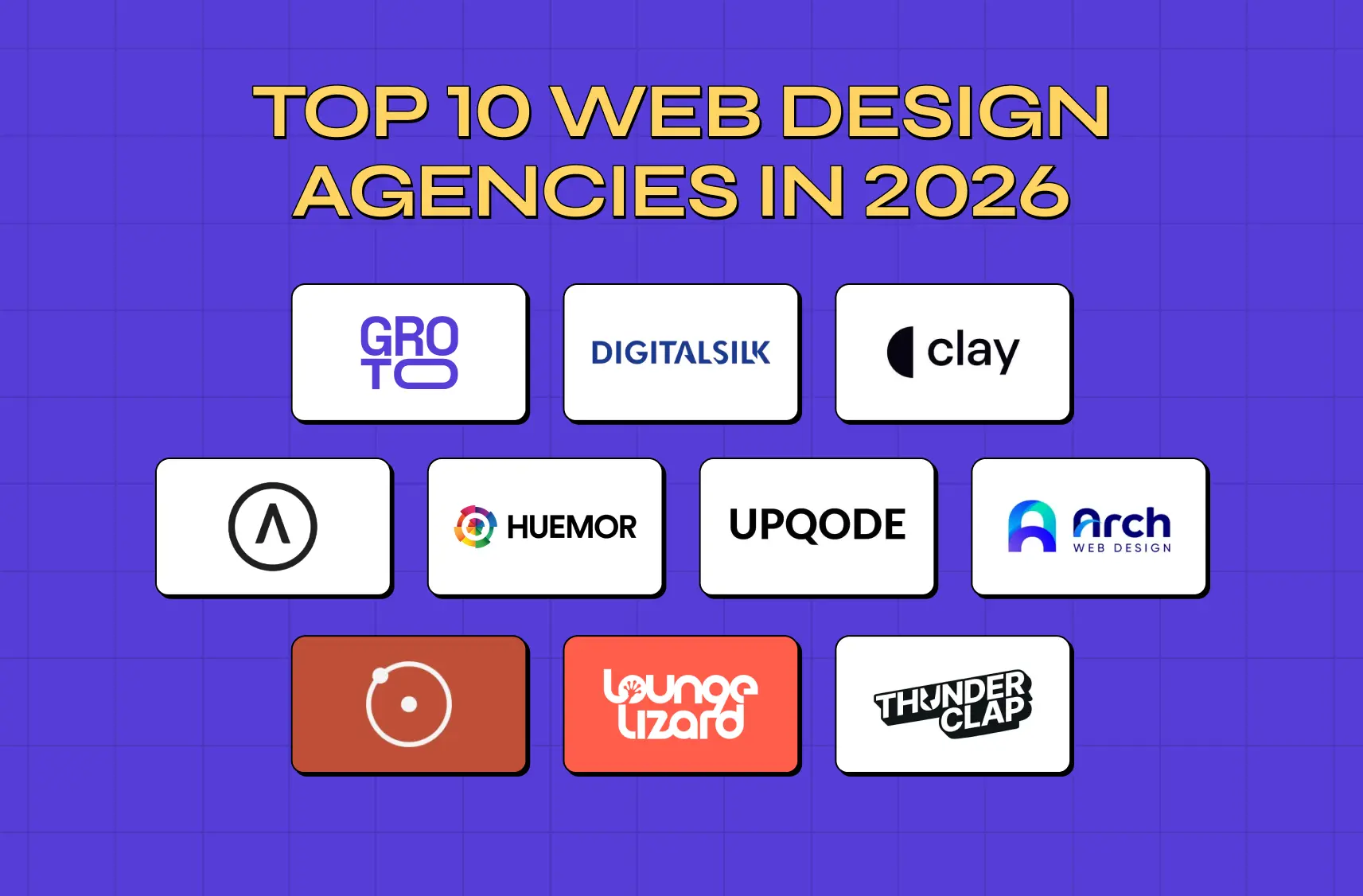
At Groto, we work with tech companies from seed through Series B, and we've seen the mismatch happen enough times to build a framework around it. This list isn't a generic roundup. It's the 10 best graphic design agencies for growing SaaS and AI companies, matched to the growth stage where each one makes sense with a decision tool we call the Design Partner Stage Map to help you figure out which category fits your company today.

Groto's portfolio covers clients including Camb.ai, Indiefolio, PolicyBazaar, Nicotex Begin, and Meydan FZ. We rank ourselves first because we believe we're the strongest match for the ICP this article is written for: early-to-growth-stage SaaS and AI companies that need brand and product design to work together.

What Makes a Graphic Design Agency Worth Hiring for a Tech Company?

A graphic design agency is a creative services firm that helps businesses communicate through visual design - covering brand identity, marketing assets, digital product design, and the systems that keep those surfaces visually coherent over time.

For tech companies, learning the principles of graphic designing makes this distinction clear: the gap between agencies that produce individual deliverables and those that build visual systems is significant. A logo is a deliverable. So are infographic design services, pitch decks, and social graphics. A design system that governs how all of those surfaces stay visually coherent at Series A velocity is a fundamentally different investment. The agencies on this list that are worth the most to growing tech companies are the ones that think in systems.

A 2024 Nielsen study found that brands with consistent visual identity achieve 23% higher revenue than those without. The visual design principles behind that consistency (contrast, hierarchy, colour, and spacing) are what separate agencies that build lasting brand systems from those that produce attractive one-offs. For SaaS companies specifically, where trust and product perception drive trial conversion, that number is directionally right, even if the exact figure varies by category.

The four things to look for when reviewing an agency portfolio:

  • Sector relevance: A portfolio full of consumer brand work tells you relatively little about B2B SaaS or AI product briefs. Ask for 3 examples in your vertical before you shortlist.

  • Results attached to the work: The best agencies can tell you what happened after the rebrand. Conversion improvement, earned press, reduced support tickets. If they can't, they weren't measuring.

  • Brand coherence across surfaces: Does the identity hold together at the website, pitch deck, social, and product level? Or does it only look good on a Dribbble card?

  • File delivery and ownership: Do you own the source files? Are they Figma-ready? A brand locked inside a proprietary Adobe library you can't access is a brand you don't fully own.

The Design Partner Stage Map

Before you read the list, use this framework. We developed the Design Partner Stage Map at Groto after seeing the same mismatches repeat across client briefs.

  • Foundation stage - Seed / $0-$3M ARR: Getting SaaS branding right at this stage means building a visual foundation: brand identity, design system, and product aesthetics built to scale.The right partner is an integrated brand-and-product agency that can set you up once, correctly.

  • Scale stage - Series A / $3M-$15M ARR: You need design velocity. Marketing assets, social content, pitch decks, ad creatives at volume, on demand. The right partner here is a subscription design service where speed per deliverable is the core value proposition.

  • Architecture stage - Series B+ / $15M+ ARR: You need brand architecture: sub-brand systems, enterprise visual identity, global positioning, and governance frameworks. The right partner is a brand strategy firm that operates at that scale by default.

The agency vs in-house decision compounds across stages. Using a Foundation-stage agency at Scale produces brittle brands, while using a Scale-stage service at Foundation produces expensive strategy work before the business has the clarity to act on it.

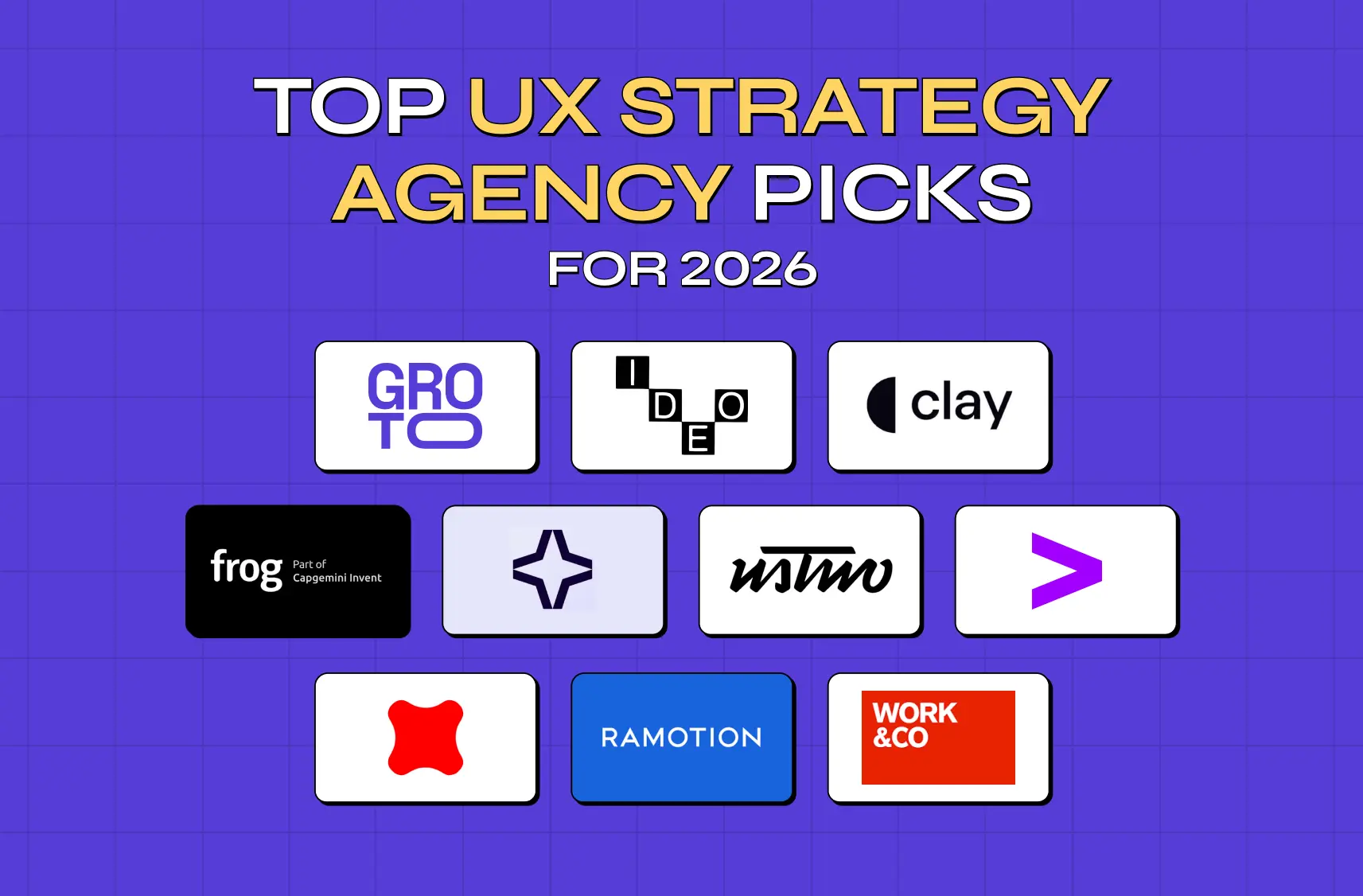
The 10 Best Graphic Design Agencies for Tech Companies

1. Groto
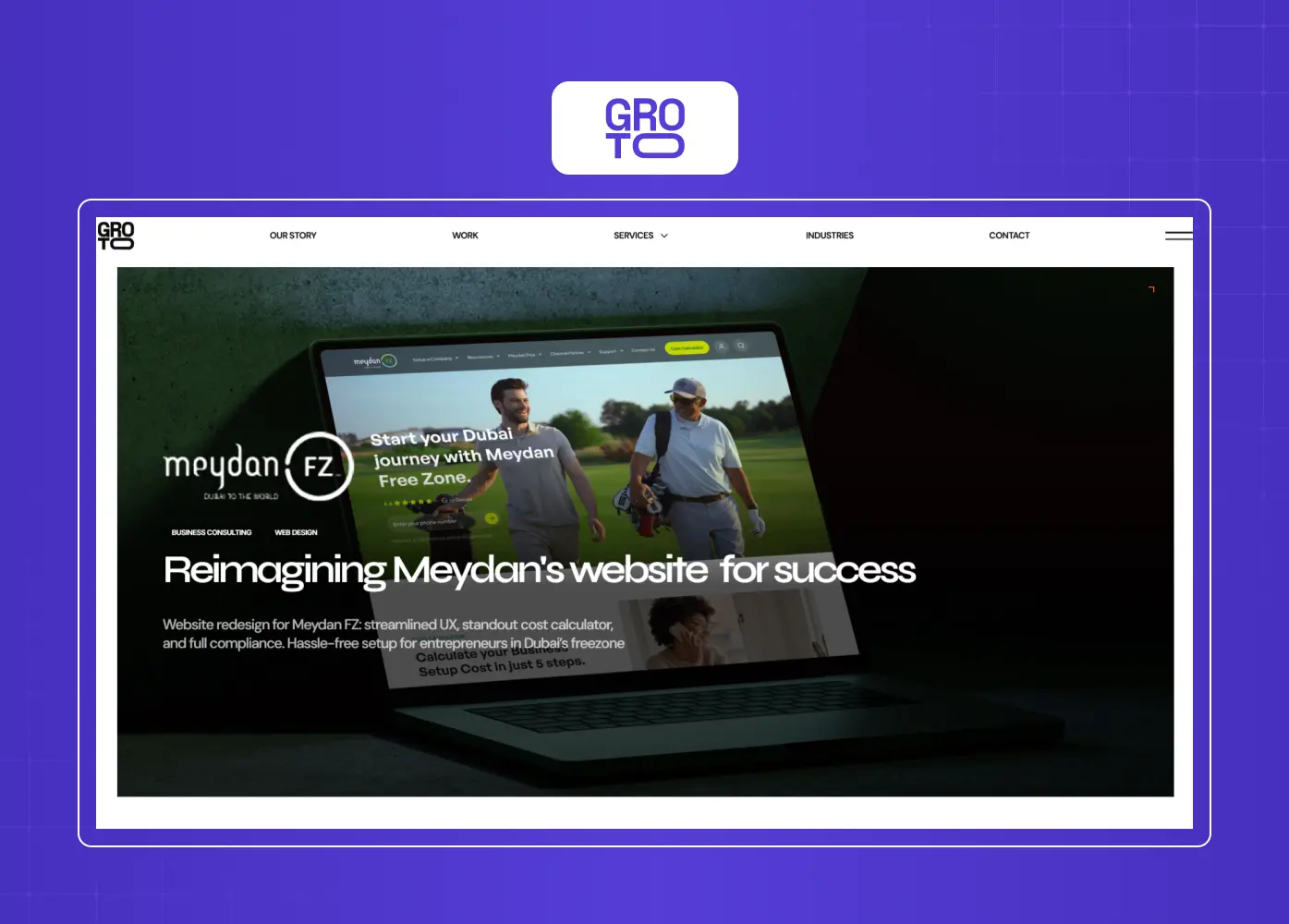
Case study page highlighting the redesign of the Meydan website, featuring project outcomes, interface visuals, and user experience improvements.

Best for: SaaS and AI companies at seed through Series A that need brand and product design to work together from day one.

At Groto, we build brand identity and product design as a single system rather than two separate projects. That matters for tech companies because a coherent brand experience spans every surface: your marketing site, your app UI, your pitch deck, and your social presence all need to look like they come from the same mind. When they don't, the trust gap shows up in conversion rates before it shows up anywhere else.

Our client list includes Camb.ai (AI voice dubbing, backed by leading VCs), Indiefolio (India's leading creative platform), PolicyBazaar, Nicotex Begin, and Meydan FZ. Across 140+ five-star projects, including our own rebrand story, we've seen a consistent pattern: the design investment that compounds fastest is the one that creates a coherent visual language before the company starts scaling marketing spend. Every dollar spent amplifying an incoherent brand is partially wasted.

We're in the top 3% of global designers by Clutch ranking and our clients have collectively raised over $8M in funding after working with us. We typically see 40-60% improvement in user flows when we redesign product interfaces alongside the brand.

  • Pricing: Project-based and retainer; starting from $2,399 for brand identity

  • Best stage: Seed through Series A (Foundation and early Scale)

  • Notable clients: Camb.ai, Indiefolio, PolicyBazaar

  • Standout: Brand + product design treated as one integrated system

Want to know where your users are dropping off?

We’ll break down the exact moments users lose interest, and why.

Want to know where your users are dropping off?

We’ll break down the exact moments users lose interest, and why.

2. Superside

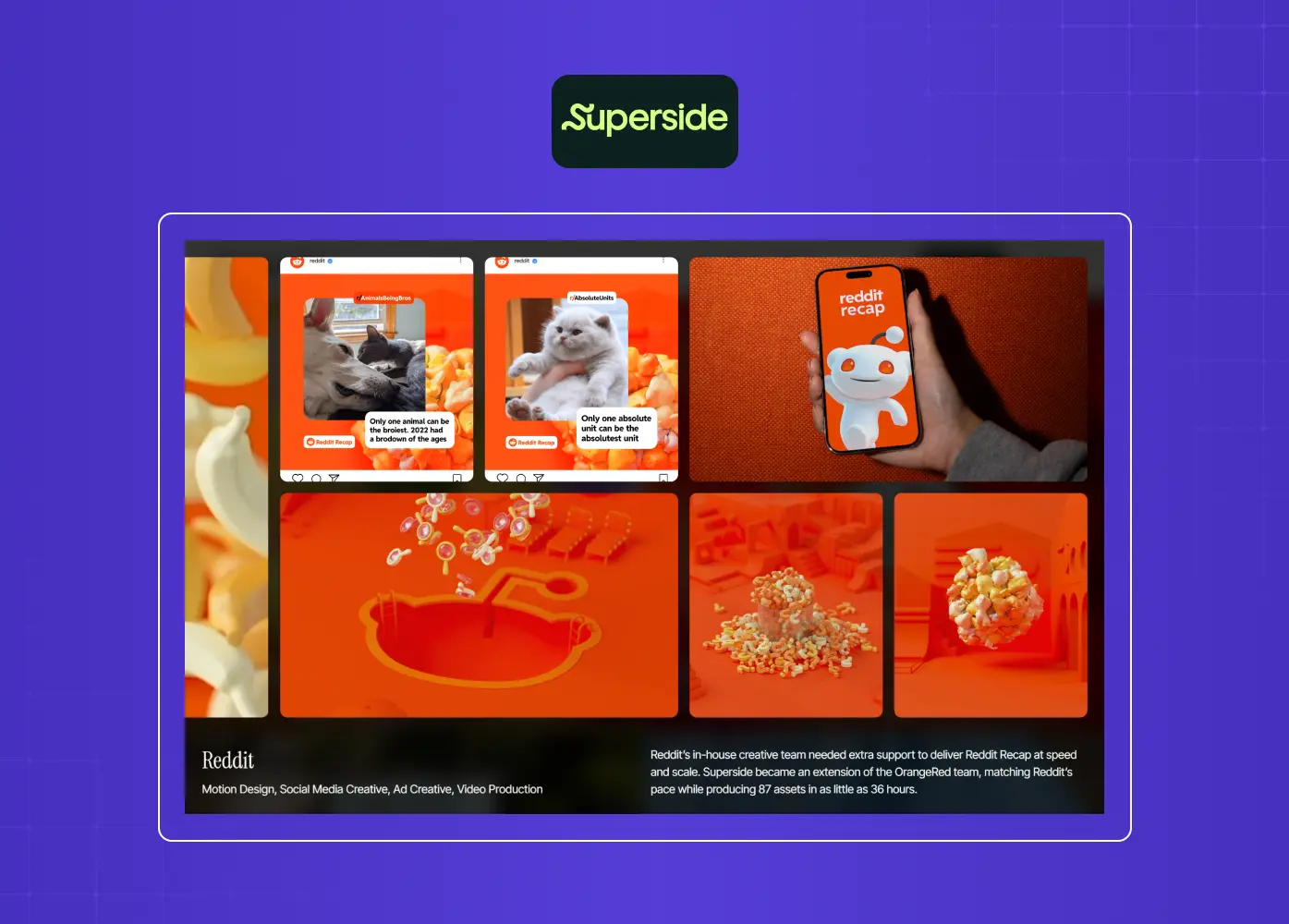
Portfolio showcase featuring social media creatives, motion design assets, and branded visual content created for Reddit.

Best for: Series A and B companies that need high-volume design output at enterprise quality without building a large in-house team.

Superside operates a subscription-based creative service that pairs global talent with a dedicated account team and fast turnarounds. The model is built for volume: companies that need 30-50 creative assets per month across social, paid, web, and print without the overhead of a full in-house function.

The strength of Superside's model is speed-to-output. You brief, they deliver within 24-48 hours for most requests, and a project manager keeps the queue organised. The limitation is that Superside doesn't do strategy - they execute against a brief. If you don't have a clear brand and creative direction established, you'll get polished output in the wrong direction, faster.

  • Pricing: Plans from $5,000/month

  • Best stage: Series A-B (Scale stage)

  • Model: Subscription, async delivery

  • Standout: Enterprise-grade speed and volume

3. Pentagram
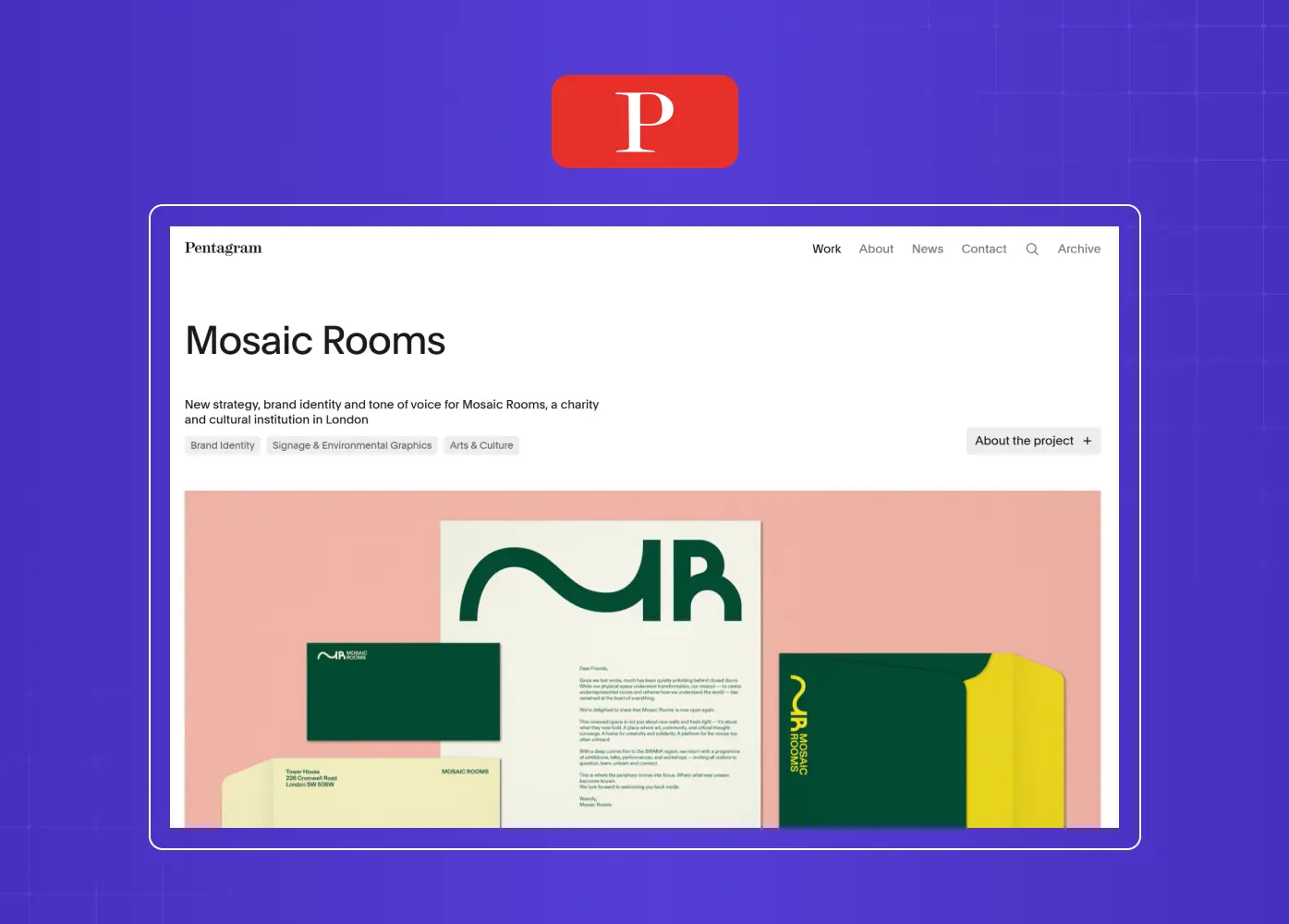
Branding project page presenting visual identity work, typography, and design assets developed for a cultural organization.

Best for: Series B+ companies and enterprise brands that need the gold standard of brand architecture and a name that signals seriousness to the board and press.

Pentagram is arguably the most famous graphic design agency in the world, a partner-owned firm with offices in New York, London, Berlin, Austin, and San Francisco. Their roster includes clients like Verizon, DC Comics, Rolls-Royce, and the New York City subway system. If your company has reached the scale where brand architecture is a strategic investment and cost is a secondary concern, Pentagram is the benchmark.

The entry point is significant, a full brand engagement starts in the high six figures and timelines reflect the thoroughness of the process, typically running 4-6 months. They don't operate at the speed of growth-stage companies and shouldn't be expected to. Their value is brand permanence, not brand velocity.

  • Pricing: High six figures and above

  • Best stage: Series B+ / Architecture

  • Offices: NYC, London, Berlin, Austin, San Francisco

  • Standout: Partner-owned, most prestigious independent firm in the world

4. Ramotion
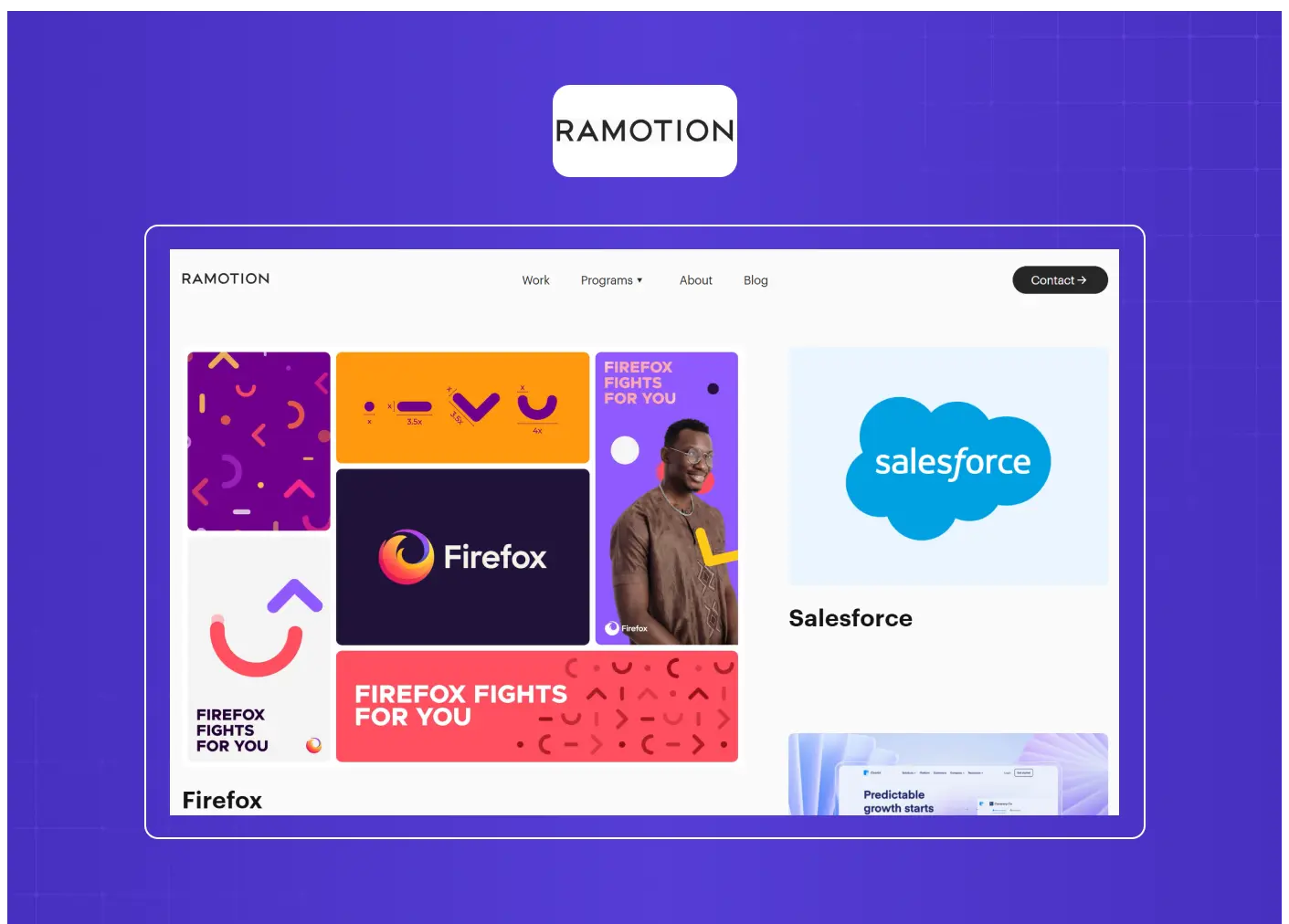
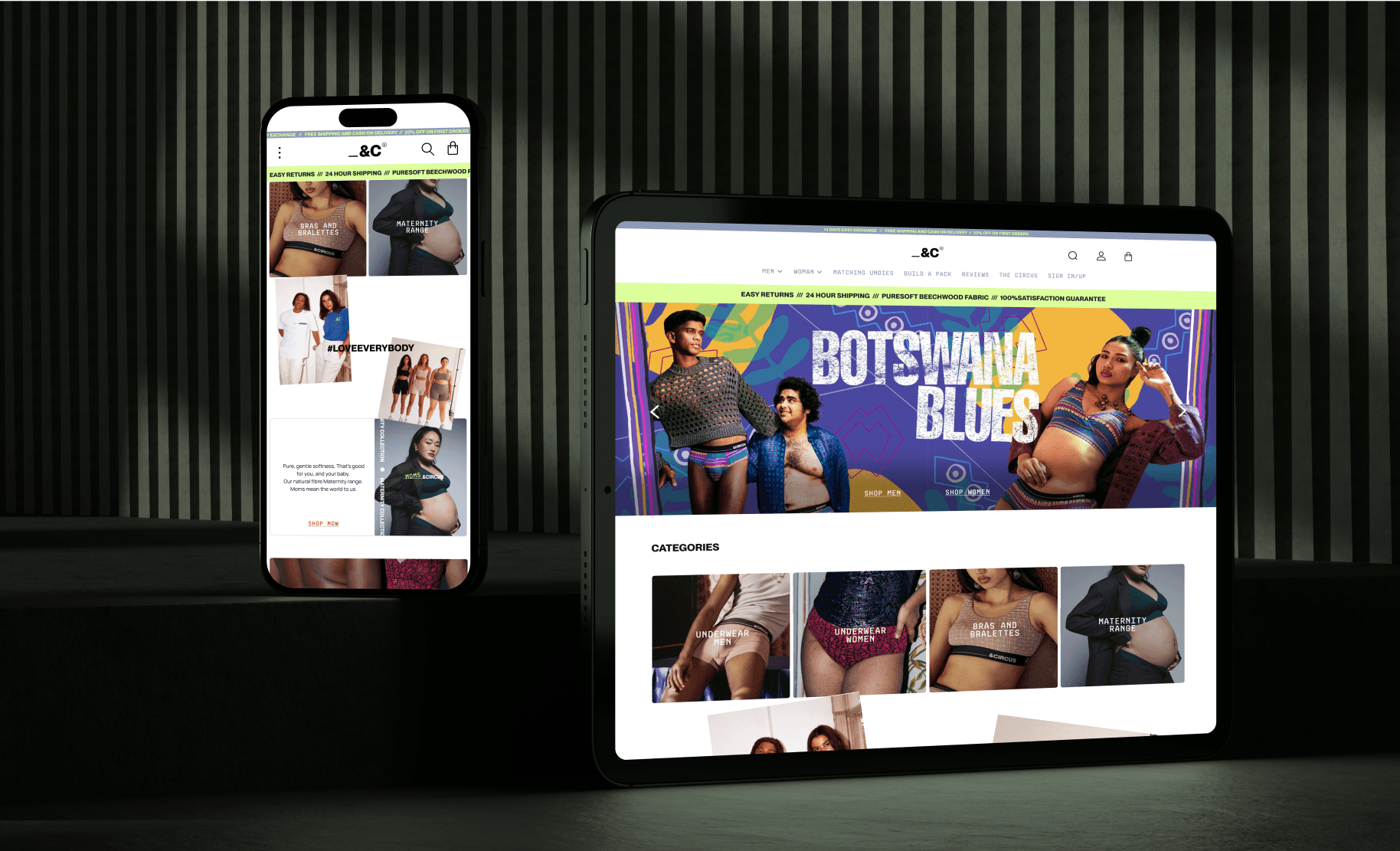
Creative agency portfolio displaying branding, product design, and marketing projects for clients including Firefox and Salesforce.

Best for: Tech and SaaS companies that want a portfolio-recognisable brand, clean, modern, product-first and have the budget for a polished project engagement.

Ramotion is a San Francisco-based brand and product design agency with a strong track record in the tech space. Their client list includes Firefox, GitHub, Stripe, and DocuSign. The work is consistently premium and immediately recognisable as SaaS-appropriate - which is both the appeal and the limitation. If you want to look like a funded, modern tech company, Ramotion delivers that reliably.

The gap, for earlier-stage companies, is that Ramotion's minimum engagements skew toward companies that already have product-market fit and are investing in a brand refresh rather than a first identity. They're not the right call for a pre-seed company building a brand from scratch on a tight budget.

  • Pricing: Project-based; engagements typically $20,000+

  • Best stage: Late Seed through Series B

  • Clients: Firefox, GitHub, Stripe, DocuSign

  • Standout: Tech-specific portfolio with recognisable quality bar

5. Clay
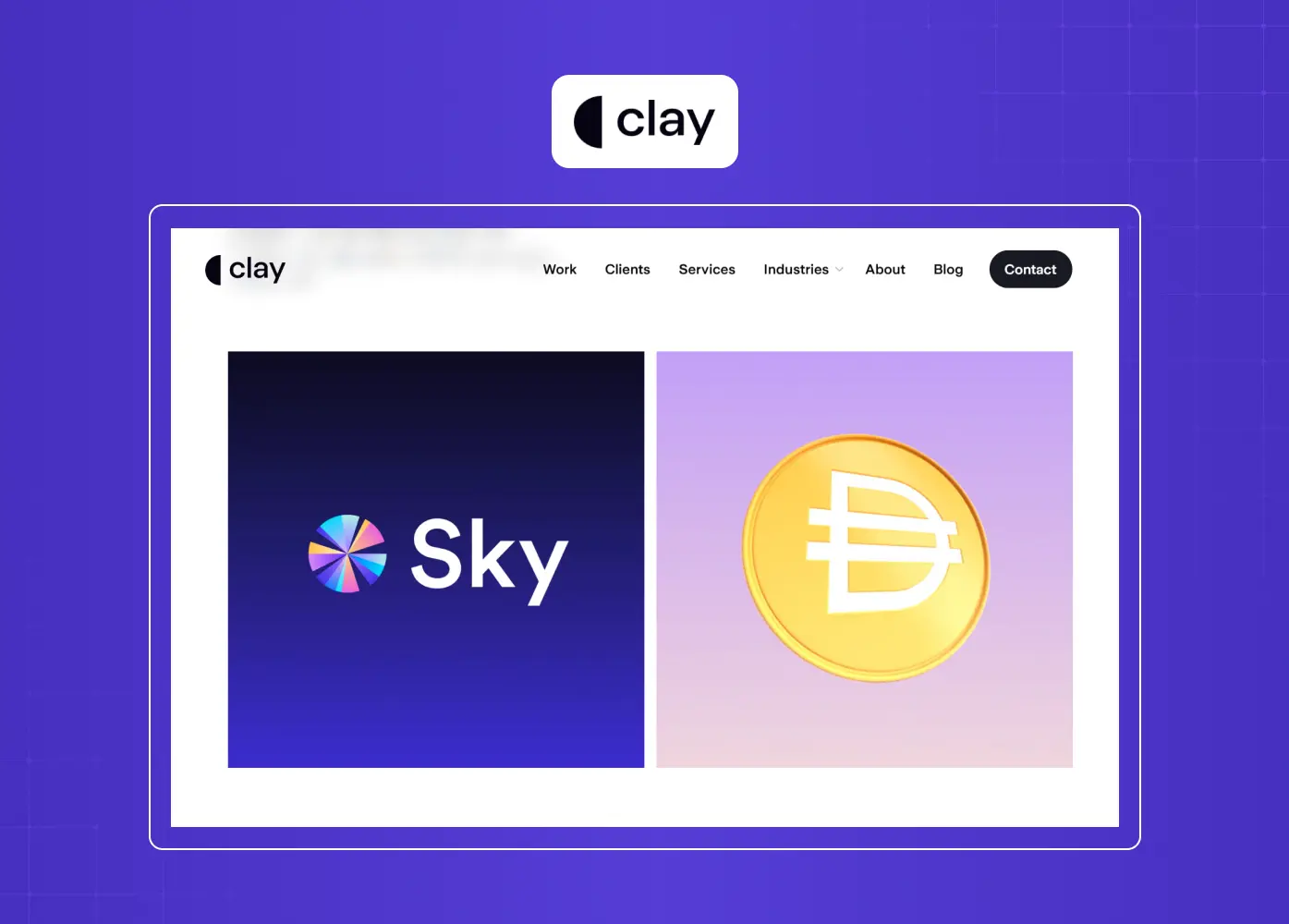
Brand identity showcase presenting logo design, visual systems, and product branding concepts in a clean, minimalist layout.

Best for: Product-led companies where the brand and the product experience need to be indistinguishable, particularly AI and data-heavy SaaS products.

Clay sits at the intersection of product design agencies and brand studios, making technically complex products feel intuitive and premium for clients in AI and fintech.. Their work for clients including Nexhealth, Slope, and numerous Series A and B SaaS products shows a consistent ability to translate product complexity into clear, elegant interfaces and brand systems.

The distinction between Clay and a brand-only agency is that Clay operates more like a UX design agency: treating the product and brand as one design problem.That's exactly right for AI companies whose product IS the brand experience, where the UI is the first and most important brand touchpoint a user encounters.

  • Pricing: Project-based; mid-to-high five figures

  • Best stage: Seed through Series B (product-first companies)

  • Speciality: UX + brand integration

  • Standout: Strong AI and fintech product design track record

6. R/GA
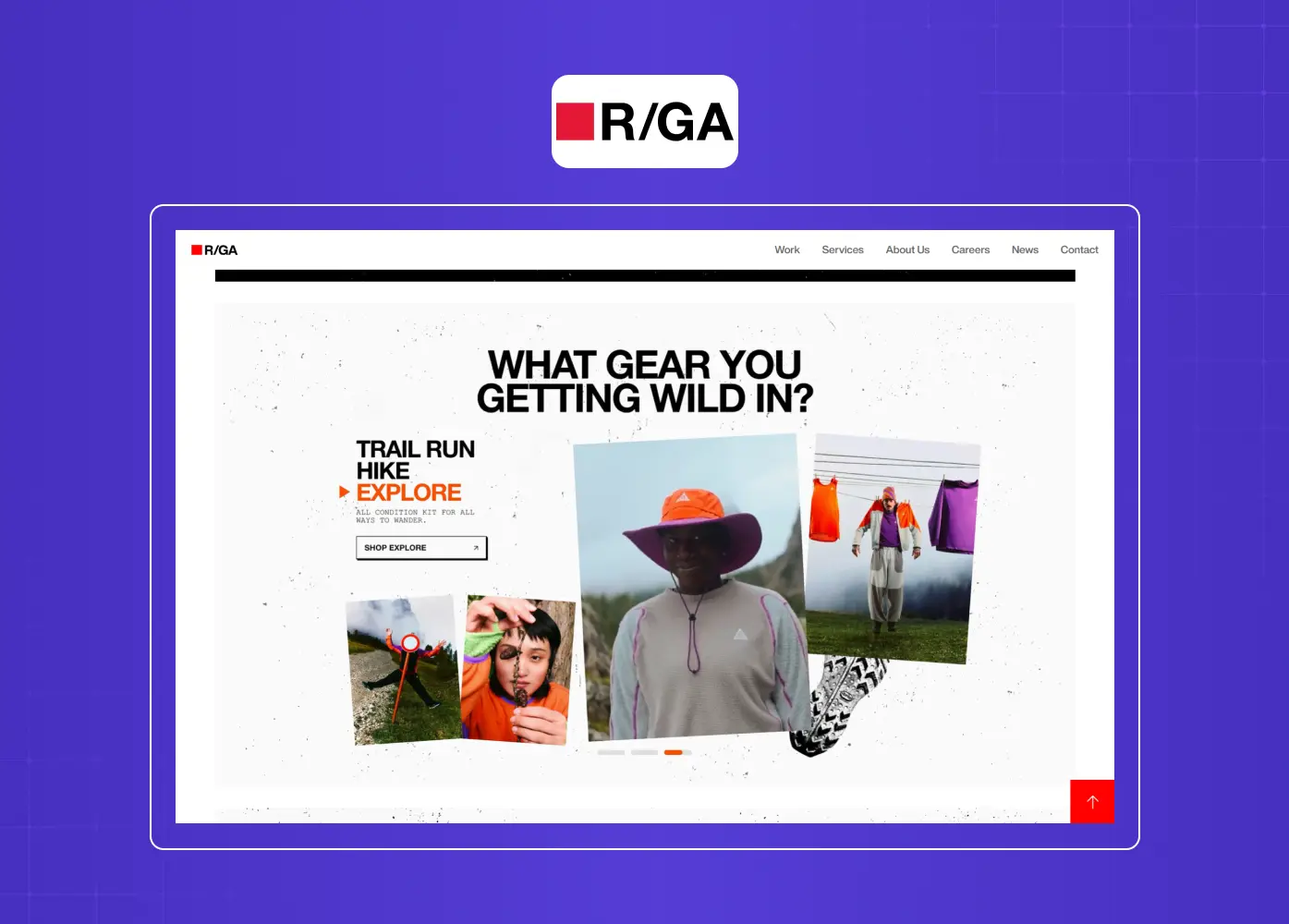
Interactive campaign and digital experience showcase featuring immersive visuals, storytelling, and brand-focused design execution.

Best for: Growth-stage and enterprise tech companies that need brand, digital, and technology strategy to move together - particularly for platform brands and large digital transformations.

R/GA is a global agency with roots in motion graphics and digital product development. Their scope goes well beyond graphic design into brand strategy, technology consulting, and digital transformation. Clients include Nike, Samsung, Verizon, and Motorola. For companies that need a creative and strategic partner who can operate across brand, product, and digital platform simultaneously, R/GA is one of the few agencies at that scope.

The relevant question is whether you're at the scale where that breadth makes sense. For most Series A and B companies, R/GA is too large, too broad, and too expensive. For Series C and beyond - particularly for companies launching platforms or undergoing digital transformation, R/GA can hold a brief that would require four separate agencies otherwise.

  • Pricing: Custom engagements; enterprise pricing

  • Best stage: Series C+ / Enterprise

  • Offices: Global

  • Standout: Breadth of brand + technology + strategy in one firm

7. Designit
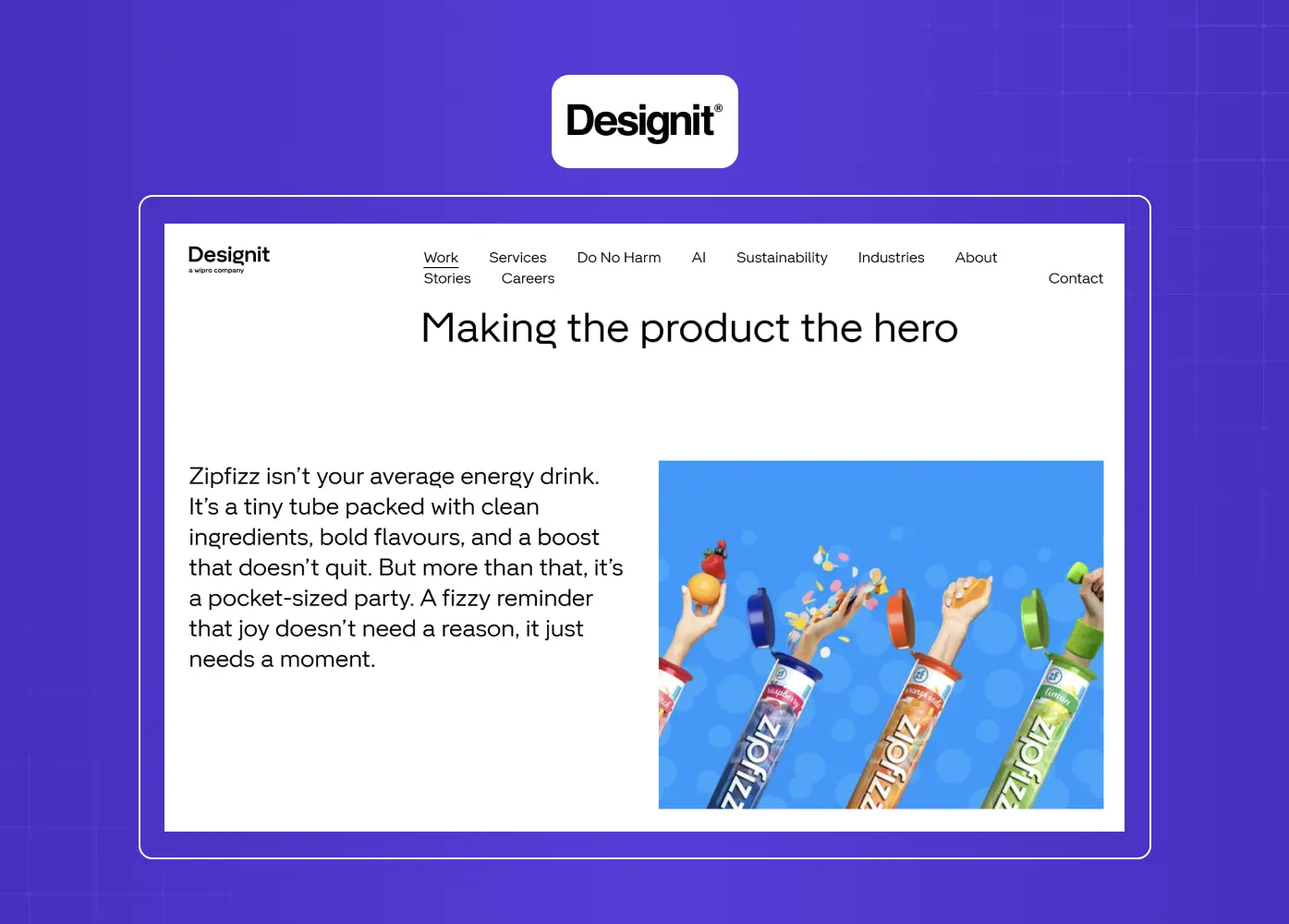
Case study demonstrating product-focused branding and packaging design through storytelling, visuals, and marketing content.

Best for: Enterprise tech and B2B companies that need service design and product design alongside brand, with a consultancy-grade strategic layer.

Designit is a global design consultancy (owned by Wipro) with offices across Europe, North America, and Asia. Their work spans brand, product, service design, and organisational design — making them a fit for large B2B companies whose design challenge is as much about internal process and service delivery as visual output.

For smaller tech companies, Designit is typically over-scaled - the process is consultancy-style, timelines are long, and the minimum engagement cost is significant. For enterprise SaaS companies or late-stage tech companies with complex service design challenges, the breadth of their capability is genuinely useful.

  • Pricing: Consultancy-grade; significant minimum engagement

  • Best stage: Enterprise / Series C+

  • Owned by: Wipro

  • Standout: Service design + brand strategy integration

8. Awesomic
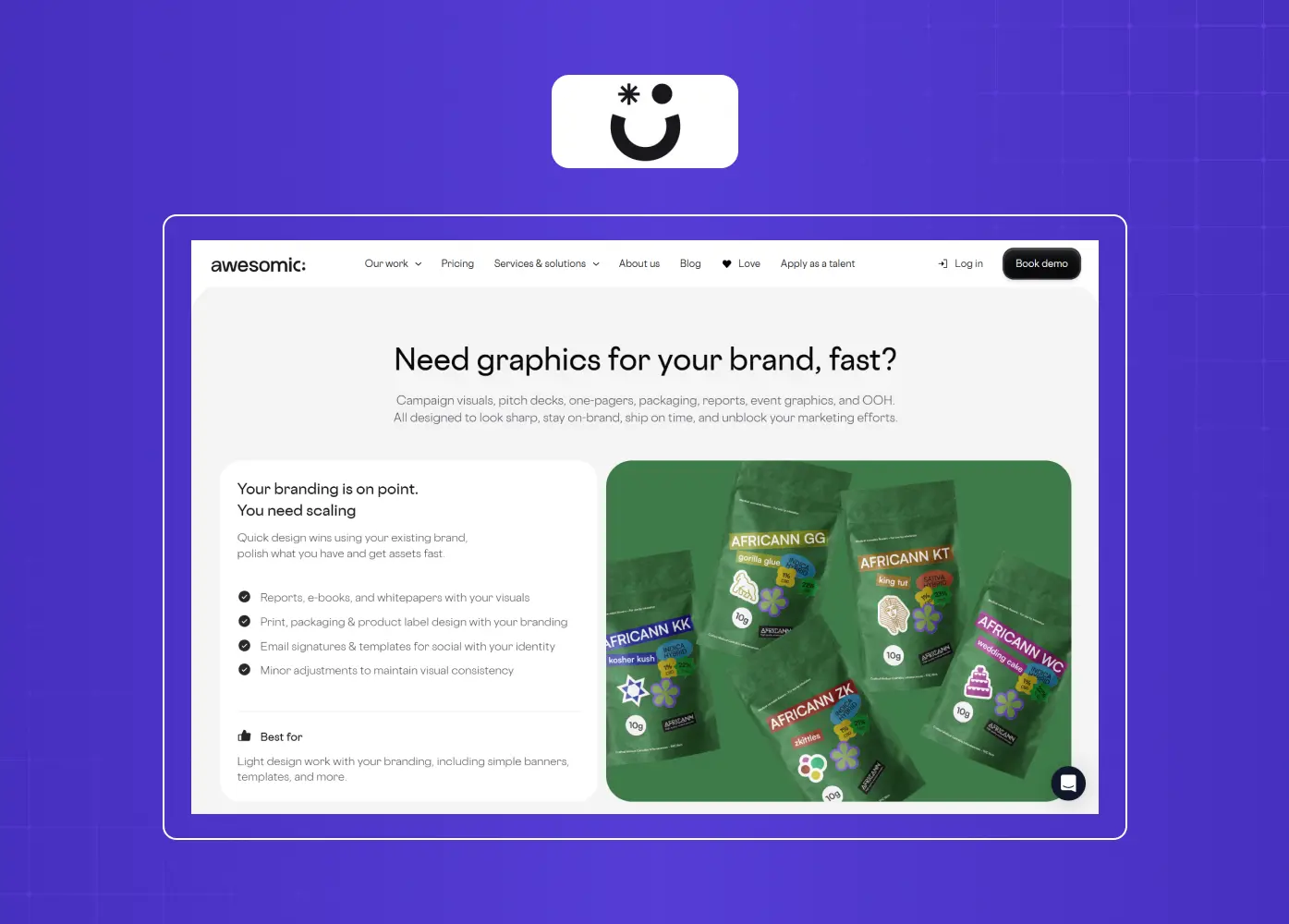
Landing page promoting on-demand graphic design services with examples of branding, packaging, and marketing deliverables.

Best for: Growth-stage companies that need affordable, fast-turnaround design work without committing to a full-service agency relationship.

Awesomic is a subscription-based design service that matches clients with dedicated designers through a proprietary matching algorithm. The model sits between freelance marketplaces and full-service agencies - faster and more consistent than hiring freelancers, cheaper than a full-service engagement.

The quality ceiling is real. Awesomic works well for marketing assets, social content, and standard deliverables. It doesn't work well for brand strategy or foundational identity work and it's not designed to. If you have a brand and need a production partner, Awesomic is worth evaluating. If you need to build a brand, start with a strategy-led agency.

  • Pricing: Plans from $1,490/month

  • Best stage: Seed-Series A (Scale stage, production work)

  • Model: Subscription, matched dedicated designer

  • Standout: Cost-effective volume with more consistency than freelance

9. Penji
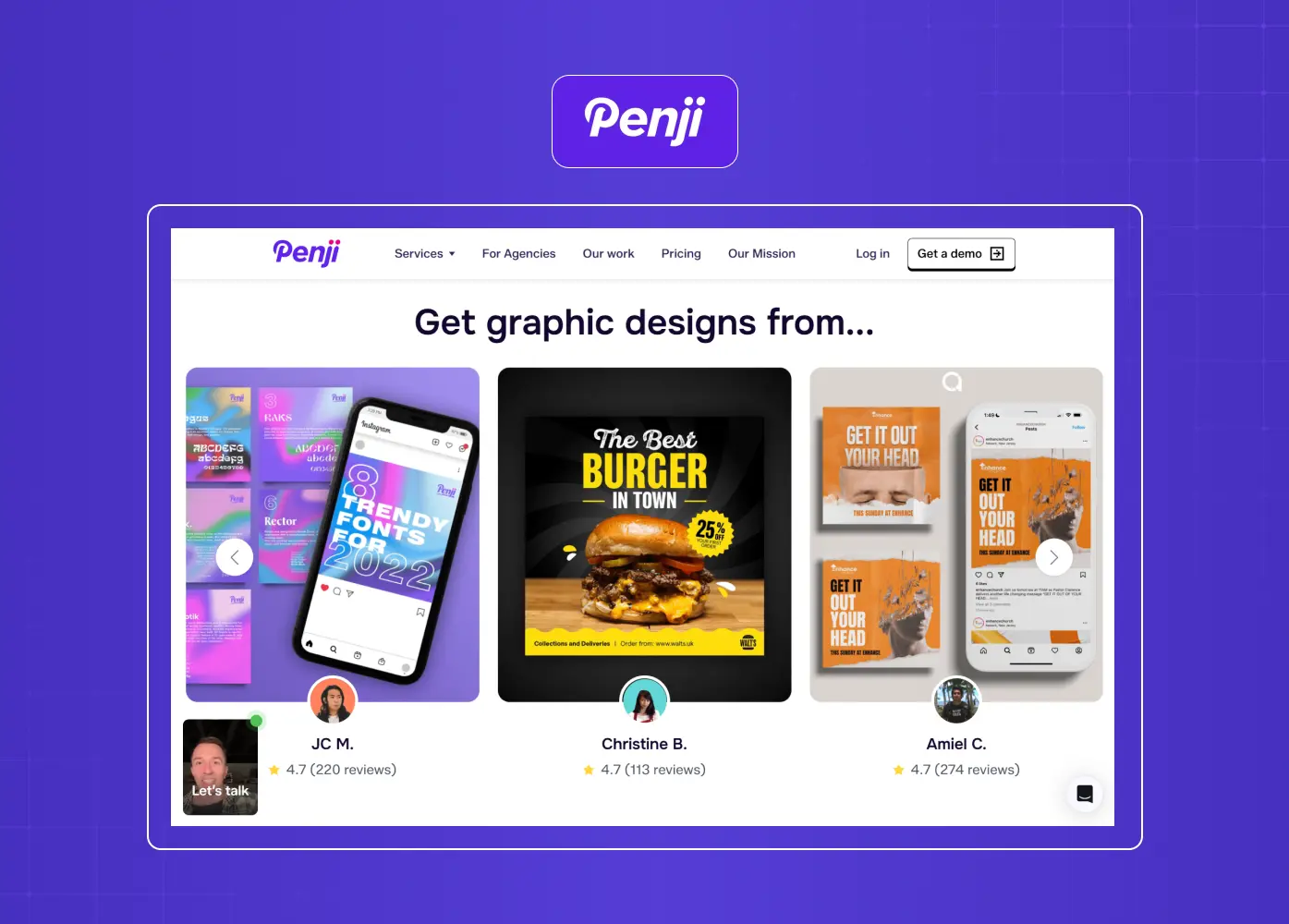
Design service showcase displaying a variety of marketing creatives, social media graphics, and advertising assets.

Best for: Early-stage companies that need a simple, predictable design subscription for standard marketing assets at minimal cost.

Penji is a budget-friendly subscription design service with fast turnaround and an unlimited request model at fixed monthly pricing. The work is functional rather than distinguished, Penji delivers well on standard deliverables like social graphics, banners, and presentation templates, but won't be the right call for brand identity or product design.

For companies at the very earliest stage where the priority is simply getting marketing materials out the door at low cost, Penji serves that function. The limitation is the quality ceiling and the absence of any strategic layer.

  • Pricing: Plans from $499/month

  • Best stage: Pre-seed / early Seed (budget-first)

  • Model: Subscription, unlimited requests

  • Standout: Lowest entry price among subscription services

10. Landor
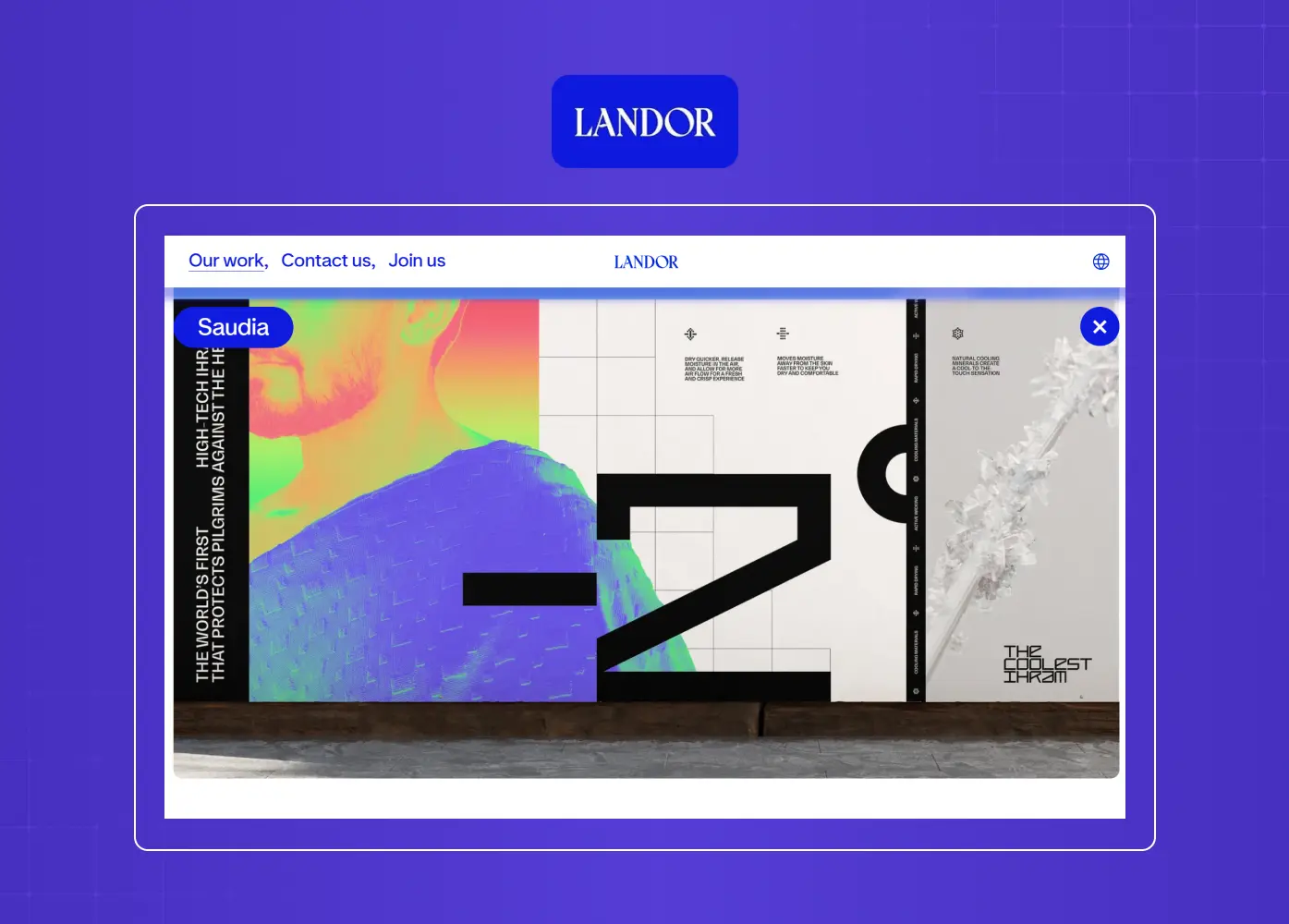
Branding agency project page featuring bold visual identity work, experimental layouts, and large-scale brand communication design.

Best for: Global enterprise brands and multinational tech companies that need rigorous brand strategy, rebranding at scale, and brand governance infrastructure.

Landor (part of WPP) is one of the oldest and most respected brand consultancies in the world, with work for clients including FedEx, Kellogg's, BP, and dozens of major financial institutions and tech enterprises. Their process is strategy-first, research-heavy, and designed for brands that need to hold together across markets, languages, and product lines simultaneously.

For growth-stage tech companies, Landor is neither affordable nor appropriately scoped. For companies post-IPO or at the enterprise stage, where a rebrand is a board-level decision and global brand consistency is a governance question, Landor is among the few firms with the operational infrastructure to execute at that scale.

  • Pricing: Enterprise; significant minimum engagement

  • Best stage: Enterprise / Post-IPO

  • Part of: WPP

  • Standout: Global brand governance and strategy at enterprise scale

How to Choose a Graphic Design Agency: The Short Version

Use the Design Partner Stage Map first. Match to your ARR stage, not your wishlist. Then apply these five checks to the shortlist:

  1. Check sector relevance: Ask for 3 examples from companies at a similar stage and in a similar category. Consumer brand work doesn't transfer.

  2. Check for results, not just output: Any agency can show you beautiful work. Ask what happened after delivery. Conversion improvement, brand recognition studies, earned press. If they don't have data, they weren't measuring.

  3. Check brand coherence across surfaces: Does the portfolio work hold together across website, app, social, and pitch? Or does it only exist in isolation?

  4. Check process transparency: Ask how they handle revision rounds, who holds the brief, and how they manage client access to assets. Vague answers here predict painful projects.

  5. Check file ownership and handoff: Source files in Figma. Delivered to you. Usable by any future agency or in-house designer. Non-negotiable.

The Bottom Line

The right graphic design agency for your company is the one that matches your stage — not the most impressive name on the list. At Groto, we work with SaaS and AI companies from the first brand conversation through the design system that scales with them to Series A. If that's where you are, we'd like to hear about the brief.

Here is how we would match companies to agencies based on where they are in the growth cycle:

  • Seed stage, building your brand foundation: Talk to Groto or Ramotion

  • Series A, need high-volume output: Evaluate Superside or Awesomic

  • Series B, need integrated brand + product strategy: Clay or R/GA

  • Series B+ or enterprise, need brand architecture: Pentagram or Landor

  • Budget-constrained early stage: Penji as a starting point, with a plan to graduate

Talk to Groto about your brief →
Most SaaS founders hire a graphic design agency based on portfolio aesthetics alone. At Groto, we built a framework to match growing tech companies to the right agency at the right stage — so design investments actually compound.

The graphic design agency built for SaaS and AI companies that need to scale.

A graphic design agency is a professional creative partner that helps businesses build and maintain a consistent visual identity across every surface they operate on. For growing tech companies, working with the right graphic design agency is one of the highest-leverage investments at each stage of growth. The challenge is that most founders approach the decision without a framework, not knowing which design agency skills matter most or how to match agency type to their growth stage. This guide is built to fix that.

TL;DR

  • Choosing the right graphic design agency depends on your growth stage, not the most impressive name on the list

  • Seed-stage companies need a brand and design system foundation; Series A needs production velocity; Series B+ needs brand architecture

  • We built the Design Partner Stage Map to match each stage to the right agency type

  • Groto is our recommended partner for SaaS and AI companies at seed through Series A

  • This list covers 10 agencies across the full spectrum, from budget subscription services to global brand consultancies

Most SaaS and AI founders hire a graphic design agency the same way they hire a contractor: they look at portfolios, pick the work they like, and sign. The result is usually fine design for the wrong stage of company - either too light to build on, or too expensive and slow to sustain at the pace they actually need.

At Groto, we work with tech companies from seed through Series B, and we've seen the mismatch happen enough times to build a framework around it. This list isn't a generic roundup. It's the 10 best graphic design agencies for growing SaaS and AI companies, matched to the growth stage where each one makes sense with a decision tool we call the Design Partner Stage Map to help you figure out which category fits your company today.

Groto's portfolio covers clients including Camb.ai, Indiefolio, PolicyBazaar, Nicotex Begin, and Meydan FZ. We rank ourselves first because we believe we're the strongest match for the ICP this article is written for: early-to-growth-stage SaaS and AI companies that need brand and product design to work together.

What Makes a Graphic Design Agency Worth Hiring for a Tech Company?

A graphic design agency is a creative services firm that helps businesses communicate through visual design - covering brand identity, marketing assets, digital product design, and the systems that keep those surfaces visually coherent over time.

For tech companies, learning the principles of graphic designing makes this distinction clear: the gap between agencies that produce individual deliverables and those that build visual systems is significant. A logo is a deliverable. So are infographic design services, pitch decks, and social graphics. A design system that governs how all of those surfaces stay visually coherent at Series A velocity is a fundamentally different investment. The agencies on this list that are worth the most to growing tech companies are the ones that think in systems.

A 2024 Nielsen study found that brands with consistent visual identity achieve 23% higher revenue than those without. The visual design principles behind that consistency (contrast, hierarchy, colour, and spacing) are what separate agencies that build lasting brand systems from those that produce attractive one-offs. For SaaS companies specifically, where trust and product perception drive trial conversion, that number is directionally right, even if the exact figure varies by category.

The four things to look for when reviewing an agency portfolio:

  • Sector relevance: A portfolio full of consumer brand work tells you relatively little about B2B SaaS or AI product briefs. Ask for 3 examples in your vertical before you shortlist.

  • Results attached to the work: The best agencies can tell you what happened after the rebrand. Conversion improvement, earned press, reduced support tickets. If they can't, they weren't measuring.

  • Brand coherence across surfaces: Does the identity hold together at the website, pitch deck, social, and product level? Or does it only look good on a Dribbble card?

  • File delivery and ownership: Do you own the source files? Are they Figma-ready? A brand locked inside a proprietary Adobe library you can't access is a brand you don't fully own.

The Design Partner Stage Map

Before you read the list, use this framework. We developed the Design Partner Stage Map at Groto after seeing the same mismatches repeat across client briefs.

  • Foundation stage - Seed / $0-$3M ARR: Getting SaaS branding right at this stage means building a visual foundation: brand identity, design system, and product aesthetics built to scale.The right partner is an integrated brand-and-product agency that can set you up once, correctly.

  • Scale stage - Series A / $3M-$15M ARR: You need design velocity. Marketing assets, social content, pitch decks, ad creatives at volume, on demand. The right partner here is a subscription design service where speed per deliverable is the core value proposition.

  • Architecture stage - Series B+ / $15M+ ARR: You need brand architecture: sub-brand systems, enterprise visual identity, global positioning, and governance frameworks. The right partner is a brand strategy firm that operates at that scale by default.

The agency vs in-house decision compounds across stages. Using a Foundation-stage agency at Scale produces brittle brands, while using a Scale-stage service at Foundation produces expensive strategy work before the business has the clarity to act on it.

The 10 Best Graphic Design Agencies for Tech Companies

1. Groto

Case study page highlighting the redesign of the Meydan website, featuring project outcomes, interface visuals, and user experience improvements.

Best for: SaaS and AI companies at seed through Series A that need brand and product design to work together from day one.

At Groto, we build brand identity and product design as a single system rather than two separate projects. That matters for tech companies because a coherent brand experience spans every surface: your marketing site, your app UI, your pitch deck, and your social presence all need to look like they come from the same mind. When they don't, the trust gap shows up in conversion rates before it shows up anywhere else.

Our client list includes Camb.ai (AI voice dubbing, backed by leading VCs), Indiefolio (India's leading creative platform), PolicyBazaar, Nicotex Begin, and Meydan FZ. Across 140+ five-star projects, including our own rebrand story, we've seen a consistent pattern: the design investment that compounds fastest is the one that creates a coherent visual language before the company starts scaling marketing spend. Every dollar spent amplifying an incoherent brand is partially wasted.

We're in the top 3% of global designers by Clutch ranking and our clients have collectively raised over $8M in funding after working with us. We typically see 40-60% improvement in user flows when we redesign product interfaces alongside the brand.

  • Pricing: Project-based and retainer; starting from $2,399 for brand identity

  • Best stage: Seed through Series A (Foundation and early Scale)

  • Notable clients: Camb.ai, Indiefolio, PolicyBazaar

  • Standout: Brand + product design treated as one integrated system

Want to know where your users are dropping off?

We’ll break down the exact moments users lose interest, and why.

2. Superside

Portfolio showcase featuring social media creatives, motion design assets, and branded visual content created for Reddit.

Best for: Series A and B companies that need high-volume design output at enterprise quality without building a large in-house team.

Superside operates a subscription-based creative service that pairs global talent with a dedicated account team and fast turnarounds. The model is built for volume: companies that need 30-50 creative assets per month across social, paid, web, and print without the overhead of a full in-house function.

The strength of Superside's model is speed-to-output. You brief, they deliver within 24-48 hours for most requests, and a project manager keeps the queue organised. The limitation is that Superside doesn't do strategy - they execute against a brief. If you don't have a clear brand and creative direction established, you'll get polished output in the wrong direction, faster.

  • Pricing: Plans from $5,000/month

  • Best stage: Series A-B (Scale stage)

  • Model: Subscription, async delivery

  • Standout: Enterprise-grade speed and volume

3. Pentagram

Branding project page presenting visual identity work, typography, and design assets developed for a cultural organization.

Best for: Series B+ companies and enterprise brands that need the gold standard of brand architecture and a name that signals seriousness to the board and press.

Pentagram is arguably the most famous graphic design agency in the world, a partner-owned firm with offices in New York, London, Berlin, Austin, and San Francisco. Their roster includes clients like Verizon, DC Comics, Rolls-Royce, and the New York City subway system. If your company has reached the scale where brand architecture is a strategic investment and cost is a secondary concern, Pentagram is the benchmark.

The entry point is significant, a full brand engagement starts in the high six figures and timelines reflect the thoroughness of the process, typically running 4-6 months. They don't operate at the speed of growth-stage companies and shouldn't be expected to. Their value is brand permanence, not brand velocity.

  • Pricing: High six figures and above

  • Best stage: Series B+ / Architecture

  • Offices: NYC, London, Berlin, Austin, San Francisco

  • Standout: Partner-owned, most prestigious independent firm in the world

4. Ramotion

Creative agency portfolio displaying branding, product design, and marketing projects for clients including Firefox and Salesforce.

Best for: Tech and SaaS companies that want a portfolio-recognisable brand, clean, modern, product-first and have the budget for a polished project engagement.

Ramotion is a San Francisco-based brand and product design agency with a strong track record in the tech space. Their client list includes Firefox, GitHub, Stripe, and DocuSign. The work is consistently premium and immediately recognisable as SaaS-appropriate - which is both the appeal and the limitation. If you want to look like a funded, modern tech company, Ramotion delivers that reliably.

The gap, for earlier-stage companies, is that Ramotion's minimum engagements skew toward companies that already have product-market fit and are investing in a brand refresh rather than a first identity. They're not the right call for a pre-seed company building a brand from scratch on a tight budget.

  • Pricing: Project-based; engagements typically $20,000+

  • Best stage: Late Seed through Series B

  • Clients: Firefox, GitHub, Stripe, DocuSign

  • Standout: Tech-specific portfolio with recognisable quality bar

5. Clay

Brand identity showcase presenting logo design, visual systems, and product branding concepts in a clean, minimalist layout.

Best for: Product-led companies where the brand and the product experience need to be indistinguishable, particularly AI and data-heavy SaaS products.

Clay sits at the intersection of product design agencies and brand studios, making technically complex products feel intuitive and premium for clients in AI and fintech.. Their work for clients including Nexhealth, Slope, and numerous Series A and B SaaS products shows a consistent ability to translate product complexity into clear, elegant interfaces and brand systems.

The distinction between Clay and a brand-only agency is that Clay operates more like a UX design agency: treating the product and brand as one design problem.That's exactly right for AI companies whose product IS the brand experience, where the UI is the first and most important brand touchpoint a user encounters.

  • Pricing: Project-based; mid-to-high five figures

  • Best stage: Seed through Series B (product-first companies)

  • Speciality: UX + brand integration

  • Standout: Strong AI and fintech product design track record

6. R/GA

Interactive campaign and digital experience showcase featuring immersive visuals, storytelling, and brand-focused design execution.

Best for: Growth-stage and enterprise tech companies that need brand, digital, and technology strategy to move together - particularly for platform brands and large digital transformations.

R/GA is a global agency with roots in motion graphics and digital product development. Their scope goes well beyond graphic design into brand strategy, technology consulting, and digital transformation. Clients include Nike, Samsung, Verizon, and Motorola. For companies that need a creative and strategic partner who can operate across brand, product, and digital platform simultaneously, R/GA is one of the few agencies at that scope.

The relevant question is whether you're at the scale where that breadth makes sense. For most Series A and B companies, R/GA is too large, too broad, and too expensive. For Series C and beyond - particularly for companies launching platforms or undergoing digital transformation, R/GA can hold a brief that would require four separate agencies otherwise.

  • Pricing: Custom engagements; enterprise pricing

  • Best stage: Series C+ / Enterprise

  • Offices: Global

  • Standout: Breadth of brand + technology + strategy in one firm

7. Designit

Case study demonstrating product-focused branding and packaging design through storytelling, visuals, and marketing content.

Best for: Enterprise tech and B2B companies that need service design and product design alongside brand, with a consultancy-grade strategic layer.

Designit is a global design consultancy (owned by Wipro) with offices across Europe, North America, and Asia. Their work spans brand, product, service design, and organisational design — making them a fit for large B2B companies whose design challenge is as much about internal process and service delivery as visual output.

For smaller tech companies, Designit is typically over-scaled - the process is consultancy-style, timelines are long, and the minimum engagement cost is significant. For enterprise SaaS companies or late-stage tech companies with complex service design challenges, the breadth of their capability is genuinely useful.

  • Pricing: Consultancy-grade; significant minimum engagement

  • Best stage: Enterprise / Series C+

  • Owned by: Wipro

  • Standout: Service design + brand strategy integration

8. Awesomic

Landing page promoting on-demand graphic design services with examples of branding, packaging, and marketing deliverables.

Best for: Growth-stage companies that need affordable, fast-turnaround design work without committing to a full-service agency relationship.

Awesomic is a subscription-based design service that matches clients with dedicated designers through a proprietary matching algorithm. The model sits between freelance marketplaces and full-service agencies - faster and more consistent than hiring freelancers, cheaper than a full-service engagement.

The quality ceiling is real. Awesomic works well for marketing assets, social content, and standard deliverables. It doesn't work well for brand strategy or foundational identity work and it's not designed to. If you have a brand and need a production partner, Awesomic is worth evaluating. If you need to build a brand, start with a strategy-led agency.

  • Pricing: Plans from $1,490/month

  • Best stage: Seed-Series A (Scale stage, production work)

  • Model: Subscription, matched dedicated designer

  • Standout: Cost-effective volume with more consistency than freelance

9. Penji

Design service showcase displaying a variety of marketing creatives, social media graphics, and advertising assets.

Best for: Early-stage companies that need a simple, predictable design subscription for standard marketing assets at minimal cost.

Penji is a budget-friendly subscription design service with fast turnaround and an unlimited request model at fixed monthly pricing. The work is functional rather than distinguished, Penji delivers well on standard deliverables like social graphics, banners, and presentation templates, but won't be the right call for brand identity or product design.

For companies at the very earliest stage where the priority is simply getting marketing materials out the door at low cost, Penji serves that function. The limitation is the quality ceiling and the absence of any strategic layer.

  • Pricing: Plans from $499/month

  • Best stage: Pre-seed / early Seed (budget-first)

  • Model: Subscription, unlimited requests

  • Standout: Lowest entry price among subscription services

10. Landor

Branding agency project page featuring bold visual identity work, experimental layouts, and large-scale brand communication design.

Best for: Global enterprise brands and multinational tech companies that need rigorous brand strategy, rebranding at scale, and brand governance infrastructure.

Landor (part of WPP) is one of the oldest and most respected brand consultancies in the world, with work for clients including FedEx, Kellogg's, BP, and dozens of major financial institutions and tech enterprises. Their process is strategy-first, research-heavy, and designed for brands that need to hold together across markets, languages, and product lines simultaneously.

For growth-stage tech companies, Landor is neither affordable nor appropriately scoped. For companies post-IPO or at the enterprise stage, where a rebrand is a board-level decision and global brand consistency is a governance question, Landor is among the few firms with the operational infrastructure to execute at that scale.

  • Pricing: Enterprise; significant minimum engagement

  • Best stage: Enterprise / Post-IPO

  • Part of: WPP

  • Standout: Global brand governance and strategy at enterprise scale

How to Choose a Graphic Design Agency: The Short Version

Use the Design Partner Stage Map first. Match to your ARR stage, not your wishlist. Then apply these five checks to the shortlist:

  1. Check sector relevance: Ask for 3 examples from companies at a similar stage and in a similar category. Consumer brand work doesn't transfer.

  2. Check for results, not just output: Any agency can show you beautiful work. Ask what happened after delivery. Conversion improvement, brand recognition studies, earned press. If they don't have data, they weren't measuring.

  3. Check brand coherence across surfaces: Does the portfolio work hold together across website, app, social, and pitch? Or does it only exist in isolation?

  4. Check process transparency: Ask how they handle revision rounds, who holds the brief, and how they manage client access to assets. Vague answers here predict painful projects.

  5. Check file ownership and handoff: Source files in Figma. Delivered to you. Usable by any future agency or in-house designer. Non-negotiable.

The Bottom Line

The right graphic design agency for your company is the one that matches your stage — not the most impressive name on the list. At Groto, we work with SaaS and AI companies from the first brand conversation through the design system that scales with them to Series A. If that's where you are, we'd like to hear about the brief.

Here is how we would match companies to agencies based on where they are in the growth cycle:

  • Seed stage, building your brand foundation: Talk to Groto or Ramotion

  • Series A, need high-volume output: Evaluate Superside or Awesomic

  • Series B, need integrated brand + product strategy: Clay or R/GA

  • Series B+ or enterprise, need brand architecture: Pentagram or Landor

  • Budget-constrained early stage: Penji as a starting point, with a plan to graduate

Talk to Groto about your brief →

Have a project in mind?

Let’s talk through your idea and see what makes sense.

Harpreet Singh

Founder at Groto

Have a project in mind?

Let’s talk through your idea and see what makes sense.

Harpreet Singh

Founder at Groto

FAQ

Everything you were going to ask (and a few things you didn’t know to)

How do I choose a graphic design agency as a startup?

Start with your stage, not your wishlist. At seed stage, you need a brand foundation and design system. At Series A, you need design velocity. At Series B+, you need brand architecture. Match to agency type accordingly: integrated brand-and-product agencies for foundation work, subscription services for production velocity, brand strategy firms for architecture.

What's the difference between a graphic design agency and a branding agency?

Branding agencies specialise in brand strategy and visual identity - the logo, colour palette, typography, and the strategic thinking behind them. Graphic design agencies typically offer a broader production scope, applying that identity to marketing materials, websites, social content, and other visual assets. The most useful distinction for tech companies is whether the agency works strategically or operationally.

How long does it take to work with a graphic design agency?

For a brand identity project, expect 6-12 weeks from brief to final delivery. For a website redesign, 8-16 weeks. Subscription services can deliver first assets within 24-48 hours. Major brand strategy projects at premium firms may take 4-8 months.

What should I look for in a graphic design agency portfolio?

Look for brand coherence across surfaces, results attached to the work (conversion improvement, reduced churn, earned coverage), and sector relevance. A portfolio full of consumer brand work tells you relatively little about how the agency would handle a B2B SaaS or AI product brief.

What are the 7 types of graphic design?

Graphic design spans seven broad disciplines: brand identity design, marketing and advertising design, publication and editorial design, packaging design, motion graphics, environmental design, and digital/UI design. For tech companies, the most commercially relevant categories are brand identity design and digital/UI design, which together govern how a product and its marketing presence are perceived.

Will AI replace graphic designers in 10 years?

AI tools are already embedded in design workflows, particularly for asset generation, layout suggestions, and rapid prototyping. What they do not replace is design judgment: the ability to make strategic decisions about what a brand should communicate, how a product experience should feel, and which visual direction will build trust with a specific audience. The most effective graphic design agencies are already incorporating AI into their production process, which reduces timelines and cost on executional work while preserving the strategic and creative layer that clients actually pay for.

How do I choose a graphic design agency as a startup?

Start with your stage, not your wishlist. At seed stage, you need a brand foundation and design system. At Series A, you need design velocity. At Series B+, you need brand architecture. Match to agency type accordingly: integrated brand-and-product agencies for foundation work, subscription services for production velocity, brand strategy firms for architecture.

What's the difference between a graphic design agency and a branding agency?

Branding agencies specialise in brand strategy and visual identity - the logo, colour palette, typography, and the strategic thinking behind them. Graphic design agencies typically offer a broader production scope, applying that identity to marketing materials, websites, social content, and other visual assets. The most useful distinction for tech companies is whether the agency works strategically or operationally.

How long does it take to work with a graphic design agency?

For a brand identity project, expect 6-12 weeks from brief to final delivery. For a website redesign, 8-16 weeks. Subscription services can deliver first assets within 24-48 hours. Major brand strategy projects at premium firms may take 4-8 months.

What should I look for in a graphic design agency portfolio?

Look for brand coherence across surfaces, results attached to the work (conversion improvement, reduced churn, earned coverage), and sector relevance. A portfolio full of consumer brand work tells you relatively little about how the agency would handle a B2B SaaS or AI product brief.

What are the 7 types of graphic design?

Graphic design spans seven broad disciplines: brand identity design, marketing and advertising design, publication and editorial design, packaging design, motion graphics, environmental design, and digital/UI design. For tech companies, the most commercially relevant categories are brand identity design and digital/UI design, which together govern how a product and its marketing presence are perceived.

Will AI replace graphic designers in 10 years?

AI tools are already embedded in design workflows, particularly for asset generation, layout suggestions, and rapid prototyping. What they do not replace is design judgment: the ability to make strategic decisions about what a brand should communicate, how a product experience should feel, and which visual direction will build trust with a specific audience. The most effective graphic design agencies are already incorporating AI into their production process, which reduces timelines and cost on executional work while preserving the strategic and creative layer that clients actually pay for.

More Articles

Extreme close-up black and white photograph of a human eye

Let’s bring your vision to life

Tell us what's on your mind? We'll hit you back in 24 hours. No fluff, no delays - just a solid vision to bring your idea to life.

Profile portrait of a man in a white shirt against a light background

Harpreet Singh

Founder and Creative Director

Get in Touch

Extreme close-up black and white photograph of a human eye

Let’s bring your vision to life

Tell us what's on your mind? We'll hit you back in 24 hours. No fluff, no delays - just a solid vision to bring your idea to life.

Profile portrait of a man in a white shirt against a light background

Harpreet Singh

Founder and Creative Director

Get in Touch

Extreme close-up black and white photograph of a human eye

Let’s bring your vision to life

Tell us what's on your mind? We'll hit you back in 24 hours. No fluff, no delays - just a solid vision to bring your idea to life.

Profile portrait of a man in a white shirt against a light background

Harpreet Singh

Founder and Creative Director

Get in Touch