Find the right user research firm for 2026 with a side-by-side comparison of methodology, recruiting speed, pricing tiers, and design integration, plus a matrix matching your specific research question to the firm type best equipped to answer it.
Compare the top 10 user research firms in 2026 by methodology, speed, and fit.
TL;DR
User research firms in 2026 range from $12K to $150K per engagement, with timelines from 1 week (unmoderated) to 8 weeks (full discovery programs)
Fixing a usability problem at the design stage costs roughly 10x less than fixing it after development, and 100x less than fixing it post-launch
The strongest firms now separate into two camps: pure research specialists and research-integrated design studios that hand you both insights and the fix
B2B recruiting speed is the clearest signal of a professional firm. Quality firms reach your exact user segment in days, not weeks
Generative AI UX research (trust, mental models, prompt behavior) is now a distinct practice area, not a footnote under "AI-assisted analysis"
Most product teams don't lack user problems. They lack a fast, reliable way to find out which problems are actually costing them users. That's the gap user research firms are supposed to close, and in 2026, the firms doing it well look different from the ones that led this list two years ago.
The math behind hiring one hasn't changed: a usability issue caught in design costs a fraction of what it costs to catch after your engineering team has already built around it, and a fraction of a fraction of what it costs once it's live and driving support tickets or churn. What has changed is how fast the good firms move, how much of the synthesis work AI now handles, and how many of them can hand you a fix along with the finding.
We evaluated 30+ UX research agencies on research breadth, recruiting reach, delivery speed, industry depth, and how consistently their insights actually changed what got built. No firm paid for inclusion. Here's the shortlist worth your time in 2026.
Our Selection Criteria for This List
Before ranking anything, we checked each firm against the same set of questions a product team should be asking:
Methodology transparency. Does the firm explain how it structures studies and recruits participants, or does it lead with a deliverable template and a client logo slide?
Recruiting reach and speed. Can they reach your specific B2B segment (job title, company size, software category) within days, or do they rely on generic consumer panels?
Synthesis quality. Do findings arrive as a prioritized, evidence-backed opportunity list, or a stack of raw observations someone else has to interpret?
Design and development integration. Does research connect directly to what gets built next, or does it end at a report that a separate design team has to translate?
Industry and compliance depth. Can the firm handle regulated industries, multi-market studies, or AI-specific research questions where the usual playbook doesn't apply?
Proof of outcomes. Is there a documented case where their research changed a real product decision, not just a satisfaction score?
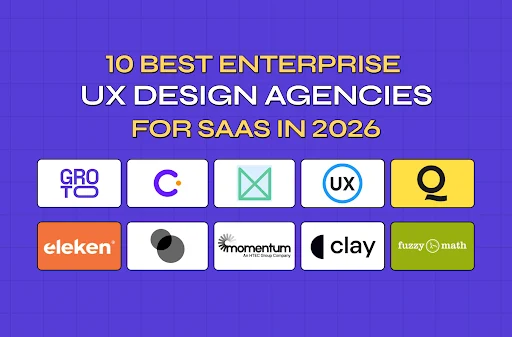
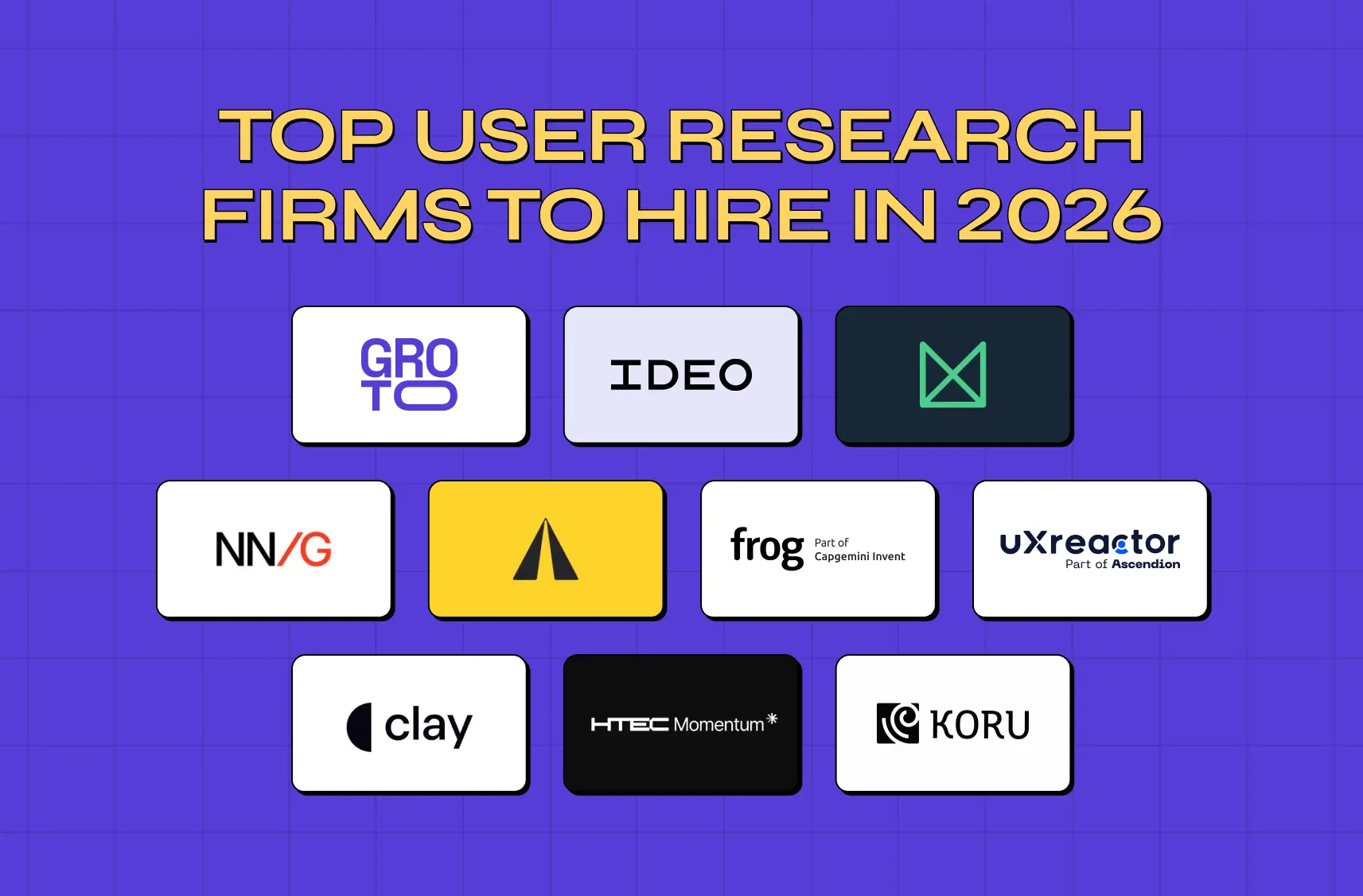
Top 10 User Research Firms at a Glance
Firm | Core Research Focus | Best Fit For |
Groto | Research integrated directly into design execution | AI features, B2B SaaS, teams that need insight and fix together |
Nielsen Norman Group | Foundational UX research, training, heuristic reviews | Building an internal research practice |
AnswerLab | Enterprise-scale usability and accessibility research | Global enterprises, multi-market studies |
IDEO | Ethnographic, human-centered discovery research | Breakthrough innovation, early-stage exploration |
Frog Design | Multi-market research and design systems | Global products needing cultural adaptation |
UX Studio | Embedded research within design sprints | Product teams running continuous discovery |
Clay | Brand-aligned research for digital products | Conversion and brand-strategy-linked research |
Momentum Design Lab | B2B platform and admin-interface research | Complex enterprise SaaS with multiple user types |
UXReactor | Systems-level, business-impact research | Teams needing research tied to ROI, not just satisfaction |
Koru UX Design | Compliance-aware research for regulated industries | Healthcare, fintech, and other regulated products |
The Top 10, Profiled in Detail
1. Groto: Research Integrated With Design Execution
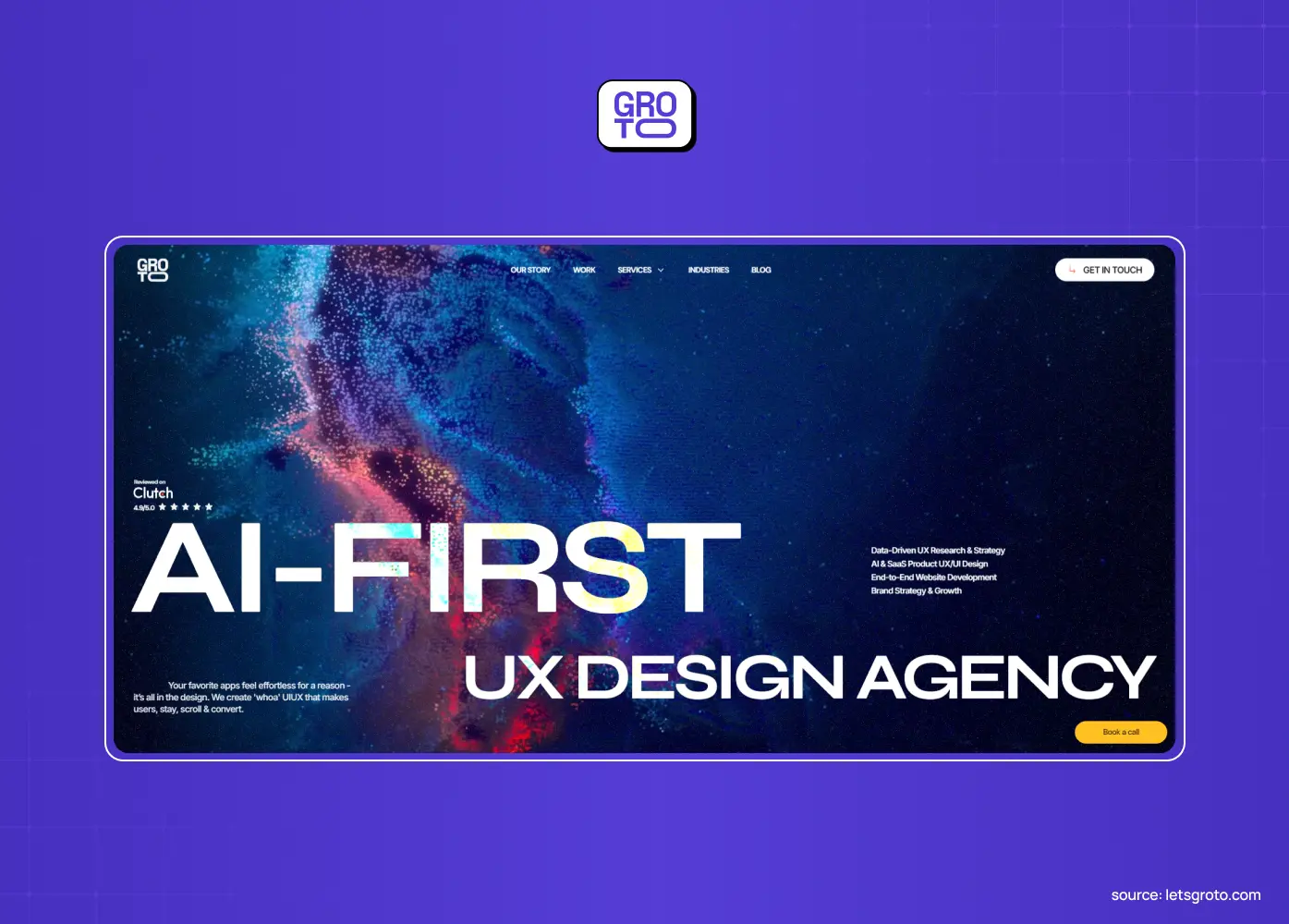
Most user experience research firms deliver insights your team then has to figure out how to act on. We close that gap by running research and design as one continuous engagement instead of two handoffs.
Core research capabilities: Moderated and unmoderated studies, diary research, concept testing, Jobs-to-be-Done discovery, B2B user recruiting, and AI-assisted synthesis, all feeding directly into working prototypes within the same engagement.
Best fit for: Product teams building AI features, complex B2B workflows, or SaaS platforms where research needs to inform design decisions immediately, not three weeks after a report lands.
Case in point: When PathwaysX needed to rebuild its B2B hiring platform, research on how recruiters actually evaluate candidates shaped the personality-based assessment flow from the first wireframe, not as a retrofit after the interface was already built. That's the model: findings become screens in the same sprint, not a separate phase.
Notable advantage: While most UX research consulting firms take 6 to 8 weeks, we deliver actionable insights in 2 to 3 weeks without cutting corners on rigor. Fortune 500 clients including Colgate and ABInBev choose us when speed and quality both need to hold.
2. Nielsen Norman Group: Research Training and Expert Reviews
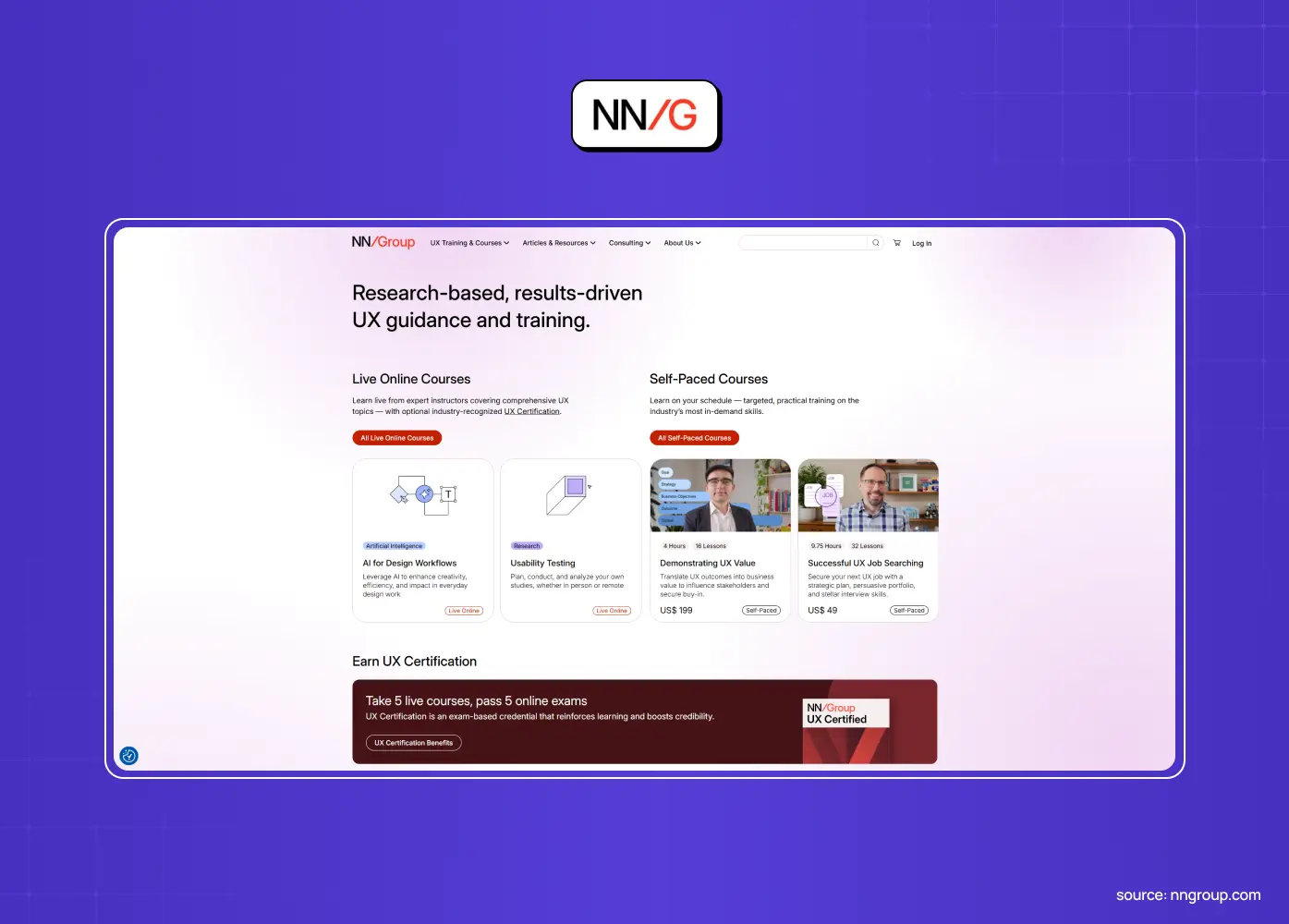
Research focus: Foundational UX principles, heuristic evaluations, and structured training programs, backed by some of the most cited methodology documentation in the industry.
Best fit for: Organizations building internal research capability or needing an expert review of an existing product. Less suited to teams that need fast, iterative feedback loops.
Timeline: 4 to 8 weeks for expert reviews, ongoing for training programs.
3. AnswerLab: Enterprise-Grade Testing Infrastructure
Research capabilities: Large-scale usability testing, accessibility audits, and multi-market studies, backed by a strong participant recruiting network and dedicated lab facilities.
Best fit for: Enterprise products that need comprehensive testing across multiple user segments and geographic markets at once.
Notable strength: Handles complex compliance requirements and large participant pools without the process breaking down.
4. IDEO: Human-Centered Innovation Research
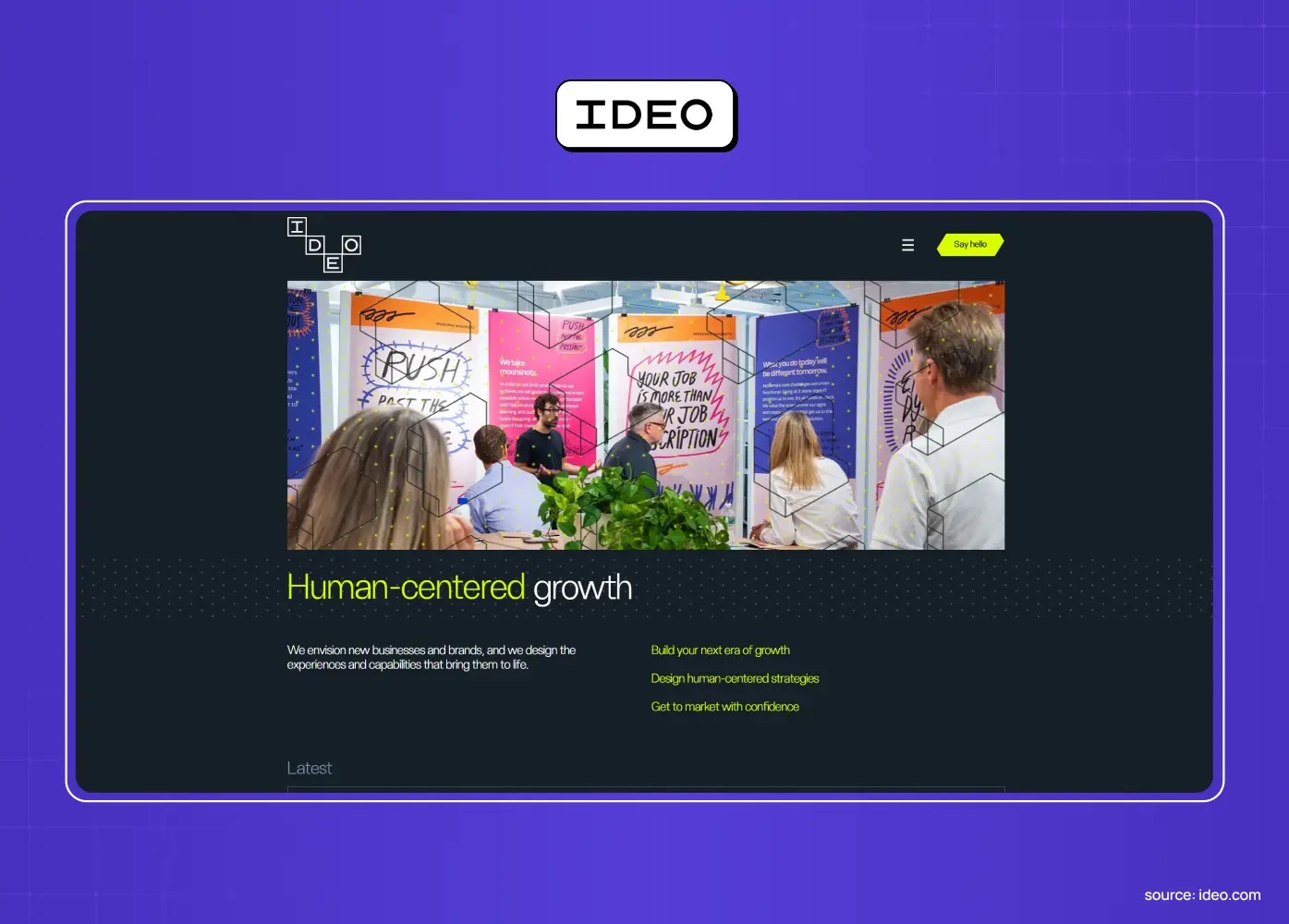
Research approach: Ethnographic studies, service design research, and transformational innovation projects, with real depth in early-stage discovery and exploration.
Best fit for: Organizations chasing breakthrough innovation rather than incremental fixes, and with the budget and timeline to match.
Timeline: 8 to 16 weeks for comprehensive programs.
5. Frog Design: Global Research and Design Systems

Research scope: Multi-market studies, service ecosystem mapping, and complex organizational change programs.
Best fit for: Global products that need cultural adaptation and alignment across many stakeholders.
Strength: International reach and real experience working inside regulated industries.
6. UX Studio: Product-Focused Research Integration
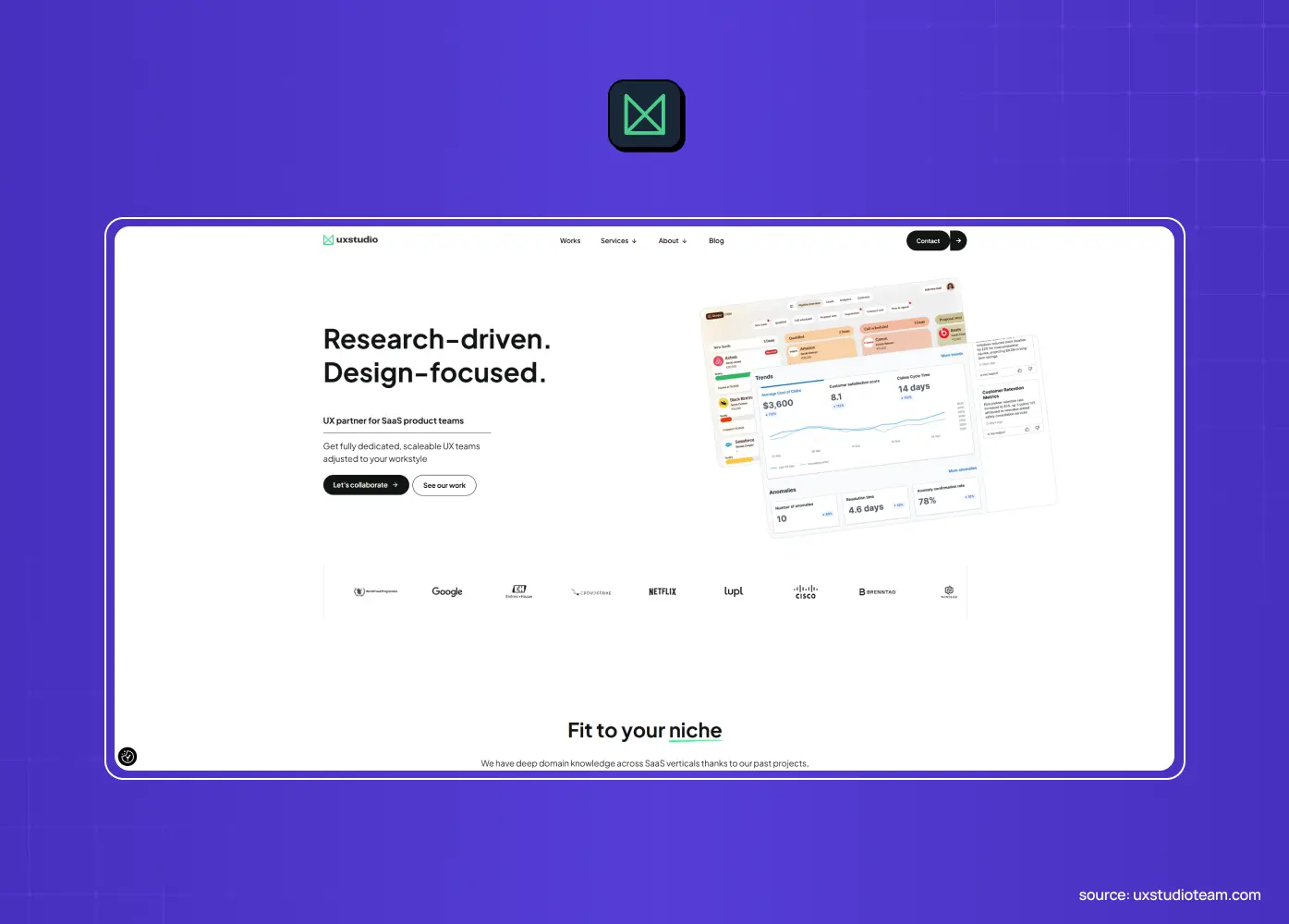
Research services: Usability testing, user journey mapping, and competitive analysis, with research embedded directly into the design team's workflow.
Best fit for: Product teams that need research feeding straight into design sprints and development cycles, not sitting in a separate track.
Approach: Balances thoroughness against practical timeline constraints.
7. Clay: Strategic Research for Digital Products
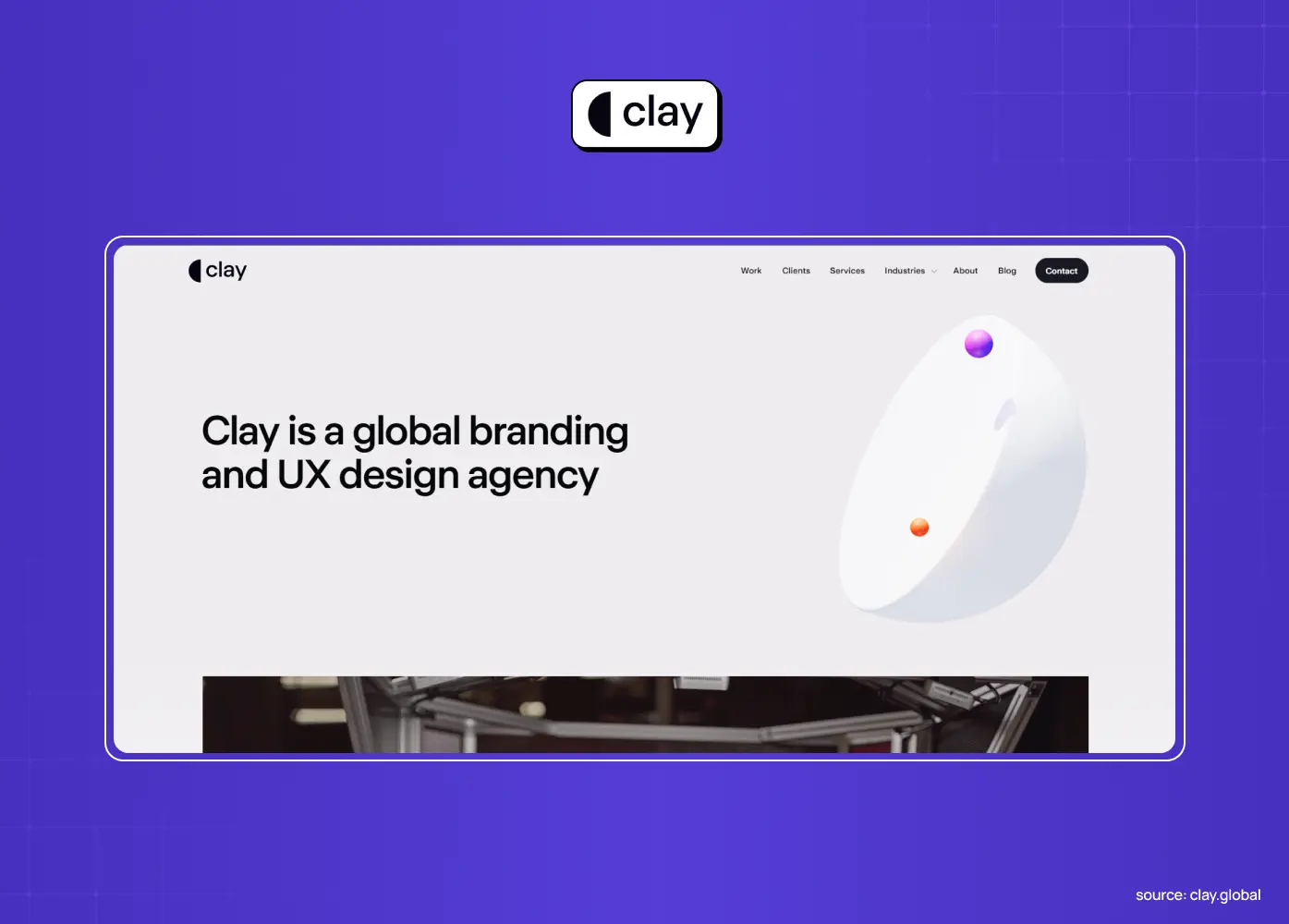
Research capabilities: User behavior analysis, conversion optimization research, and brand-aligned user studies.
Best fit for: Digital products where research needs to hold up against both brand strategy and visual design standards.
Timeline: 3 to 6 weeks, with design integration options.
8. Momentum Design Lab: B2B Platform Research
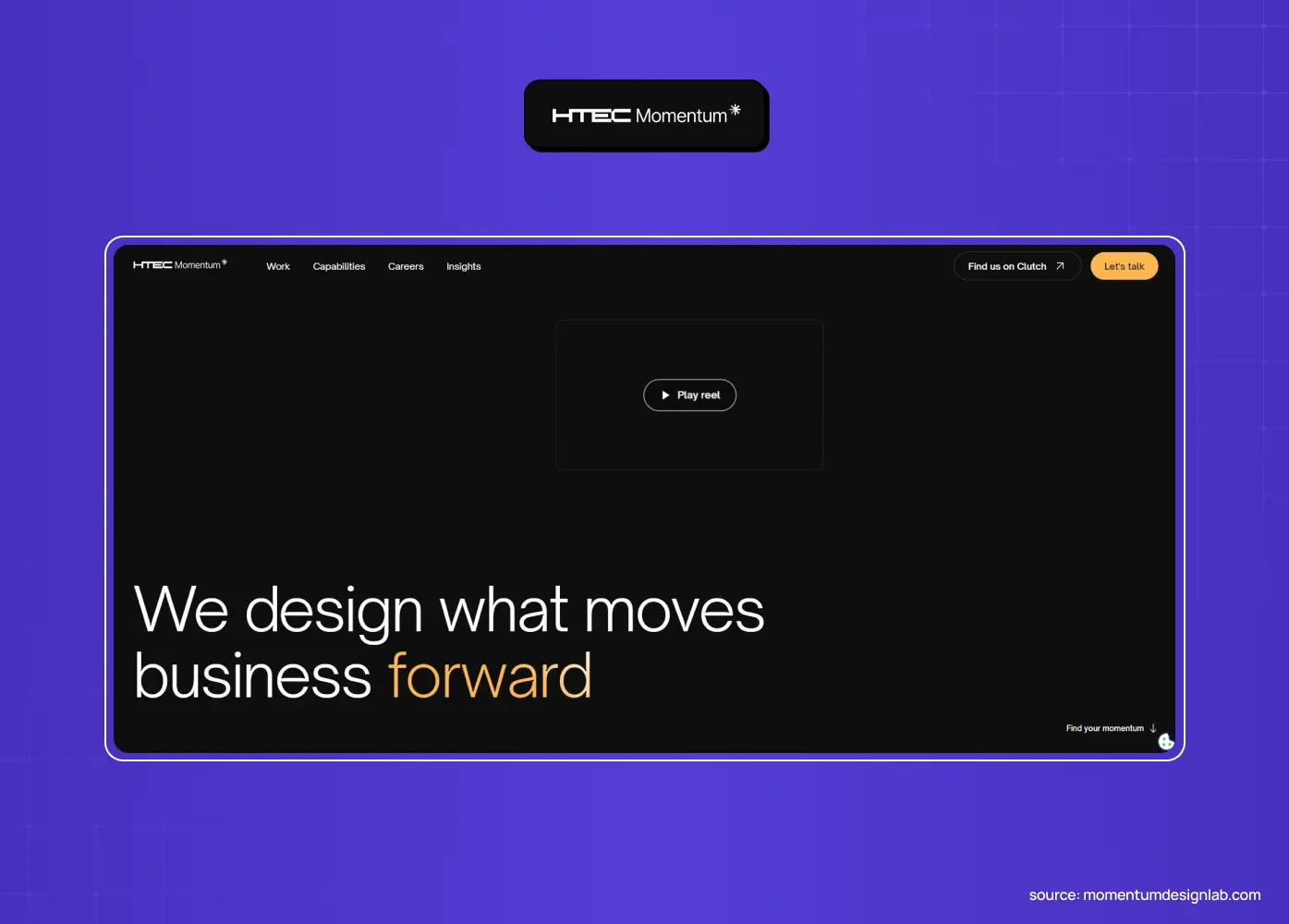
Research specialization: Enterprise software workflows, admin interfaces, and complex B2B user journeys with multiple stakeholder types.
Best fit for: B2B SaaS platforms juggling several user types and intricate permission or workflow requirements.
Strength: A real grasp of enterprise software constraints, not just consumer UX patterns applied to a B2B screen.
9. UXReactor: Systems-Thinking Research Approach
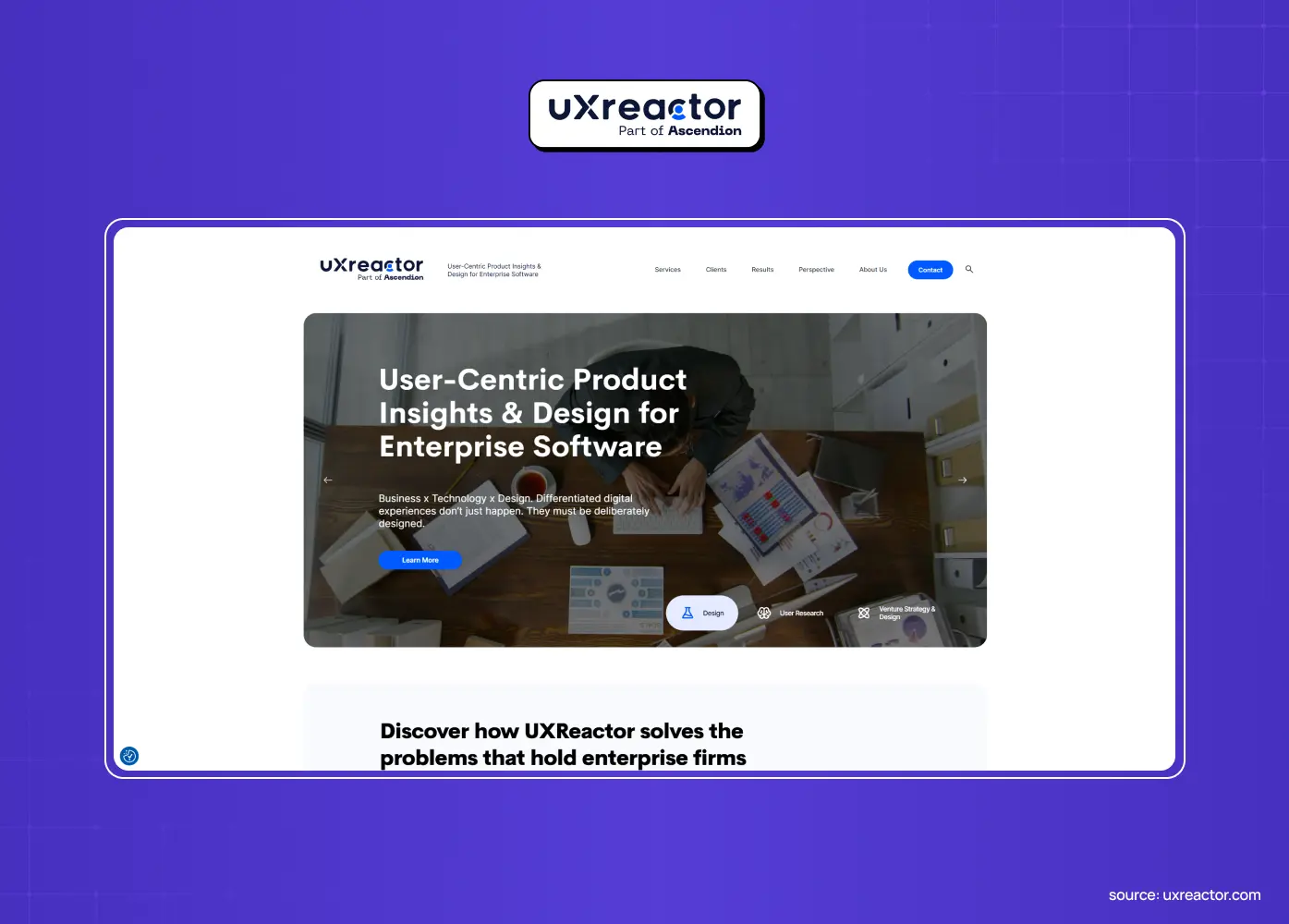
Research methodology: Business impact measurement, system-wide experience evaluation, and strategic research planning.
Best fit for: Organizations that need research tied directly to business metrics and ROI, not just satisfaction scores.
Focus: Measurable outcomes over descriptive findings.
10. Koru UX Design: Compliance-Aware Research
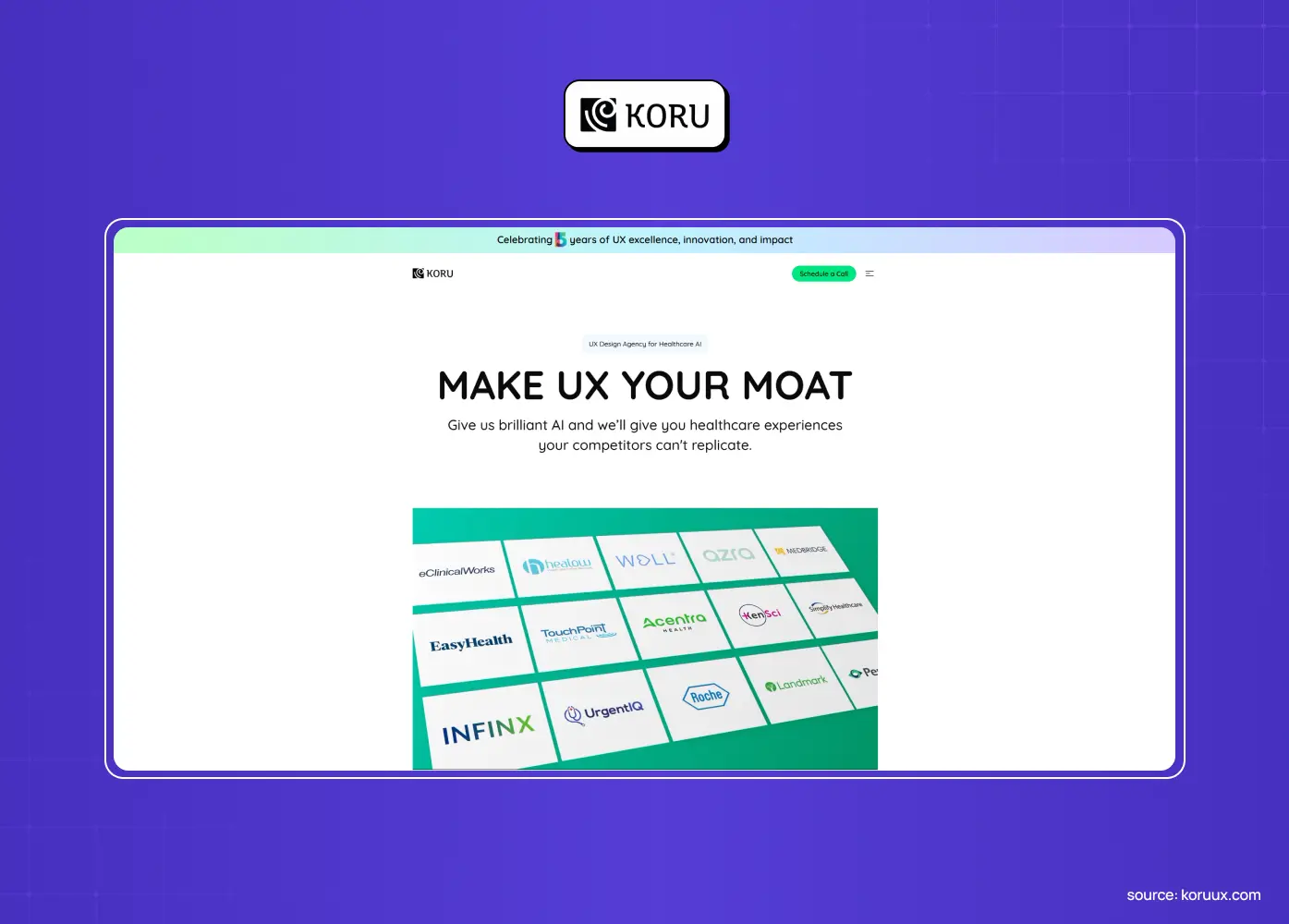
Research expertise: Regulated industry studies, healthcare and financial services user research, and compliance-conscious methodologies.
Best fit for: Products in heavily regulated industries that need specialized consent processes and careful data handling.
Advantage: A genuine understanding of the regulatory constraints shaping what research can even be run.
Which Firm Type Fits Your Research Question?
Not every firm is built for the same research question. Before you shortlist, match your actual research question to the firm type suited to it:
Your Research Question | Best-Fit Firm Type | Example |
"Will this concept resonate before we build it?" | Discovery and concept-testing specialists | IDEO, Frog Design |
"Why are users dropping off in this specific flow?" | Evaluative usability specialists | AnswerLab, UX Studio |
"How do our AI features behave with real users, and where do they lose trust?" | Research integrated with AI-aware design | Groto |
"Will this hold up across enterprise segments or a regulated industry?" | Compliance and enterprise-scale research | AnswerLab, Koru UX Design |
"How do we prioritize our roadmap based on business impact, not opinions?" | Systems and ROI-focused research | UXReactor |
"Do we have the UX fundamentals right, or does our team need training?" | Foundational research and education | Nielsen Norman Group |
"Do we have the UX fundamentals right, or does our team need training?" | B2B platform specialists | Momentum Design Lab |
"Does this align with our brand and conversion goals?" | Brand-and-conversion-linked research | Clay |
If your research question spans more than one row, that's usually a sign you need a firm that can run research and design together rather than commissioning two separate vendors for the same problem.
How to Choose the Right User Research Firm
Match Research Type to Business Need
Discovery research for a new product concept requires different expertise than evaluative research on an existing feature. Most firms specialize in one or the other, so ask directly which side of that line they sit on.
For AI product features specifically, prioritize firms experienced with unpredictable user interactions and edge-case documentation. Learn more about AI UX best practices for context on what that research actually needs to cover.
Evaluate Participant Recruiting Capabilities
B2B user recruiting is what separates professional firms from amateur operations. Quality user research firms maintain their own recruiting networks and can reach your specific user segments within days, not weeks. Generic consumer panels won't tell you anything useful about enterprise software buyers or technical decision-makers, so ask potential firms exactly how they source participants who match your actual users.
Assess Insight Synthesis and Delivery
Raw findings without clear recommendations waste your team's time. The best UX research agencies deliver a prioritized opportunity list, not just a summary of what people said. Our UX research agency guide breaks down exactly what a strong deliverable looks like and how to evaluate one before you commit. Ask for a sample synthesis document, not a polished case study slide, since that's what actually shows you how a firm thinks.
Consider Integration With Design and Development
Research that doesn't connect to what your design and development teams build next loses most of its value fast. Some firms work seamlessly alongside product teams; others hand off a report and disappear. If you're building complex interfaces, look for a firm that can bridge research insight to an actual design solution. Understanding UX audit processes helps clarify how research should fit into your broader product improvement cycle. Preparing a UX design brief before you engage any research firm also ensures your scope, goals, and success criteria are locked in upfront, so the insights you get back map directly to the decisions you actually need to make. If you're weighing a leaner setup over a traditional agency, UX design subscription agency alternatives covers firms operating at the research-to-design handoff level with transparent pricing.
What 2026 Changed About User Research
Two shifts separate this year's leading UX research agencies from the ones that topped this list in 2024.
Generative AI UX research is now its own practice area. It's no longer a line item under "AI-assisted analysis." Firms are running dedicated studies on how people build trust (or don't) with AI-enabled tools, chat experiences, and copilots, including how users form mental models of what the AI can and can't do, and how they behave when it gets something wrong.
The line between research firms and research-integrated design studios has hardened. A growing number of teams don't want a research report and a separate design vendor. They want one team that can find the problem and ship the fix in the same engagement. If that's your situation, weight firms on integration capability as heavily as research depth, not as a secondary criterion.
Essential User Research Services and Deliverables
Standard Research Outputs
Research plans with clear objectives, participant screeners and recruiting materials, moderated session recordings, synthesized findings with evidence, prioritized opportunity recommendations, and design-ready user journey maps. These are the tangible core of what UX research delivers, turning user behavior into evidence your product team can actually act on.
Advanced Analysis Capabilities
AI-assisted pattern identification, cross-study trend analysis, longitudinal user behavior tracking, and business impact correlation. Modern user research services increasingly lean on AI tools for the first pass of analysis, while keeping human oversight on the strategic calls, since that's where AI-only synthesis still falls short.
Collaboration and Handoff Materials
Stakeholder presentation decks, design team briefing sessions, developer-ready user story formats, and research repository access for ongoing reference. Quality firms provide multiple output formats because different team members need the same finding presented differently. Product roadmap creation often leans heavily on exactly this kind of research input.
How Groto Solves the Speed vs. Depth Trade-Off
Most firms force you to choose between moving fast and going deep. We built our process to close that gap by running research directly alongside design execution, which removes the handoff delays and miscommunication that usually eat the middle of a project timeline.
Our Creative Director's top 3% global ranking, paired with a systematic research process, means you get rigorous insight and an immediate design application from the same team. We've delivered research-backed design work for Fortune 500 companies including Colgate and ABInBev, often seeing 40 to 60% improvements in key user flows within weeks, not quarters. If you're also weighing broader UX design agencies alongside pure research firms, that comparison is worth making before you commit to either path.
If you're trying to decide whether to hire us or another firm on this list:
Choose Groto if you need research findings to become shipped design changes within the same engagement
Choose a pure research specialist (AnswerLab, Nielsen Norman Group) if you need research at enterprise scale with no design deliverable attached
Choose a compliance-focused firm (Koru UX Design) if your product sits in a heavily regulated industry
Choose a systems-focused firm (UXReactor) if your primary need is tying research to measurable business outcomes
Let's help you find out where your users are actually dropping off, and fix it in the same sprint.
Visit www.letsgroto.com or email hello@letsgroto.com. Book a call with our team to talk through your research needs.