Edtech

Mobile App Design

Transforming EdTech with Homeguru

Transforming EdTech with Homeguru

Transforming EdTech with Homeguru

See how Groto revamped HomeGuru—intuitive UX, easy tutor-student matching, and review-based connections for a seamless, engaging EdTech experience

Client

Client

Home Guru World

Duration

Duration

5 months

Date

Date

Tools

Tools

Figma, FigJam

Transforming EdTech with Homeguru: Innovative web and mobile app design for enhanced learning.

The Client

Established in 2020, HomeGuru has pioneered in transforming the tutoring services landscape by seamlessly connecting parents, learners, and accredited tutors. With a robust platform that allows tutors to showcase their profiles for review, it empowers informed decision-making among parents and learners, ensuring a conducive learning environment.

Creative сhallenges

Despite its innovative approach, HomeGuru grappled with enhancing the user experience across its applications for both students and tutors. The existing platforms lacked the intuitiveness, consistency, and seamlessness desired by users, necessitating a comprehensive overhaul to meet user expectations and create a user-friendly platform.
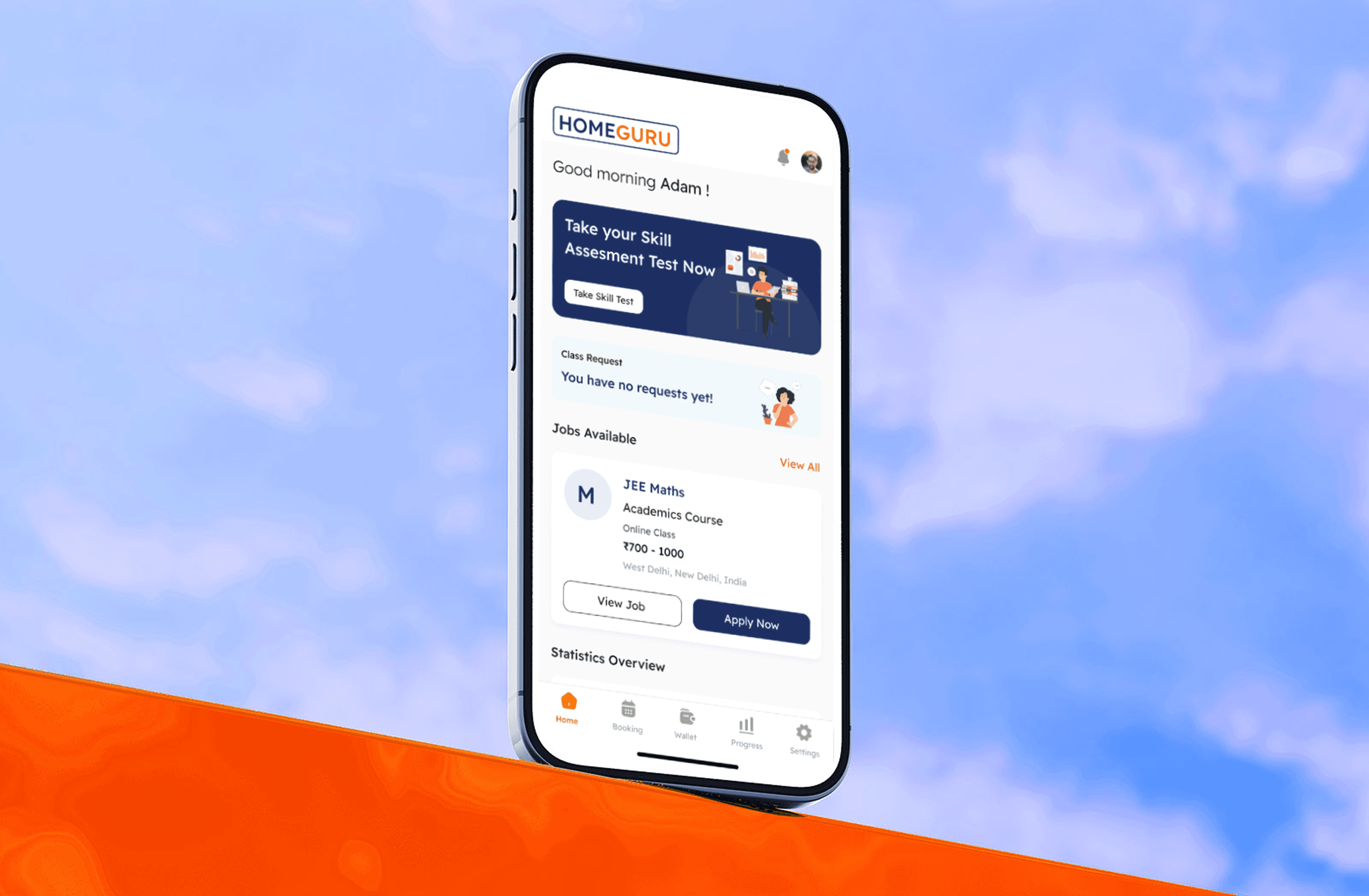
Revolutionizing EdTech with Homeguru: Innovative web and mobile app design for education.

The Solution

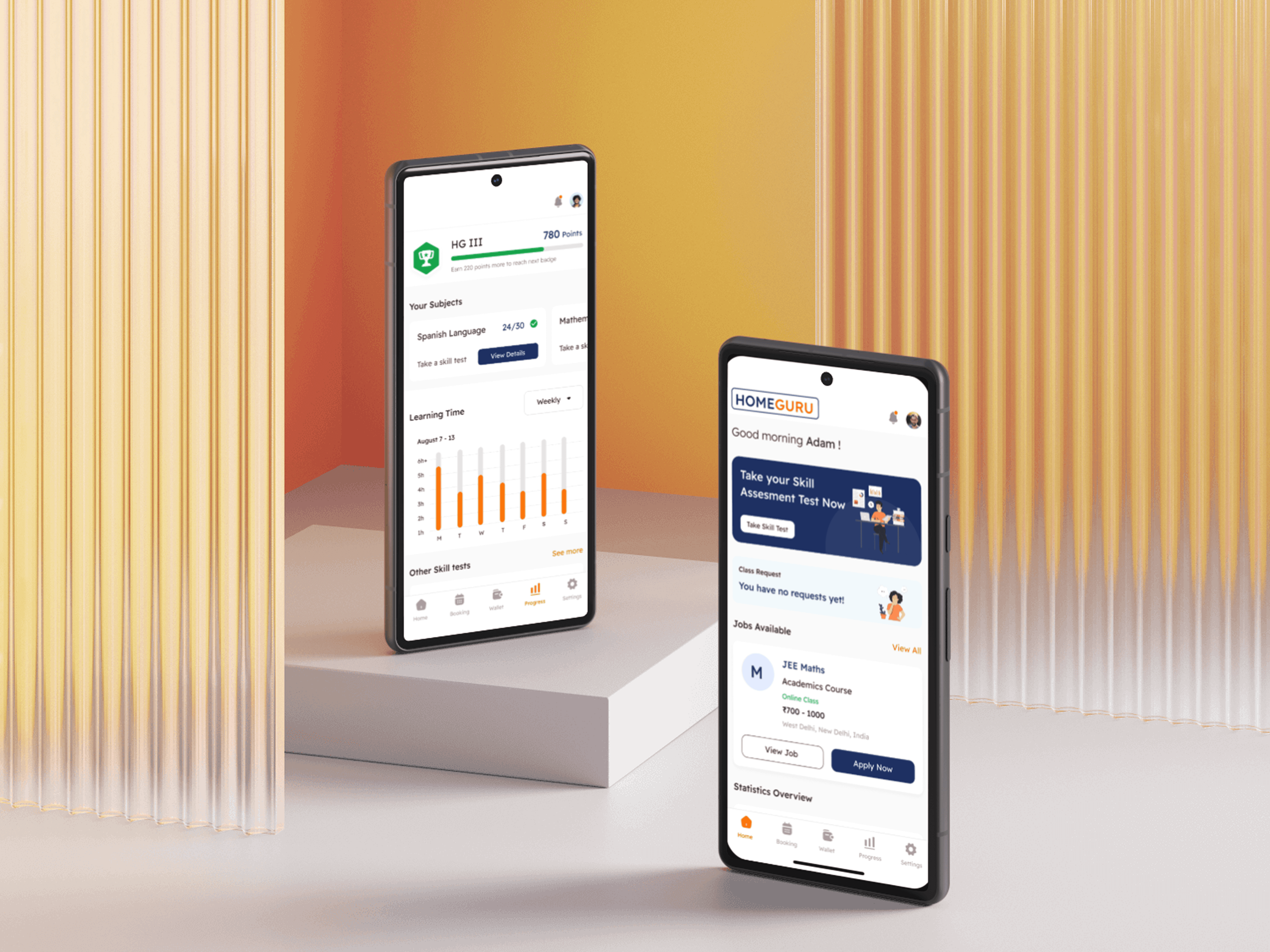
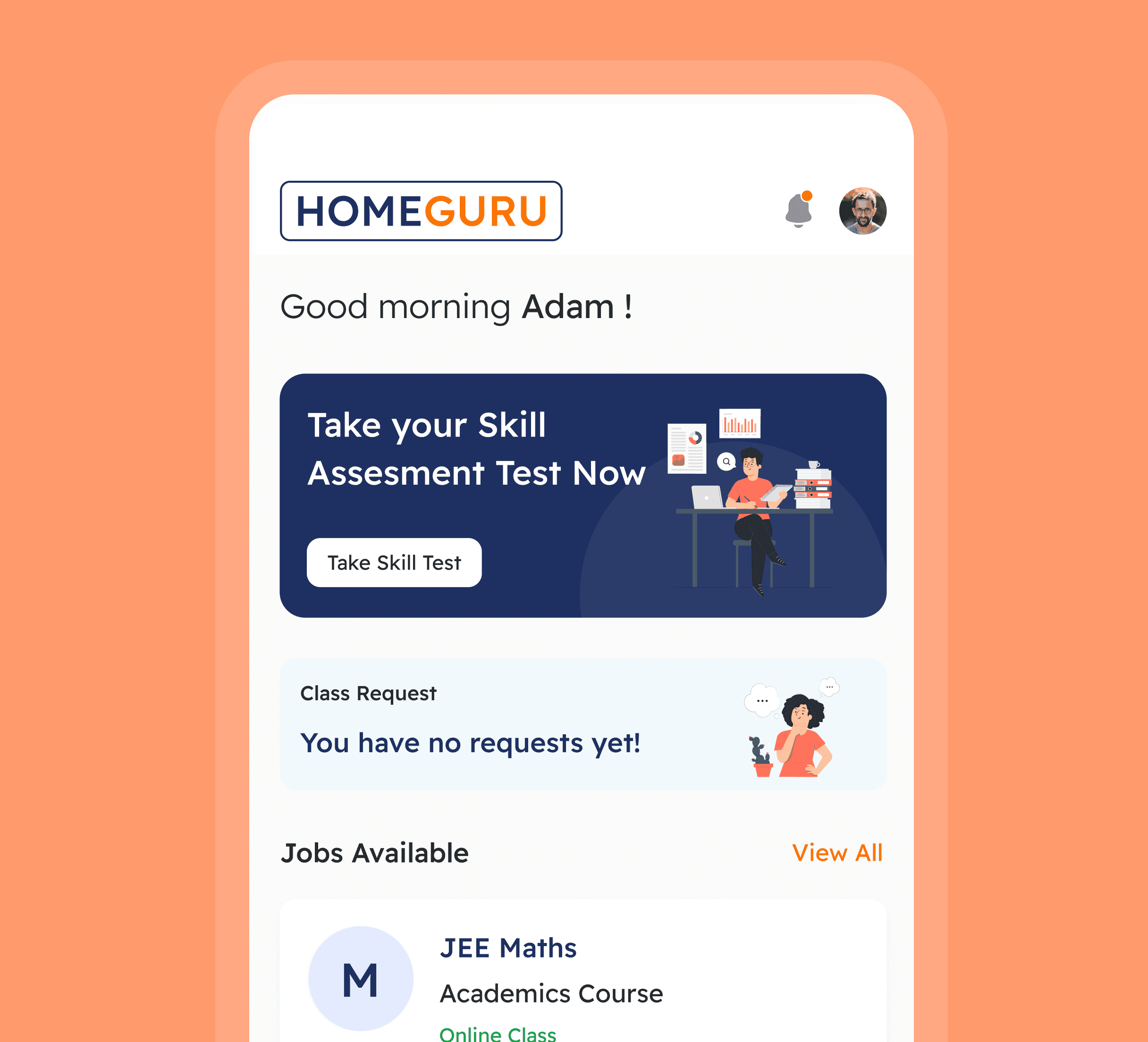
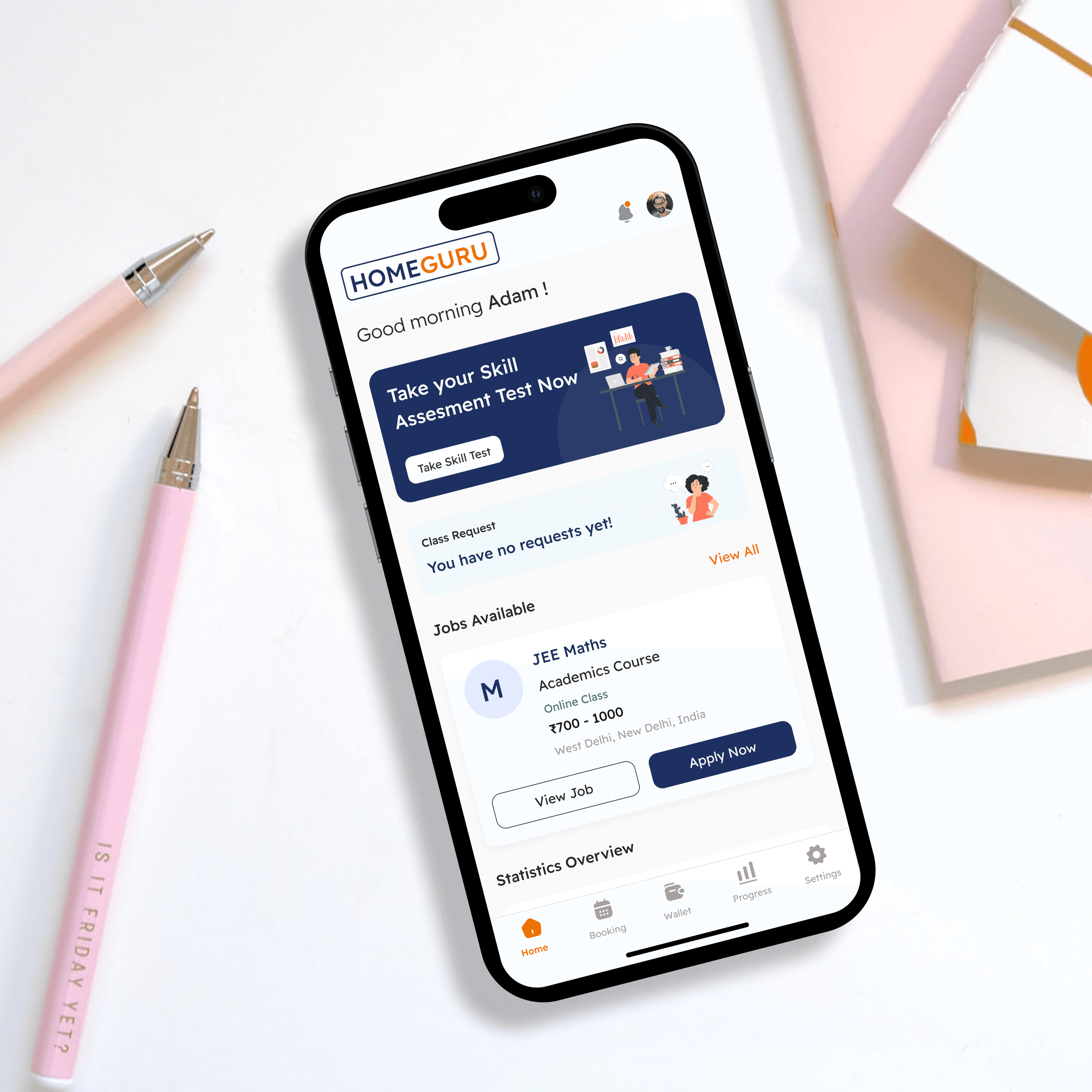
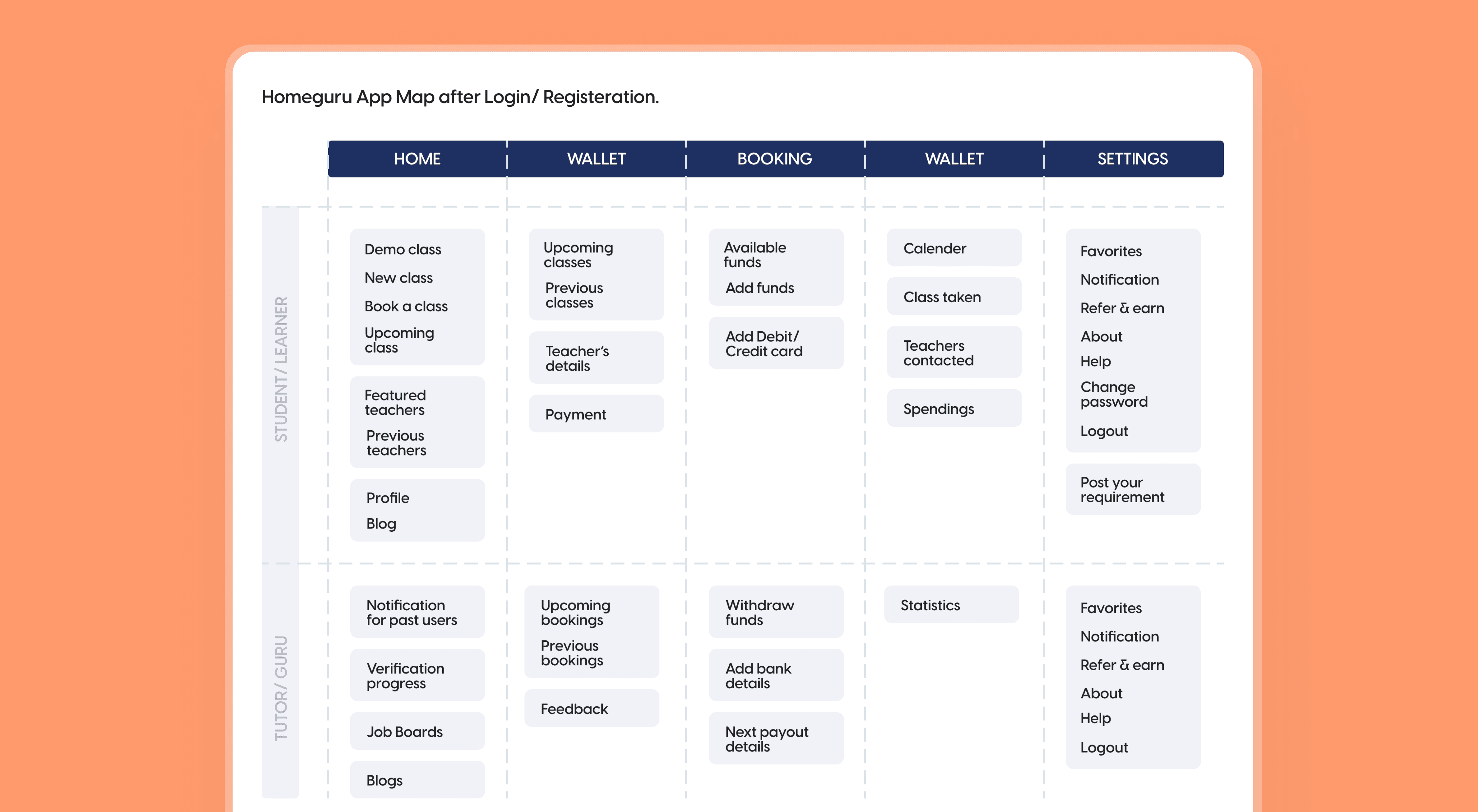
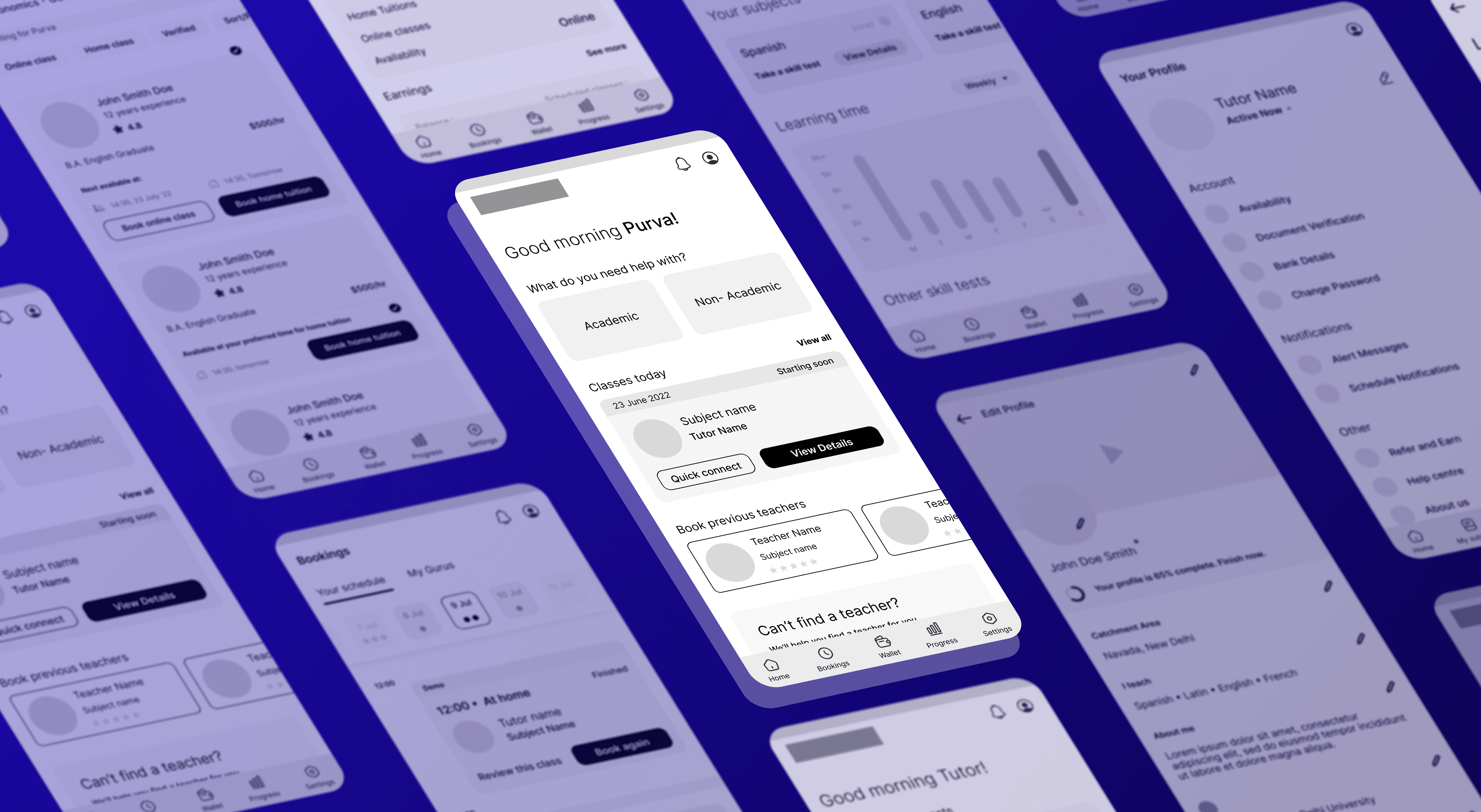
We embarked on a journey to revitalize HomeGuru’s user experience by crafting a user centric platform. The redesigned platform boasts of customized homepages tailored to the unique needs of learners and tutors, facilitating easy class bookings, tutor requests, and access to a rich blog section, thereby simplifying the connection between tutors and learners.
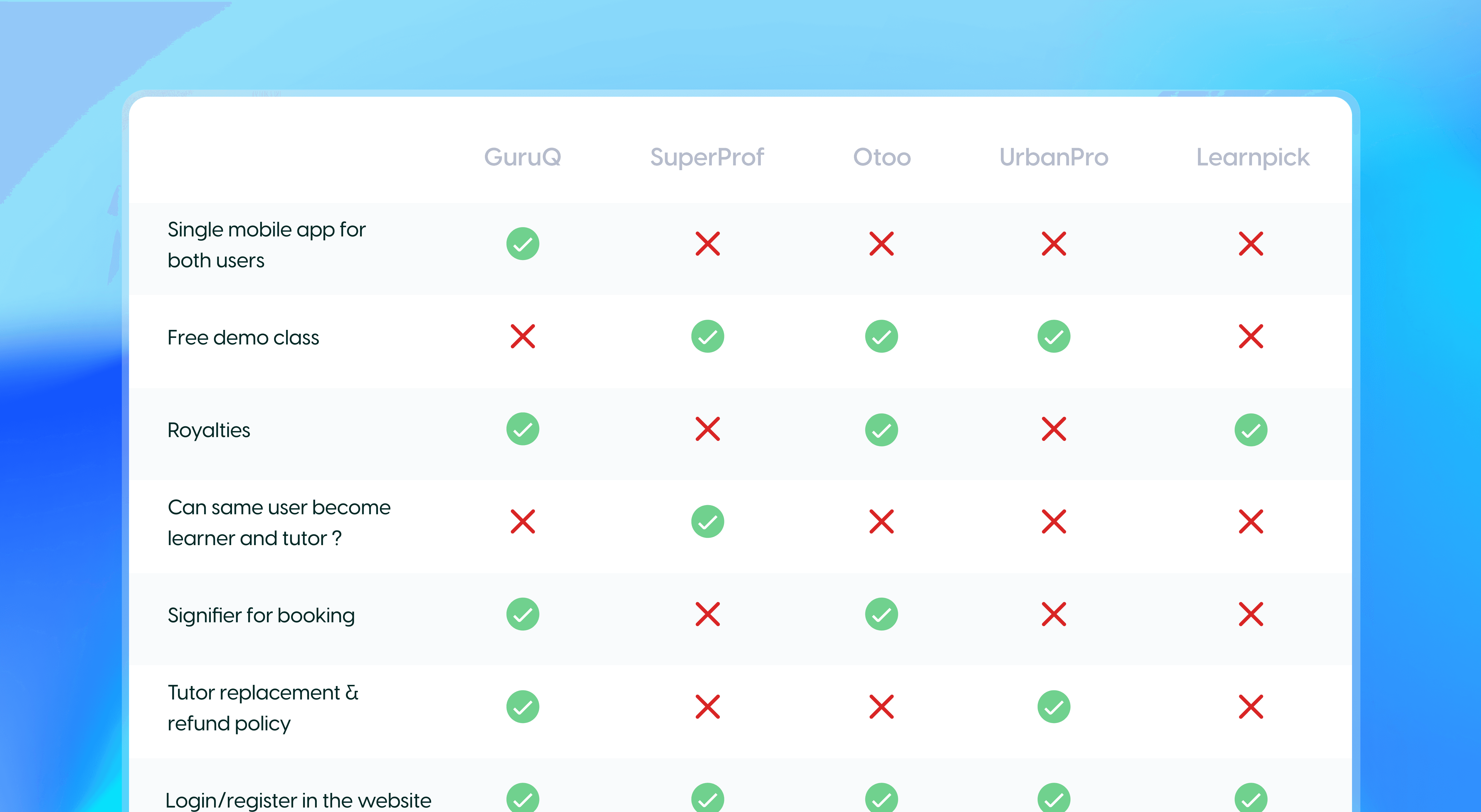
Homeguru: Innovative web and mobile app design for transformative EdTech learning experiences.

Our Approach

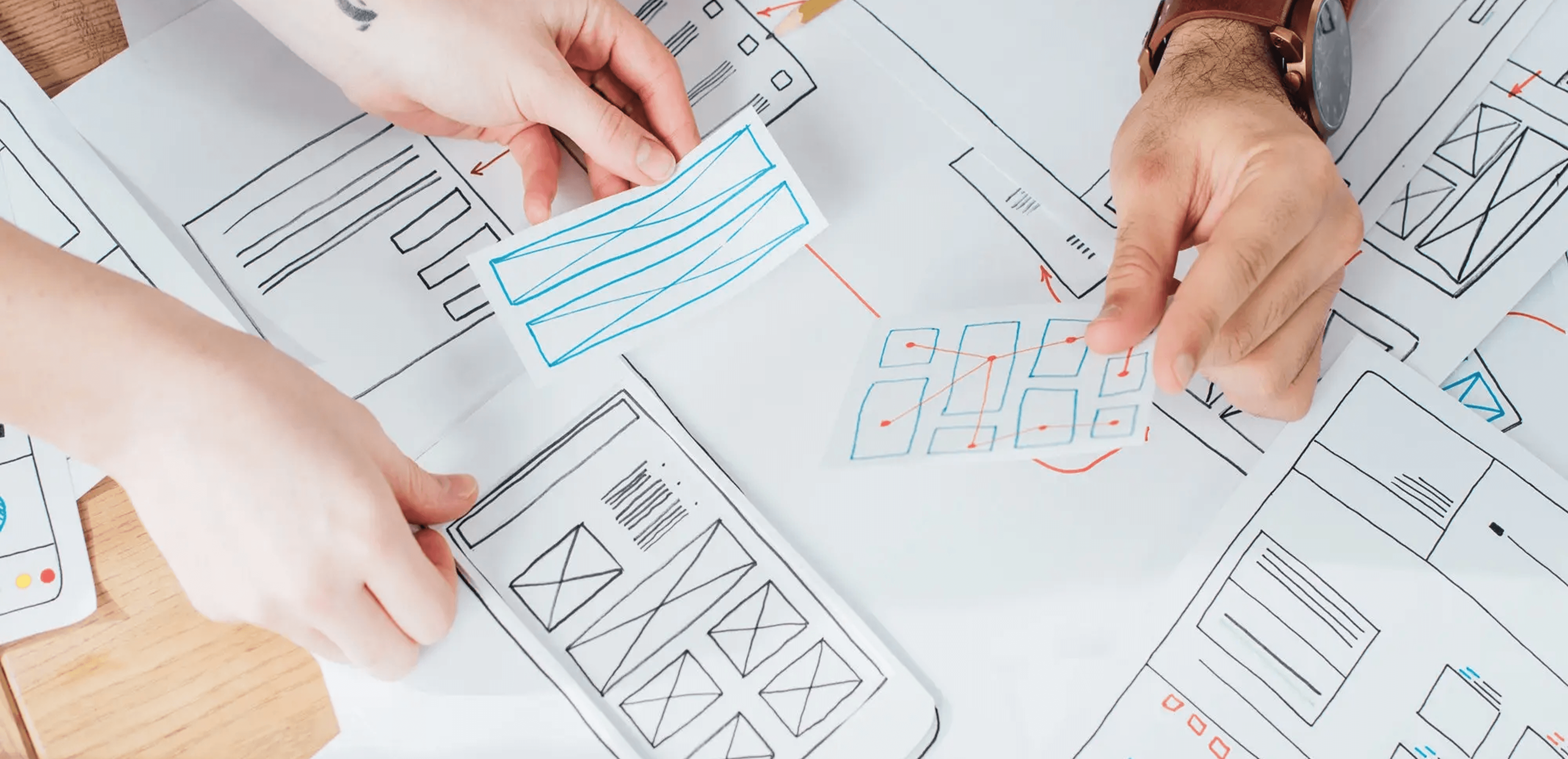
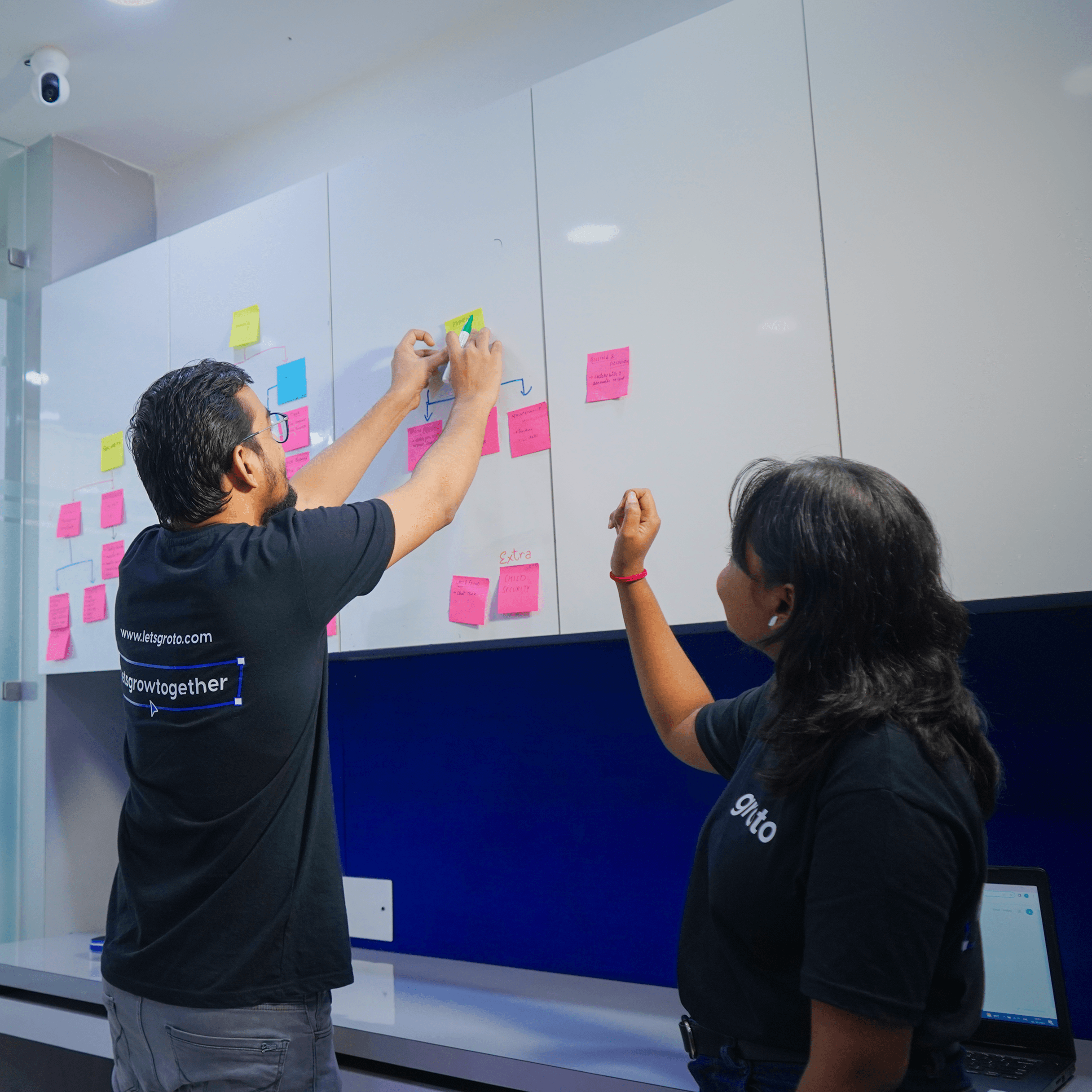
Through an in-depth discovery workshop and engaging with stakeholders, we delved into the nuances of the Ed-tech market. Our strategy was molded by understanding the challenges and user demographics, ensuring our solutions were not just innovative but also resonated with the actual needs of the tutors and learners.
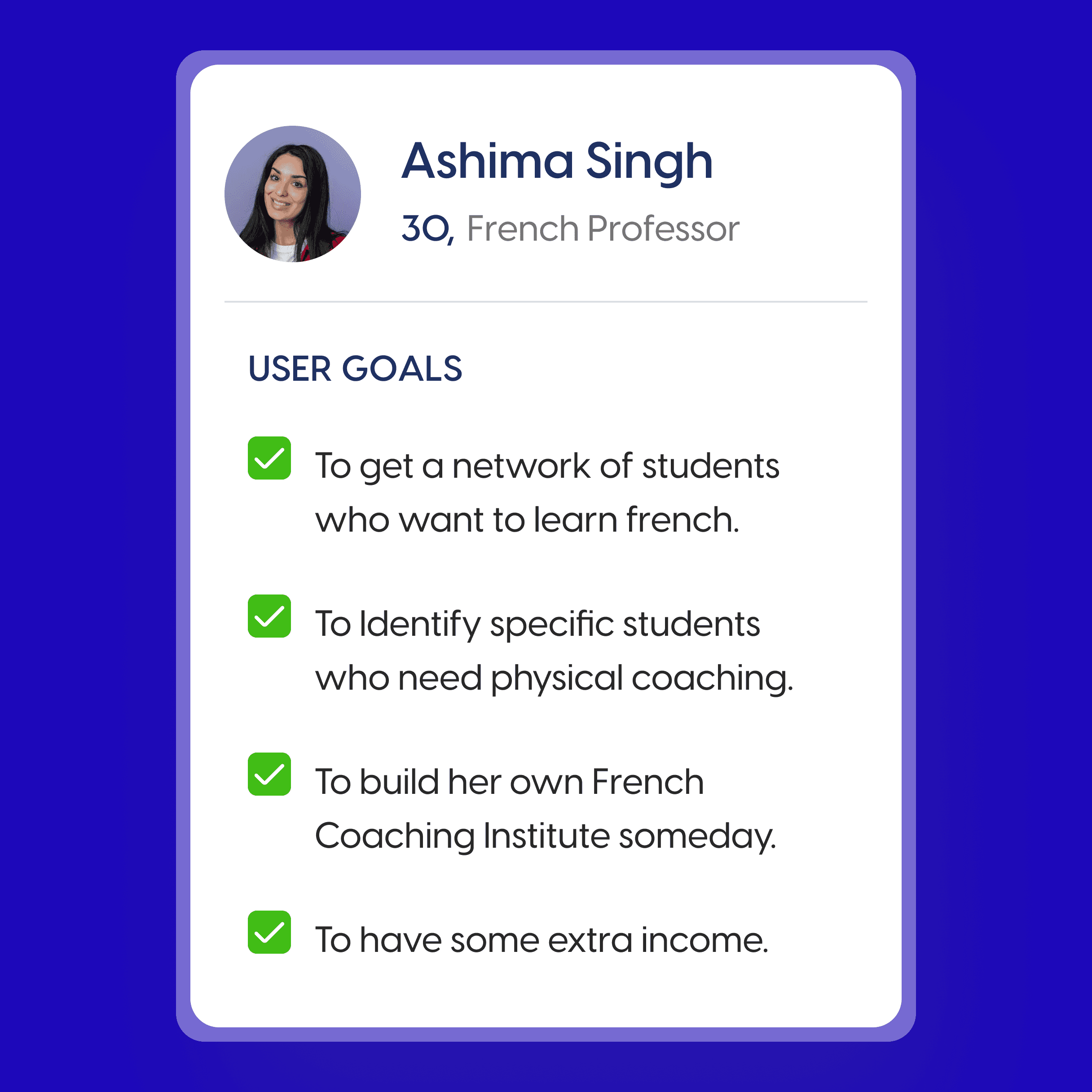
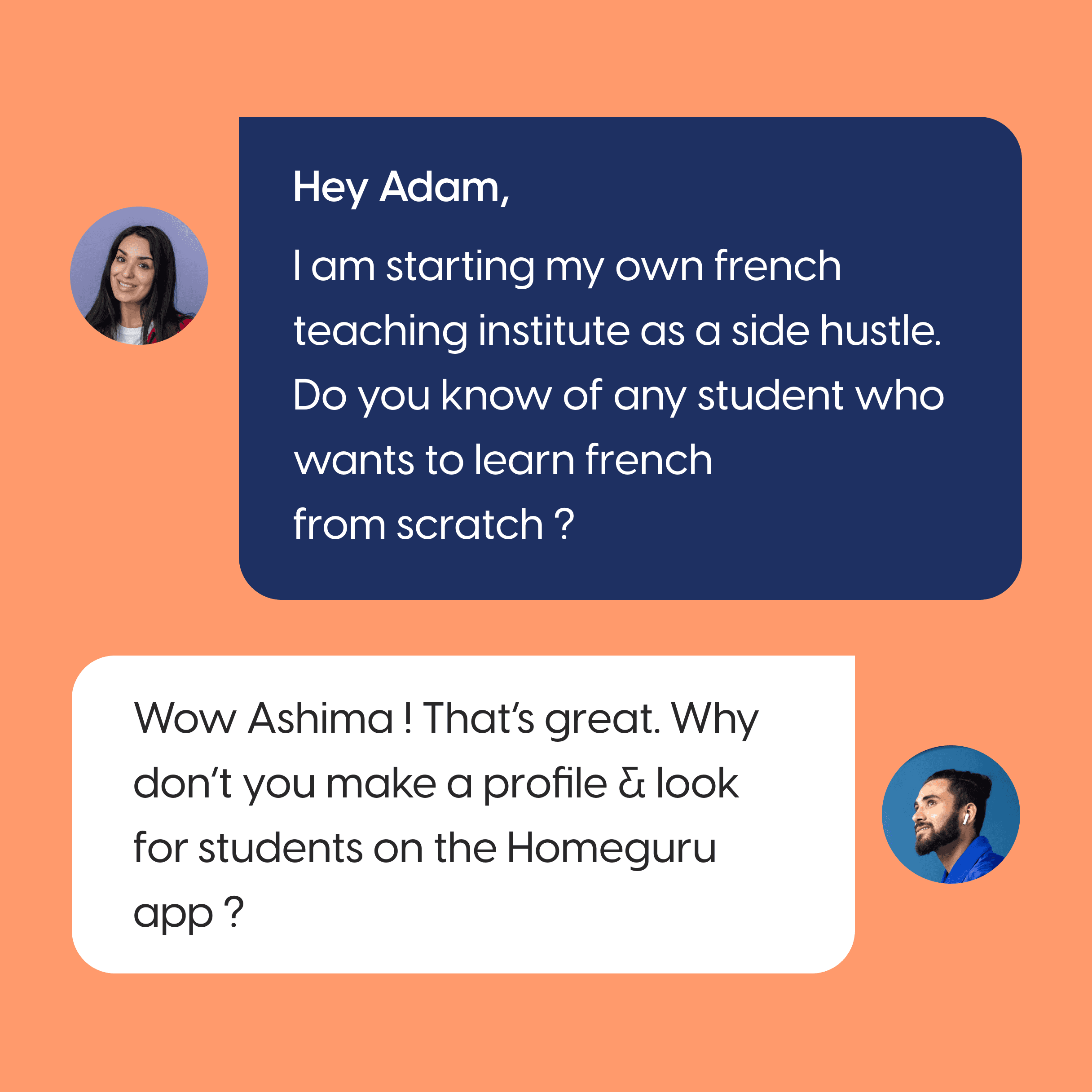
Transforming EdTech with Homeguru: Innovative web and mobile app design
Revolutionizing EdTech with Homeguru: Innovative web and mobile app design for learning.

Insights

Our journey into the world of tutors and students revealed invaluable insights. Direct engagements and deep dives into their experiences unearthed pain points and expectations, which became pivotal in shaping authentic user personas and subsequently, the UX design.

Tutors struggled to connect with students nearby, making accessibility a challenge. Limited visibility and lack of reviews made earnings unstable, affecting financial security. Additionally, inconsistent networking opportunities led to unreliable student connections and fewer teaching prospects.
Transforming EdTech with Homeguru: Innovative web and mobile app design for learning.
Revolutionize EdTech with Homeguru: Innovative web and mobile app design for learning.

User-centric approach

The redesigned HomeGuru app is a testament to user-centric design, where every interaction is meticulously crafted to guide users through their journey of discovering the ideal tutor, ensuring a harmonious and impactful learning and teaching experience.
Revolutionize EdTech with Homeguru - Innovative web and mobile app design.

Bring vision to life

By aligning our design and development process with HomeGuru’s vision, we facilitated a platform that not only addresses the pain points of its users but also enhances the overall learning and teaching experience, ensuring sustained growth and user satisfaction.

Visualizing the palette

By employing a carefully selected color palette and typography (Readex Pro), we ensured that the visual elements of the platform are not only aesthetically pleasing but also enhance usability and user engagement, contributing to a cohesive and intuitive user experience.
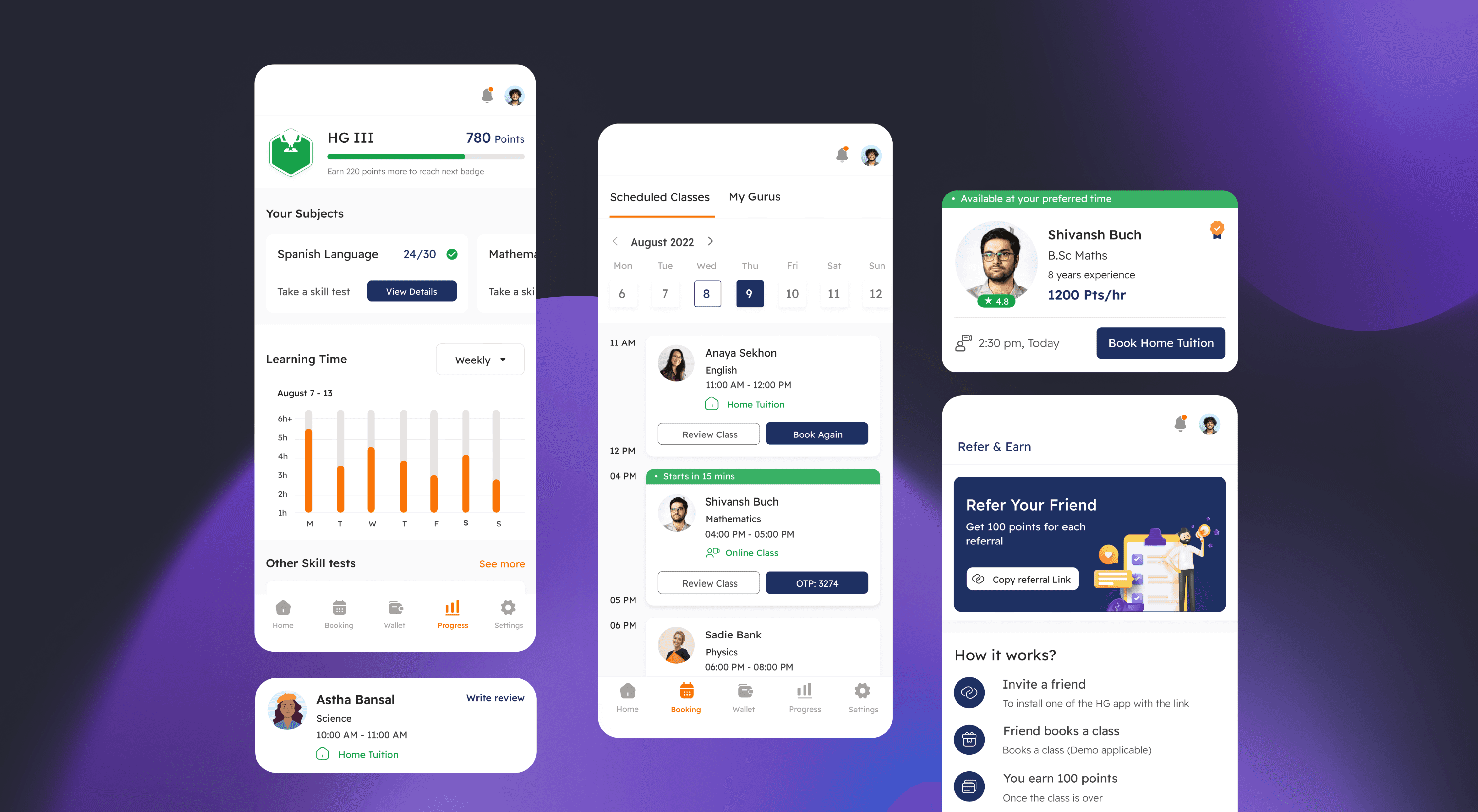
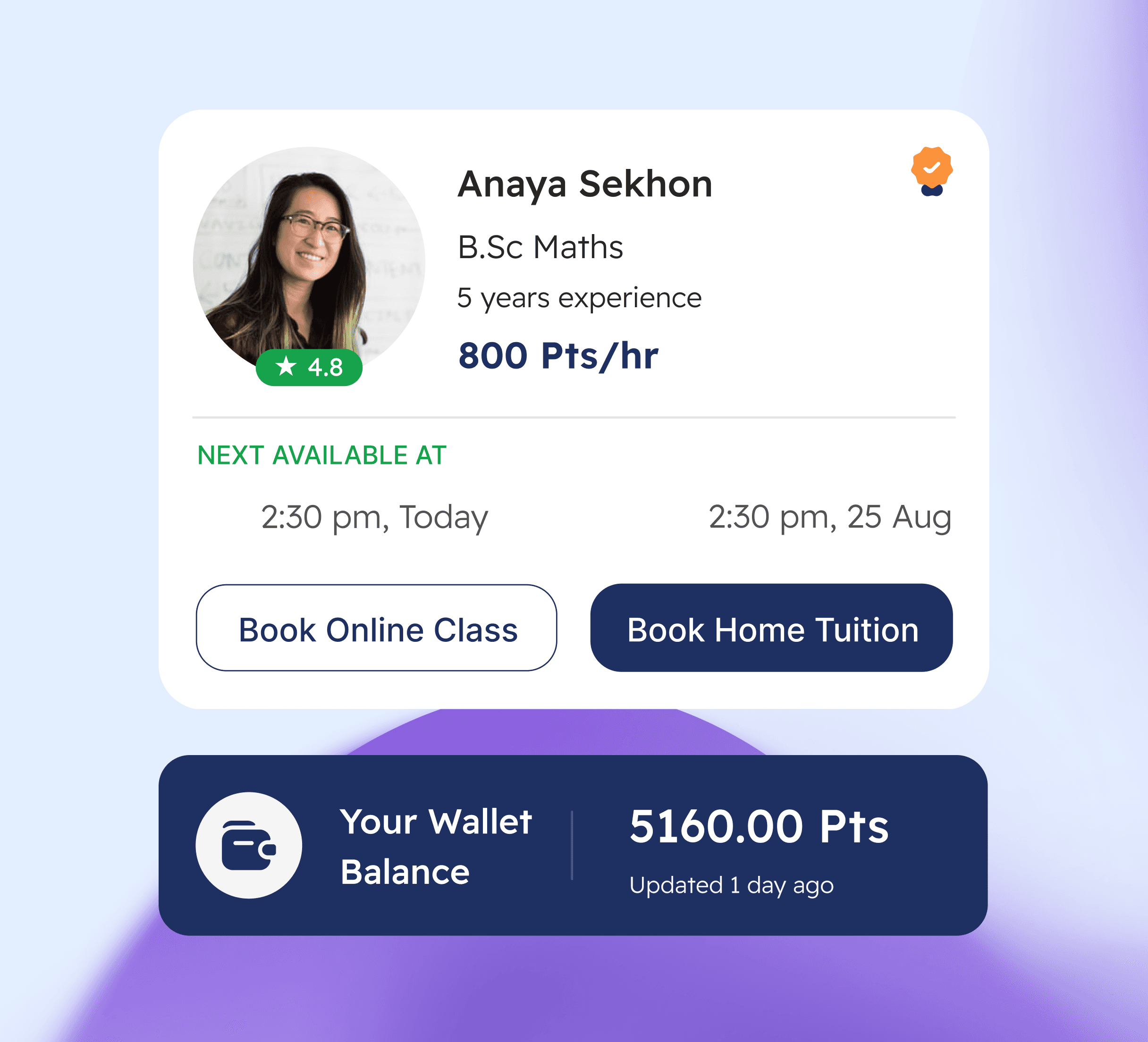
Transforming EdTech with Homeguru - Engaging web and mobile app design for learning.
Revolutionize EdTech with Homeguru - Innovative web and mobile app design.
Transforming EdTech through engaging web and mobile app design for learning.

The Results

HomeGuru’s platform achieved an SUS score of 82 (B), reflecting a highly user-friendly design backed by extensive prototype testing. Through empathetic design, it addressed key user challenges, enhancing accessibility and engagement. The platform successfully adapted to pandemic-driven shifts in EdTech, ensuring future-oriented education that meets evolving industry demands. These improvements have strengthened HomeGuru’s position as a leading connector for tutors and learners in the digital education space.

The platform’s intuitive design makes navigation easy for all, ensuring quality education is accessible. A transparent, review-based system strengthens tutor-learner connections, making the learning experience smooth, reliable, and rewarding.

FAQ

We’ve heard it all. Here’s everything you need to know before working with us.
How much does a UX design project with Groto cost?

Fixed projects start at US$5,000. Hourly engagements are US$50/hour. Share your brief so we can recommend the right scope.

How quickly can you start, and when will I see the first designs?

You can meet your designer within 24 hours and work starts immediately after. The 7-day free trial delivers a real design task from your actual backlog, not a mockup, so you see output in the first week. For Part-Time and Full-Time plans, a full UX strategy report lands within two weeks.

What happens if I do not like the designer or the work?

Start with the 7-day free trial before paying anything. If the fit is wrong, you walk away at no cost. After that, plans are month-to-month, you can request a different designer at any time, and you can pause for up to three weeks per quarter with credits rolling over. Cancel anytime.

Do I get one designer or a whole team?

You get a dedicated designer as your primary contact, backed by Groto’s 20-person studio. That means one consistent person who knows your product, with specialist support pulled in for research, brand, or development work without a new contract.

How do you measure whether the design actually worked?

Groto ties design work to product metrics agreed before the project starts, typically conversion rate, activation, task completion, and retention. On the IVHQ engagement, that produced a 2.3X conversion rate increase and 1.25X improvement in customer retention. Every engagement begins with a baseline measurement so the change is attributable.

Do you design UX for AI chatbots and conversational tools?

Yes. Groto designs conversational UX for chatbots, assistants, and support tools, covering the parts that break most often: turn-taking and interruption handling, streaming response states, fallback and handoff to a human agent, and tone calibration so the bot does not overpromise. The hard part is not the chat window, it is what happens when the model is confidently wrong.

Can your team handle UX for AI agents and copilot-style products?

Yes. Agentic and copilot products need patterns traditional UX does not cover: showing what the agent is about to do before it acts, permission gates on irreversible actions, human-in-the-loop checkpoints across multi-step tasks, and undo that genuinely reverses state. Groto has shipped copilot and agent interfaces for Camb.ai (AI dubbing) and Pathways (AI hiring). Trust calibration matters more than speed.

Do you help enterprises with UX for AI dashboards and reporting tools?

Yes. Groto designs data-dense enterprise dashboards and reporting tools, including AI-generated insights where the real design problem is explainability: showing why the model surfaced a number, letting analysts drill from summary to source rows, and flagging low-confidence output instead of presenting every figure with equal certainty. Enterprise buyers need an audit trail, not just a chart.

Is Groto a good fit for a B2B SaaS or enterprise product?

Yes. Groto specialises in complex B2B SaaS, enterprise internal tools and AI products, including dashboards, admin panels and data-heavy interfaces where information density matters more than visual polish. Current work spans AI platforms, fintech, healthcare and edtech, with clients across the USA, Europe, the Middle East and Asia.

What should I look for when choosing a UX design agency, and what are the red flags?

Ask for three things: a case study in your product category with named metrics, a trial or paid pilot before any long commitment, and direct access to the designer who will do the work. Red flags are portfolios with no measurable outcomes, contracts longer than three months with no exit, and account managers standing between you and the designer.

What does AI-first UX design actually mean in practice?

AI-first UX design means designing for products where the interface is non-deterministic: the output changes every time. That requires patterns traditional UX does not cover, including confidence and uncertainty states, correction and undo flows, streaming responses, prompt affordances, and graceful failure when the model is wrong. Groto has shipped this for AI dubbing, PR automation and AI hiring platforms.

How do I know your AI and ROI claims are real?

Every metric on this site traces to a named client engagement, not an internal estimate. The 4.9 rating comes from verified Clutch reviews you can read directly. For AI work specifically, ask to see the interaction patterns we shipped, not the visuals, since AI UX quality lives in error and uncertainty states rather than screens.

How does the 7-day free trial work?

Pick a real task from your backlog and Groto delivers it within seven days at no cost and with no card required. You keep the work regardless of whether you continue. The point is to judge us on output from your actual product rather than a curated portfolio.

Can you handle brand identity and marketing design as well as product UX?

Yes, and this is unusual for a product design studio. Groto's 12-person brand team covers brand identity, marketing design, landing pages and design systems alongside product UX. That means your product interface and your marketing site come from one team with one design system, instead of two vendors producing work that does not match.

Do you work across time zones, and how does that work day to day?

Groto's team overlaps at least half a business day with your time zone, so there is a real window for live calls and same-day feedback rather than a 24-hour round trip. We work with clients across the USA, Europe, the Middle East and Asia. Outside that window, progress moves through async updates, Loom walkthroughs and shared boards, so you always know where a design stands.